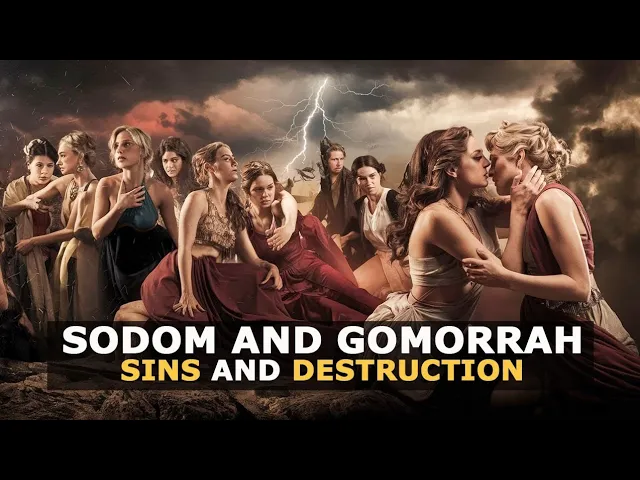
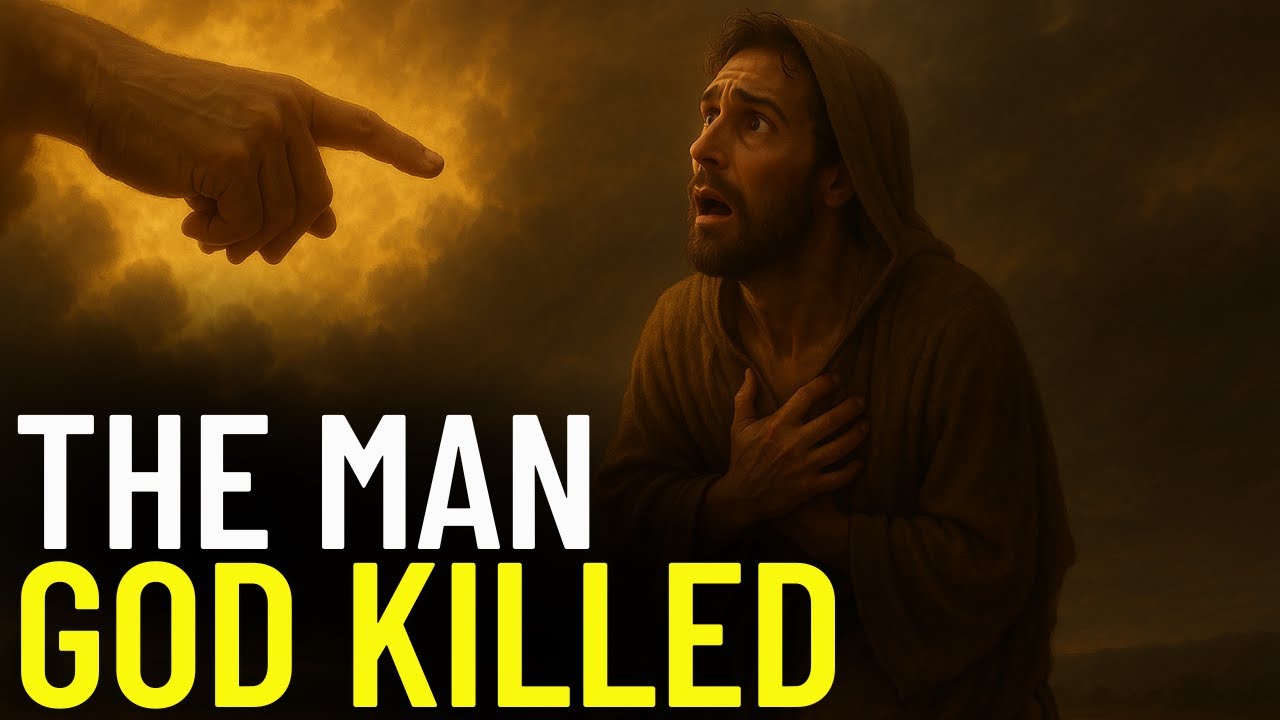
What could be so evil, so dark that God decided to destroy two entire cities with fire from heaven? This is not just a story from long ago. It's a warning, a real event that shook the earth.
The cities were called Sodom and Gomorrah. They were once full of people, homes, markets, and families, just like any other town. But something had gone terribly wrong.
The people had turned away from what was right. Their hearts had grown cold and their actions were full of evil. God sent two angels to visit the city of Sodom.
But instead of welcoming them, the men of the city tried to harm them. That night was the final sign. God had seen enough.
So in a moment, fire and burning sulfur rained down from the sky. The cities were wiped out. Nothing was left.
No houses, no trees, no people. Just smoke rising from the ground where life once was. But what were these sins that caused such a judgment?
In this video, we will look at the five major sins of Sodom and Gomorrah. These are not just old stories. These same sins are still around today.
So stay with me as we explore what really happened and what we can learn from it. One, rampant sexual immorality. Genesis 19:4-5.
The first major sin we see is found in Genesis 19. Two angels were sent by God to visit the city of Sodom. They looked like regular men, and Lot welcomed them into his home.
But something terrible happened that night. As darkness fell, the men of the city, young and old, surrounded Lot's house. They shouted loudly, demanding that Lot bring out the strangers so they could know them.
In the Bible, the word know here doesn't mean to just meet or greet. It meant something much worse, something violent and immoral. These men were trying to force themselves on the visitors.
This wasn't just about desire. It was about power, violence, and total disrespect. They didn't care.
These were guests. They didn't care. These were angels, holy messengers from God.
This shows how deep their hearts had fallen into wickedness. God created sexuality to be something beautiful and sacred. But in Sodom, it had become twisted.
What was once a gift had turned into something dark and harmful. Today, we still see signs of this kind of moral confusion. People often make fun of purity.
Boundaries are crossed. Respect is lost. It's important to understand this story is not about judging others, but about recognizing when people no longer care about what is right or sacred.
That's what happened in Sodom and that's why God took action. Two, pride and arrogance. Ezekiel 16:49.
The second sin was pride. Many years after Sodom was destroyed, the prophet Ezekiel gave more details about their sins. He wrote, "This was the sin of your sister Sodom.
She and her daughters were arrogant, overfed, and unconcerned. " Ezekiel 16:49. The people of Sodom were proud.
They felt they didn't need God. They were wealthy, full of food, and had time on their hands. But instead of using their blessings to do good, they looked down on others.
They thought they were better than everyone else. Pride is a dangerous thing. It's sneaky.
It makes people feel powerful and untouchable. But in the Bible, pride often comes right before destruction. Babylon fell because of pride.
So did Egypt. Even King Nebuchadnezzar had to be humbled by God. When we begin to believe we can live without God, we put ourselves in danger.
The people of Sodom thought they had everything. But they were spiritually empty and didn't even know it. Third, lack of hospitality.
In ancient times, hospitality was not just a nice thing to do. It was a sacred duty. When a traveler entered a town, the people were expected to provide food, water, and protection.
But in Sodom, the people did the opposite. They attacked their guests. They tried to harm them.
What should have been a peaceful visit turned into a night of terror. This wasn't just rude behavior. It was evil.
God takes hospitality seriously because it reflects his own heart. He welcomes the stranger. He protects the weak.
So when the people of Sodom turned violent toward guests, it was a direct offense against the way God wants people to treat each other. Even today, how we treat strangers says a lot about who we are. Are we welcoming?
Are we kind? Or do we shut people out and look down on them? The people of Sodom failed this test badly.
Fourth, oppression of the poor and needy. Ezekiel 16:49. Let's return again to Ezekiel's words.
Along with pride and abundance, Sodom was guilty of not helping the poor and needy. This is important. God has always cared deeply for the weak, the poor, and the forgotten.
Throughout the Bible, he tells his people to feed the hungry, protect the widow, and care for the orphan. But Sodom did the opposite. They had more than enough but refused to share.
They closed their hearts to those who were struggling. And this made God angry. God's judgment doesn't just fall on those who commit personal sins.
It also comes when whole societies ignore justice and mercy. In fact, when God judged other nations like Israel or Edom, it was often because they oppressed the poor. So, what happened in Sodom wasn't just personal failure.
It was a communitywide failure to love others. Today, we still see poverty, hunger, and need all around us. If we have the power to help and choose not to, we repeat the same mistakes Sodom made.
Fifth, rebellion against God and unrepentance. The final and most serious sin was rebellion against God. The people of Sodom were not just doing wrong.
They were proud of it. They had no desire to change, no regret, no repentance. God gave them time.
He gave them warnings. Abraham even prayed for them, asking God to spare the cities if only 10 righteous people could be found. But there weren't even 10.
Even when Lot tried to warn his sons-in-law, they laughed at him. They didn't believe anything bad would happen. They ignored every chance to turn back.
Even when angels stood in front of them, they didn't stop. They pushed forward into darkness. This is what broke God's heart.
He is patient. He gives many chances. But eventually, if people refuse to change, judgment will come.
And that's exactly what happened. Fire and sulfur fell from the sky. The cities were turned to ash.
What was once full of life became a smoking ruin. And then the time for warnings ended. Early in the morning, as the sun began to rise, Lot and his family were led out of the city by the angels.
They were told clearly, "Don't look back. Run for your lives. " And just as they escaped, it happened.
Fire rained down from the sky. Burning sulfur poured over Sodom and Gomorrah. It wasn't just a natural disaster.
It was a supernatural judgment. A storm of fire sent by God himself. The ground shook.
The sky turned red. Everything, the homes, the fields, the streets was destroyed. But in the middle of the escape, something tragic happened.
Lot's wife looked back. Even though she had been warned, her heart was still tied to the city. She turned and looked and in that moment she was turned into a pillar of salt.
Her story is a painful reminder that even when we leave behind sin, we must not long for it. God's judgment was complete. The cities were gone.
All because they refused to listen. Now, this may feel like an ancient story, but the truth is the same sins are still with us today. We still see sexual immorality that breaks boundaries.
We still battle pride, thinking we don't need God. We still ignore hospitality and kindness to strangers. We still turn away from the poor and needy.
And many still live in rebellion, ignoring God's voice. But God hasn't changed. He is still just.
But he is also merciful. Before the fire fell, he gave warnings. He sent angels.
He gave chances to repent. But Sodom refused. So the lesson is clear.
God is patient, but not forever. His justice will come, but so will his mercy if we turn to him. This story isn't here to scare you.
It's here to wake us up, to make us think about our own lives, our own cities, and our own hearts. So, I ask you, which lesson stood out to you the most? Was it the pride, the injustice, the call to repent?
Let me know in the comments below. And if this message opened your eyes, give it a like, share it, and subscribe for more deep biblical insights. Let's learn from the past before it repeats itself.