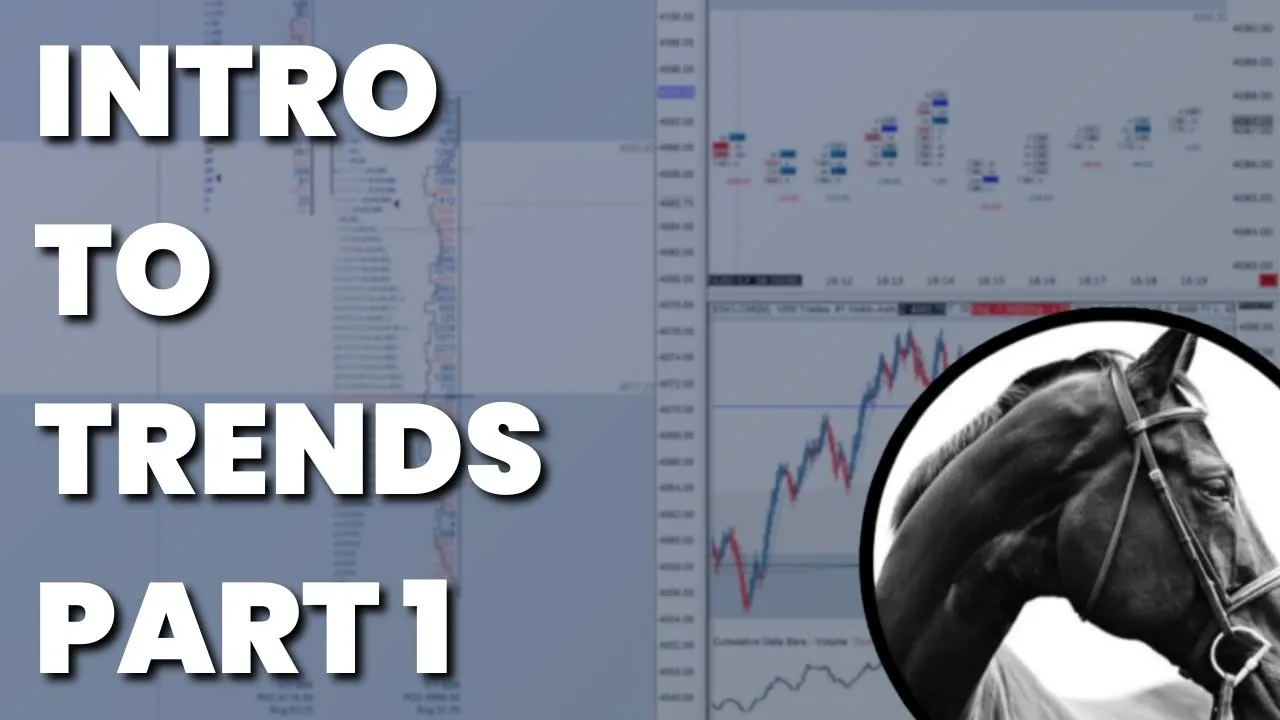
all right so back to environment types so we have two categories we can be in we can either be in a ranging environment or a trending environment and remember we have individual date types and individual date types are going to fall within one of these categories so trending environments right so the market is normally more often than not going to be in a ranging environment seventy percent of the time the market is going to be ranging or consolidating and from these consolidation periods we will have when we gain acceptance through them a period of expansion
where the market goes from consolidation to expansion back to consolidation so consolidation to expansion back to consolidation so when we're talking about a trending environment we're talking about this occurring over a long period in time so relative to the current structure obviously you know you could have a trending period on a five minute period you have a trending structure on a four hour chart right that could be within a ranging period on The Daily okay so keeping this in perspective relative to the current time frame or trading it is a behavior though and which is
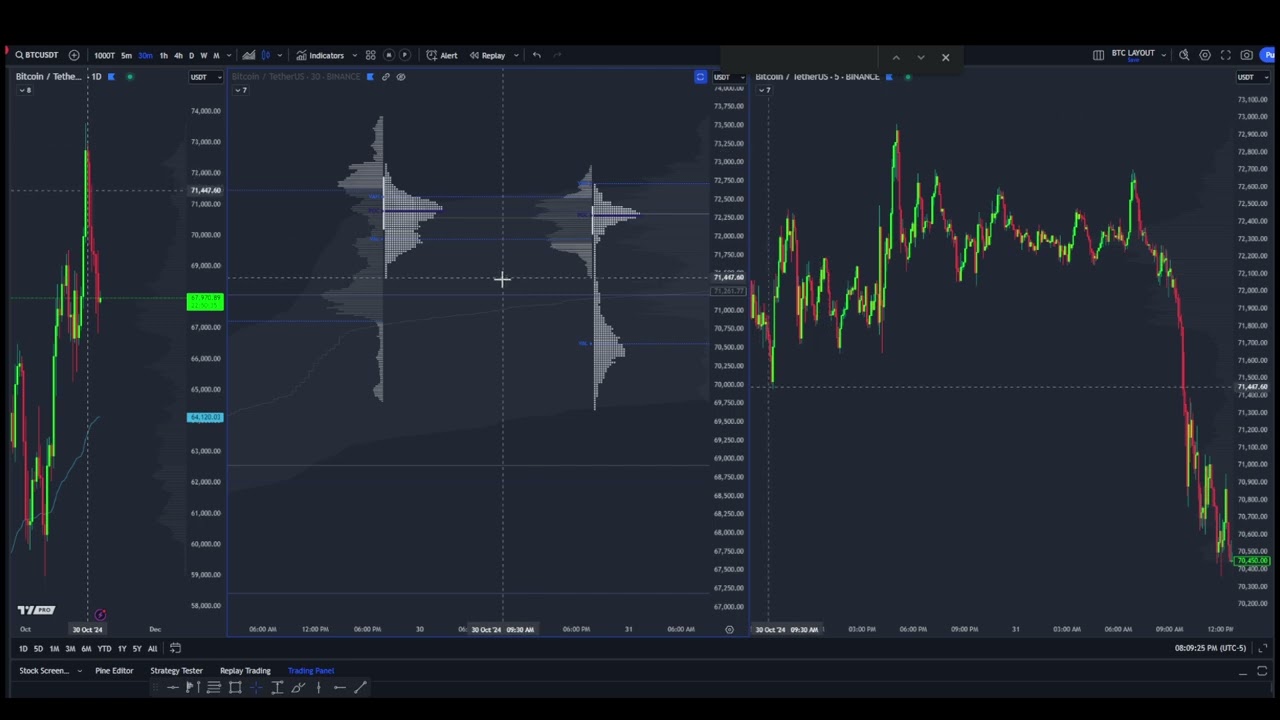
marked by certain characteristics that are the same across all time frames so trending environments are marked by imbalance so the market is in a state of imbalance so in a ranging environment in a consolidation in a bracketing environment value is isolated to a general area so over time value is not really doing much migration it is spending most of its time within a given price range and there is a relative period of balance so if we focus on this area right here while this is not exactly it might not immediately look like a balance structure
picture from an individual standpoint over the course of these five days we are pretty balanced within this range okay so trending environment a trending structure a trending environment whether we're looking at keep in mind we're looking at something like this we're not just looking at this a trending environment is marked by imbalance took me a second to get that out it's marked by imbalance it's marked by a lack of symmetry so we're not spending too much time in any one area we have more conviction in One Direction now everyone's familiar with this we know what
a trend environment is if you study you know if you study Market structure if you study anything with regards to the basics you know what a trend looks like but what we look for is as I said value migration so specifically in a trending environment value is going to be redetermined at new levels so it's constantly going to be re-established at a new level so if we are in let's say a balanced environment what we have is a meaner version within this value area where buyers and sellers are in relative agreement if we try to
break this level and we're unable to confirm these new prices price comes back down to the average right the value the average area of price movement is staying the same over time as prices broke above or even if prices break below there's no increase in participation by one side to try to pull this to the low or pull this to the high it begins to drop off and we get again we get this meaner version Behavior So within a trending structure we have the opposite we have value that has been accepted at new levels so
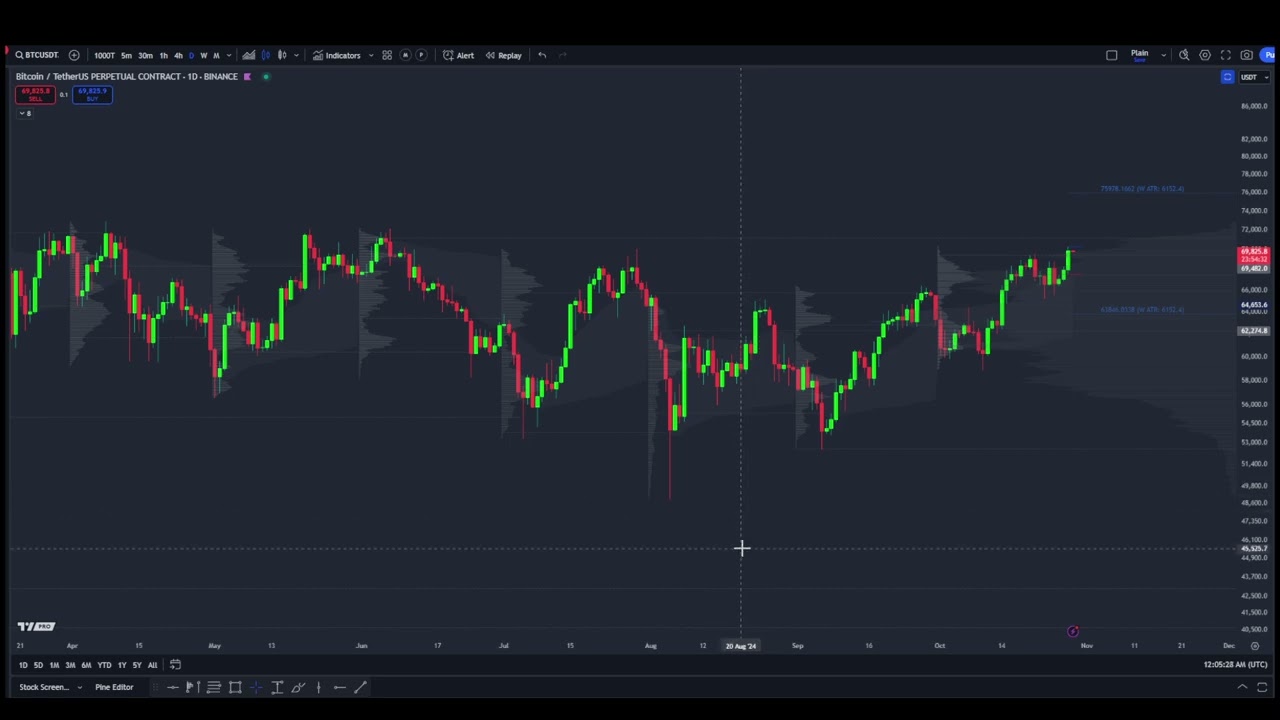
if we have a composite that is formed within this structure for example we have a composite from here and we see that this is really just a larger range that is a lot more balanced so now it looks balanced now you see that balance I was talking about a trending structure means that we have been accepted outside of this level and the value is being redetermined at a new level that it has not been before so if we open the structure again we see there is a lot of overlap in this range and now finally
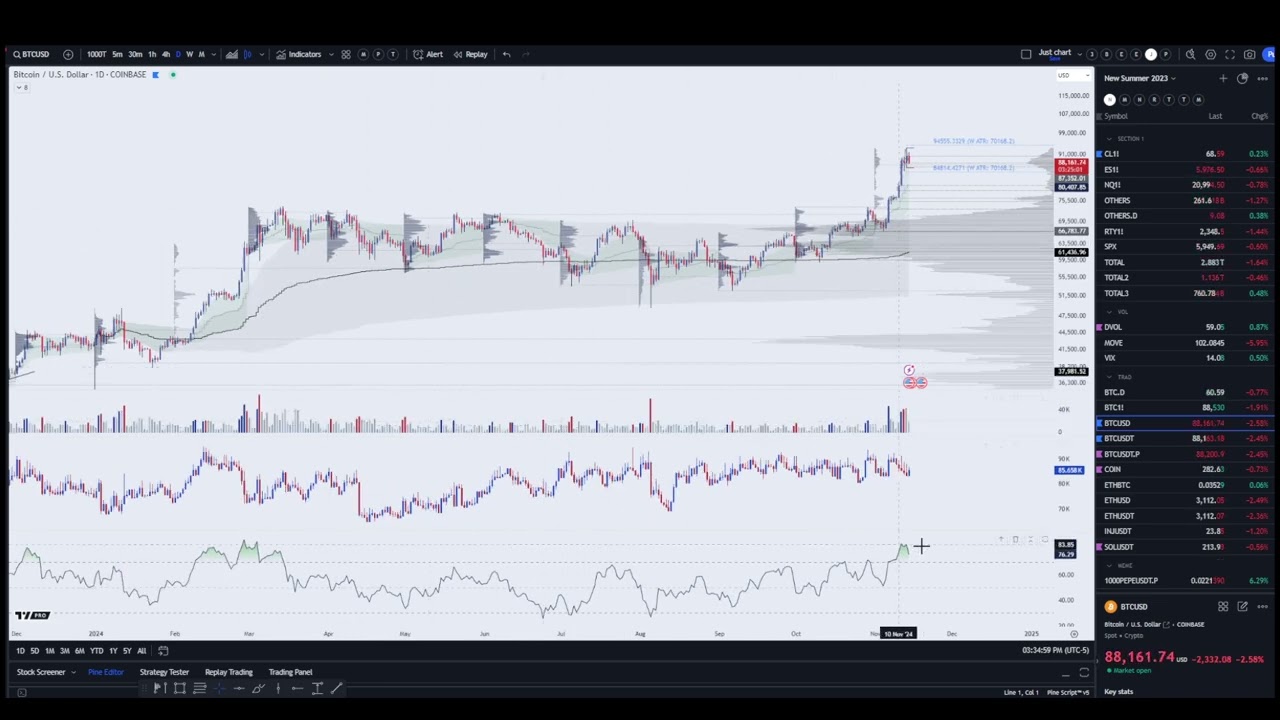
we have value migrating to newer levels in this case it's migrating North and this is what is a characteristic of a training environment when you have value that over time is Shifting it is either increasing or it is decreasing there is a more one-sidedness to this market so when we go into specifically the concept of rotation Factor we'll talk about how aggressive the market is towards the highs and this is confirming the move upward we could look at something like the level of expansion with regards to the value area that it is increasing over time
as much as it is also changing in terms of price levels so we see that this value area these value areas are increasing over time the volume is increasing as well you can see that the point of control is going up as well with this trend and then finally we have a big move in which value is completely redetermined at new levels so volume should be in favor of the impulsive move and drop during the pullbacks okay so we want to see in an uptrend that you know as you've probably gone over with candlesticks that
in the move up in this large expansive move where you have value occurring over a greater range that volume is confirming this so volume again shifting up with the structure most of the participation being towards the high and then in the pullbacks we want to see that volume begins to drop off okay so we want to still see that even if this temporary balance is that we get a more aggressive move that continues upward where we have this value migration so we want to look for the same things and remember this is just sort of
the 101 video on this we want to look for the same things that we would look for uh in a ranging environment during a trending environment so in the pullback we want to see that there is a level of absorption that's obvious so if there's aggressive selling here we want to see that it does nothing to move prices further down and then we want to see a shift of momentum out of this level from in this case selling to an increase in buying momentum again and again that follow-through and volume but the most important thing
just to understand a trending environment is that there is this value migration okay in a ranging environment so in this micro range right here or even if we pull over to another range within this structure something like this what you have is you have a ton of overlap okay this is a very balanced structure all right this is a market that is ranging this is a market that is bracketed it has very defined highs and lows it has a very defined value area we only begin to shift when value is accepted at new levels okay
just think about value as again being closer to that fair value where buyers and sellers are willing to do business whether doing the most business where they're in the most agreement so if we say that in this range that this is where they're agreeing the most well if suddenly we're having a lot more business that is done outside of this range well it looks like we're reevaluating at new prices and we'll likely have some level of continuation outside of this level so a training environment is marked by imbalance so the individual structures are going to
be these imbalanced structures to begin with so your impulsive move to begin is going to be an inbound structure there'll be a lack of symmetry so a structure like this lacks symmetry move like this LAX symmetry it involves a lot more conviction in One Direction and it also occurs that rather what occurs is this value migration and by value migration I mean that the value areas are not confined to a specific range over time they are shifting and the level of strength that we'll get further into specifically with regards to the trend we could pick
up on this by paying attention to things such as how this value area is changing over time where this point of control has been or where this point of control is changing or rather how this point of control is changing meaning the level that it's at as well as where most of our participation is occurring within these structures so this is the basics of a trending environment