this is an artificially aware original production artificially aware so [Music] s what if I told you that you yes you are a conspiracy theorist not in the stereotypical sense clutching at UFO sightings and muttering about Bigfoot sightings but deep inside there's a part of your mind wired to ask what if the official story isn't the whole truth that's where Rob brotherton's Suspicious Minds hit me like a pixelated Sledgehammer I didn't stumble upon this book by design it practically left me from the digital abyss and let me tell you I couldn't look away this isn't a
story about weirdos with tinfoil hats no this is about you and me or at least the version of you that occasionally questions whether the moon landing really happened trust me we're all closer to the conspiracy theorist mindset than we'd like to admit conspiracies aren't born out of thin air they're born from unanswered questions that's the big reveal here Brotherton doesn't just talk about crazy theories like 911 being an inside job or Elvis flipping burgers in Kentucky he's telling us why these stories exist when events feel too big too tragic or too chaotic the human mind
Rebels against Randomness it searches for something anything to make it all makes sense maybe Al-Qaeda alone wasn't enough maybe there's a deeper reason the Twin Towers fell the absence of concrete answers that's fertile soil for conspiracies to grow and once the seed is planted it spreads like wildfire through conversations message boards and your own doubts that little voice that wonders what if the government needed a reason to go to war yeah that voice is just the beginning conspiracy theories aren't just an internet era epidemic they're ancient literally take a stroll through 64 ad when Nero's
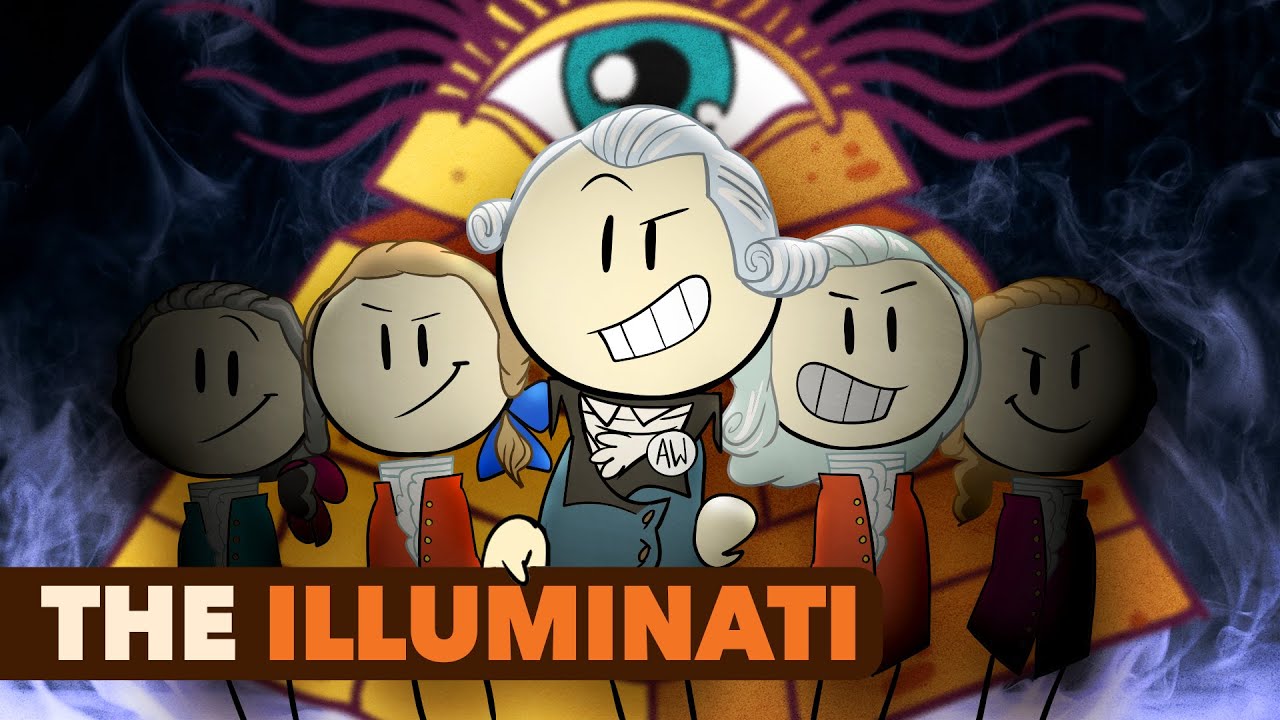
Rome went up in flames and the first Whispers of conspiracy echoed through the streets did Nero burn down the city himself back then the idea that leader could engineer Destruction for personal gain wasn't far-fetched it was almost expected fast forward to the 1700s and you meet the [Music] Illuminati they started as a secret society of philosophers in Bavaria yet despite being shut down quickly the legend persisted mutating into the belief that they control everything from global politics to Jay-Z's music videos and just like that conspiracies hop from one century to another dragging their dark legacies
behind them the internet didn't create conspiracy theories it just gave them a megaphone but don't let yourself think conspiracies are just harmless chatter in online forums these stories can kill they've been used to justify Horrors throughout history take the black death in Medieval Europe for example a mysterious plague wipes out more than half the population and people demand answers enter the scapegoat the Jews the result thousands of innocent people were burned alive or hanged because conspiracy theorists spread the lie that Jewish communities had poisoned the water it wasn't just ignorance it was paranoia weaponized fast
forward to the 20th century and we see the same pattern play out again with the protocols of the Elders of Zion a conspiracy that directly contributed to anti-Semitism and ultimately the Holocaust conspiracy theories don't just exist they metastasize with devastating consequences here's where it gets really wild once you believe one conspiracy theory it's like opening a Floodgate Brotherton explains that the conspiracy mindset works like a snowball one Theory inevitably leads to another even if they contradict each other for instance some people believe that Osama bin Laden died of natural causes right after 9/11 While others
think the CIA has him hidden somewhere in Washington DC and somehow Believers are often willing to accept both that's the trick of it once you've cracked the shell of doubt you start questioning everything the rules of logic out the window it is like collecting puzzle pieces from different boxes and insisting that somehow they all fit together the reason conspiracy theories stick isn't just because people want answers they stick because they follow great storytelling templates think about it we love stories where a lone hero stands against dark Forces it is Harry Potter versus Voldemort Luke Skywalker
versus Darth Vader small underdogs battling overwhelming evil conspiracies tap into that same narrative itch in these stories it is not just that bad things happen they happen because powerful hidden forces are pulling the strings and guess what the conspiracy theorist becomes the hero of the tale the one who sees the truth and fights the system whether it's exposing the Illuminati or debunking the moon landing the theorist feels like the protagonist in a thriller racing against time to wake up the world it's addictive who wouldn't want to be the hero uncovering the biggest secret of all
time our brains are wired to reject Randomness coincidence doesn't sit well with us when something big and tragic happens like a plane crash or an assassination we refuse to believe it was just bad luck or a freak accident no there must be a reason a hidden hand behind the scenes orchestrating events after all if the cause doesn't match the enormity of the event it feels Hollow this is how conspiracy theories Thrive by filling the gap between what happened and what feels right they offer meaning where Randomness offers none the plane didn't just malfunction it was
taken down the president wasn't just assassinated by a lone wolf it was a plot involving the CIA the mob or Worse conspiracies exist because humans are pattern hungry animals when the world gets messy we Scramble for a story to make sense of it all and once you buy into a conspiracy theory it's nearly impossible to unbelieve it Brotherton walks us through the psychology behind this confirmation bias the tendency to interpret new information in ways that support your pre-existing beliefs have you ever argued with someone who thought 911 was an inside job no matter how many
facts you throw at them they find a way to twist every bit of evidence into something that fits their Theory this isn't just stubbornness it's how human brains work when we believe something we want to keep believing it and we'll do mental gymnastics to make sure no inconvenient facts ruin the narrative we've already bought into and here's the scary part part this tendency isn't exclusive to conspiracy theorists we all do it it's just that some of us do it with slightly less dramatic material paranoia my friends is the glue that holds every conspiracy theory together
and let's not pretend paranoia isn't seductive Brotherton explains that at the core of most conspiracy theories is the belief that powerful Elites are hiding the truth from the rest of us the government corporations secret societies they are all out to deceive the public this is why conspiracies thrive in moments of Crisis or uncertainty when trust erodes whether it is in institutions politicians or scientists paranoia fills the void even people who don't believe in full-blown conspiracies often feel something hugging at them have you ever felt uneasy as if someone might be watching or manipulating things behind
the scenes that little flicker of Doubt is all it takes to start spiraling down the rabbit hole and believe me the rabbit hole is bottomless you know what's funny conspiracy theorists don't match the stereotypes we've who' been spoonfed they're not all loners or social outcasts in fact most of us flirt with conspiratorial thinking now and then brotherton's research shows that conspiracies Thrive among everyday people not just the guy ranting in a dark corner of the internet ever wondered why the government keeps certain files classified or question the motives behind a pharmaceutical company pushing a new
drug those tiny suspicions make you part of the club no tinfoil hats required the truth is conspiratorial thinking is an everyday occurrence and in a world of misinformation it's getting harder and harder to tell when we're crossing the line from healthy skepticism to outright paranoia and let's be honest how sure are you that the line even exists here's where things get dangerous conspiracy theories offer easy answers to hard questions when life gets complicated and let's face it it's almost always complicated conspiracy theories swoop in with explanations that fit neatly into a good versus evil framework
instead of grappling with economic collapse political chaos or the messy reality of pandemics the Mind latches onto a simple story this was all planned global mobal Elites corrupt governments shadowy societies they're the ones behind it all these stories are comforting because they make sense of the senseless the messiness of Life collapses into a story of control the appeal isn't necessarily that these theories are true it's that they provide Clarity after all isn't it easier to believe there's a villain behind every disaster than to accept that chaos just happens once you're hooked it's a one-way ticket
down the rabbit hole the problem with conspiracy thinking is that it doesn't leave room for escape every new piece of evidence every rebuttal or counterargument only serves to confirm the original belief it's like playing chess against an opponent who moves the goal posts every time you get close to winning theories evolve twist and double back on themselves you start questioning everything not just the big conspiracies but the little things too is the news fake are your friends secretly working for the government once doubt takes root it grows the world becomes a web of deception where
everyone accept you as either ignorant or complicit and the more people try to convince you otherwise the deeper you burrow into your beliefs brotherton's biggest bombshell is this everyone has the capacity for conspiracy thinking the dividing line between a skeptic and a conspiracy theorist isn't as clear-cut as we'd like to think you don't have to believe in lizard people or Flat Earth to slip into conspiratorial thinking even casual doubts like questioning why politicians behave the way they do tap into the same psychological mechanisms if you've ever felt suspicious about election results Health guidelines or scientific
data you've already flirted with conspiracy territory and that's the scary part it's not Us Versus Them the difference between mainstream thought and full-blown conspiracy belief is often just a matter of degrees your already standing on the edge whether you realize it or not so what's the takeaway are we all doomed to fall for some form of conspiracy thinking not necessarily Brotherton isn't suggesting we all become paranoid messes forever doubting everything around us what he's offering is a way to think critically he challenges us to embrace ambiguity and resist the lure of oversimplified answers the truth
is not everything has a neat conclusion some events will remain Mysteries and that's okay the real power lies in recognizing when your brain starts filling in gaps with conspiracy narratives and resisting the urge to jump to conclusions it's about holding space for uncertainty even when that space feels uncomfortable because honestly discomfort is a lot healthier than delusion in the end Suspicious Minds isn't just a book about the weird world of conspiracy theories it's a mirror held up to The Human Condition we are all looking for meaning craving answers and terrified of Randomness conspiracies offer easy
solutions in a world full of comp licated problems but they also trap us in Loops of doubt and distrust so here's my challenge to you the next time a conspiracy theory crosses your path whether it's online or in a conversation pause ask yourself what's the Comfort I'm looking for here and then decide if you want to live in a world of Shadows and Whispers or if you can Brave the uncertainty it's not easy but hey the truth truth never is thanks for sticking with me fellow Travelers until next time stay sharp stay skeptical and don't
let the red threads tangle you up if this gave you something to think about hit that like button and subscribe because who knows what truths will uncover next [Music] n [Music]