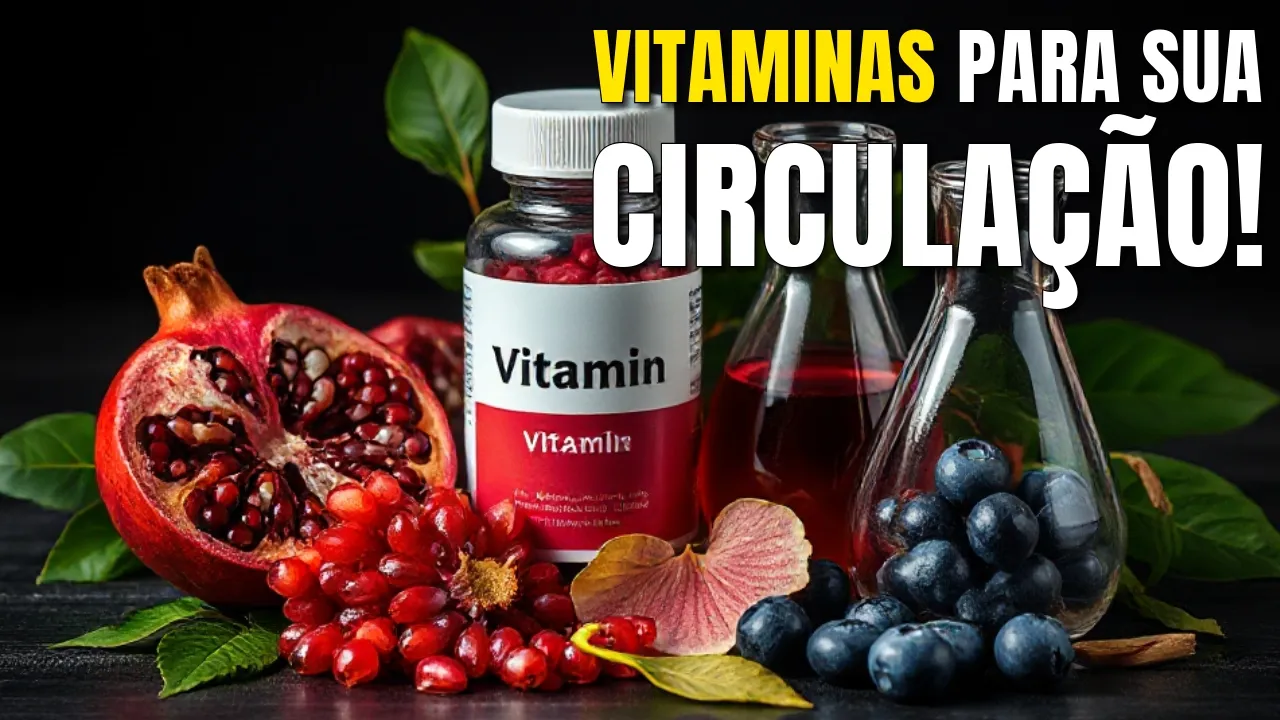
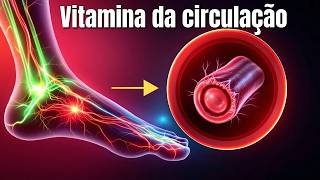
Do you feel pain, swelling or tiredness in your legs and feet at the end of the day? This could be a sign of poor circulation. But did you know that the solution could be replacing some vitamins?
Many people think that poor circulation in the legs can only be resolved with medication or surgery. But what if I told you that the right vitamins could be the key to permanent improvement ? And what's more, there is a food that contains all these necessary vitamins.
Hello, welcome to the Instituto Amato channel. I am Dr Alexandre Amato. As a vascular surgeon, I want to talk to you about a very important topic for the health of your legs and feet.
Vitamins that can improve circulation. Every day, I see at least 3 people here in my office with these problems. It's something simple, but it can help a lot to keep our blood vessels healthy.
Did you know that small changes to your diet can make a big difference to the circulation in your legs and feet? I have selected 6 essential vitamins for your health and quality of life, especially vascular health. And what's more, I'll tell you which food has them all.
Shall we find out together? Let's start by talking about vitamin C. Everyone has heard of vitamin C as the one that strengthens the immune system, right?
But what you may not know is that it also plays a crucial role in collagen production. And collagen is not only important for making your skin beautiful and preventing aging. It is essential for keeping the blood vessel walls strong and healthy.
It's like the cement between the cells. Some common foods in which this vitamin can be found are oranges, peppers, broccoli, lemon. Here in Brazil, we have the acerola.
Acerola has a much higher amount of vitamin C than oranges. Few people know that this small fruit can provide more than 10x the amount of vitamin C in an orange. I'm sure you know of some other fruit or other source of vitamin C in your area that I don't.
Tell me below in the comments. And you know what's most interesting? A recent study published in the Journal of Vascular Health showed that people who maintain good levels of vitamin C in their diet have better vascular elasticity, which is essential to avoid problems such as varicose veins.
In other words, vitamin C protects the vascular endothelium. But that's not all. Vitamin C has a good side effect.
It increases the absorption of the next essential mineral, iron. Now let's move on to one of the most important micronutrients for our health, iron. This mineral is essential for our body, as it is fundamental in the production of hemoglobin, the protein present in red blood cells that transports oxygen in our body.
What many people don't know is that iron also plays a crucial role in vascular health. When iron levels are low, the body has difficulty delivering oxygen to the tissues, which can cause symptoms such as tiredness, lack of energy and, in more serious cases, even circulatory problems. Maintaining adequate iron levels is especially important for people who suffer from circulation problems, as it contributes to the oxygenation of muscles and tissues.
Additionally, recent studies indicate that iron deficiency may worsen conditions such as peripheral arterial disease. Therefore, consuming foods rich in iron, such as red meat, spinach, beans and lentils, can help improve circulation and avoid the most serious complications. Pumpkin seeds are surprisingly rich in iron, a great option for those who want to increase their iron levels without resorting to red meat, but be careful, coffee can inhibit the absorption of iron from vegetables.
Now let's talk about vitamin E. It is a powerful antioxidant that protects cells from oxidative stress, a big villain when we talk about poor circulation. Furthermore, vitamin E helps to dilate blood vessels, facilitating blood flow.
Common sources of vitamin E include almonds, sunflower seeds and spinach. A little-known food, but very rich in vitamin E, is wheat germ oil, which is theoretically gluten-free. It is one of the best sources of vitamin E and can be easily added to salads or smoothies.
A recent study indicated that vitamin E supplementation can improve microcirculation in patients with vascular problems, meaning I recommend including these foods in your diet. Now, I want to hear from you, which of these foods do you eat regularly? Comment below, I'm curious to know.
I read all the comments. Let's move on to the next mineral. Let's talk about magnesium.
Magnesium is an essential mineral for the body's overall health and plays a crucial role in vascular health. It helps relax blood vessels, facilitating circulation and preventing hardening of the arteries. Furthermore, magnesium regulates blood pressure, an important factor in preventing serious cardiovascular diseases, such as hypertension and atherosclerosis.
Recent studies indicate that maintaining adequate magnesium levels can improve endothelial function, which is the ability of blood vessels to dilate and contract efficiently. Furthermore, magnesium plays an important role in preventing muscle cramps, which is especially useful for those suffering from circulatory problems in the legs. Pure cocoa, not processed chocolate, is one of the best natural sources of magnesium.
A good excuse to include some cocoa in your daily diet. Be careful with sugar. The fifth vitamin I will cover is vitamin B3, also known as niacin.
It is essential for improving circulation and increasing the dilation of blood vessels. This facilitates blood flow and can even help alleviate symptoms of poor circulation, such as constant cold in the extremities. And what foods contain this vitamin?
Tuna, chicken and avocado are excellent sources of vitamin B3. Mushrooms, especially crimini or portobello mushrooms, are an unusual and powerful source of niacin and are delicious in many recipes. Additionally, niacin has been used in treatments to improve circulation in people with peripheral arterial diseases.
Last but not least, we have vitamin B6, also known as pyridoxine. It plays a crucial role in regulating homocysteine levels. An amino acid that, in excess, can damage the walls of blood vessels and increase the risk of cardiovascular disease.
Vitamin B6 also helps in the production of red blood cells, which directly contributes to better tissue oxygenation and blood circulation. Vitamin B6 can be found in foods such as chicken, fish, bananas, potatoes. In addition to being a great snack, pistachios are an unexpected source of vitamin B6.
Maintaining good levels of this vitamin is essential to protect cardiovascular health and help maintain healthy blood circulation. Now do you want to know the food that contains all these vitamins? Vitamin C, vitamin E, iron, magnesium, vitamin B3, vitamin B6?
I'll tell you! But first, so you don't miss any of the next tips on vascular health, click the bell and receive a notification whenever we post a new video. This food, with all these vitamins, does not exist in isolation, but it has a mix of nuts and seeds that comes very close.
These foods are often rich in a wide variety of vitamins and minerals. Just remember that they can also be very caloric. Well, now that you know the main vitamins that can improve circulation in your legs and feet, how about putting what we learned into practice?
But knowledge doesn't stop here, we have much more to improve its circulation here on the channel. Taking care of the health of your legs and feet means taking care of your quality of life. If you care about this, share this video and help other people live better too.
There's no point in thinking that you're going to add a mix of nuts and seeds, start taking the necessary vitamins and not do the minimum necessary for your body to function properly. You need to know more about specific exercises to improve circulation in your legs and feet and I invite you to watch the next video, where we talk exactly about this and I will teach you the easiest ones to do at home now.







![Are Your Arteries Clogged? Find Out Now With These 5 Simple Tests [Atherosclerosis]](https://img.youtube.com/vi/tfku6A0H4HA/mqdefault.jpg)