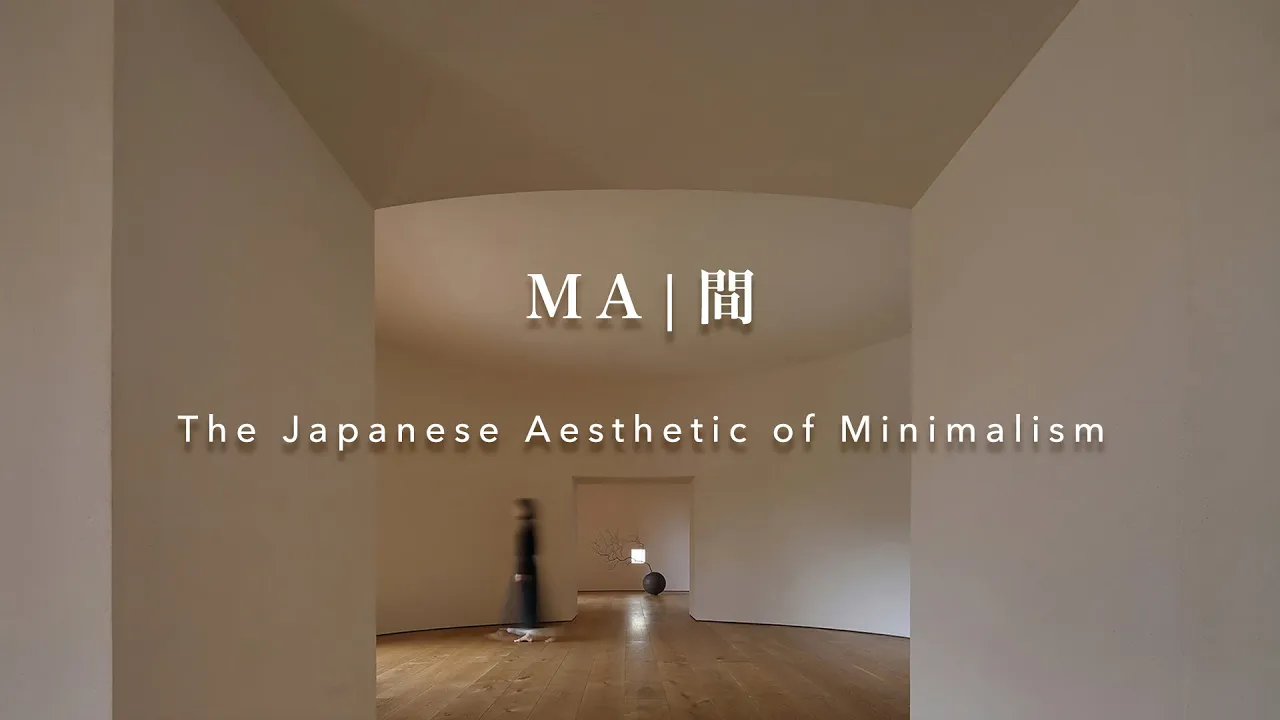
(Remember to turn on subtitles! ) The spaces between things often go unnoticed, yet they hold profound meaning. Think about the silence in music, the pauses in conversation, or the emptiness in art— what if these were just as important as the elements themselves?
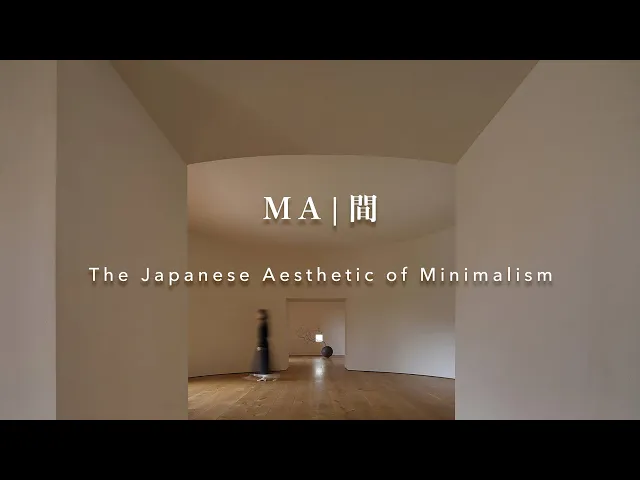
This idea captures the essence of Ma(間), a concept deeply rooted in Japanese culture. In this video, we’ll revisit the philosophy of "Ma" and explore how it shapes Japanese art, design, and everyday life, offering insights into mindfulness and intentional living. At its core, Ma is a Japanese concept that highlights the importance of space and intervals.
In English, it’s often translated as "negative space," "pause," or "emptiness. " However, these translations fall short of capturing its true depth and complexity. Ma is not simply the absence of something; it’s a meaningful presence that shapes and enhances everything around it.
It’s found in the gaps, the pauses, and the silences that allow life to breathe and flourish. The etymology of the character Ma reveals its essence. It combines the characters for "door" (門) and "sun" (日), creating an image of sunlight gently filtering through a door.
This imagery beautifully captures the concept of Ma, emphasizing the significance of openings and pauses in our lives— just as a door allows light and fresh air to flow into a space. Ma is also deeply connected to Buddhist concepts like "Mu" (無) and "Ku" (空), which teach that emptiness is abundant with potential. This perspective allows Japanese aesthetics to find beauty and meaning in what is absent or unfilled.
In Japanese culture, the absence of elements can elevate beauty. For example, in Ikebana, the art of Japanese flower arrangement, even a single flower carefully placed in harmony with surrounding space is considered beautiful. This idea aligns with the philosophy of "Wabi Sabi," which finds beauty in imperfection and incompleteness.
The notion that something lacking can amplify beauty is a distinctive feature of Japanese and broader Eastern aesthetics. Examples of Ma can be found throughout Japanese culture. Let’s take a closer look at how this concept comes to life in art, design, and daily living.
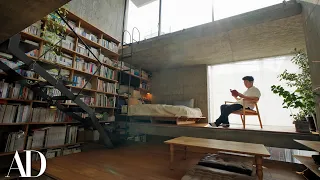
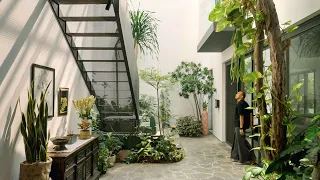
The concept of Ma is beautifully illustrated in Japanese architecture and interior design, where space is thoughtfully used to create balance and harmony. A perfect example of this can be seen in traditional tea houses, which emphasize simplicity and minimalism. These spaces are carefully crafted to evoke tranquility and mindfulness, featuring Shoji sliding doors and open floor plans that gracefully connect the indoors with the outdoors.
This fluid relationship between spaces reflects the essence of Ma, allowing the surrounding environment to breathe and interact with the structure. Within traditional Japanese interiors, the tokonoma stands out as a clear embodiment of Ma. This recessed alcove is designed to display art and objects of seasonal or cultural significance, such as a hanging scroll with calligraphy, a painting, ikebana, or pottery.
However, it is not just the objects that matter; the empty space around them is equally important. This deliberate use of emptiness creates a balance between presence and absence, enhancing the beauty and meaning of the display. Together, tea houses and the tokonoma showcase how Japanese design principles value space not as emptiness, but as an essential element that allows the surrounding forms to resonate more deeply.
This idea is also central to Ikebana, the traditional Japanese art of flower arrangement. Rooted in Zen Buddhism and closely connected to the tea ceremony, Ikebana reflects harmony between humanity and nature. In Ikebana, Ma teaches us to appreciate the beauty of restraint.
Rather than filling the arrangement with an abundance of flowers, each element is placed with intention, and the surrounding space amplifies its presence. For example, imagine a single curved branch extending outward, creating an open area that naturally draws your attention. On the opposite side, a small cluster of flowers balances the composition.
This open space isn’t just empty— it actively enhances the arrangement, adding depth and meaning. The balance isn’t just between the flowers but also with the space around them. The spaces in Ikebana evoke emotions and encourage reflection.
They invite us to pause and appreciate the quiet beauty of nature. By embracing Ma, Ikebana becomes more than just decoration— it transforms into an art form that is deeply expressive, meditative, and meaningful. If you’d like to explore this idea further, we’ve covered it in another video.
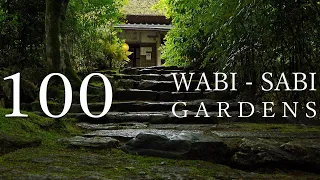
You can find the link in the description box below. Just as Ikebana uses Ma to create harmony and mindfulness, this concept is gracefully expressed in Japanese gardens, especially Zen gardens. These gardens rely on the thoughtful use of negative space to evoke stillness and contemplation.
Open areas of raked gravel or sand symbolize water or emptiness, encouraging viewers to use their imagination to fill the space and find meaning within it. The deliberate arrangement of rocks, plants, and pathways contrasts with the surrounding emptiness, emphasizing the balance between presence and absence. Each element is placed with care, ensuring that it interacts harmoniously with the space around it.
This interplay of form and emptiness reflects the essence of Ma, where what is left unsaid or unseen can be as powerful as what is present. In this way, Ma transforms Japanese gardens into a meditative journey, where emptiness becomes a source of peace and inspiration. We can also see Ma embodied in Japanese painting and calligraphy.
Notable artworks like Hasegawa Tohaku's Pine Trees screen and Ogata Korin's Irises screen demonstrate an "aesthetics of subtraction," where bold empty spaces emphasize the beauty of simplicity. In Pine Trees, the misty voids create a sense of depth and serenity, inviting viewers to imagine the hidden landscape. In Irises, the empty gold background contrasts with the vibrant flowers, drawing attention to their forms and highlighting their elegance.
In the Japanese art of calligraphy, Ma is reflected in the rhythm of the brushstrokes and the spaces between them. The pauses as the brush glides across the paper, and the open spaces surrounding the characters, are just as meaningful as the strokes themselves. These spaces create balance and harmony, giving each character room to breathe and resonate fully.
Through this balance of action and stillness, Ma gives calligraphy its unique rhythm and depth. As we’ve seen, Ma is deeply rooted in Japanese art and culture, but some aspects of it can be challenging to express visually. For instance, in Noh theater, actors are trained to understand that the pauses between vocal lines— the moments where they take a breath— are often more significant than the spoken lines themselves.
Similarly, in traditional Japanese dance, the still moments hold the greatest importance. In the tea ceremony, this concept comes to life in the pauses between actions. The focus isn’t on the movements themselves but on the mindfulness and intention during those intervals.
Ma is an intentional space filled with meaning, and it becomes truly alive when it is perceived and appreciated by others. Even modern minimalist design reflects the essence of Ma, valuing what is left out as much as what is included. Japanese architect and designer Kurokawa Masayuki offers insightful perspectives on Ma, emphasizing that it enhances how we experience time, space, and even relationships.
He believes the essence of Ma lies in the details. If we view people or objects from a purely macro perspective, the subtleties of Ma become impossible to perceive. Whether in a painting, a garden, or a conversation, Ma teaches us to slow down and appreciate the harmony within the spaces in between.
It reminds us that balance, simplicity, and quiet can be just as powerful as action and noise. In art, design, or daily life, Ma offers a way to reconnect with the beauty of stillness and the richness of what is unsaid or unseen. Have you noticed Ma in your surroundings?
Share your experience with us— we hope it inspires you to look at the spaces in your life a little differently. If you’d like to explore these or other art topics further, don't forget to check out the links in the description. Thank you for watching!
If you enjoyed this video, don’t forget to like, comment, and subscribe.