have you ever forgotten something very important such as an appointment a password or the name of that friend from college I'm sure you've worried about the possibility of losing your memory haven't you and for good reason there's an exponential increase in neurological diseases like dementia Alzheimer's Parkinson's and ALS over 55 million people are living with demure today and the forecast is to reach at least 150 million in less than 30 years to give you an idea there is one new person diagnosed with dementia every 3 seconds what measures can we take to protect our brain
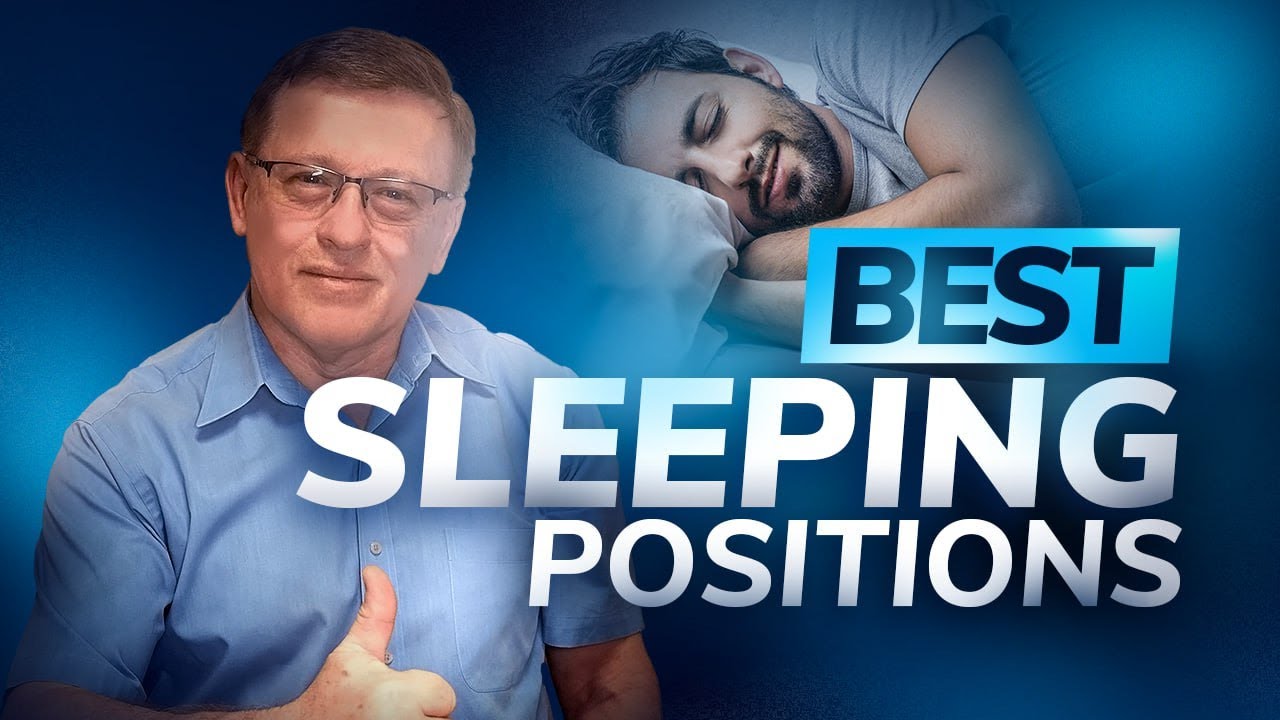
health what if I told you that something as simple as the position you sleep in could make a difference today's video topic sleeping position can change your life and protect your memory against dementia and neurological problems and I'll spoil it for you it's very easy to do but before that go ahead and like the vide subscribe to the channel if you haven't already and activate the Bell so you don't miss the notifications of our upcoming content and of course share it with your friends family and acquaintances many people face memory loss and diseases and I'm
sure you want to protect a loved one so spread the word and tell me have you been losing your memory do you sleep well which part of the world are you from right down below revealed sleeping on the right side will change your life life and may clean your brain let's go why is there a huge increase in neurological diseases recently some things are clear population aging Lifestyle Changes people have become more sedentary are eating worse there's chronic stress on everyone your boss is sending messages on Whatsapp people can find you at any hour life's
Pace has accelerated we're sleeping less and worse and there's been a significant increase in diseases like diabetes and hypertension that damage the brain but that's not all environmental toxins like pesticides people throw a bunch of neurotoxic agents to kill bugs and it ends up in the water we breathe it in or we eat it and it can increase Parkinson's just opening a parenthesis here the increase in Parkinson's is alarming a silent pandemic I made a Parkinson's video I want you to watch it I'll leave the link at the end and also heavy Metals eat fish
every day and you'll be contaminated with Mercury also air pollution it's tough right it's amazing how resilient our body is how can covid affect the brain and then there was covid right that everyone caught what does covid infection cause in the brain what we know about the short and long-term effects on brain function includes memory loss worsening attention language and communication problems reduced mental processing speed difficulty making decisions learning new things and research shows that covid prematurely ages the brain due to inflammation of the nervous system accelerating the process of dementia triggering genes that were
dormant so if you forgot your phone or Bank password calm down what is dementia dementia is a syndrome characterized by the loss of brain functions such as memory language attention and reasoning this loss significantly interferes with the ability to perform daily activities Alzheimer's disease is the most common cause of dementias accounting for about 70% of cases and yes dementia is a global public health problem that requires immediate attention and action it doesn't just affect the person it affects the whole family and can be devastating and sad I have a patient who was extremely intelligent a
professor at us and B discussed all subjects and current affairs with me and today is just a shadow of that person if I who have been her doctor for 10 years already feel so much when I see her today imagine the relatives who have to live with this day after day it's a great stress a suffering for the caregivers the problem is that the medications we have today are palliative they can't really stop the disease the brain continues to worsen over time in the United States two new drugs came out that created some hope but
they are very expensive the price is like a house per year and with a certain risk of brain edema but they can hold the disease we have to wait for the medications to become cheaper because today they are still inaccessible you might say yeah I have memory loss and with this talk I'm getting even more nervous calm down there are differences between normal memory loss and dementia what are they memory loss versus dementia unveiling the differences forgetting where you left your keys is normal we all experience memory lapses from time to time but when these
forgetfulness become frequent and interfere with your daily life they may be a sign of something more serious normal memory loss involves occasional forgetfulness of names dates or recent events difficulty remembering where you placed objects memory that improves with clues or reminders why does this happen the main reason is distraction when we are distracted our brain isn't focused on storing new information this can lead to frequent forgetfulness but chronic stress can harm the hippocampus if we don't pay enough attention to what we're learning or if we don't associate it with other stored information the memory will
be weaker and prone to being forgotten and if you forgot the name of your college friend whom you haven't seen in 40 years over time memories become less accessible if they are not used or reinforced it's as if that road leading to the memory Fades becomes weak on the other hand dementia is persistent and Progressive memory loss what is memory loss like in dementia the person has difficulty learning new things but I'll open a parenthesis here it's not impossible for them to learn new things it's also a associated with changes in personality behavior and mood
and difficulty performing tasks that were once simple I'll give examples who hasn't forgotten where they parked their car that's normal memory loss now forgetting how to drive is dementia forgetting the name of a friend you haven't seen in a long time normal memory loss having difficulty recognizing familiar people dementia it's important to remember that dementia is not a normal part of aging if you're concerned about your memory or someone you knows memory consult a doctor for a complete evaluation this video is important for you to recognize but it's good to see a specialist early diagnosis
of dementia is important for treatment and disease management and there are many types of dementia each with its own symptoms and look most people who have age related memory loss do not have dementia and there are many things you can do to keep your brain healthy and reduce the risk of dementia what can we do to reduce the risk of dementia what are they I'll ask you eight questions grab a paper and Pen there answer yes or no first question one do you eat healthily with lots of fruits vegetables and whole grains yes or no
if not you're new to the channel and make sure to subscribe two do you exercise Reg regularly at least 30 minutes a day yes or no sedentary lifestyle increases the risk of dementia 3 do you have quality sleep sleeping at least 7 hours per night yes or no both sleeping too little or too much have a higher chance of dementia four do you keep your mind active reading doing crossword puzzles or learning something new even if it's on YouTube yes or no five do you manage stress with techniques like meditation or yoga or even keeping
a journal yes or no six do you have an active social life with friends and family yes or no social isolation increases the risk of heart attack stroke and dementia 7 do you have regular medical checkups and control diseases like diabetes hypertension arhythmia and cholesterol yes or no well it's very important all of them damage your brain eight do you avoid void smoking and excessive alcohol consumption yes or no add up your yes answers the more yes you answered the better the maximum score is eight if you scored eight congratulations maximum score but if you
scored five or less you need to change your lifestyle and quickly even if you're young it's by planting the right seeds that you'll Harvest a healthy brain down the line how can the position you sleep in interfere with your brain's Health how can the position you sleep in interfere with your brain first I have to explain the relationship between sleep and your brain function why is sleep important for the brain do you know all animals sleep experiments have shown that depriving animals of sleep can be fatal in a few days to weeks sleep is something
that the brain does for itself and for the good of the brain itself until 2012 see how recent this is we thought that the brain cleaned itself we thought that brain cells recycled all their waste in the rest of the body we have the lymphatic system to help remove excess fluid thus preventing swelling defending against infections filtering impurities cleaning dead cells bacteria and viruses it's our garbage collector but the brain seem not to have this lymphatic system big mistake when we sleep we activate this system of cleaning impurities in the brain it wasn't enough to
open the kadav it wasn't enough to look under the microscope nobody ever found it and that was exactly why it took so long to be located because it only works when we are sleeping this masked the existence of the glymphatic system in the rest of the body it's the lymphatic system in the brain it's glymphatic with the advancement of brain imaging technology with functional magnetic resonance researchers could see how the brain functioned while sleeping and that's when the lymphatic system was discovered imagine tunnels filled with fluid around the brain's blood vessels with each heartbeat the
blood pressure drives fluid through these tunnels cleaning the brain's waste so sleep is much more than just rest it activates this glymphatic system which will clean our brain that's why it's important to sleep well another reason right you don't want to end up with dementia right nor with other neurological diseases when we are awake these tunnels are deactivated more than 95% of the glymphatic flow is carried out when we sleep and without cleaning it can interfere with the communication between neurons and the accumulation of beta ameloid and ta proteins which are Hallmarks of Alzheimer's and
as I said 70% of dementias are Alzheimer's and see everything matches people who sleep less than 7 hours per night have a higher risk of developing diseases like Alzheimer's this may be because the lymphatic system doesn't have enough time to clean the brain waste accumulating beta amalo and Tow proteins and going further with aging we sleep less and our arteries Harden reducing the pulsation that drives the glymphatic system this may explain the link between hypertension and dementia how to keep the glymphatic system working well how to keep the glymphatic system working well asterisk sleep well
try to sleep at least 7 hours night asterisk keep blood pressure under control asterisk exercise physical exercise can improve blood flow and the function of the glymphatic system studies in mice have shown that physical exercise increases glymphatic clearance reducing the accumulation of proteins harmful to neurons asterisk and sleep the right way what's the right way is it face down is it on your back in the Supine position is it on the side and which side what's the best position to sleep in for more glymphatic flow in the brain the best position is sleeping on the
side and even better is on the right side I'll explain the sleeping position influences glymphatic flow mice sleep on their side which facilitates the drainage of blood from the Brain Research in humans found that sleeping on the right side seems to be more efficient for this drainage because the right jugular vein responsible for draining blood from the the head is more open in this position and as I said everything is interconnected people with neurodegenerative diseases like Alzheimer's tend to sleep more on their backs which may hinder glymphatic drainage and people without problems also tend to
spend most of their sleeping time on their side especially on the right side compared with on their backs or face down researchers discovered that about 72% of these people with dementia spent at least 2 hours per night on their backs compared with 37% of those with healthier brains raising the possibility that sleeping on the side might influence the elimination of toxic proteins for neurons if you sleep more on your stomach or back it would be interesting to train to sleep on your side but how do we train to sleep on the side one thing you
could do would be the tennis ball technique where you can wear a shirt with a pocket inside out with with a tennis ball in the pocket to prevent you from Rolling onto your back of course this research is still in its infancy and a definitive causal relationship between the way of sleeping and Dementia or avoiding dementia has not been established or if sleeping on the side can prevent dementia there is still much to be researched about the glymphatic system and the relationship between sleep and neurodegenerative diseases like I said it was in 2012 that they
discovered the glimp atic system but since we have few real things we can do against dementia and neurodegenerative diseases in general also for example the glymphatic system can clean Alpha clean that is related to Parkinson's disease anything is valid especially if it's harmless won't do you harm and without any cost and that you can do right now remember sleep is an investment in your brain health prioritize your sleep and keep your brain functioning at full Capac it and you do you usually sleep on your side did you like the video remember to like and share
so that more people have this knowledge remember to subscribe to the channel and see you in the next video thank you very much