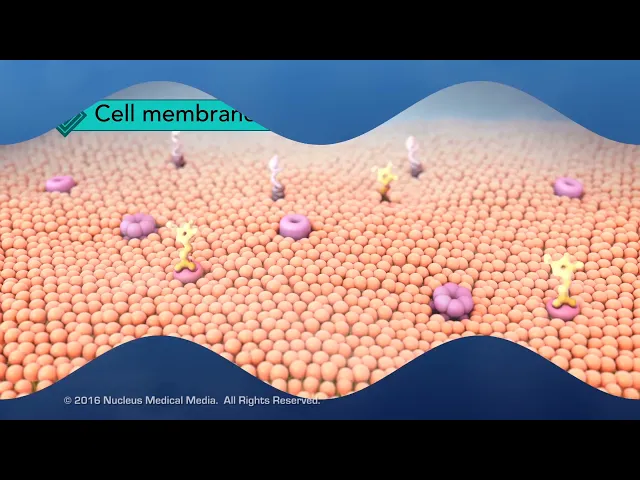
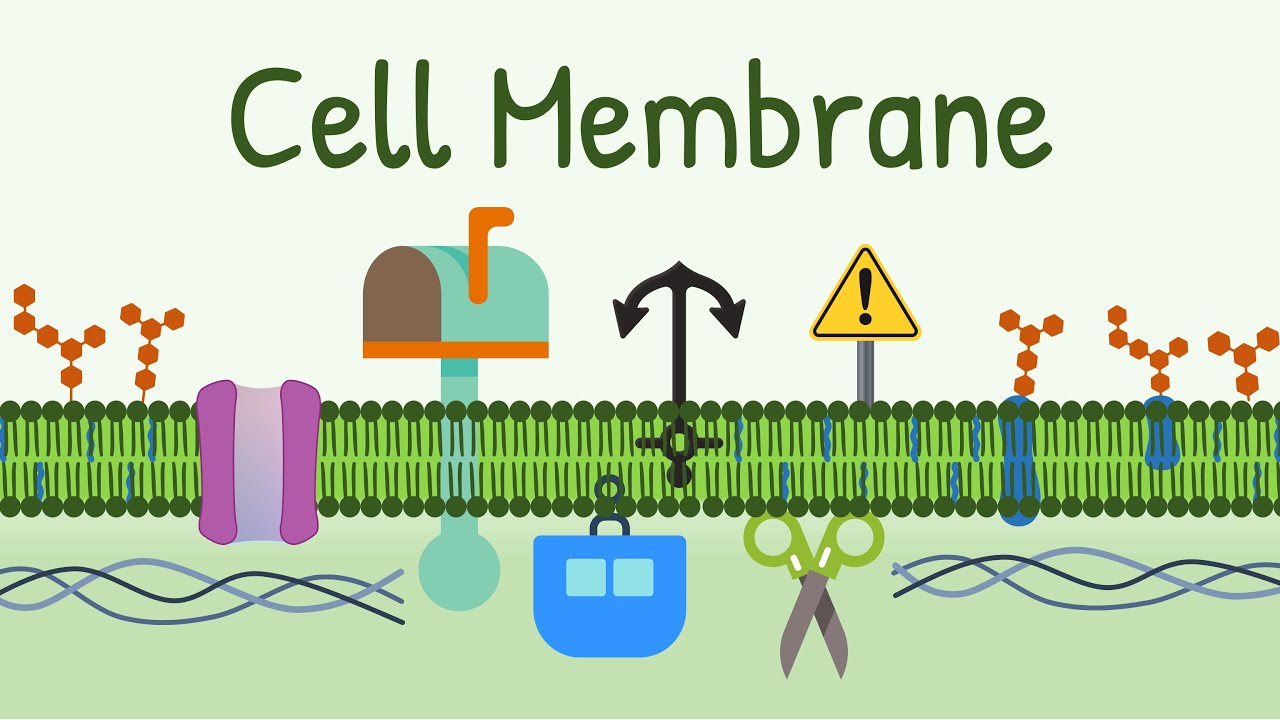
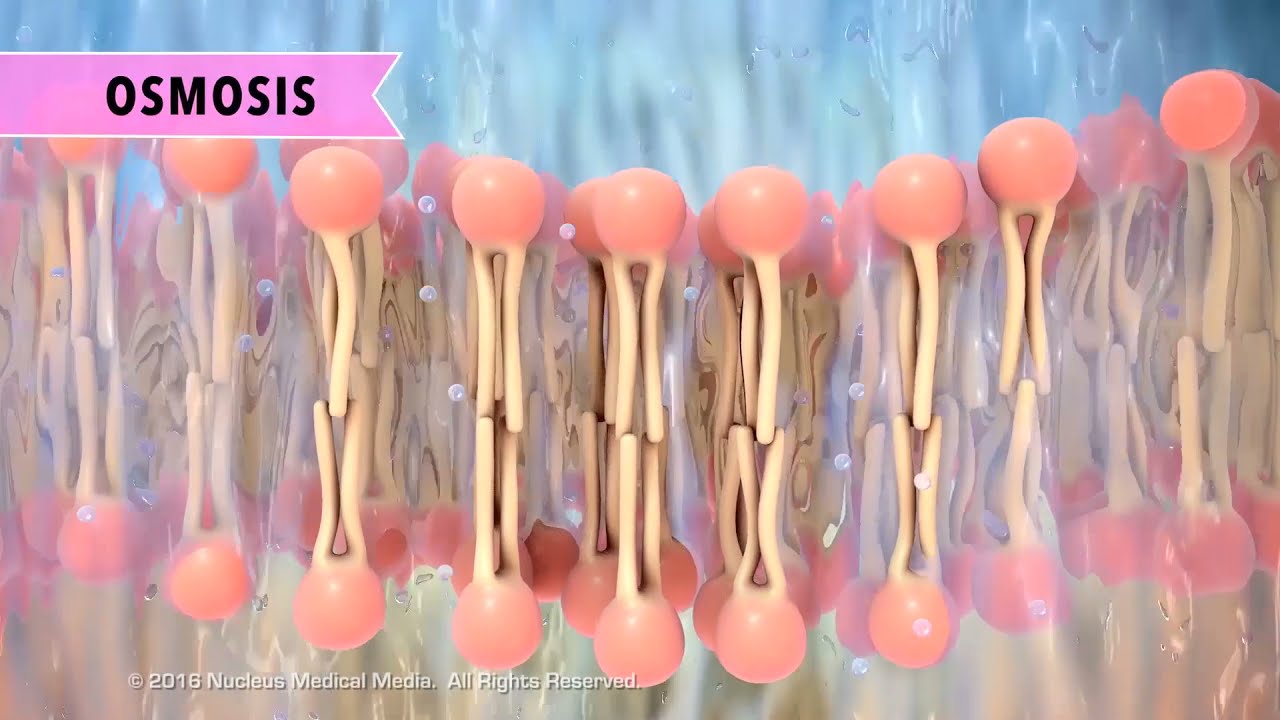
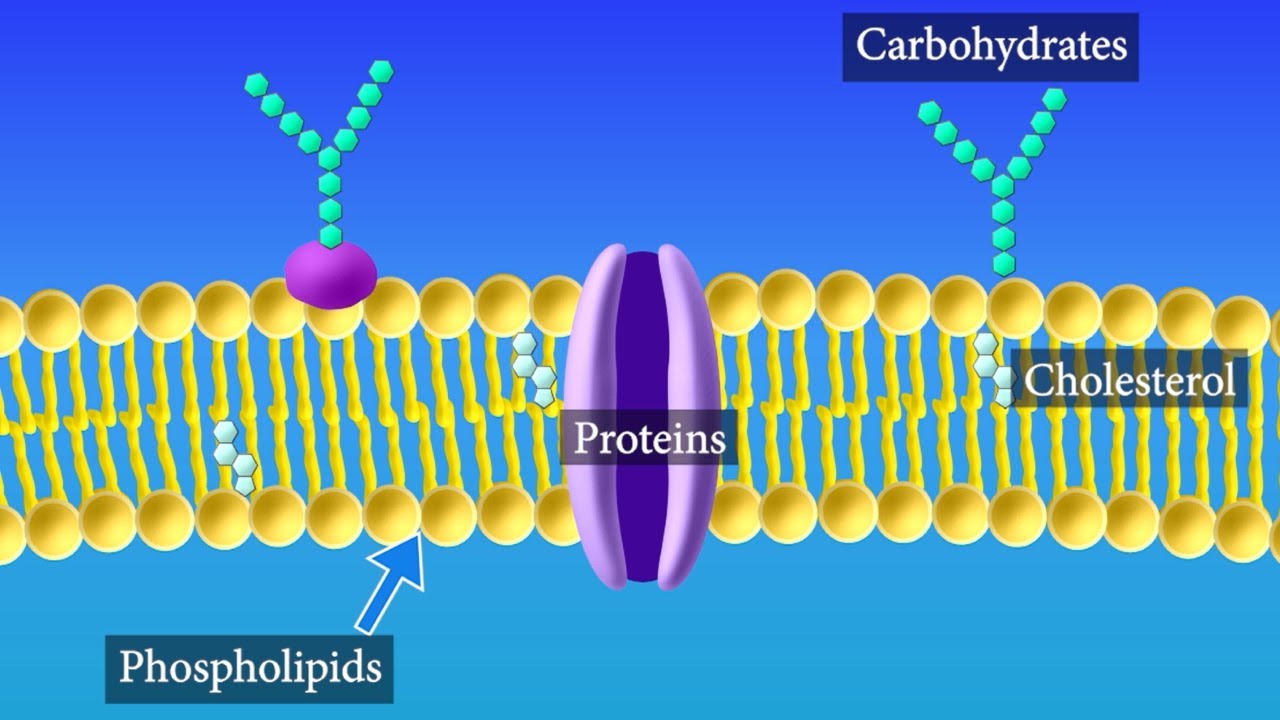
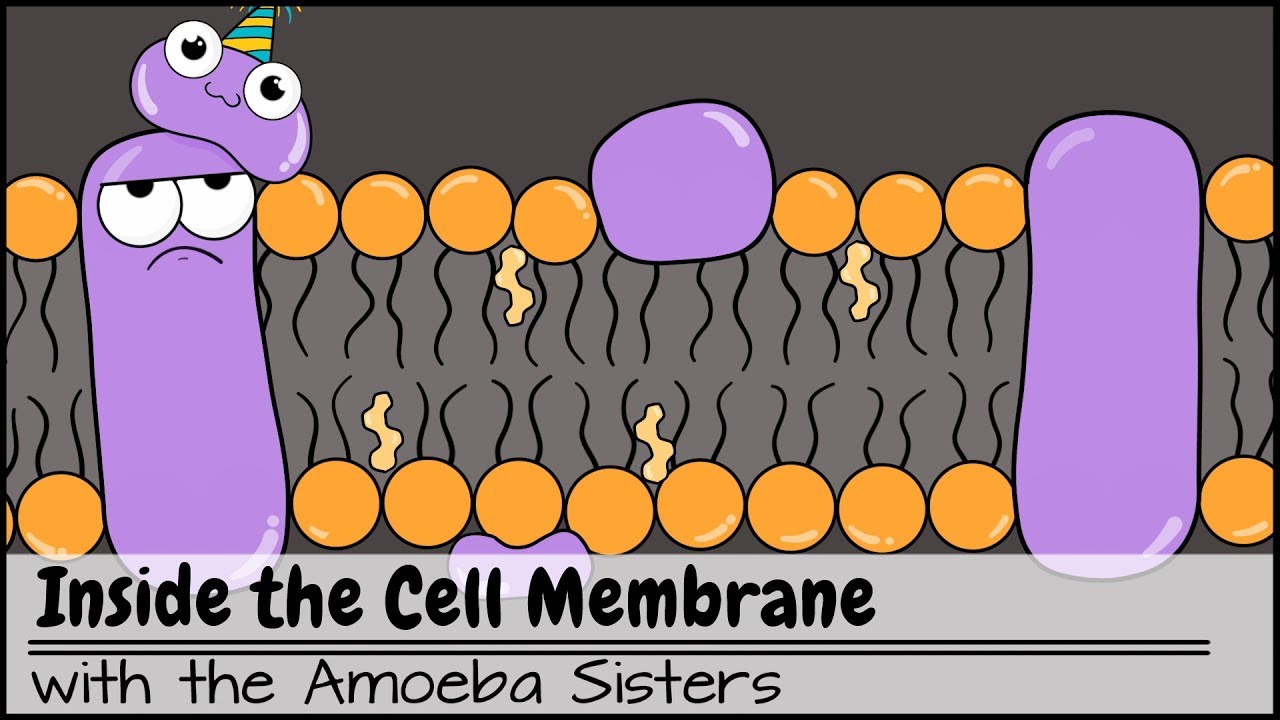
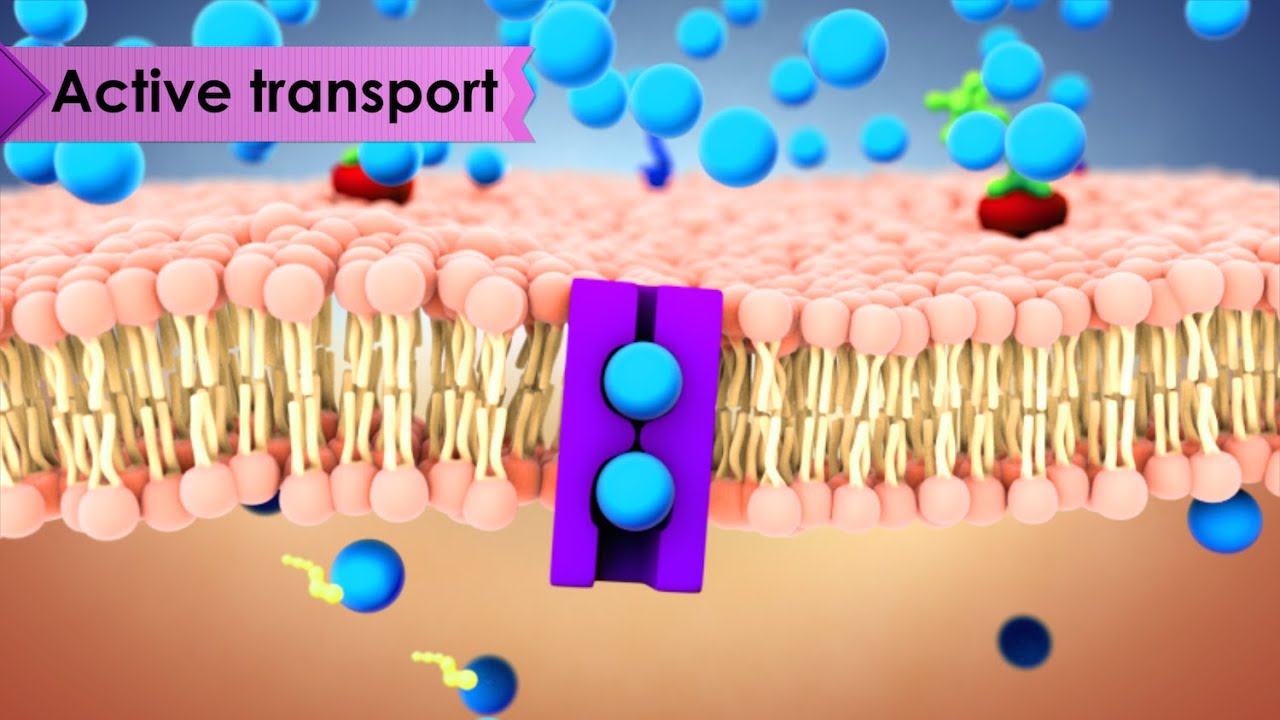
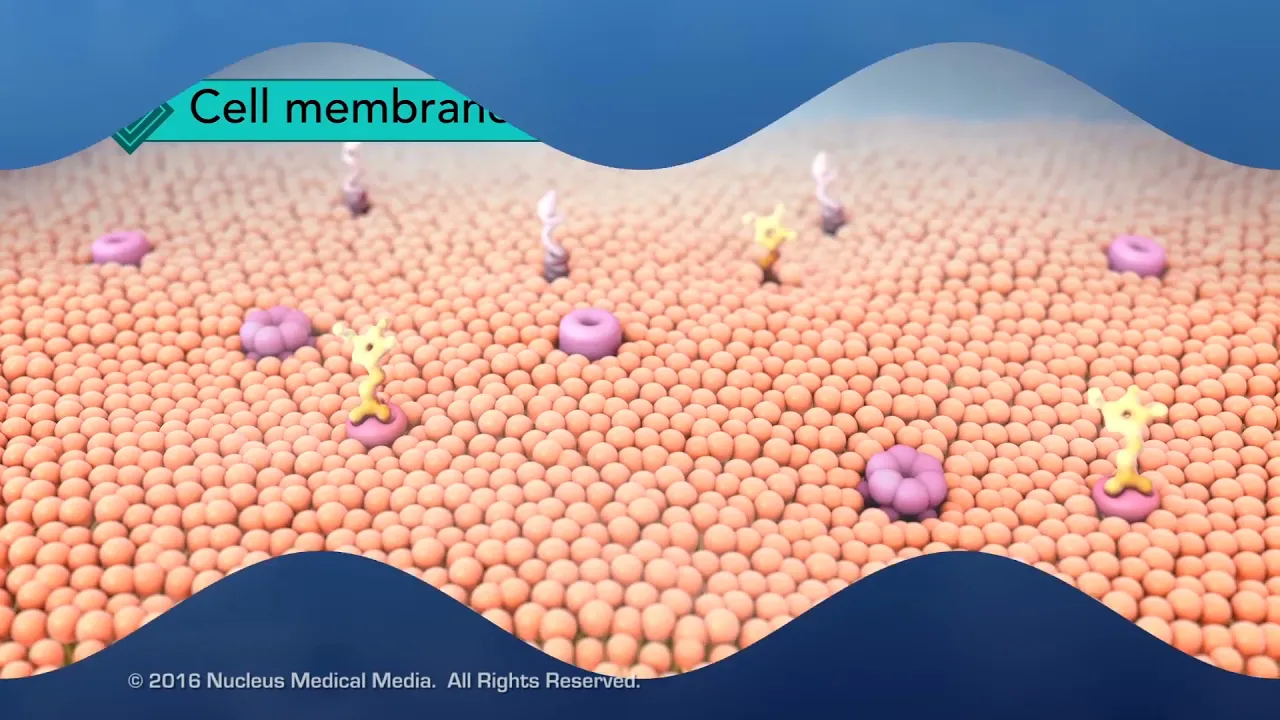
in this video we will be discussing the structure of the cell membrane when scientists looked at the selectively permeable cell membrane they described its structure as a fluid mosaic you might know that a mosaic is a picture made up of little tiles like a mosaic the cell membrane is made up of different parts as well the cell membrane has two layers of phospholipids referred to as a lipid bilayer the lipid bilayer isn't rigid the phospholipids in it have the ability to move in a flexible wave-like motion let's take a closer look at a few phospholipids
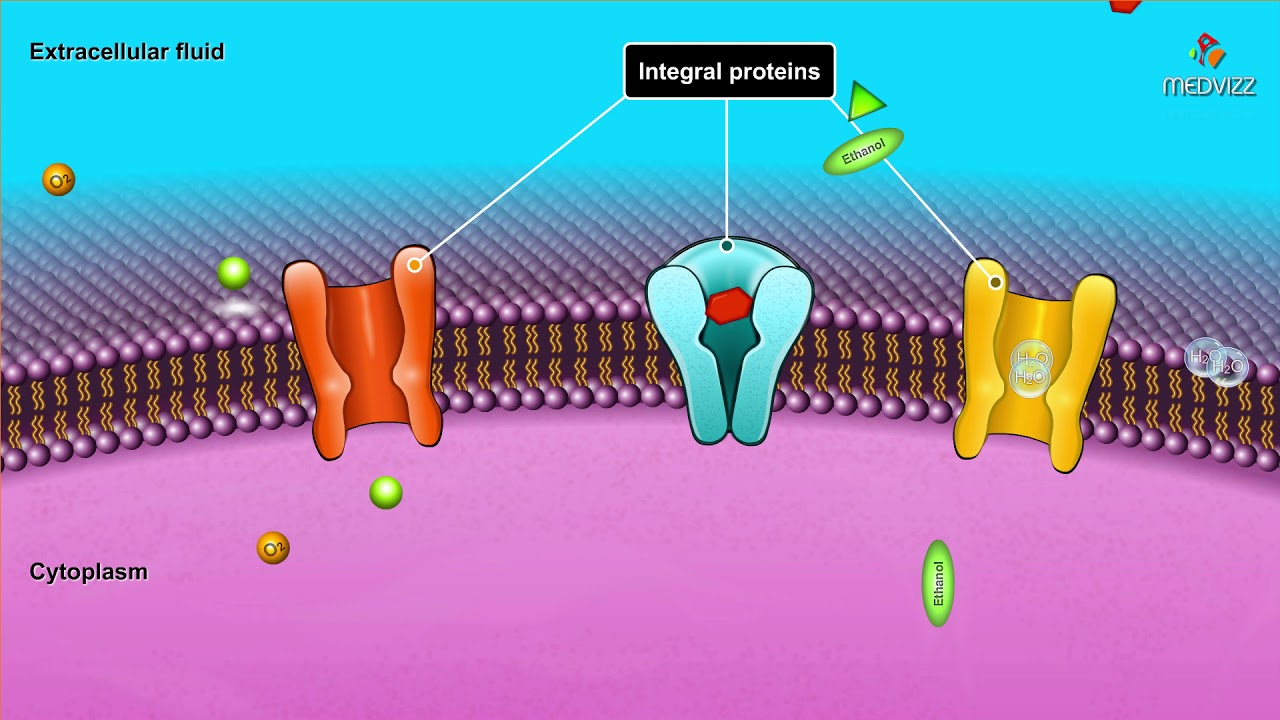
the round head portions are hydrophilic which means they are attracted to water both the extracellular fluid meaning fluid outside the cell and the cytoplasm inside the cell are mostly made up of water so the hydrophilic phospholipid heads of the outer layer will be oriented toward the extracellular fluid and the heads of the inner layer will be oriented toward the cytoplasm the phospholipid tails are hydrophobic which means watery areas repel them so they orient toward each other in a direction as far away from the watery content as possible there are also scattered proteins embedded in the
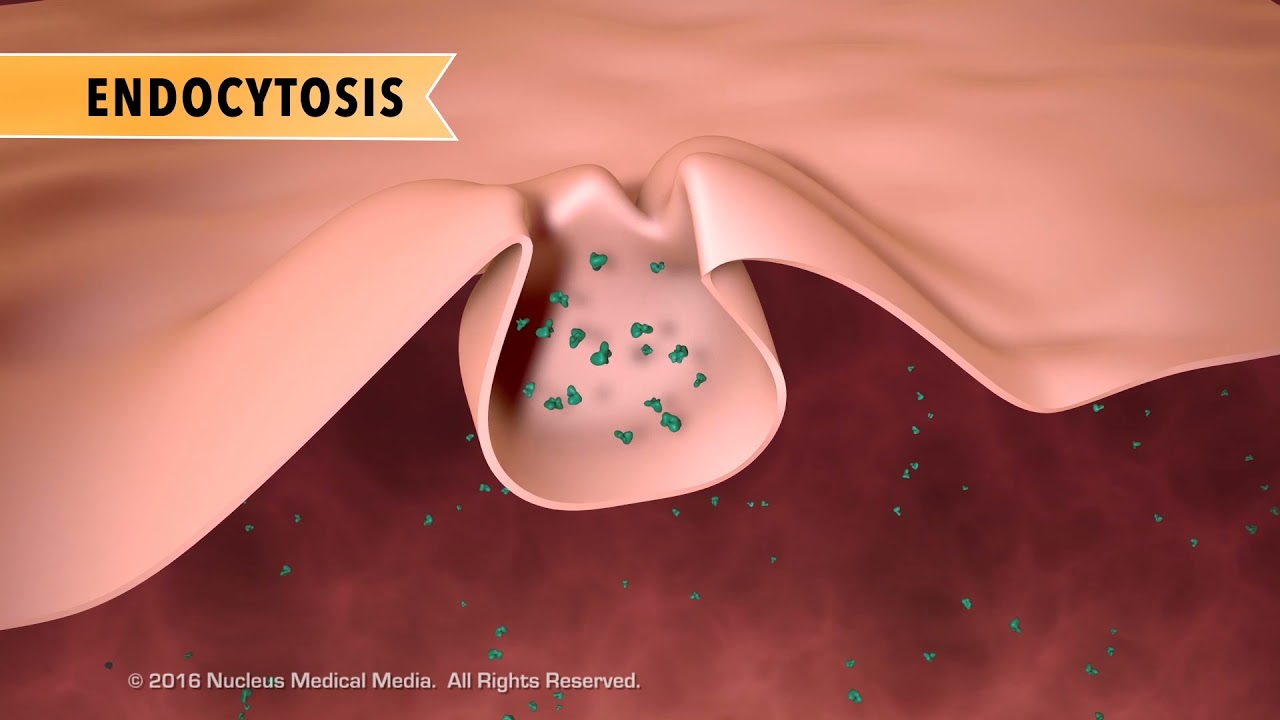
phospholipid layers some with carbohydrates attached so in the fluid mosaic model the cell membrane is made up of different parts and these parts make up a flexible boundary around the cell but how do the majority of substances get in or out of the cell some molecules seep through the little spaces in between the phospholipids which make up the majority of the semipermeable cell membrane however other molecules are too big to fit through the cell membrane this way so how do these larger molecules pass through the cell membrane the molecules move through proteins embedded in the
cell membrane either from the extracellular area into the cell or from the intracellular area out of the cell these substances will move through tunnels made up of these proteins we'll explore how things move through the cell membrane in greater detail separately [Music]