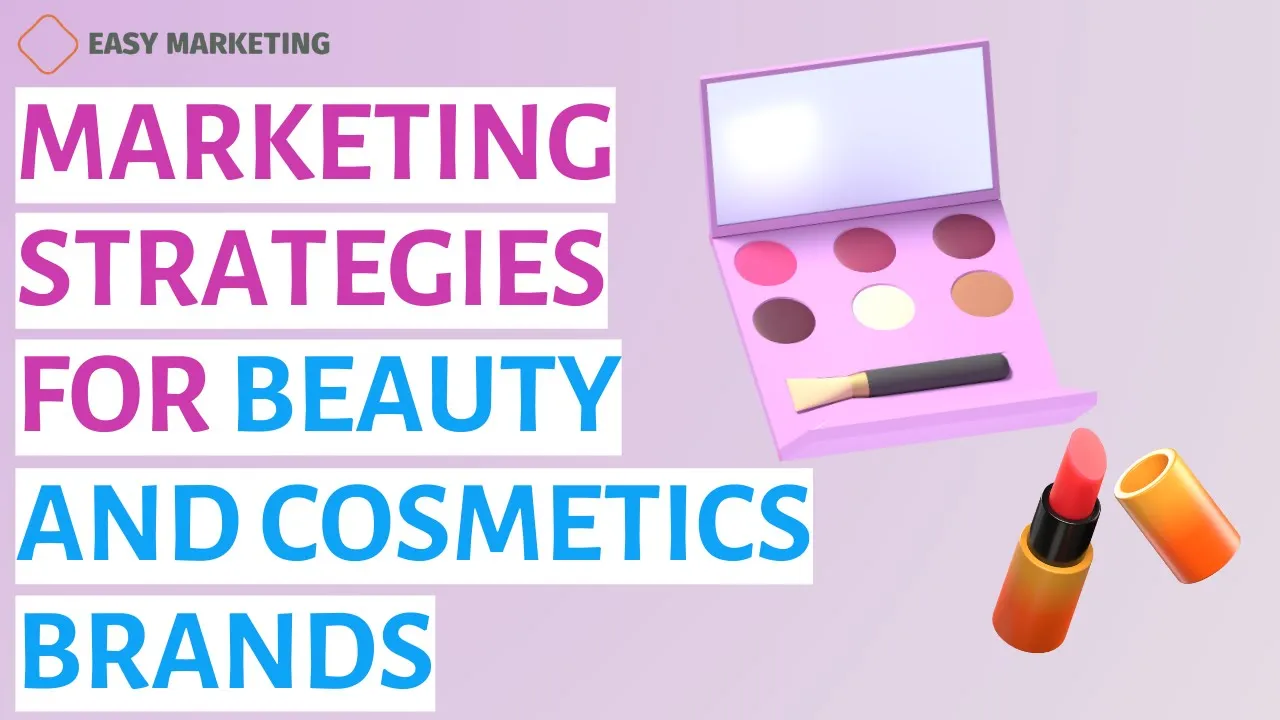
The beauty business is changing at the fastest rate ever because it is so competitive and so many new ideas and trends are coming out all the time. Statista says that the market will grow from $507. 8 billion in 2022 to $758.
4 billion in 2025. With the right marketing strategy and plan, you can win over beauty shoppers' hearts and turn them into a group of loyal fans. What should marketers think about in 2023 to come up with a mind-blowing plan that will improve all business performance?
What do AI, AR, and omnichannel have to do with it? Let's do a marketing change together. The beauty business has never been stopped by wars, natural disasters, pandemics, or global economic crises.
the pandemic was in a strong position, but it was able to change that by closing shops and getting customers to act differently. Total lockdown, and all physical places must close? Ecommerce has exploded into our lives, making up nearly 26% of sales, and beauty brands now offer a virtual try-on option to find the right foundation for all skin tones, which increases the conversion rate by 90%.
Marketers learned how to change their businesses to keep up with the times, and the most successful ones now set the trends. The beauty industry isn't just making changes to its goods and marketing methods to win the hearts of more sophisticated customers. The hard part for marketers is getting people to love their beauty goods.
With the right approach, they can make a unique customer journey that people will want to do again and tell their friends about. It's safe to say that marketers in the beauty business are always fighting each other. Everyone wants to be better than their rivals and make marketing campaigns that get on the front cover, are shown at conferences, and, most importantly, make money.
A combination of offline and online marketing is always the best way to promote beauty goods and services. But because more and more people are shopping online (more than 2. 14 billion people buy things online), beauty brands are putting more and more effort into digital marketing.
Digital marketing is a catch-all term for promoting goods and services through a variety of digital channels. Every year, it gets easier to get to online material. And before buying or ordering something, more and more people look up information about beauty goods, services, or brands on the web.
The company's influence in the digital world and its active marketing will bring in new customers and keep the ones it already has. Also, unlike traditional marketing, digital marketing makes it possible to collect and study success metrics and data on the results of a promotion, which can be used to change the marketing strategy and make it work better. Colourpop got amazing results from their digital marketing by working with celebrities and giving things away.
With their marketing plan, they were able to get 40% more customers than Fenty Beauty. Benefit Cosmetics made the BrowMobile and held an online contest. As a result, they won 60% of the market for eyebrow products in the UK.
When beauty companies use internet marketing and presence, they have a better chance of getting a share of the market. Trends in digital marketing for beauty products in the year 2023 Marketing is a mix of old ways of doing things, new ideas, and the latest trends and advances. Let's go over the ones that are waiting for us in the beauty industry's marketing.
Omnichannel Marketing Omnichannel marketing means that there is no break between the different ways of talking to the customer. It consists of: websites; internet ads; mobile tools; in-person shops; ads on the street; social media; e-mail messages; push alerts, etc. Because there are so many different kinds of services and goods, beauty and cosmetics brands must create multiple channels and offer a quality, all-around shopping experience, whether it's through a mobile app, a store, or social media.
Consumers became more picky and demanding, and they expected the buying process to be easy and fun. Service is just as important to them as product quality. Omnichannel marketing can meet their needs and give them what they want in any way they want to talk to you.
When beauty brands use both traditional and digital marketing to spread the same offer and positioning across three or more platforms, sales tend to go up by almost 290% and customer engagement goes from 5% to 18%. Companies like Sephora, MAC Cosmetics, NARS, and L'Oréal are at the front of the pack when it comes to digital marketing. Sephora has done a good job of combining its online and offline stores, building a strong online presence, and investing in augmented reality (AR) technology to offer virtual try-ons for a more personalized buying experience.
Micro-Influencers Rakuten research shows that more than 60% of consumers interact with an influencer at least once a day, and 35% interact with them more than once a day. In addition, 41% of consumers use influencers as a way to learn about new brands and goods. Influencers on social media help build company loyalty and often become brand ambassadors.
Up until now, brands have been using big influencers to help them with the normal way of marketing. Most of them, like Nikkie De Jager and James Charles, were well-known thought leaders and celebrities with millions of fans. In 2022, the trend spread to micro-influencers, who can help businesses even more.
Some of these writers have between one and forty thousand subscribers. Even though a micro-influencer has a small following, they have a high level of trust and engagement, and their services cost less. And the rich tend to be less active as a group.
Statistics show that micro-influencers boost conversions by 20%. Experience Tailored to You Marketers use basic information about a customer, like his or her gender, marriage status, place of residence, job, education level, or hobbies, to make personalized offers that stand out from others. People are inundated with general advertising messages that blend together and are hard to tell apart at first look.
Statistics show that 80% of people are more likely to buy from brands that give them personalized experiences and deals. Even though it may sound hard, AI and Big Data make it easier to make deals that are just right for each person. Marketers can use the analysis data they get to divide customers into small groups and make ads that fit their needs.
Personalizing the shopping experience can also raise the average order value and decrease the number of returns. So, using the GVTO powered by AI lets you look at each customer's unique traits, habits, and preferences so you can offer goods that meet their needs and help them find the perfect match. Big names in the beauty business are already setting trends by using this technology to give customers a one-of-a-kind experience.
Content made by users UGC, which stands for "user-generated content," is any video, picture, GIF, meme, blog post, or audio file that a user of your beauty brand makes and shares online. This kind of material is especially good for getting the attention of Generation Z. Many beauty companies find it hard to connect with this age group, so they use UGC as a powerful marketing tool.
People don't trust companies; they trust other people. Communication channels include things like posts on social media, feature stories by bloggers and journalists, reviews by people with a lot of influence, and Instagram "unboxings. " You can get branded content from user-generated content that you can share again and again and that could go global.
But marketers need to come up with instructions and calls to action to get people to make and share useful data on social media. For example, MAC Cosmetics started a marketing campaign called #MoodFlip, which encouraged people to post videos of themselves getting new looks with their makeup. Some great ideas are testimonials, packing, beauty tips, and product reviews.
Augmented Reality and Virtual Reality Coronavirus changed how and where people shopped. People don't have to go to the store to try something out before they buy it. Many well-known makeup brands use virtual reality to show customers what their products look like before they buy them.
The beauty business, which is thought to be worth more than $500 billion, is already embracing this trend in a big way. Different technologies are being tried out by well-known names like Rihanna's Fenty Beauty, Glossier, Gucci, NYX, Maybelline, and Makeup Revolution. In 2018, the cosmetics company L'Oréal got a whole development studio for augmented reality to help it make more products in this area.
The beauty business requires a level of accuracy that Instagram filters that add bunny ears or flower crowns might not meet. Generation Z loves this technology, and 92% of them are interested in using AR while shopping. This kind of attention and ease of use leads to more than twice as many conversions!
Short Video Content One of the most useful tools for SMM is video. Every year, more and more people follow the trend. In 2022, video material is going to be one of the best ways to promote something on social networks.
Social media sites like TikTok, which has about 850 million people, Instagram with Reels, and YouTube with Shorts brought short videos to the leaders. Stats show that about 66% of clients prefer to learn about new goods and services through short videos. Hubspot says that after watching the material, 84% of users decide to buy something.
On TikTok, Makeup By Mario showed off its new lip product. Within 24 hours, videos went viral, and the five shades of lip balm sold out. Marketing Channels for the Beauty Industry We briefly talked about some of the most popular digital marketing channels in the beauty business.
Now, let's talk more about the ones you must use and include in your marketing plan. SEO stands for search engine optimization. Search engine optimization (SEO) is a free way to get to the top of Google search results and get traffic from sites that aren't paid for.
It is a great way for beauty companies with websites and blogs to reach their customers. Without Google ads, manufacturers, e-commerce sites, and service providers can make useful beauty material that shows up on the first page. Search engine optimization investments don't just pay off.
Over time, the website gets more and more tailored traffic from search engines. These people are already interested in these services and live in this area. And you don't have to pay each time someone clicks on your ad or sees it.
Email Marketing Email marketing is one of the best ways to promote a business on the Internet. Lunata Beauty, a company that makes hair care products, only spent 5% of its advertising budget on a campaign designed to get people's email addresses before Black Friday. Research shows that for every dollar spent on email marketing, the ROI is 4200%.
Quite a profitable deal, isn't it? With the help of artificial intelligence, the beauty business should be able to offer more personalized and interesting content. With the help of GVTO, beauty companies can even send out virtual makeup samples, which cuts costs and helps the environment.
Marketing on social media It seems like the beauty business was made for social networks, with beautiful content, the ability to build a community, and easy ways for everyone to share beauty trends. Stats show that people spend an average of almost two and a half hours a day on social media. They are not only easy ways to show off brands and new goods through content, but they are also places where cosmetics companies can work with social media influencers, set up promotions, and use user-generated content.
The Instagram Shopping tool also lets people shop without leaving Instagram. In the market, TikTok has become a real beauty place. Also, marketers don't have to spend money on ads all the time.
For example, hair care company Marc Anthony released its Strictly Curls lotion without thinking it would get a lot of attention. But the video went viral, and Marc Anthony's team made 60% more money without spending any more money on ads. Marketing with influencers The beauty and cosmetics business works closely with people who have a lot of influence.
Influencers on social media, celebrities, or YouTube bloggers can bring in new customers and raise company awareness. From 2016 to 2023, the niche is expected to grow from $1. 7 billion to $16.
4 billion. And that's not strange. Influencers can help with ads and product reviews, but they can also work together on projects.
Most of the time, beauty influencers help make-up makers launch new products. Patrick Starrr and MAC and Anastasia Beverly Hills with Jackie Aina are two of the most popular. Video Marketing Not all video material has to come from YouTube.
There are many types of beauty content that cosmetic brands can use to promote their goods and services, such as reviews, unboxings, life hacks, testimonials, tutorials, interviews with experts, get ready with me, look creation, and more. Today, almost everyone who wants to buy a beauty or personal care product checks out reviews first. Videos are still the best way to learn about a product.
You could say that Sephora is the queen of video. The brand actively creates and shares content on social media platforms, and video has become one of the best ways to market, which helped Sephora hit $37. 2 billion.
Content Marketing Information marketing is a way to use information to actively promote your business. At the same time, it should meet all of the wants and interests of people who might buy it. It gets people's attention and leads to more work together.
You have to give people what they want, and then they will sign up and become new customers who need to be kept. We can say that successful marketing strategies in the beauty business are impossible without content marketing because even the thread of messages used in e-mail marketing is already the job of the content manager. Marketing a brand Brand marketing is all about making people aware of a brand or product, building trust in the brand, expanding the market, and building an image.
Marketers try to find new ways to promote goods so that a company can stand out from its competitors and show customers what makes it special. Because of this, both the brand's value and its benefits in the market grow by a lot. Brand marketing tries to build ties with customers that will last for a long time.
It raises the value of the company in the eyes of potential customers to build a base of loyal customers that keeps growing. So, a good brand marketing plan helps a company stand out from the crowd, take the business to the next level, attract new customers, and make more money. In the beauty business, it's best to use the omnichannel method to market brands.
Paid Ads There are many different kinds of paid advertising, and sometimes you have to try them all to find the one that works best for your area. First, keep an eye on what your competitors are doing, find out where their ads are, and run test advertising efforts. Use different tools, like contextual advertising, adding goods to Google Shopping, dynamic remarketing, and social media advertising.
Keep an eye on the results of your advertising efforts and tweak them to learn more about how well they work. How to Make a Marketing Plan That Works for Beauty Brands? Strategy vs.
Plan The plan tells how to reach the goals, and the marketing strategy explains the goals and tells what the beauty brand should do to reach them. So, you should first come up with a strategy and then move on to a plan. Many business owners think that making a plan takes too much time, so they don't bother.
But a business can't survive without a strategy because this is the formula for success: Strategy (what to do), Plan (how to do it), Actions Taken, and Profit. Also, making a plan can be broken down into just six steps. How to Put Together a Marketing Plan Analysis of the market Find out if a product is wanted by the audience before you decide which one to offer.
You can do this with help from Google Keyword Planner. This tool lets you find out how often people look for information about the goods or services you want to sell. You can also look at where search results are coming from with Google Keyword Planner.
You need to say what city, region, or country the beauty brand's possible customers live in. Research on Your Audience Audience research will help you figure out who is interested in your goods and the best ways to get the word out. Some business owners think that they can interest most people in their product or service.
In fact, it's just a lie. Not everyone needs paid beauty tutorials, natural makeup, or smart eyebrow tweezers. You need to answer a few questions to figure out who your client is and how to make ads that meet their needs: location; customers' genders and ages; average salary; their own needs; issues with the crowd; their hopes.
A large crowd needs to be broken up into smaller groups so that targeting and communication can be done in a more personalized way. Examining the competition Going into the market without knowing how the competition works is bad for business. Before you sell your product to customers, you need to know why they like or dislike the companies that are already there.
The more you know about your rivals, the easier it is to figure out what makes you different and make an offer that no one else can match. Look into beauty brands that offer similar services and goods and even try to order from them. You'll know how easy their website is to use, what payment and delivery options are available, and how fast managers react.
You will also be able to look at their products and packages and figure out how to make your beauty business better. Positioning With the right placement, you can earn the buyer's trust and build relationships that will last. A well-thought-out positioning gives an online store a better chance to stand out from its rivals.
You should come up with unique ways to sell and make a list of the problems your customers are having. Loyalty programs or bonuses are ways to get people to buy from you again and again. Here are some tips: Make it easy for people to remember the brand by using things like beauty icons, symbols, colors, slogans, or music.
Customers will never forget about a company that is easy to remember. Show that you know what you're talking about so that people will believe in the quality of your goods. Share helpful articles on your social media page or blog, post reviews of your goods and services, and talk about interesting new developments in the beauty industry.
Engage with the people you're speaking to. It will help you build a group of people who love you. Making plans An entrepreneur should have a clear picture of what their beauty business will look like in a year, two years, or five years.
Their vision has a direct effect on the goals they set and the measures they choose to track. Together with the marketing team, they must come up with a step-by-step plan of action for each week and set intermediate goals that, if met or not met, will show if the plan needs to be changed. It should be clear that the marketing strategy is a plan, but it is important to change the goals and update the plans as the business grows.
Financial Plan At this point, you should think about how much it will cost in the future. A financial plan is a method for making money. With its help, marketers can tell the founder how much they have to spend on marketing for each outlet and figure out how much money they can expect to make.
To find a way into the hearts of picky customers, marketing in the beauty business needs an integrated approach, constant attention to trends and trends, and creative ideas.