hello and welcome to the review of chapter 65 of guyton hall's medical physiology textbook in this chapter we're going to go over the secretary functions of the elementary tract going from the entire elementary track showing how each segment secretes substances to aid in digestion and absorption if you enjoyed the chapter please don't forget to give it a like and subscribe to the channel so as we go through you'll find that we have two types of secretory grants with two primary functions so one is to produce digestive enzymes to obviously digest our food which goes from
the mouth to the distal end of the ilium and then the other type of gland is our mucous glands and they produce mucus throughout the entire elementary tract to provide lubrication and protection it will come up repeatedly throughout this chapter but whenever a area produces mucus the primary reason is to really lubricate the food particles keep the food particles together keep the fecal material together in the case of the colon and then also protect the mucosa of the particulate area from irritating substances so mucus gets produced from mucus cells also known as goblet cells as
well and they will release mucus in response to local irritation essentially so they're once again just trying to protect everything and lubricate everything whereas our digestive enzymes or digestive secretions they get released in response to food and we'll get into that in much more detail coming up then we have other types of glands like our salivary glands pancreas and liver that also contribute to the elementary tract so what stimulates these glands as we mentioned we have local stimulation so that might be tactile stimulation chemical irritation or just pure distension of the gut wall that will
release these glands to increase their secretions or we may have autonomic stimulation through our parasympathetic nervous supply a parasympathetic nervous system remember is rest and digest that's exactly what we're talking about here is digestion so the parasympathetic nervous system increases glandular secretion mainly through the glossopharyngeal and vagus nerve right proximally vagus nerve for the more distal portions of the proximal elementary tract and then right at the end we have in the colon we have our pelvic nerve which provides the parasympathetic nervous system we also have local neural control through the myenteric plexus and then hormonal
stimuli as well before getting into those we have the effects of sympathetic stimulation and once again sympathetic is our fight or flight so it's intuitive to think sympathetic stimulation will inhibit the gastrointestinal system because we don't need to worry about a meal if we're trying to run away from something so the sympathetic system actually has a dual effect but it can increase secretions if it's the only influence but if the parasympathetic nervous system is actually being activated and is causing copious secretion a sympathetic stimulation will reduce secretions that's the easiest way to think about is
that it reduces the secretions through vasoconstriction so reducing the blood supply reducing the nutrients for those glands to actually produce and secrete substances and then we have various hormones as well that we'll get into in this chapter so what is the basic mechanism of secretion by these glandular cells so we have this cell here figure 65 1 you can see that the capillary supplies blood supplies nutrients that is needed to produce whichever compound they are going to secrete there's many mitochondria because it's quite an active process having to produce all of these compounds we with
a large endoplasmic reticulum both smooth and rough remember a rough endoplasmic reticulum has ribosomes over them for the production of proteins once those molecules get produced they get sent over to the golgi apparatus for packaging sorting and basically a little bit of modification before getting separated out into these vesicles now these vesicles will then lay a weight in the apical surface of the cell waiting for the stimuli whether that's tactile whether that's distension of the wall whether that's the nerve fiber stimulating the cell all those stimuli that we were mentioning which will then result in
calcium influx into the cell where the corresponding exocytosis of the vesicle releasing the compounds into the lumen of whichever elementary segment we are talking about and then along with that the glands will also secrete sufficient water and electrolytes as well to actually allow these secretions to get out into the lumen now we've talked about mucus here and it's major role in lubrication and protection it's resistant to digestion and it does have a little bit of buffering effect so whenever we bring up the production of mucus throughout this rest of this chapter just remember those are
the main functions every single time that doesn't really change so let's start right up at the top of the elementary tract for the first gland which is the salivary glands so we have four main salivary glands the parotid submandibular sublingual and our buccal glands as well now they produce two types of substances one a serious secretion which contains thailand which is really just an alpha amylase for starting the digestion of starches the actual digestive process of all of these molecules we're not going to get into much details in this chapter that is the sole focus
of the next chapter so we'll just superficially touch over all of these enzymes that get produced in the saliva we have an amylase for digesting starches and then the other secretion that the salivary glands do is mucus so that produces mucus for mucous effects now the parotid glands secrete almost entirely that serous secretion so secretes entirely the amylase whereas the submandibular and sublingual glands secrete both and then the buccal glands secrete only mucus and this all gets created within the sinai of the cellular gland so you can see that in 65 too here we have
this sinai that produces the thailand or the amylase and mucus and has a similar osmolarity as the plasma as it starts to go down the salivary gland ducts throughout the ducts we start to have an active reabsorption of sodium and with it the passive absorption of chloride with the active secretion of potassium and also secretion of bicarbonate so we end up with a solution as a saliva with low sodium low chloride high potassium high bicarbonate and if for some reason the rate of celery production increases then we're going to have a faster passage through the
salivary duct so there's less time for this modification of the fluid to occur so when there is faster production of saliva we have slightly more sodium chloride less potassium and just to confuse things we actually end up with more bicarbonate because that secretion gets increased but then if the salivary gland production and flow reduces so there's a lot of time for saliva to go through these ducts and it starts to have more sodium and chloride being absorbed so those levels are low potassium gets secreted into the duct so you get a lot of potassium and
ironically your bicarbonate actually reduces because it isn't getting stimulated to be secreted now what is the function of our saliva really it's just to help with lubrication it helps to also wash away pathogenic bacteria contains some proteolytic enzymes some other compounds like lysosomes actually destroy these bacteria and also contains antibodies so then pathogenic bacteria in our mouths which sounds kind of gross but we do have a lot of bacteria in our mouth they don't actually cause disease when it comes to salivary gland secretion they get stimulated and controlled by the parasympathetic nervous system mainly involving
the sensory input from the facial and glossopharyngeal nerve and then output from the same nerves so whenever there is some kind of tactile or taste stimuli such as acid which it really produces more saliva or a really smooth object something along those lines and they really increase the production of saliva whereas other types of objects like rough objects can actually reduce the amount of salivation and inhibit it salivation also increases by from the appetite area of the brain whenever we're feeling hungry or we smell a food that we really like but it can also increase
in response to irritation in the stomach and small intestine for instance when you're nauseated you're feeling like you're gonna vomit you'll actually swallow more saliva hoping that will help to wash away whatever is irritating the stomach and small intestine all of these secretions get increased by parasympathetic stimulation and just to confuse the matter just a tiny bit sympathetic stimulation can also increase it slightly but only slightly and not as much as a parasympathetic so the parasympathetic nervous system has the major role here if we keep moving down the elementary tract we go next to the
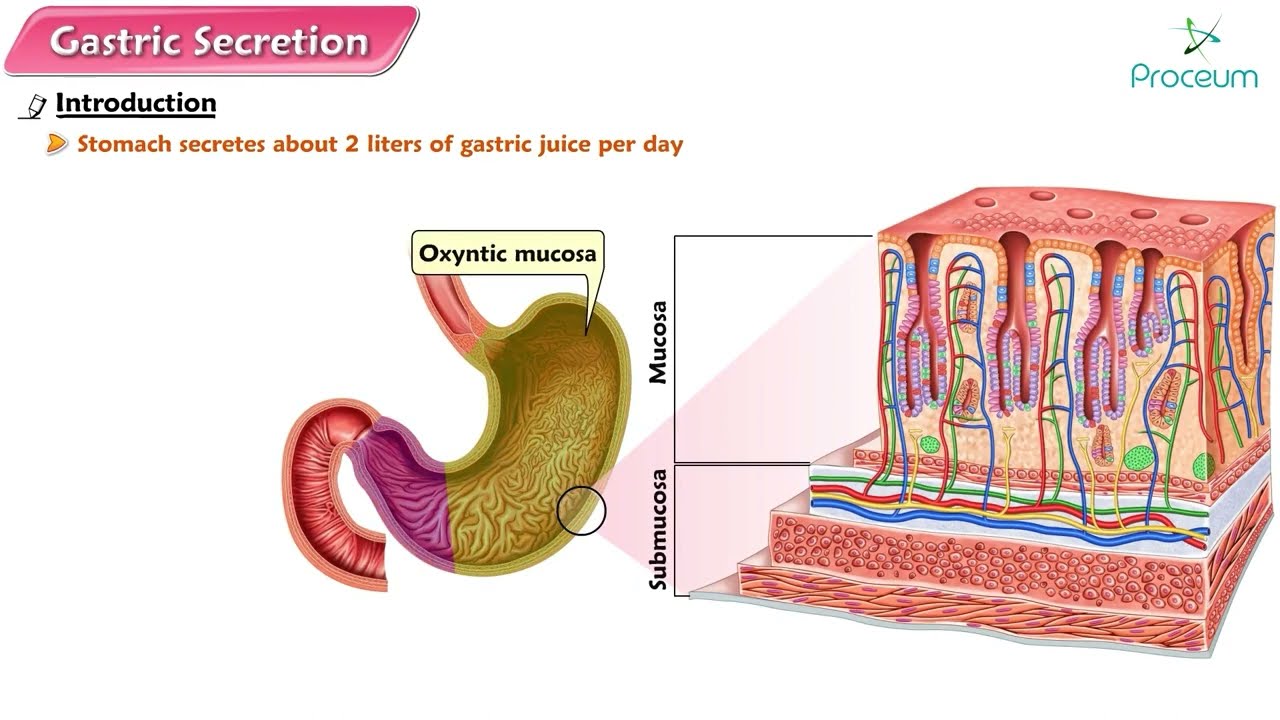
esophagus nothing too exciting there basically just secretes mucus to help lubricate swallowing and move substances down the esophagus next up is the stomach and this is a bigger topic because the stomach obviously releases a lot of secretions now it can get confusing because it uses the same word authentic for both the gland and also the cell the cell being producing hydrochloric acid but then the gland containing that cell and also many other cells so to avoid confusion instead of using the word auxintic i'm going to refer to the gland version as gastric glands which is
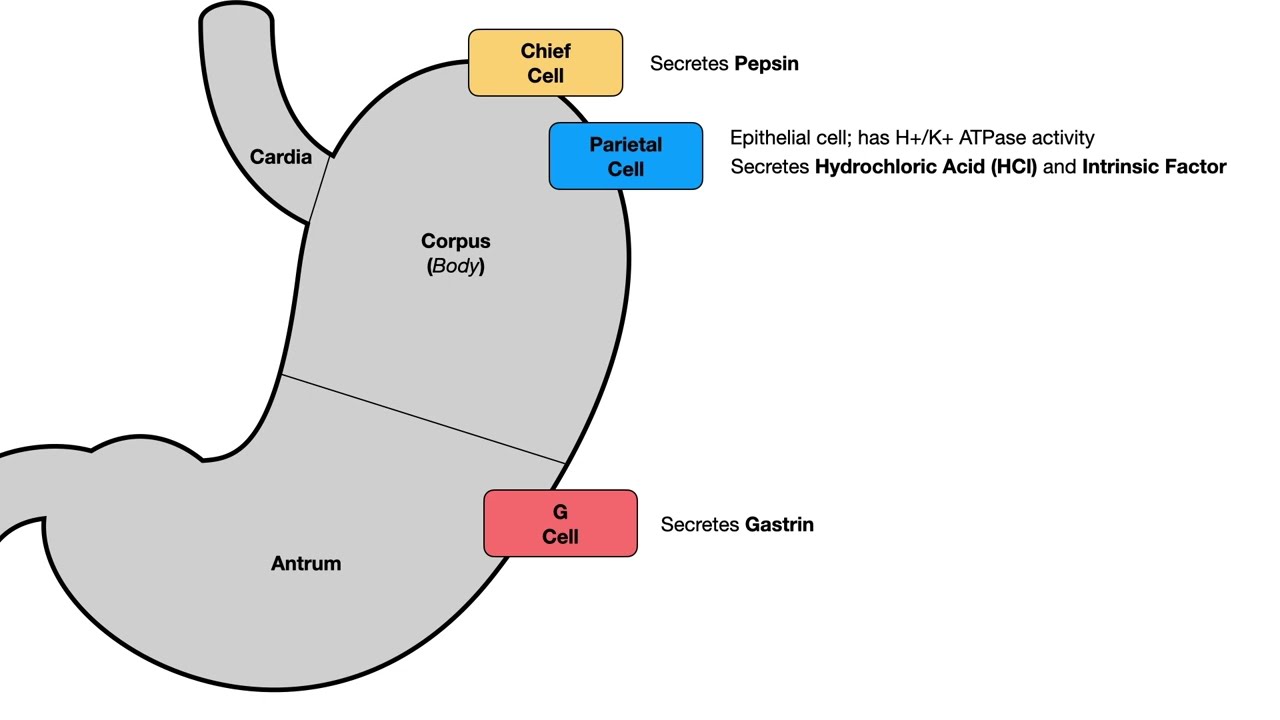
the other name for it and then for the cell which produces hydrochloric acid we're going to call them parietal cells which is the other name for it just to avoid confusion they are labeled on these figures as well so there's two types of glands in the stomach mucosa and they're both tubular glands remember glands is a collection of cells that serves as a function to secrete certain substances so it's a collection of cells so the two glands include the gastric glands and then also the pyloric glands now the gastric glands mainly function to produce the
classic stomach substances so acid and then pepsinogen and intrinsic factor and then also mucus and is contained within 80 of the body of the stomach whereas the pyloric glands is located in the anterior portion of the stomach remember that end portion distal portion the distal 20 percent of the stomach the pyloric glands mainly function to secrete mucus but they also secrete the hormone gastrin which becomes very important so if we start off with the gastric glands they contain many cells they can contain mucous neck cells to produce mucus to protect ourselves from the acid they
have parietal cells which produce both the hydrochloric acid and also intrinsic factor and then we have the chief cells also known as peptic cells which release pepsinogen so we'll start off with hydrochloric acid secretion since that's such a major component of the stomach that we all know about so it's a highly energy consuming process to actually release all of these hydrogen ions bicarbonate ions being get diffused into the blood so the venous blood actually has a higher ph than the arterial blood to the stomach but the real main function is to get all the hydrogen
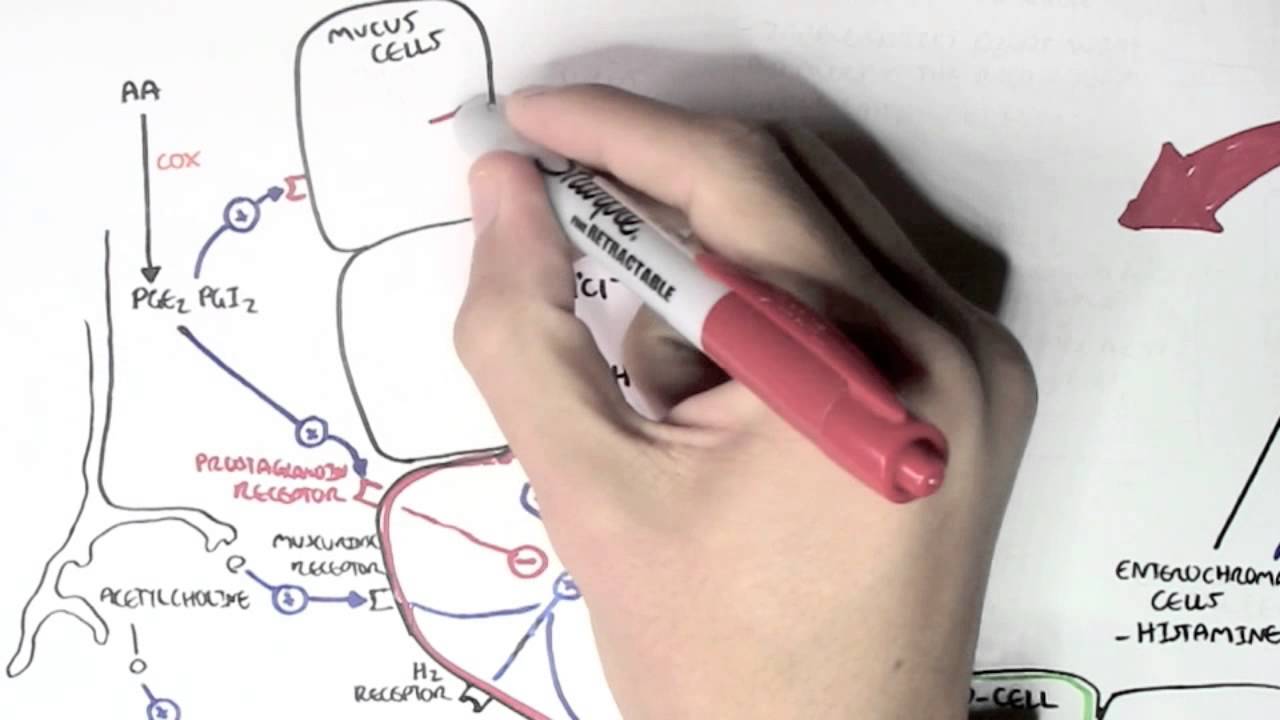
ions into the lumen so as you can see here this is one parietal cell and the main component here is that water gets broken down into a hydrogen ion and a hydroxyl ion and then this hydrogen ion gets pumped out in exchange for potassium into the lumen the hydroxyl ion then combines with carbon dioxide so you turn into bicarbonate and be released and that bicarbonate actually gets exchanged for chloride fluoride then increases within the cell and then goes out into the lumen so then you get hydrogen and chloride which is hydrochloric acid potassium even though
it was exchanged for that hydrogen the potassium concentration within the cell increases because of that exchange and also because of a sodium potassium pump pushing sodium out and keeping potassium in results and diffusion of potassium out of the cell so we also have potassium out here which also forms potassium chloride and then lastly just due to the electrochemical gradient we result in the osmosis of water so we get three main secretions from parietal cell hydrochloric acid potassium chloride and water and remember hydrochloric acid has a ph of 0.8 so it is highly highly highly acidic
that gets buffered down to about two to three by the time it mixes with all the mucus all the water and all the other substances within the stomach but still that is a very acidic environment so the stomach creates this gastric barrier to prevent back leak of acid to reach the actual mucosa or go back into the bloodstream and the gastric area includes alkaline mucus and tight junctions this barrier gets damaged at all then you result in gastric ulceration or stomach ulcers which is essentially just the acid burning into your mucosa now gastric secretion from
the gastric glands increases due to three main stimuli one is acetylcholine from parasympathetic stimulation which actually releases all of the secretions from all of the cells so pepsinogen from the peptic cells hydrochloric acid from the parietal cells and mucus from the mucous cells whereas the other two stimuli gastrin and histamine only really increase the production of acid by the parietal cells so gastrin as a hormone will come to shortly and histamine is a little chemical produced by a nearby cell that stimulates hydrochloric acid production so these two only do the hydrochloric acid whereas parasympathetic nervous
supply increases pepsinogen hydrochloric acid and mucus now pepsinogen when it gets released it's actually inactive it requires hydrochloric acid to become activated because it needs a low ph it needs an acidic environment to turn into pepsin and then pepsin is then able to act as a proteolytic enzyme to break down proteins as we'll cover in the next chapter and remember it is released from the peptic cells also known as the chief cells now the other function of the parietal cells the ones that are producing the hydrochloric acid is to produce intrinsic factor we've talked about
this before i'll go into more details on the next chapter as well but intrinsic factor is required for vitamin b12 absorption and without vitamin b12 you result in pernicious anemia which is because vitamin b12 is required for red blood cell maturation so if you have any issue with your stomach lining and you get a reduction of parietal cells you get less intrinsic factor which means you absorb less vitamin b12 and you get pernicious anemia so that is the gastric gland so why don't we go over now into the pyloric gland the other second gland in
the stomach it mainly releases mucus to really protect the area from the highly acidic environment and lubricate the food but then it also releases the hormone called gastrin remember gastrin is the hormone that helps to increase acid secretion so the pyloric glands release gastrin via the g cells gastrin then actually gets diffused into the bloodstream eventually makes its way over to the parietal cells and the gastric glands to then increase the secretion of hydrochloric acid so that's where gastrin comes from that stimulates hydrochloric acid where does histamine come from which stimulates hydrochloric acid so histamine
actually comes from a different type of cell called the enterochromafin-like cells which is right next to the parietal cells and they just secrete histamine and they are also stimulated to secrete histamine because of gastrin so once again gastrin comes over stimulates the ecl cells to secrete histamine histamine then has a very paracrine or local effect to increase hydrochloric acid secretion in addition to the gastrin just directly stimulating the parietal cell and gastrin gets stimulated to be released whenever there is food in the stomach so food enters the stomach gastrin gets released from the pyloric glands
or the g cells within the pyloric glands histamine gets increased from the enterochromaphone-like cells which along with the gastrin stimulates the secretion of hydrochloric acid from the parietal cells this acid that's now in the stomach then actually directly stimulates the release of pepsinogen from the peptic cells which then gets broken down by their acid to form hips and they can break up proteins pepsinogen is also stimulated to be released from acetylcholine from our vagus nerve and the gastric enteric nervous plexus so basically pepsinogen gets released due to acid acid gets released due to food and
that can actually be broken down into three main phases of gastric secretions so we have the cephalic phase the gastric phase and the intestinal phase the cephalic phase is purely just seeing food smelling food tasting food everything about food before it enters your stomach there is then a reflex through your cerebral cortex through your appetite center which then sends signals through the vagus nerve to the stomach to result in gastric secretion via the parasympathetic nervous system and that results in 30 percent of the gastric secretion the gastric phase the second phase is purely when food
enters the stomach so then you get long vasovagal reflexes to the brain back to the stomach saying release your gastric fluid there's local enteric reflexes and then also the gastrin mechanism as we've talked about and this results in 60 of the gastric secretion so 90 of the secretions have occurred now in the cephalic and gastric phase and then the last phase is the intestinal phase which is purely just presence of food in the upper portion of the small intestine that's about 10 of the acid production just in case there's any residual food in your stomach
now your gastric secretion can also be inhibited and the main reason for that being inhibited is because of the intestinal chyme or that semi-fluid liquid from the stomach entering the small intestine and then the small intestine saying okay we're receiving the food we can slow down your acid secretion we are now digesting everything and it does that through two main processes the reverse anterogastric reflex so that's purely distension of the small bowel or presence of acid or presence of protein breakdown or irritation of the mucosa all of which in the proximal duodenum will then result
in a local reflex to reduce our gastric secretions and then the second cause is several intestinal hormones the big one is secretin secretin gets released from the small intestinal tract for a variety of reasons but basically to reduce the acidity from the stomach as it enters the small intestine as we'll get to very shortly here now we do have this interdigestive period and the interdigestive period is purely when we don't have any food in our stomach the only thing that's getting secreted at that time is mucus very little pepsin and basically no acid obviously we
do not want to have acid in our stomach 24 7. that can happen with highly emotional stimuli so then you actually release peptic and acid secretions and that can contribute to the development of peptic ulcers just because you have an imbalance between too much acid for the amount of gastric barrier that's present so next up is talking about the pancreatic secretion which releases its secretions through the pancreatic duct into the small intestine right at the duodenum and it creates these digestive enzymes in the pancreatic assini now it's important to remember that the pancreas has a
jaw function it has this digestive function but it also has an endocrine function where it secretes insulin and there's also glucagon into the bloodstream near the eyelids of langerhan cells we're not talking about this process here we're only talking about its digestive process through the pancreatic duct into the small intestine so it actually produces multiple enzymes for the three main types of foods so it breaks down proteins by producing these three main proteolytic enzymes trypsin chymotrypsin and carboxy polypeptides now we won't go into too much details about how these cause digestion because we will cover
that in the next chapter but when these molecules get created in the pancreas they get created as their inactive forms true synergen chymotrypsinogen and pro-carboxy polypeptidase and the reason for that is because we do not want to auto-digest the pancreas as they're produced because they're just going to start breaking down the proteins nearby them so they only get activated after they've been secreted into the intestinal tract and it does that through an enzyme called anterokinase which activates trypsin breaking down trypsinogen into protrypsin trypsin then actually activates the other two now importantly within the pancreas the
pancreas also contains an enzyme called trypsin inhibitor it actually prevents trypsinogen from turning into trypsin and then activating all the other enzymes so that's how we are able to avoid all the digestion of the pancreas but if there is a disorder where there is actually activation and trypsin in the pancreas so then although digestion does occur that is called pancreatitis we'll get to that in the next chapter but that's a very serious condition that does occur under certain circumstances now the pancreas also contains enzymes for breaking down carbohydrates such as pancreatic amylase and then also
enzymes for fat digestion so pancreatic glyphase four triglycerides cholesterol estradis for cholesterol esters and phospholipase for phospholipids once they've been produced and stored into the pancreas once they're all to be secreted along the duct there will also be the addition of bicarbonate ions by the actual epithelial cells in the duct itself similar to the salivary glands where it adds and modifies the fluid as those enzymes are traveling down the duct and this is the method by which it does it so you can see that bicarbonate ion is able to be exchanged for calcium to go
out into the lumen and you can see that in this figure 65.8 it all starts with carbon dioxide entering the cell combining with water turning into carbonic acid dissociating to bicarbonate and hydrogen ions the bicarbonate then being exchanged for chloride and entering the lumen whereas the hydrogen ion then gets sent into the bloodstream exchange for sodium sodium then gets exchanged for potassium and potassium leaves but sodium also enters the cell with bicarbonate from the interstitial fluid so this high sodium within the cell then diffuses over into the lumen carrying with the chloride so you may
actually get water dragged in by osmosis as well so we end up with high bicarbonate high water and high sodium chloride in the pancreatic duct now there are three stimuli to result in pancreatic secretion and it's important to know the differences between them so we have acetylcholine via the vagus nerve our classic parasympathetic nervous system and then the second mechanism is a hormone called cholecystokinin which gets released by the eye cells in the mucosa of the duodenum and the upper jugenum in response to fat mainly and then also proteins entering into the small intestine so
emptying of the stomach results in the release of cholecystokinin from the eye cells in the duodenum and alpha jugem now cholecystokinin also known as cck and this acetylcholine stimulation of pancreatic secretion only results in the release of the enzymes into the duct but there's no flow of those enzymes through the duct because there isn't a corresponding stimulation of this system with the bicarbonate ions in the water so it actually just kind of sits there it sits in the duct waiting for this other molecule called secretin secretin gets released whenever there is highly acidic food or
just acid entering the upper jujuna or duodenum and then that stimulates this bicarbonate process of increasing the flow of the pancreatic duct with high bicarbonate concentration to neutralize the acid so let me just repeat that acetal choline from the vagus nerve cck from fat entering the upper jugenum upper duodenum release the pancreatic enzymes into the ducts that sit there waiting for secretin which gets secreted by the s cells and the duodenum and them in response to acid that then results in increased flow through the duct with the bicarbonate ions to then neutralize the acid so
all of these factors working together potentiate one another and result in pancreatic secretion now this becomes important when we divide the pancreatic suppression into our three phases again so the cephalic phase gastric phase and intestinal phase in the cephalic phase is the same as with the stomach secretions where we smell taste food seafood which results in parasympathetic stimulation acetylcholine release and then some release of those pancreatic enzymes into the ducts but remember no flow we have the gastric phase which is once again a nervous stimulation due to food entering the stomach the standings the stomach
releasing a little bit more of those pancreatic enzymes into the ducts and then we have the intestinal phase which is when the chyme actually leaves the stomach the acid and the fat and protein results in the release of cck and importantly the secretin to then increase the release of pancreatic enzymes into the ducts and then also the flow through the ducts through the increased secretion of bicarbonate and sodium chloride and water so then we're able to neutralize the highly acidic thyme coming out of the stomach and turn it into a slightly alkaline environment of a
ph of about seven to eight and that's important because all of the pancreatic enzymes get inactivated in acid they require a slightly alkaline environment to actually work and then that is our pancreatic secretions next is our bile secretion from the liver now bile is this funny thing that's produced by the liver through the breakdown of cholesterol that we'll get to very shortly turns them into these bile acids that does get stored in the gallbladder and then also released but the main function here is to actually emulsify large fat particles and then help with the absorption
of this digested fat we get into much more detail about its pure function and digestion and absorption of fats in the next chapter but its other function is to also help with the excretion of some waste products from the blood so bilirubin is a major one as well from hemoglobin destruction and cholesterol excess cholesterol so where does the bile even come from comes from the liver in the hepatocytes cholesterol gets broken down into colic acid and kino dioxacolic acid these acids then actually get conjugated with glycine and taurine to result in conjugated bile acids these
acids then also form bile salts mainly with sodium so the bile salts once produced in the hepatocytes then flow down the funiculi into the bile ducts to either be released at the same region as a pancreatic duct or just get temporarily stored in the gallbladder via the cystic duct and it can get temporarily stored in the gallbladder for up to 12 hours until it gets stimulated to be released and the stimulation for the squeezing of the gallbladder is actually cck cholecystokinin remember cholecystokinin is released in response to excessive fat in the small intestine so it
makes sense that cholecystokinin will then also want help to digest that fat by squeezing the gall bladder getting all of these bile salts into the small intestine to help the digestion and absorption of fats so cck squeezes the gall bladder whereas secretin does the same thing as it's done with the pancreatic duct and helps to increase the water and the bicarbonate ion concentration in the bile solution through the bile ducts so it once again helps to reinforce the bicarbonate ions the alkaline solution to help neutralize the acid coming in to the small intestine from the
stomach so secretin is purely concerned with the acidity within the small intestine and tells all these ducts to secrete bicarbonate ions whereas cholecystokinins purely concerned with fat gets stimulated by fat and then squeezes the gallbladder to get all these bile salts down to help with the digestion and absorption of fats which covers briefly here but it does go into more details in the next chapter which i encourage you to check out so once bile salts actually get secreted from the gallbladder into the small intestine they just get reabsorbed through the small intestine back through the
portal system into the liver back through the pile ducts and then up into the gallbladder again and that's called enterohepatic circulation so 94 of bile salts just get reabsorbed and reused whereas the other six percent just gets reproduced by the liver and you can actually increase the amount of bile salts that you have just by taking supplementary bile acids now an issue with your bile is when you actually form gall stones and that occurs when there's too much absorption of water from the bile within the gallbladder if it's sitting in there for too long there's
too much absorption of the bile acids from the bile there's too much cholesterol because really it's cholesterol that's the biggest problem with these stones is because cholesterol is insoluble the soluble and bile because of all the bile acids but if you reduce the bile acids you increase the cholesterol or if you have inflammation of the epithelium of the gall bladder or just increase absorption of water from the bile then you increase the concentration of cholesterol and result in stones so next up is the actual secretions by the small intestine themselves now it does produce mucus
from the mucous glands called the bronzers glands and they're located right at the beginning of the duodenum where pancreatic secretion occurs and their role is just as soon as this tactile or irritating stimuli in the duodenal mucosa or there's vagal stimulation or secretin is involved once again secretly is so concerned about acid then excess mucus gets produced by the bronzer's gland and the goal of that is to protect the duodenal mucosa from all that acid coming from the stomach into that first portion of the duodenum now you actually reduce the amount of mucus produced by
those bronzers glands with sympathetic stimulation so very excitable people emotional people then you're going to actually leave your dewalt in all pulpits unprotected because you have less mucus being produced otherwise the major secretory functions of the small intestine occurs at the crips of labikin and they are in between the intestinal villi the villi remember for absorption and then in between those are these crypts of labikin they release mucus from the goblet cells and then they also contain anterocytes in which secrete large amounts of water and electrolytes so then there's actually a flow of water and
electrolytes from the crypts of labikin up to the villi which then gets absorbed by the villi so then this continuous flow of water and electrolytes helps to move and promote the absorption of nutrients since it's just recycling through and it produces this fluid by one actively secreting fluoride ions and also bicarbonate ions then then results in the drag of sodium the positive charge in which then results in osmotic movement of water now the other function of the small intestine is to obviously absorb substances is able to digest the very last products of your food right
at the surface right at the enterocytes with these last little enzymes and it breaks the two little molecules into one molecule to be absorbed essentially we'll get to that in the next chapter as we've mentioned but these epithelial cells of the intestine are heavily recycled so it's about a five-day lifespan from the crypts of labor can all the way out to the villi now lastly here is our large intestine and we have these crypts of labikin but they don't really have villi and the reason behind that is because we're not really producing digestive enzymes instead
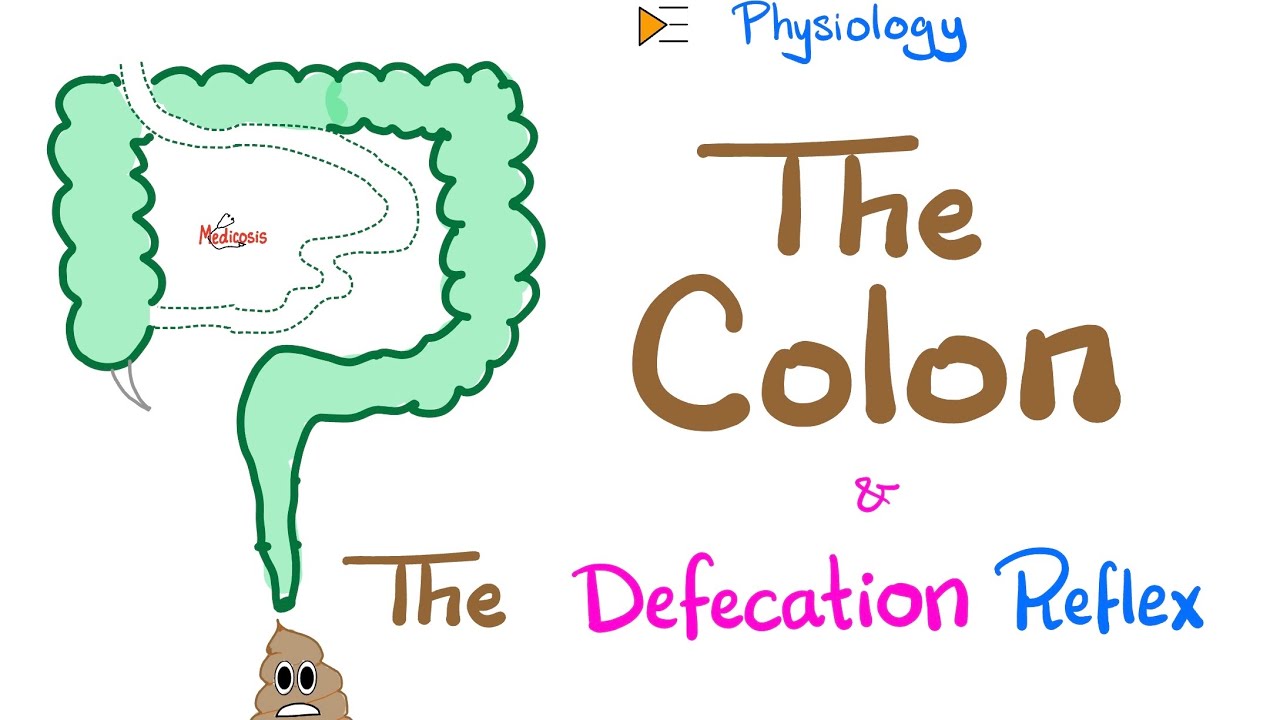
they just want to produce a lot of mucus to keep the fecal material together help with the lubrication help to move the fecal material and protect it as well and you can stimulate more mucus production through the pelvic nerves which is the parasympathetic innervation to the large colon which also increases peristaltic motility which also occurs with emotional disturbances as well now you can get diarrhea purely due to excessive irritation of the large intestine such as with bacterial infection that just results in a large secretion of water and electrolytes overflowing the large intestine and resulting in
diarrhea and that's in the end of the chapter if you'd like to support the channel and get access to downloadable audio files you can do so through the patreon link in the description which would mean a lot and help us with these videos otherwise feel free to leave a comment and we'll see you in the next chapter