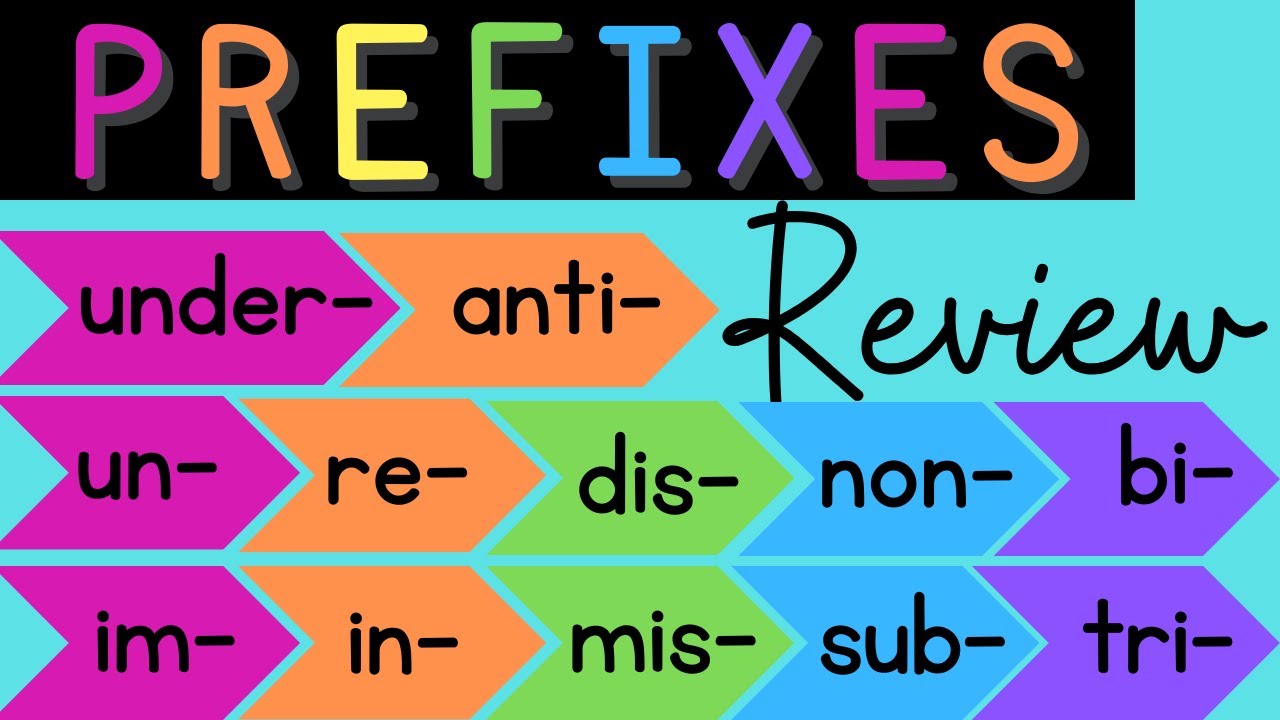
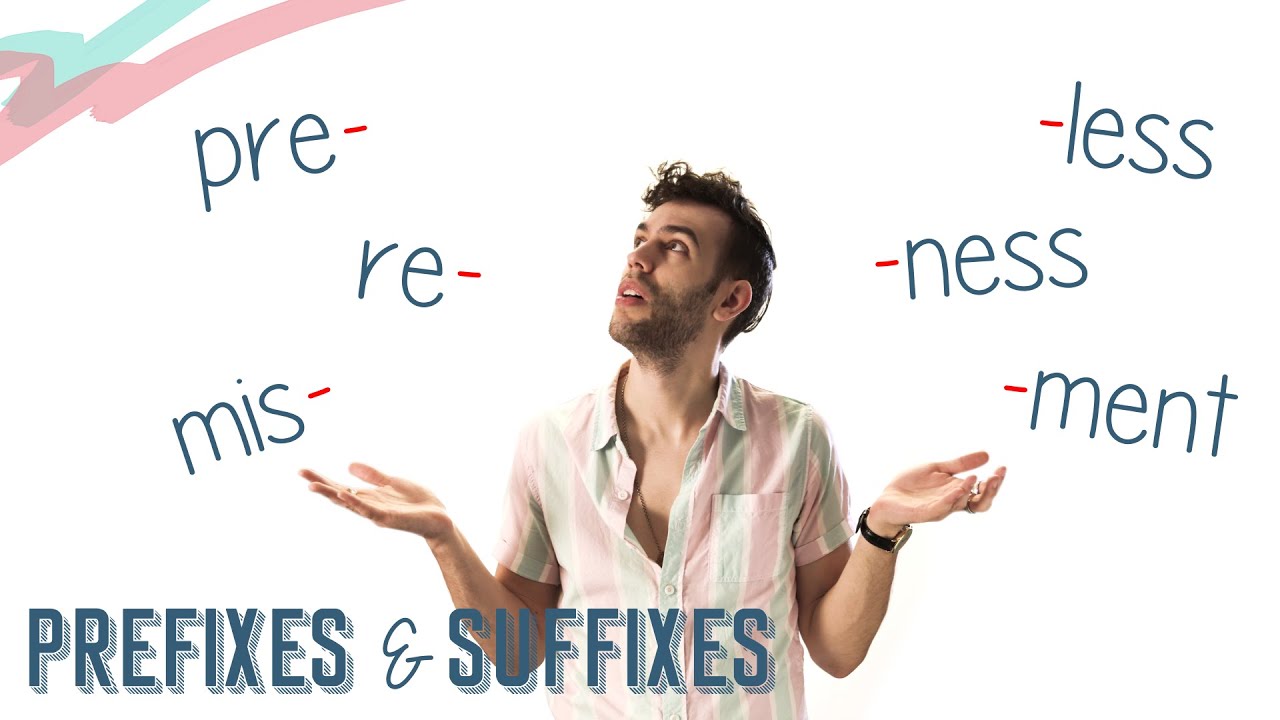
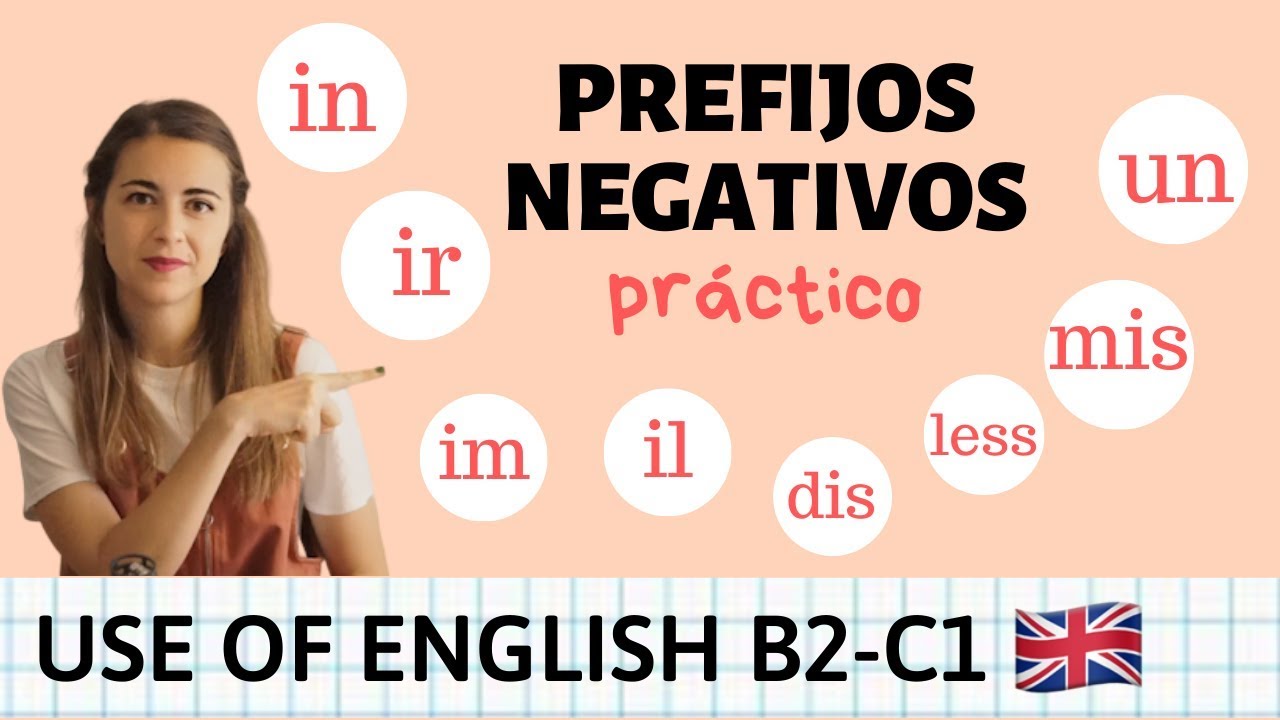
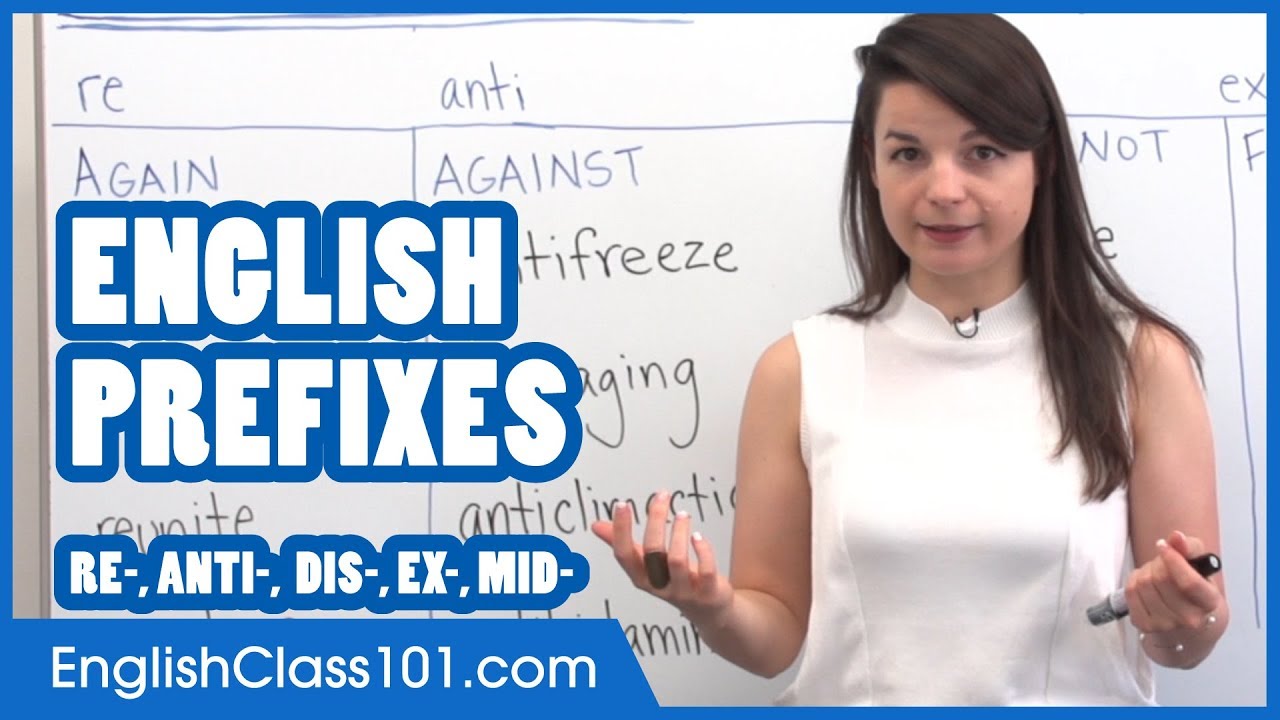
Hello, my name is Amelia. In this video we will look at how to take words you already know and make them into new words. All you have to do is add a few letters before the word.
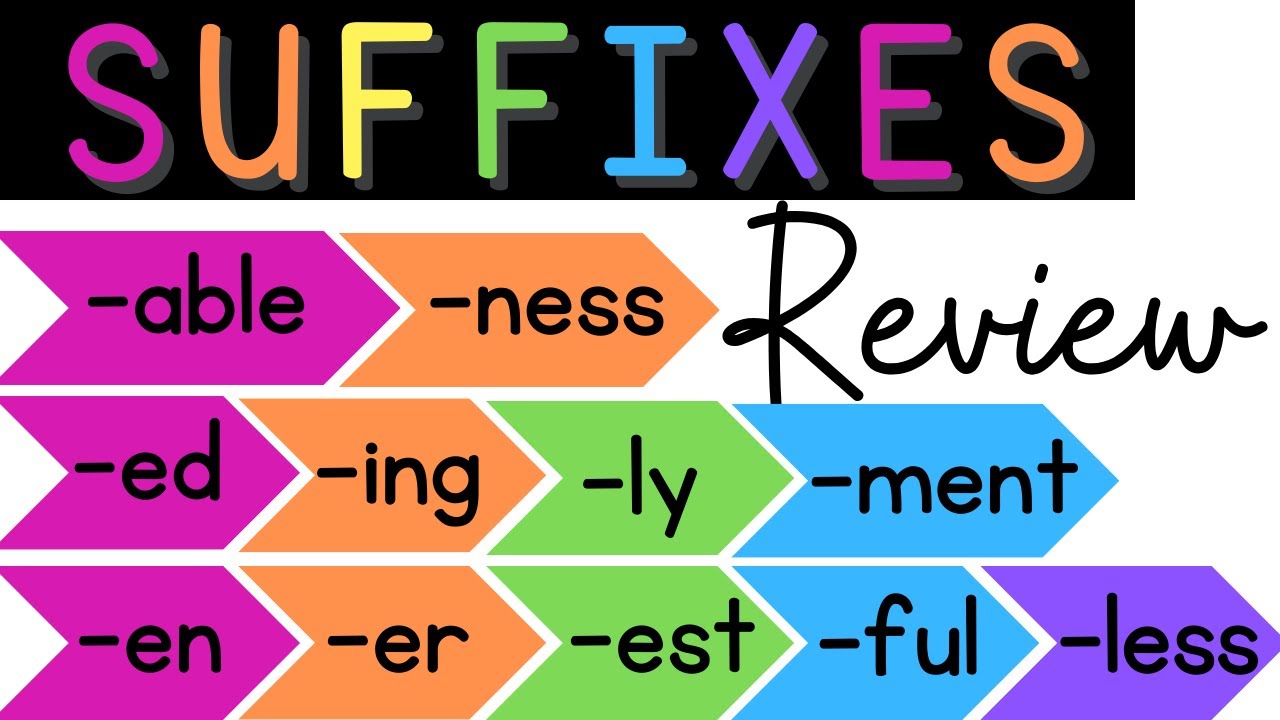
These are called prefixes. Or add a few letters after a word. These are known as suffixes.
Here's an example. place, replace, replacement Be careful - you can't do this with all vocabulary, but you can have fun experimenting to see which one's work and which ones don't. Let's look at prefixes first.
We all know the word 'do'. Did you know that you can redo something, and if you're not happy with it you can undo it too. What does the prefix 're' mean here?
That's right - 're' means again, so if you redo something you do it again. And what about 'un' in undo? 'Un' is an opposite, so if you undo something you reverse what you have done.
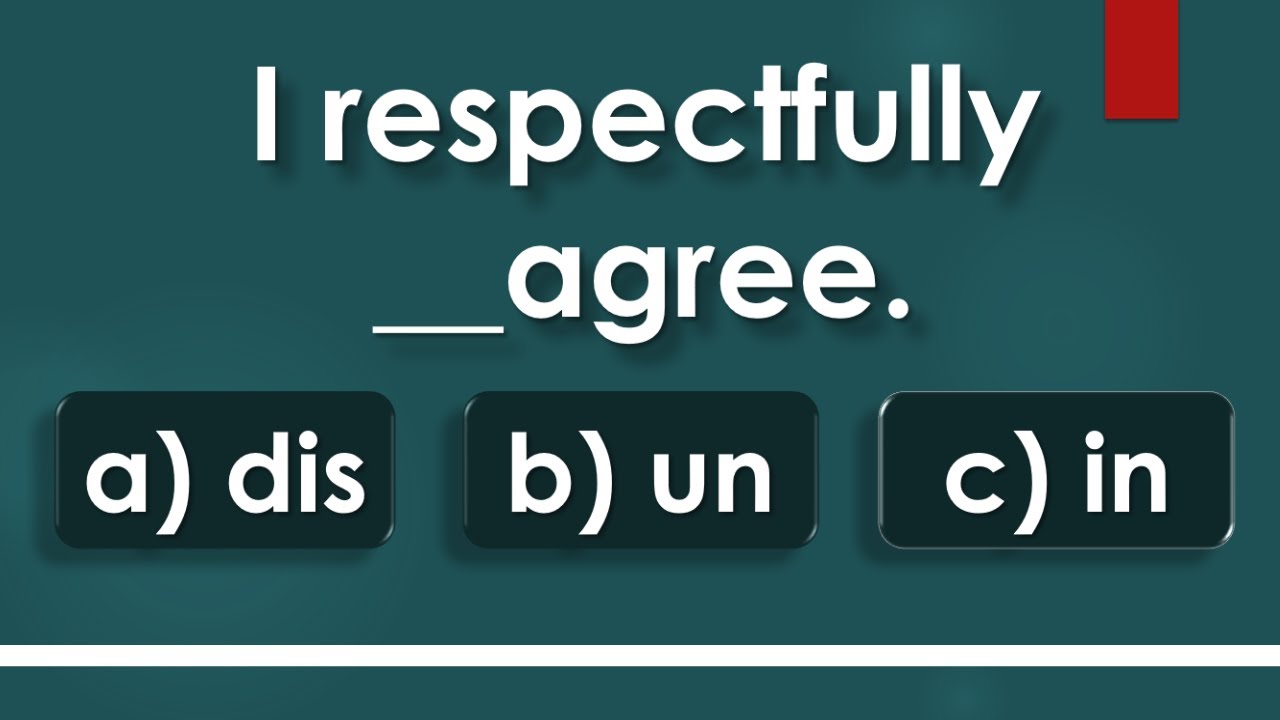
Here's another prefix. What does it mean? disagree, dislike, disallow, disappear 'Dis' also means not, or reversal.
Now let's look at some suffixes. Happy is an adjective. How can we make it into a noun?
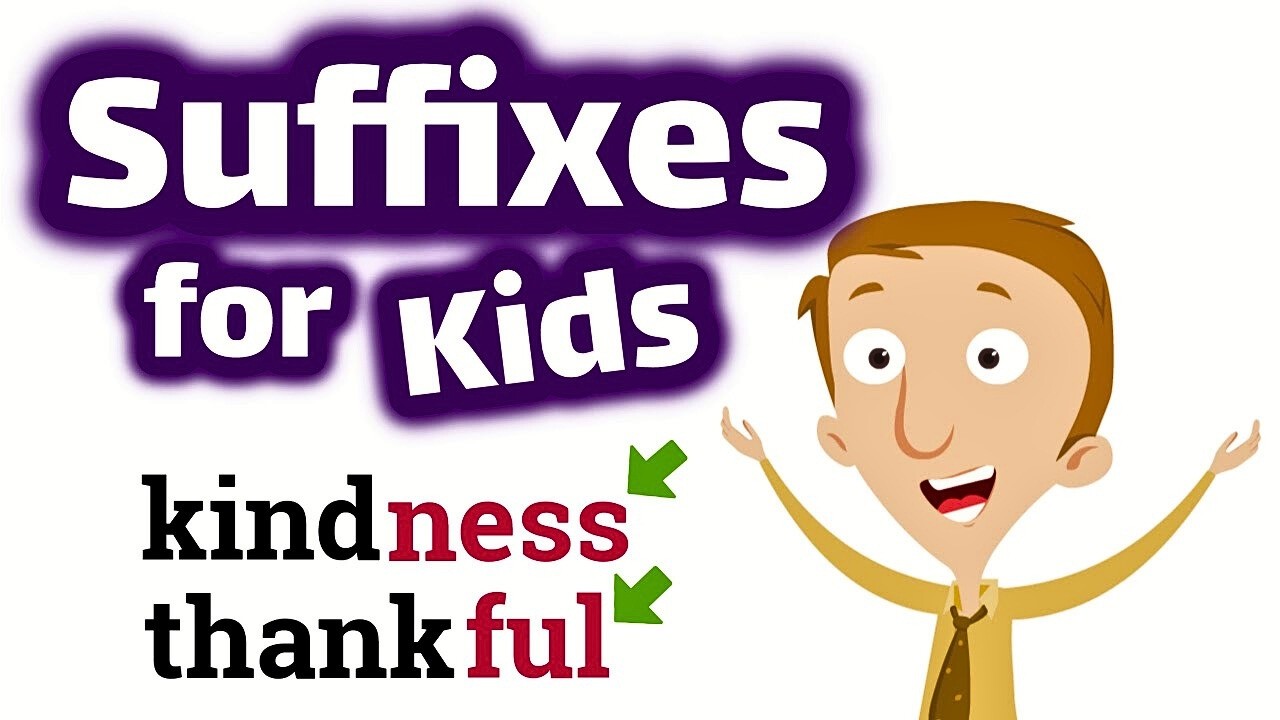
Simple, just add the suffix 'ness'. 'happy' + 'ness' = happiness Here are two more adjectives to express feelings: sad and tired. To make the noun, you just add the same suffix.
Have a look. 'sad' + 'ness' = sadness 'tired' + 'ness' = tiredness There are a few more prefixes and suffixes that go with a range of words. Learning which ones to use and with which words may seem hard at first.
But with time you'll learn to hear what sounds right. Prefixes and suffixes are everywhere. Next time you're reading or listening to English start noticing which beginnings and endings are being used.
Make a note of them, and more importantly, use them. It's the only way to remember them. We hope you found this video helpful, and we look forward to your return.
Thanks for watching.