[Music] hi and welcome back phase shift is a scary concept it's invisible often inaudible and yet apparently capable of ruining our mixes in ways we're not even aware of but as is often the case when you take the time to understand it properly it ceases to be scary at all while there are potential pitfalls they're smaller than you might think and easy to avoid when you know exactly where they are here are some truisms you may have heard eq causes phase shift unless it's linear phase eq yes this is true phase shift can cause cancellation
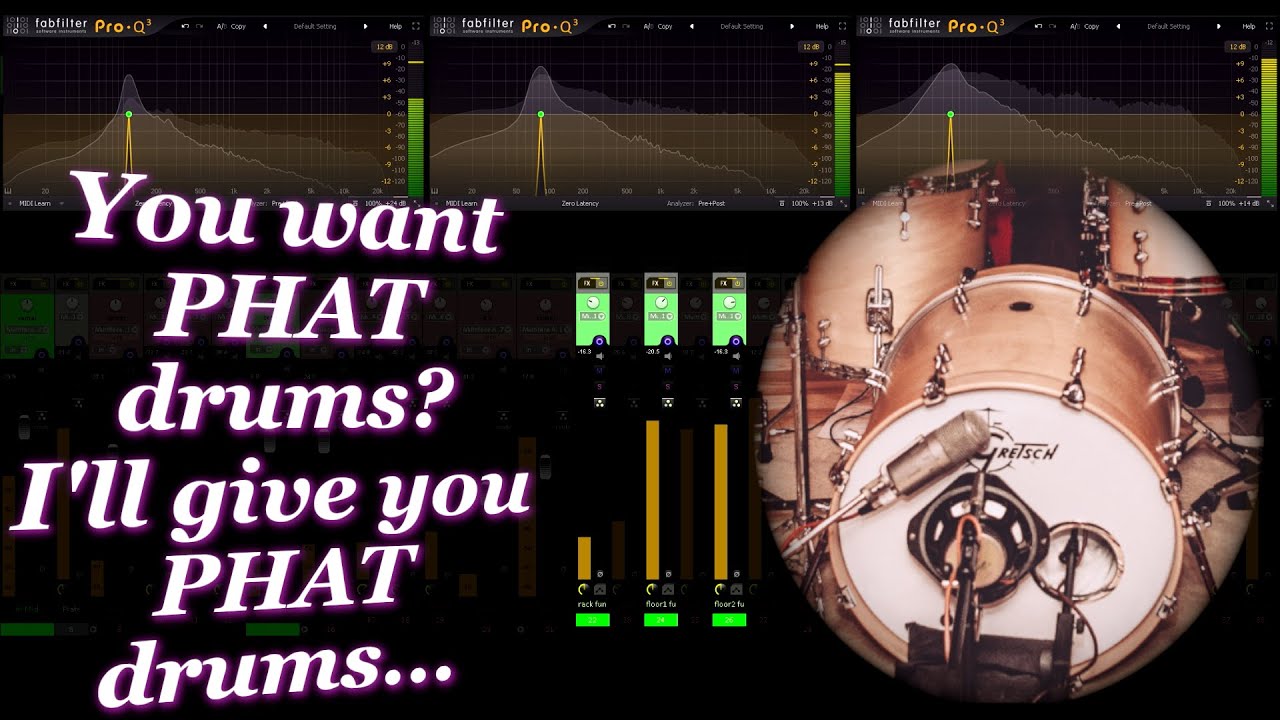
when mixed with the original unphased shifted signal also true although note it says can not will therefore you shouldn't eq parallel channels or you'll get weird unexpected results not true at all i've even seen this concept taken further multi mic arrays such as a drum kit setup with close mics overheads and room mics will have a high degree of correlation between channels so arguably eq'ing individual channels becomes a form of parallel eq i've heard some people argue that therefore you need to use linear phase eq for your drum mics to avoid messing everything up with
phase shift honestly to someone like me who's mixed literally hundreds of drum kits using analog eqs the above statement just seems laughable likewise if you pause to reflect on the many awesome drum sounds recorded and mixed on analog consoles in the 70s and 80s when no one had ever heard of linear phase eq but given those first two truisms that i endorsed above you might reasonably wonder why isn't phase shift a problem when eq'ing drums let's start by analyzing the phase shift from an eq i'm using pro q3 because it's my standard go to and
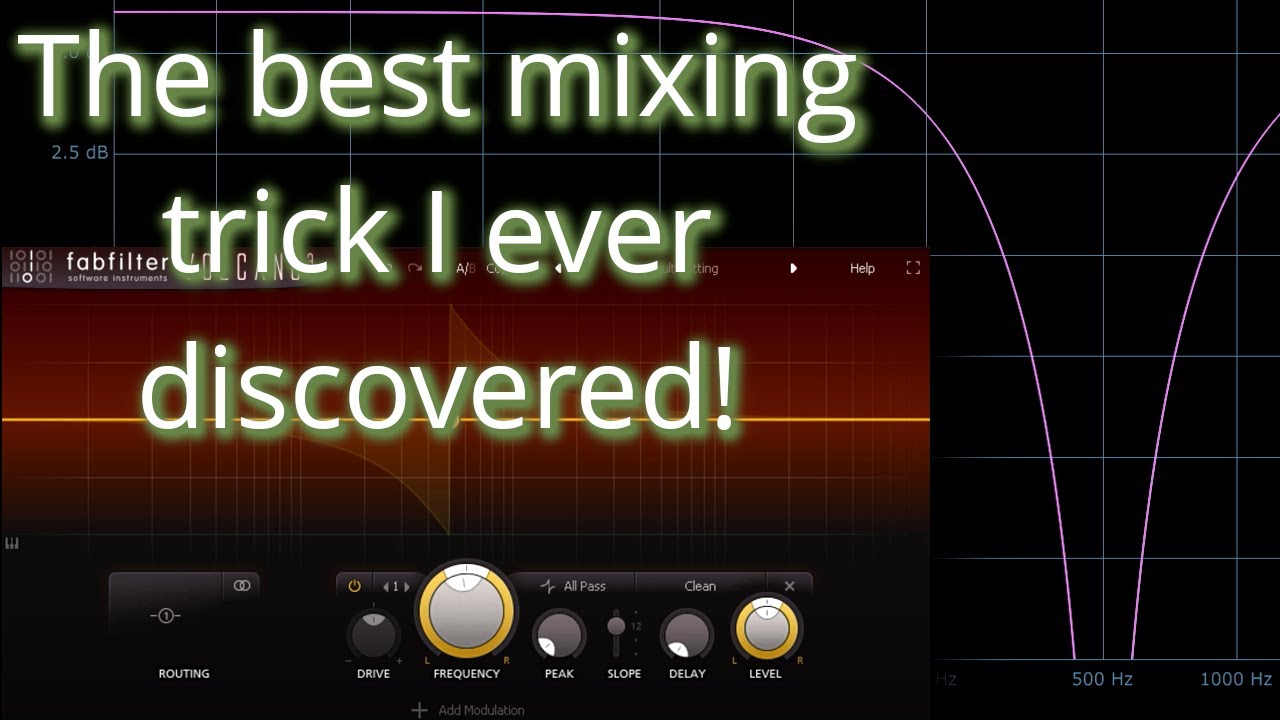
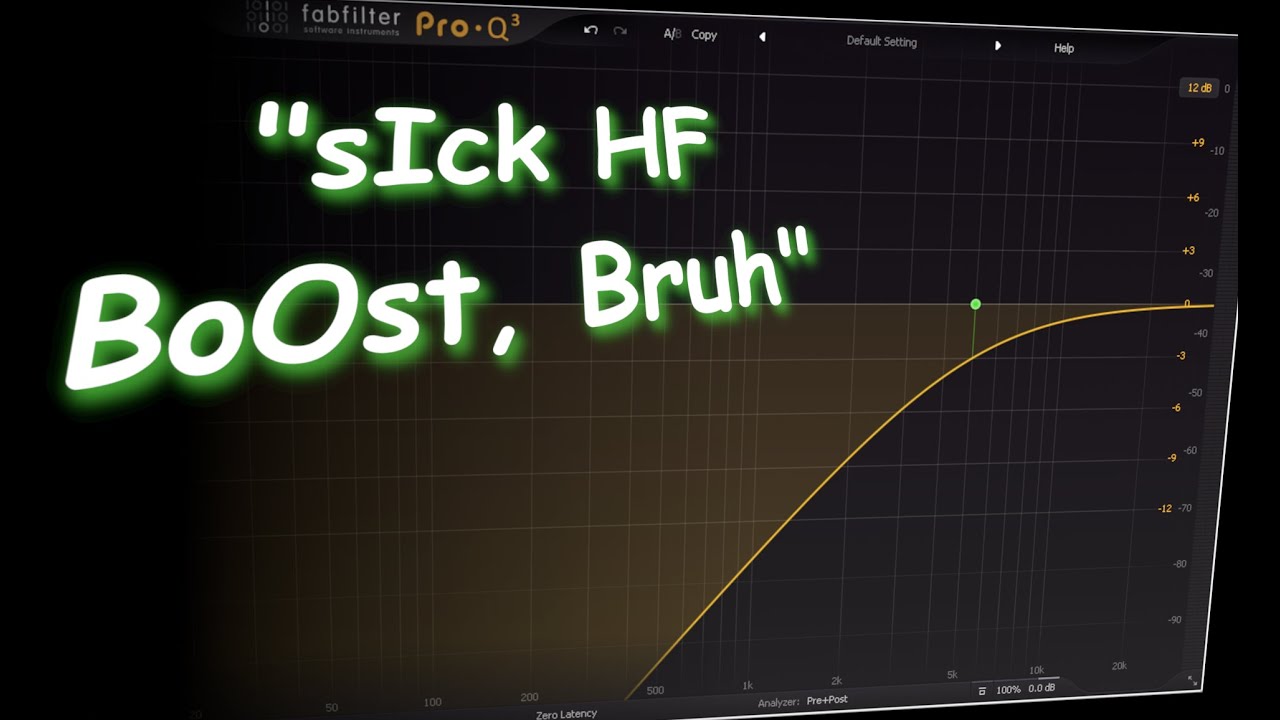
it conveniently allows me to switch between linear phase and minimum phase modes without changing the eq curve but what i'm about to show you will apply to any minimum phase eq i'll start with a high pass filter note that the phase is still pretty flat at the high end the pass band as it's called but starts to change significantly near the cut-off and changes wildly below it when the phase shift reaches 180 degrees at the top of the graph it wraps around to the bottom again as it starts to come back round the other side
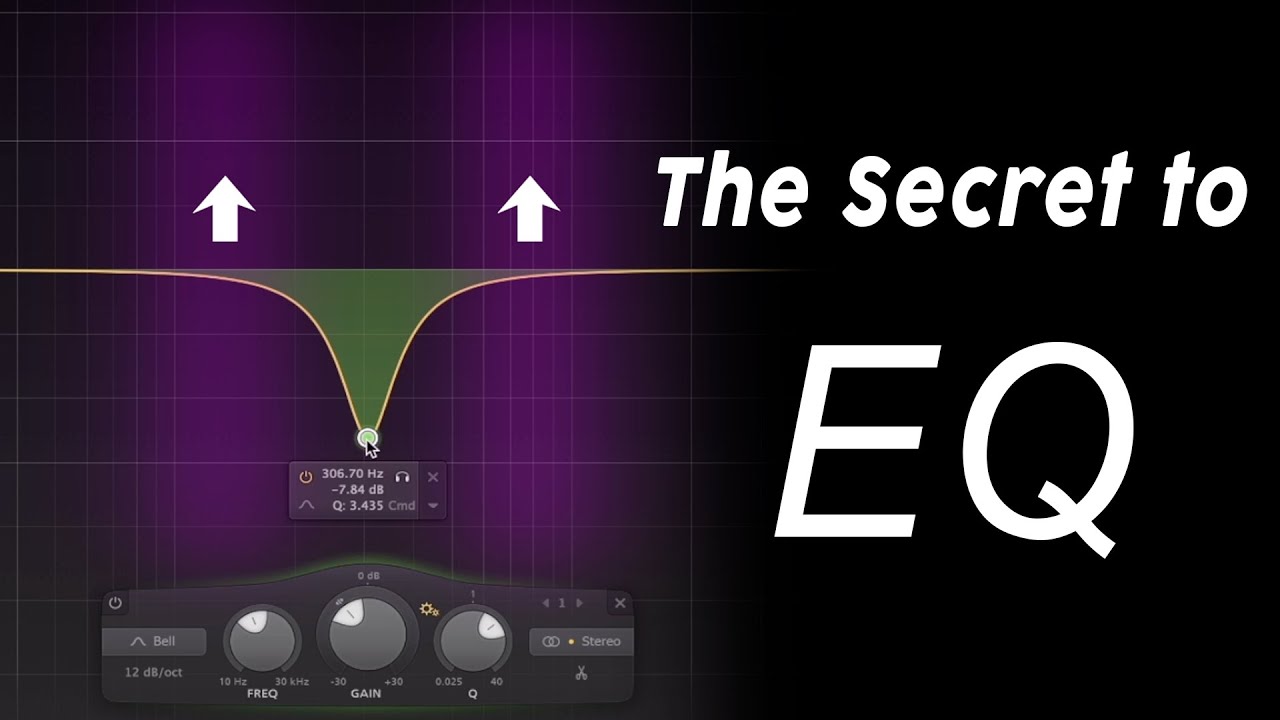
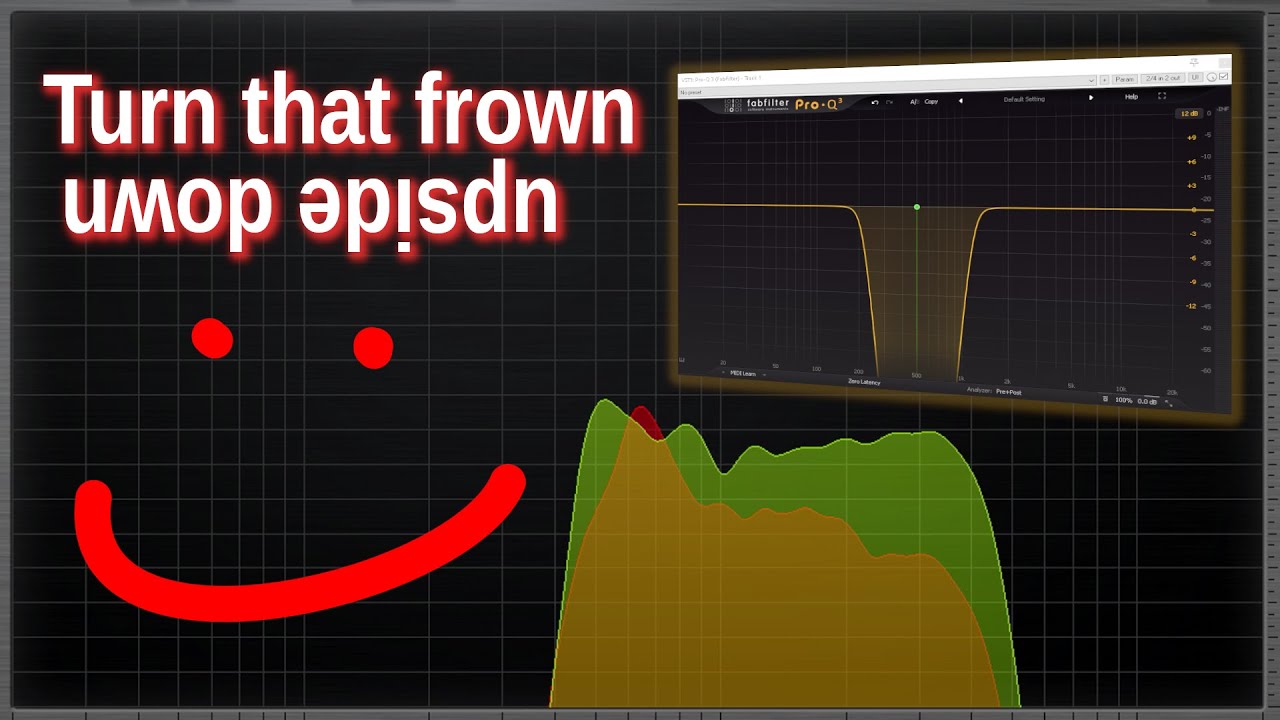
of the phase circle so this vertical line shows the point at which the phase is completely reversed if mixed with the dry signal this will indeed result in cancellation as in my truism above and with the correct relative gain settings you would get perfect cancellation and a deep notch at this frequency as a result okay but that's a high pass filter i was talking about eq by which i mean bell and shelf filters they cause phase shift two right what's the difference well quite a lot as it happens here's a mid boost i've been quite
heavy-handed 18 db of boost represents more than you'll normally use in most cases right now look at the phase shift there are two important things to notice first of all it's really insignificant compared to the high pass filter we just looked at we're not getting close to 180 degrees of phase shift anywhere which means that there's no possible gain setting at which mixing this with the dry signal will result in a notch filter the other thing to notice about the phase shift there isn't any at the target frequency the frequency that i'm actually boosting remains
at zero phase while the phase shift is all above and below that frequency in fact the phase shift is related to the gradient of the frequency response graph rather than the amount of boost or cut and the frequency i'm targeting will remain at zero phase regardless of my other settings so what happens when you run this in parallel with the dry signal let's start with the eq flat obviously mixing this with the dry signal at unity would give us a 6 db boost so i've compensated by turning both dry and wet signals down by 6
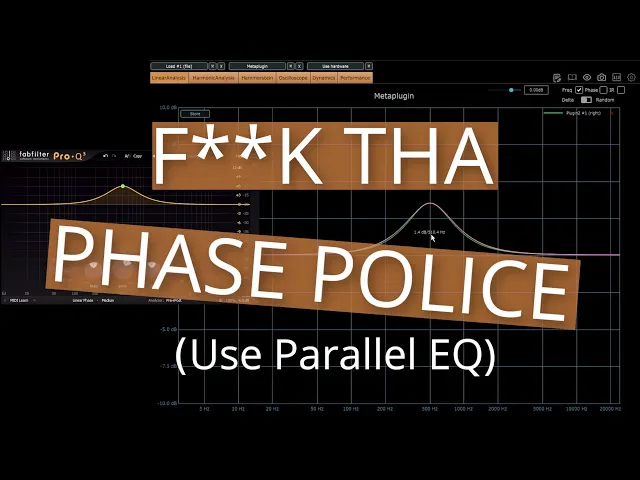
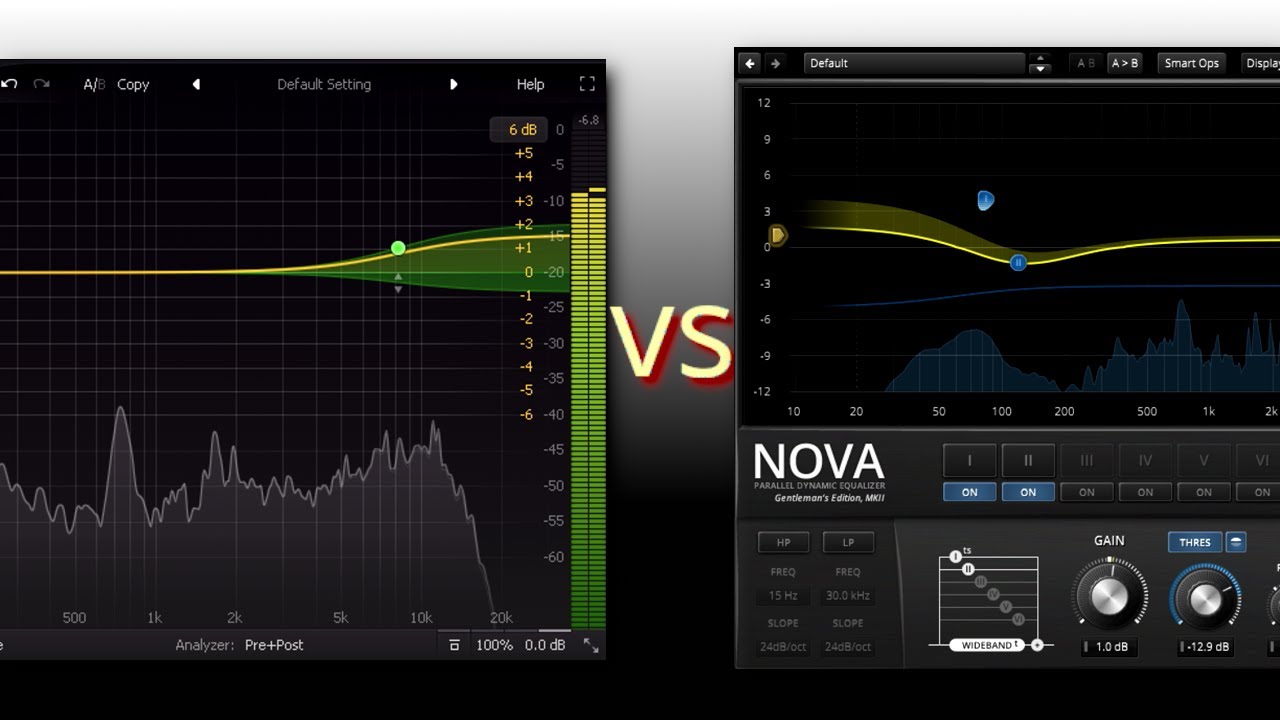
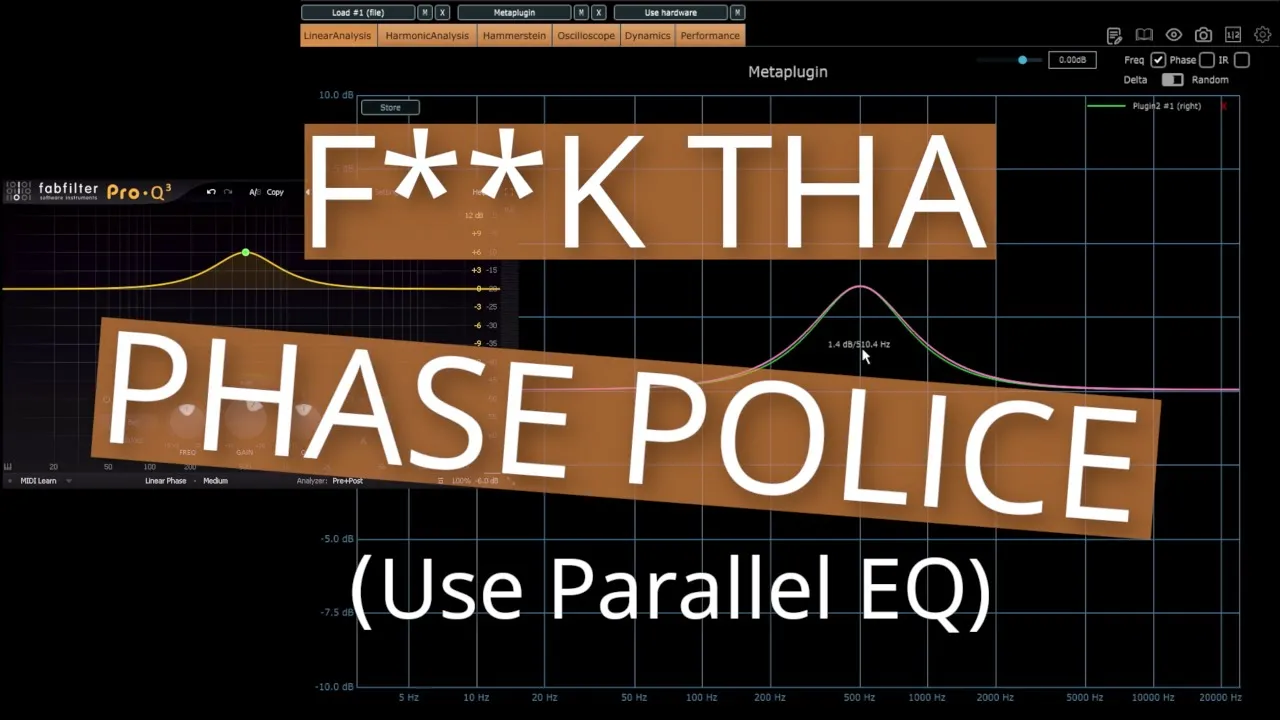
db so we start with a flat line at unity and let's add 6 db of boost at 500 hertz and what have we got overall it's less than 6 db of boost as we've only eq'd half the signal path but it is however boosting 500 hertz when it's doing so with a perfectly conventional and uncontroversial bell shape so what happened to the phase shift well i can show you let's save this plot as a reference then switch to linear phase mode and then bear with me for a second while i tell meta plugin to recalculate
the latency and now we see the perfect version without the phase shift we've got a slightly wider bell that's it it doesn't even change the amount of boost in case you're wondering it works the same for an eq cut with a linear phase parallel eq the cut ends up a little bit wider with the same settings but otherwise there's no difference if you're thinking well i set the q value purely by ear anyway so using a minimum phase eq instead of linear phase just means i'll end up with a slightly different q setting then i'm
in total agreement with you alrighty what about shelves let's first of all have a look at the phase response of a shelf filter on its own and like with the bell-shaped band phase shift depends on the gradient not the amount of boost or cut the flat pass band below the cutoff trends back to zero phase and so does the flat part of the shelf the phase shift all happens in the transition band where there's a slope in the frequency response notice also that no matter how much boost or cutter dial in that phase shift never
reaches 180 degrees where it could potentially cause complete cancellation so what does this do in parallel here's a 6 db boost with the eq in linear phase mode so without the phase shift again we get less than 6 db boost overall but it's still a shelf at the frequency we specified let's save this plot and see how it changes in minimum phase mode when this time our shelf has simply shifted a bit higher no more or less boost no weird nasty surprises anywhere it's just a very slightly higher shelf than it was let's try a
low shelf here it is in linear phase mode and here in minimum phase this time the shelf is a tiny bit lower if you're thinking this difference is probably too small to matter and if it isn't i'm going to tune it out by ear anyway i'm once again in total agreement now i'm not suggesting you bust your signals out to parallel eqs in the same way you might a compressor precisely because a parallel eq doesn't profoundly change its behavior like a parallel compressor does most of the time it's easier to eq your signals on the
channels and running just an eq in parallel will merely complicate things needlessly to no benefit but if you've already got a parallel compressor channel running go ahead and eq that channel to your heart's desire the dynamics processing will make the eq you're applying subtly dynamic as it will become more significant whenever the compressor gain rides up but there will be no other unexpected consequences no nasty surprises no humiliating moments where the mastering engineer says omg you didn't use a parallel eq did you because a shelf will just give you a shelf and a bell will
just give you a bell and if you're not doing it you're missing out now of course i need to circle back to the start and remind you that high pass or low pass filters introduce way more phase shift and can potentially get you into trouble they're often thought of as a purer simpler way to control the low and high extremes and therefore preferable to shelving cuts but that's definitely not the case in parallel and by the way you do also need to be careful with those filters when dealing with a multi-mic drum recording so am
i telling you to avoid using filters in parallel hell no some of my favorite mixing tricks rely on it what i'm actually saying is make sure you're subbed to the channel so you don't miss my parallel filter tricks video when i finally get around to making it thanks for watching you