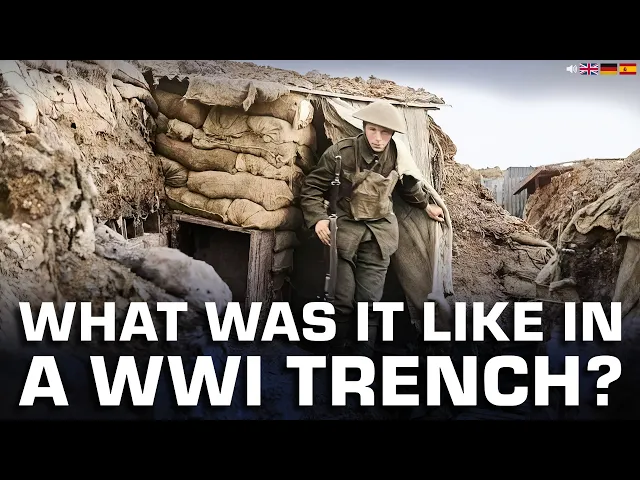
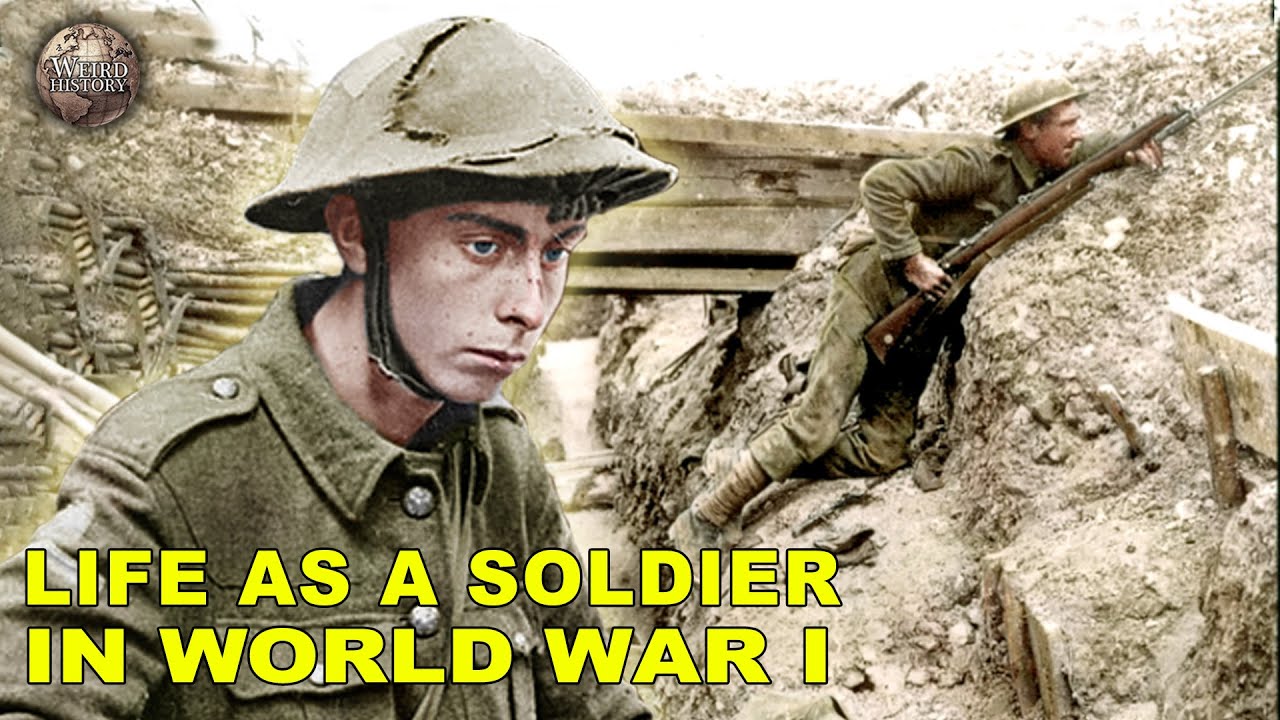
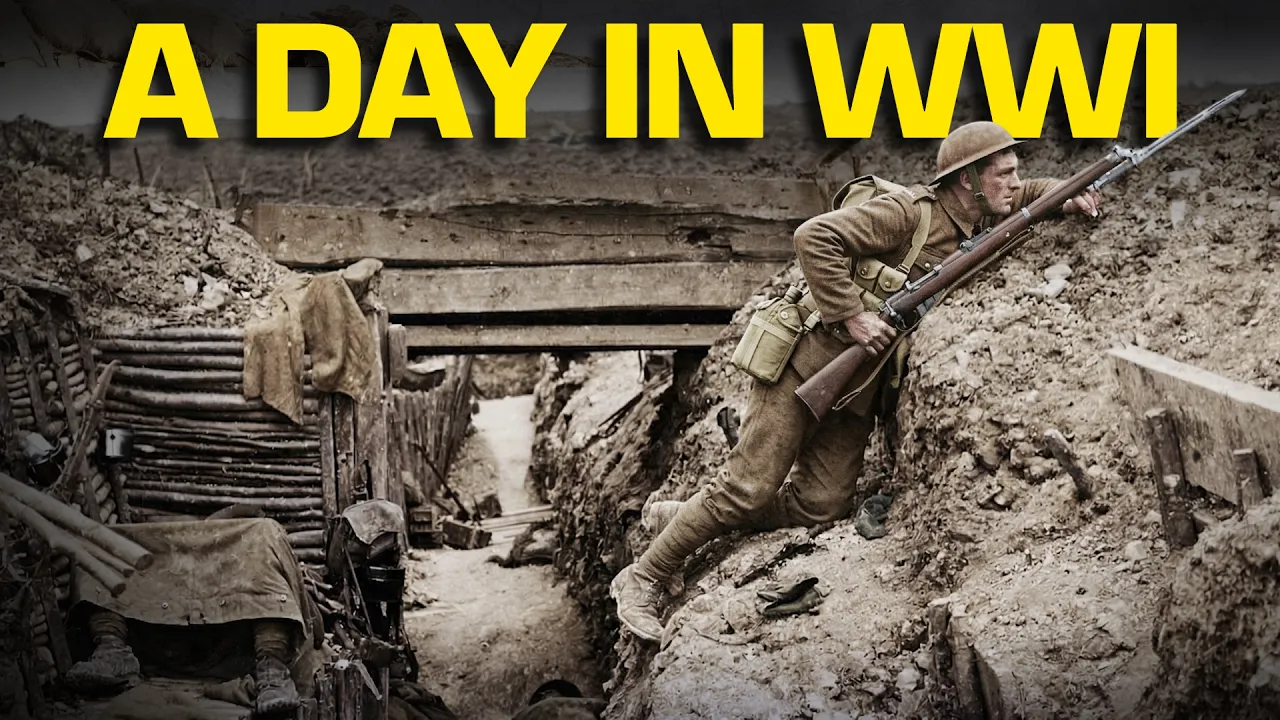
ask anyone to tell you something about the first world war and you can be pretty sure that it won't be long before trenches get mentioned what exactly was life like in the trenches for the ordinary Soldier stay with us as in this video we'll look at a typical day for a soldier in the front lines and what it was really like first off what was a trench in short it was an excavated stretch of ground usually dug down into the Earth's originally created as a simple way to offer protection from machine guns rifle fire and
artillery from late 1914 when trenches spread to cover more than 400 miles from the Belgian Coast to the border of Switzerland they were constantly improved and developed and by 1917 they were hugely complex systems by mid-1915 trenches had expanded not only lengthwise along the front but also backwards a trench system was made up of at least three lines a front line a support line and a reserve the idea was if the enemy captured a Frontline trench they would then be attacked from a support and so on some German systems in the first world were up
to seven lines and several miles deep not only did systems exist for fighting they also housed rest areas cooking facilities medical posts ammunition stores and unit headquarters they were linked by communication trenches lines running at 90 degrees to the front to allow men to move between the various positions in some kind of safety [Music] German trenches were typically more robust than Allied ones and that came down to a battlefield philosophy remember it was the Germans who had invaded in 1914 capturing 90 of Belgium and a big chunk of Northern and Eastern France when stalemate finally
took over the German philosophy changed to one defense in short we are staying here if you want us to leave you have to make us as a result German defenses were built to last with deep well-revetted trenches and often much deeper dugouts the alloy mentality particularly throughout the British was that a trench system was a temporary position to be re-dug in a new location after the next advance so let's take a look at a section of trench in a little detail in this case a British trench on the Storm as it looked in early 1916.
No Man's Land here was about 250 meters which is about average for the west of front you can clearly see the main lines and communication trenches running between them this section measures about 25 yards between these two points and would be manned on a normal day by as few as 10 men immediately obvious is the shape of a trench it doesn't run in a straight line and for good reason a trench without any turns in it would allow the blast of a shell or mortar to travel down and wreak havoc on a much wide area
it would also mean that an enemy soldier could fight directly along it with predictably horrific results so trenches were built with traverses of around 90 degrees every few meters section of 10 men would occupy a stretch of trench like this that would be led by a Corporal with a lance corporal assisting and might expect occupy an area like this for three to four days before being rotated out of the front lines for this example we'll take winter when it starts to get light about 6 30 a.m let's stay with this section and follow their trench
routine for a period of 24 hours beginning with stand two so stand two the order for every man in the section to man The parapet will be called each morning before first line the idea was that each mammal fix his Bane and be on the alert for enemy attacks which traditionally occurred around Dawn and dusk stand 2 lasted from just pre-dawn to full daylight at which point nine of the ten men would be stood down with the 10th remaining on Century go acting as the eyes and ears of his comrades for the rest of the
section it was time for the daily rum ration a favorite amongst troops doled out in jars marked SRD or Supply Reserve Depot the jars and the substance in the man the nickname seldom reaches destination this was followed by key daily ritual breakfast rations did vary in the first war but on the whole were quite plentiful the most common things to find were bacon cheese bread corned beef stews biscuits and jam food is plentiful because living and particularly working in the trenches was tiring and lots of calories were required usually cooked over a small open fire
or Brazier breakfast was a welcome meal for those on both sides of the wire who rather sportingly rarely interrupted each other's morning meal with breakfast finished and tidied away it was time for the men to look after themselves this meant a wash and a shave these were compulsory not only to minimize the chance of illness but shaving was particularly important as a soldier with stubble may not be able to use his gas respirator effectively a very dangerous situation often the last few mouthfuls are warm tea would serve as shaving water by 10 am half of
the section are to engage in The crucial role of weapon cleaning keeping rifles and other weapons in Prime condition was essential and special care was taken to remove any accumulated dirt it was important that only half the men clean their weapons at any one time as an enemy attack when the entire section had their weapon in pieces would have not ended well with weapons cleaned it was time for a visit from the platoon Sergeant who made a tour of all four sections under its command to check the state of the men weapons and trenches any
infraction will be punished depending on severity but could include extra duties being confined to Barracks when out of the trenches or being deprived of pay for a period of time with the morning's major activities out of the way most of the men in the section had a little time to themselves this might be taken up by writing chatting with comrades or resting before their two-hour stint of century Duty assuming no shell or sniper fire was seen or heard around the section which was surprisingly rare the rest of the morning will pass quietly midday was when
lunch arrived brought up the line by men of the Battalion home Reserve positions with any luck it would have been still hot by the time it arrived in its Dixies often this was stew usually meat and vegetable with of course a cup of tea about the same time the welcome mail would arrive it was much overlooked just how impressive the postal system was in the first world war in just a few days mail could reach soldier at the front and caring family members would often send luxuries to their loved ones which was shared by all
the section this was followed by a welcome period of free time for those not detailed for Century Duty it might be taken up by writing letters chatting sleeping or visits of the regimental medical officer who would make his rounds each day it would take the men up to about 4 30 PM in the coming of Darkness dusk brought another order to stand to where men would fix bayonets Mount the parapet careful not to expose their heads to the enemy and wait this might be an hour in Winter it was a deeply unpopular time with the
entire section prohibited from moving smoking or talking in all weathers by around 5 30 PM stand down was ordered one man in every three remaining on Century rotating at one hour intervals throughout the night for those not on duty it was time for supper often a hot soup perhaps spiced up with one of the favorite editions sent from home such as HP Sauce but night is really when the trenches come to life not only is there plenty of work to do but the ever-present risk of enemy attack mining or trench rates the latter were particularly
hated where an enemy Patrol might cross no man's land and attack a section of trench throwing grenades and wielding trench clubs or fighting knives even if nothing happened as was usually the case the ever-present risk did not make for a restful night other tasks were important at night such as improving positions and repairing trenches those movements which have been far too risky at daytime were all conducted under the cover of Darkness some jobs like repairing a trench parapet were not too bad but filling sandbags was certainly monotonous and tiring though far less popular were those
tasks require men to venture into No Man's Land repairing the barbed wire in front of a trench was particularly hated as any noise would inevitably attract enemy fire and often casualties sleep was hard to come by certainly in any quantity three hours is the most a man could expect before being called for his turn on Century Duty and so like this the rest of the night would pass for the section until around 4am when once again stand two was called and the next day of life in the front lines would begin looking at 24 hours
in the trenches for a soldier so it's just why trench rotation was so important living for four years in Frontline conditions was simply not possible without even taking into account the thankfully uncommon enemy Fire or the incredibly rare over-the-top attacks which might take place just once or twice a year for that reason trench rotation was vital with most men spending four days at the front four days in support and then eight days in Reserve nominally at rest it was an exhausting life and for me the real courage of the Tommy in the trenches was not
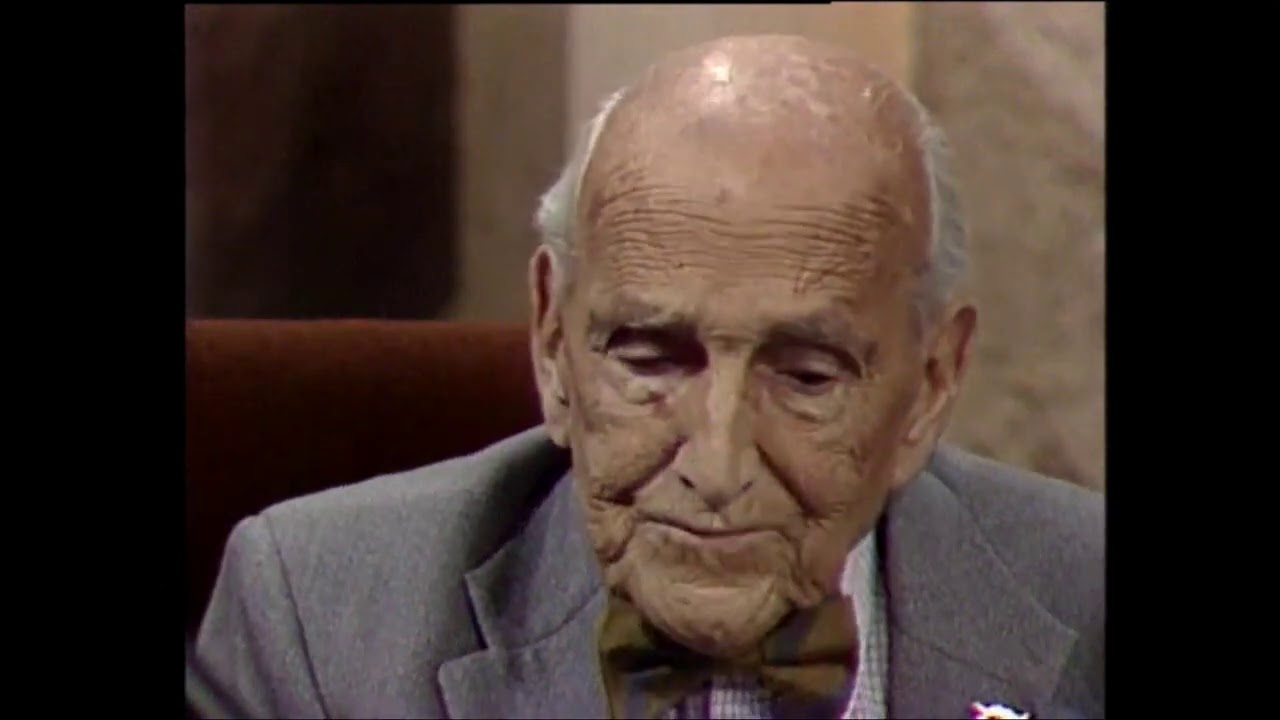
necessarily bravery in action but endurance the ability to survive and carry on regardless of the difficulties a veteran of the Great War when asked to describe his life in the trenches once said for me the war was 90 bored stiff nine percent frozen stiff and one percent scared stiff that brings us up to the end of this short video which you hope you enjoyed don't forget to like subscribe and drop us a quick message to let us know what you think and for the Die Hard history fans amongst you why not check out battleguide.co.uk where
each week we lead a live virtual tour of some of the world's most spectacular battlefields that's all this time we'll see you again soon