Every pill, every procedure, every standard treatment used against cancer today started as an idea tested through clinical trials. These studies provide proof that a particular treatment works. Without trials and people like you to participate in them there wouldn't be new treatments to improve the standard of care.
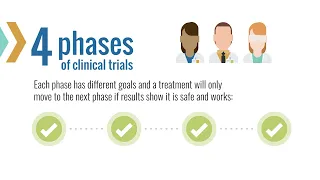
So how do clinical trials work? New drugs spend years in laboratory testing and only the most promising progressed to a phase one clinical trial where the goal is to establish the drugs safe dose and side effects. Everyone in a phase one trial gets the study drug but the dosage may vary through the course of the trial.
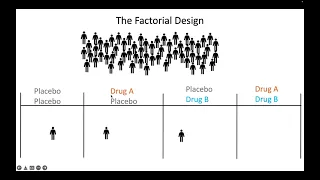
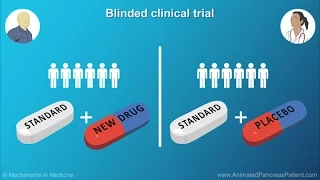
Successful drugs usually move on to a phase two trial. Here, the goal is to compare the study drug to a standard cancer treatment. Patients are typically assigned at random to receive either the study treatment or a currently used treatment meaning you have at least a 50-50 chance of getting the new drug.
New drugs that show promise here move on to the final or phase 3 study. Here, large numbers of patients are randomly given either the new drug or the standard treatment to confirm that the new drug is better. If successful, the new drug can be submitted for FDA approval to be prescribed regularly in any cancer clinic.
Cancer clinical trials rarely, if ever, enroll patients on totally inactive treatment. Study participants either get the promising new drug or treatment similar to what they'd get if they hadn't enrolled in the trial. Because of clinical trials new treatments are being safely tested and made available to patients around the world.