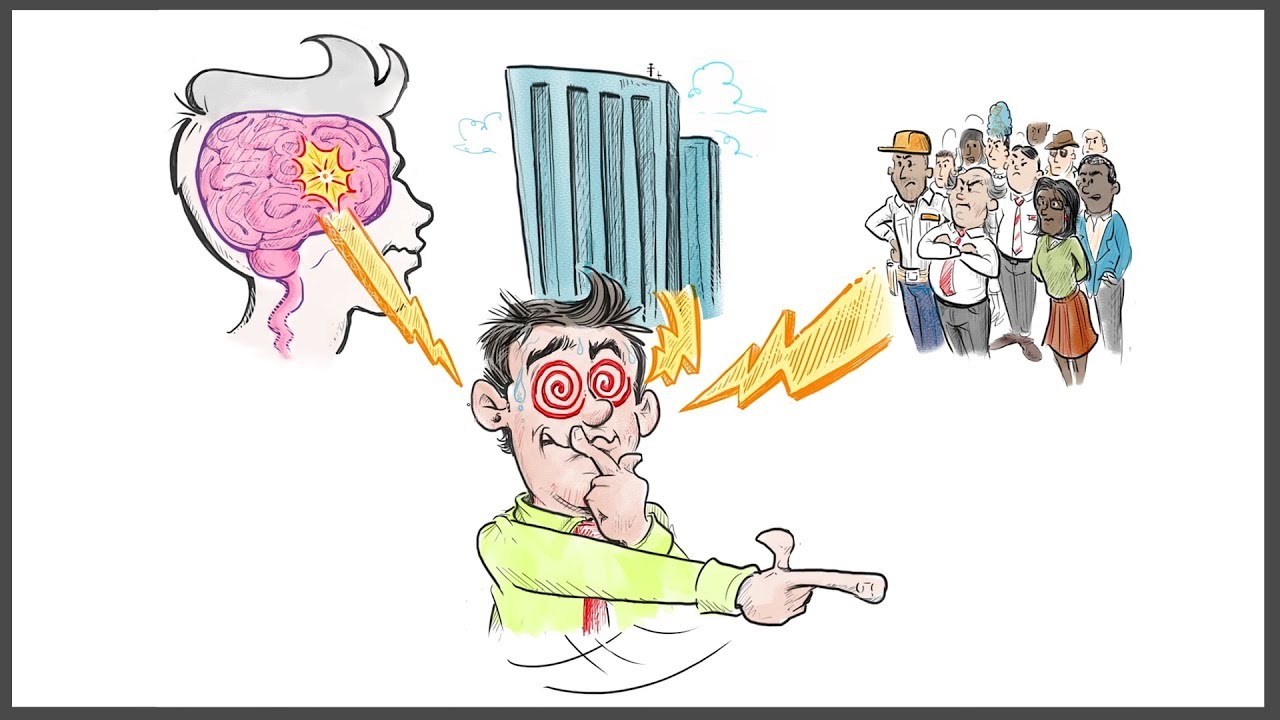
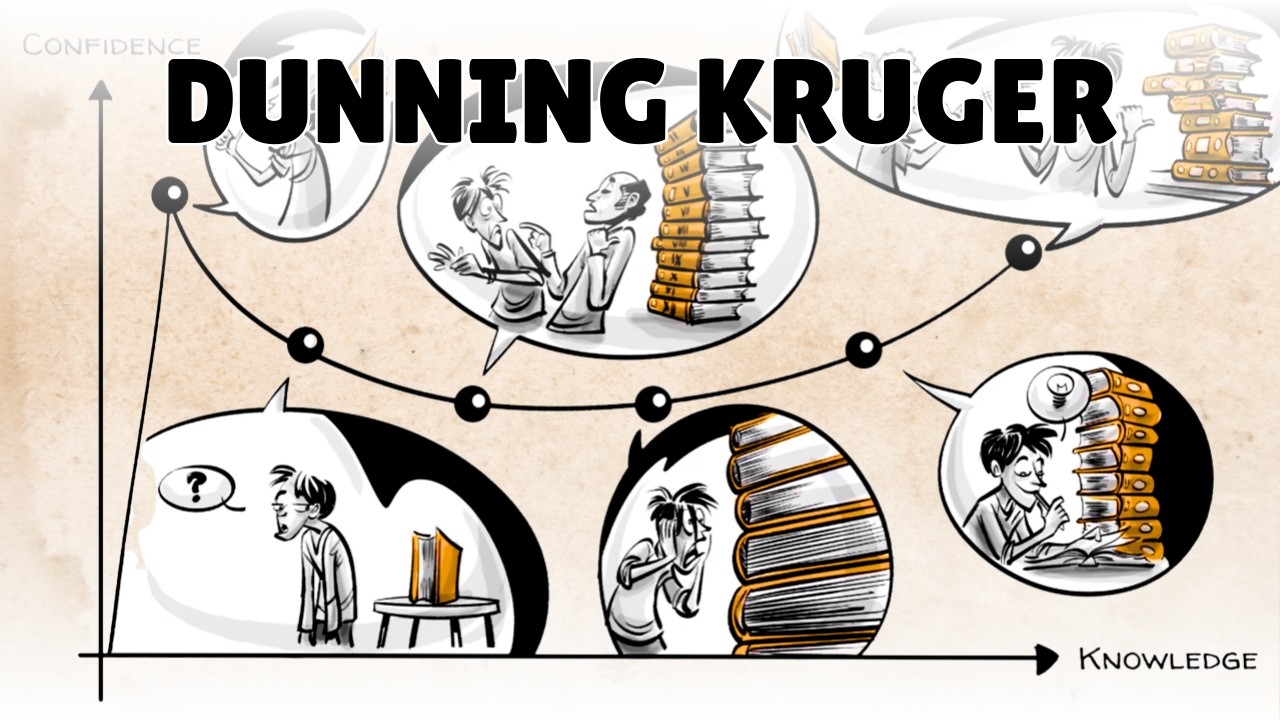
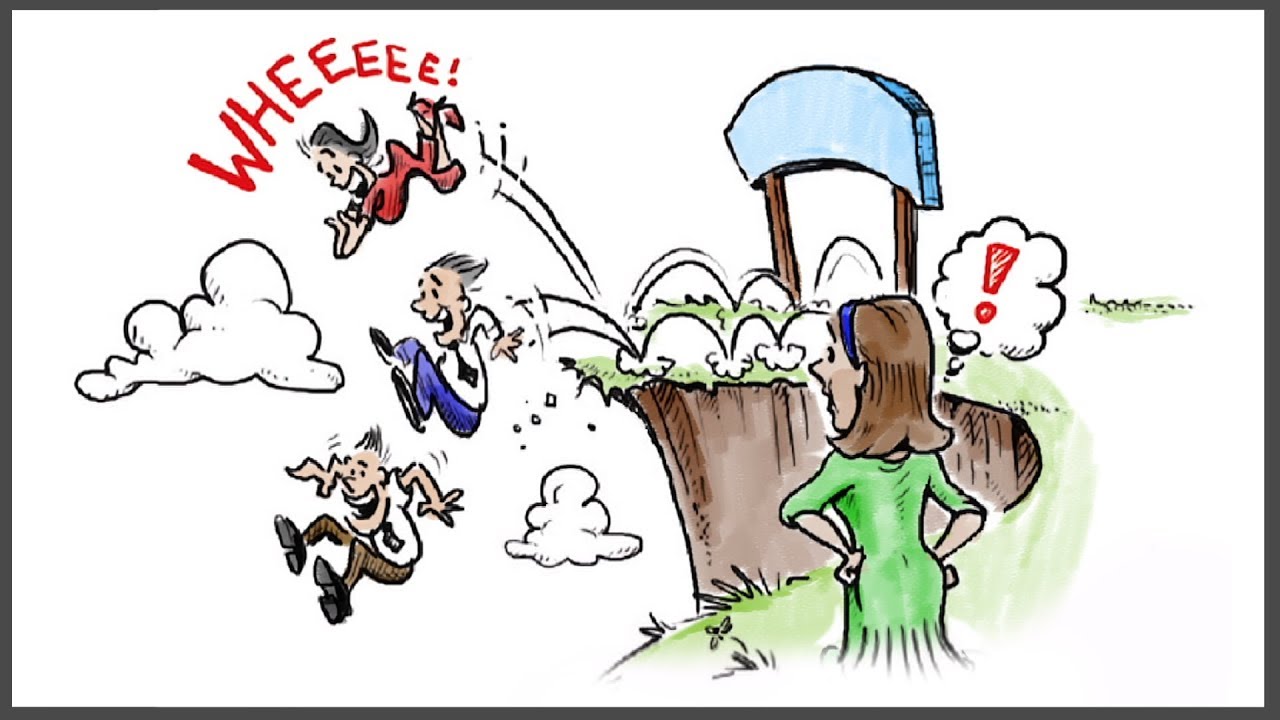
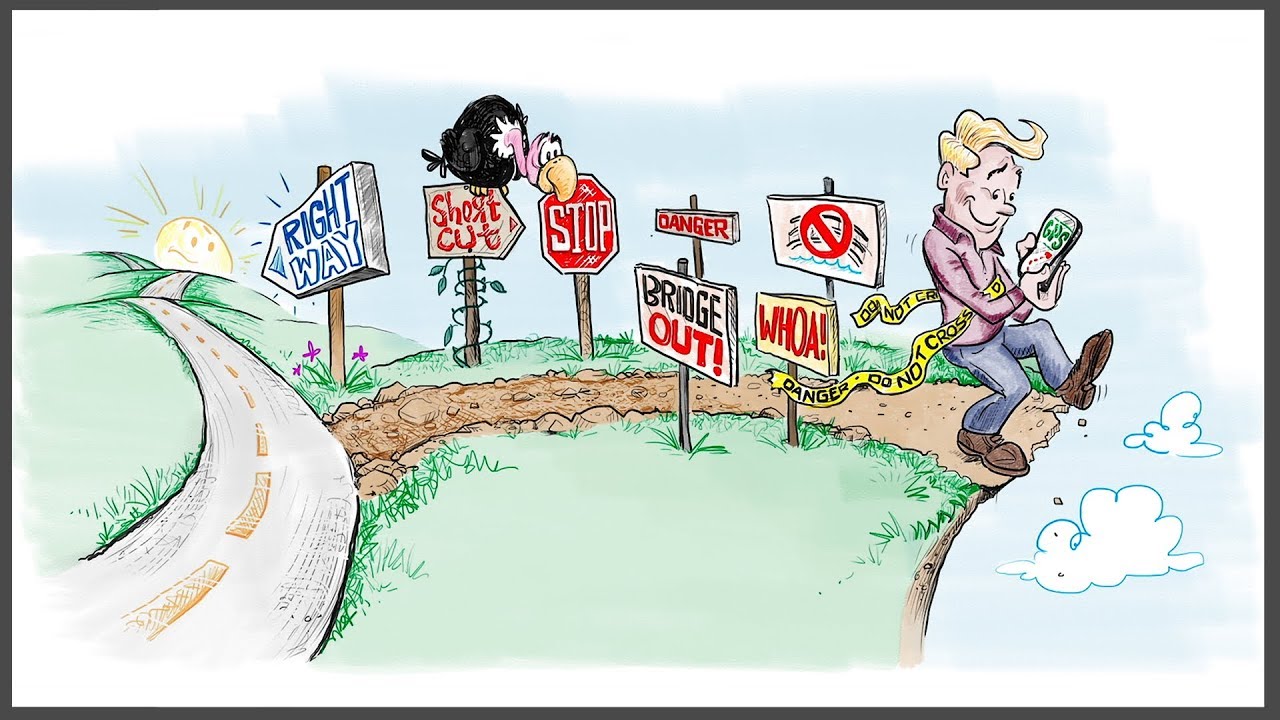
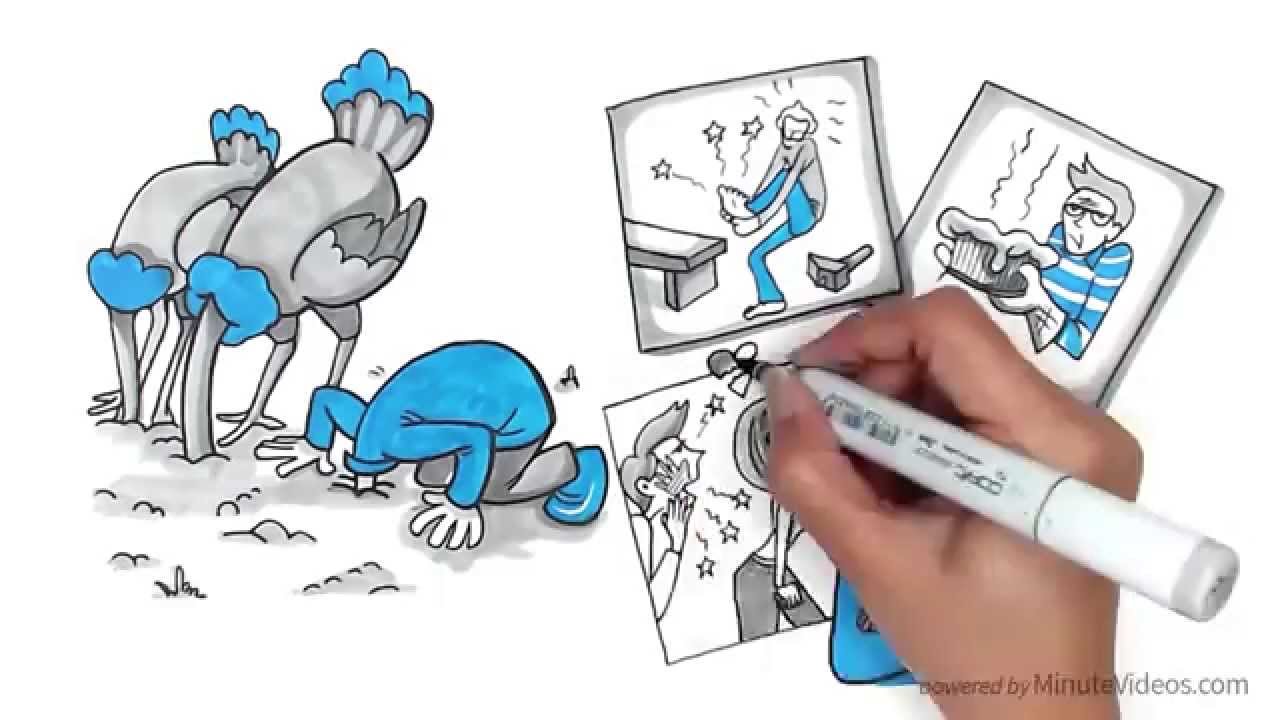
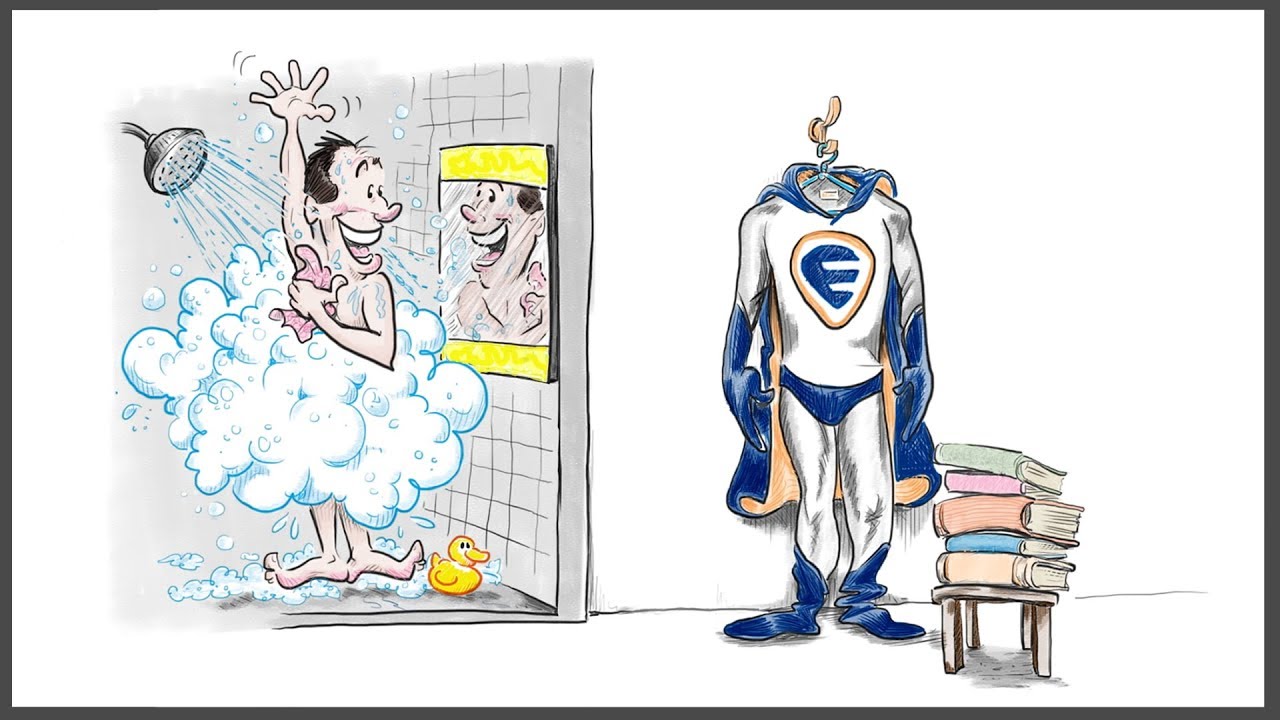
[Professor Robert Prentice] Good character can be undermined by overconfidence. David Brooks wrote in his book, The Social Animal, that human minds are "overconfidence machines," and the psychological literature bears that out. A substantial majority of people believe erroneously that they are better than average drivers, more likely to be able to afford to own a house than their peers, and more accurate eyewitnesses than most other people.
[Britta] Oh, I’m an excellent driver. [Francisco] I do believe that I’m a better driver. Yeah, other people don’t know how to drive, but I know how to do it.
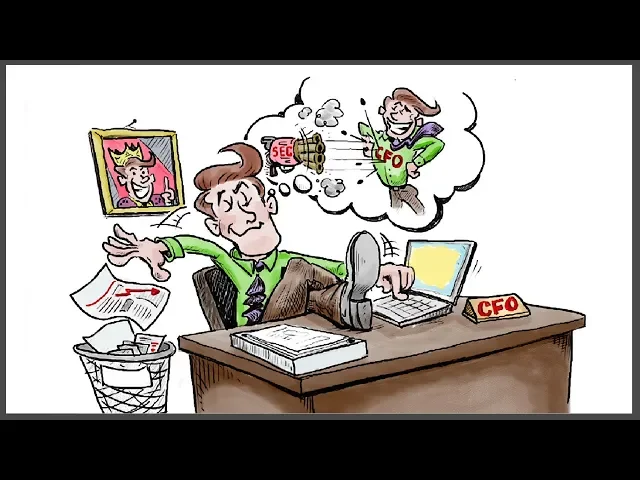
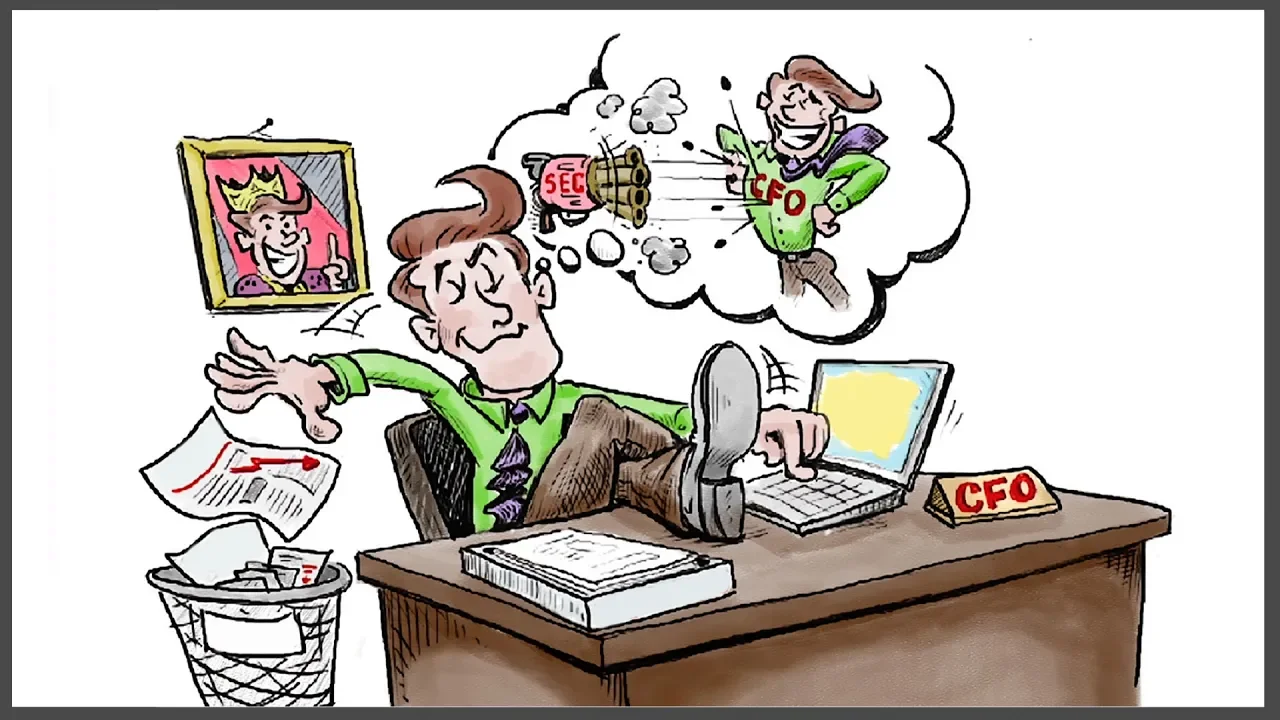
Entrepreneurs like Bernie Ebbers of WoldCom and Richard Scrushy of Health South, who built small, obscure companies into economic powerhouses, may gain a sense of invulnerability through a series of successes. Their minds underplay any role that luck had in their success. Indeed, a 2012 Empirical study indicated that overconfident executives with unrealistic beliefs about their future performance are more likely to commit financial reporting fraud than other executives.
Essentially, they are more likely to get themselves into predicaments where committing fraud seems the only way to deliver on their promises. [Megan] I know what I needed to make in that class to, you know, further my career. I felt all this pressure.
I got up and I went to the bathroom and I looked through the stalls just in case someone had taped up the answers. Just in case! Maybe it was my luck.
Morally I would have never made that decision. That’s not usually what morally I stand for, and I never thought I would find myself in that position. People's irrational overconfidence also applies to the ethical correctness of their acts and judgments.
In one survey, more people thought that they would go to heaven than Mother Teresa would! Other individuals surveyed reported that they were twice as likely to follow the Ten Commandments as other people. In fact, 92% of Americans report that they are satisfied with their own character.
I have been in different situations where I have access to information that not every student has, and I have never used it to my advantage. So I would like to think that I’m a little more ethical than other peers. This same overconfidence manifests itself in the workplace, where impossibly high percentages of people believe that they are more ethical than their competitors and coworkers.
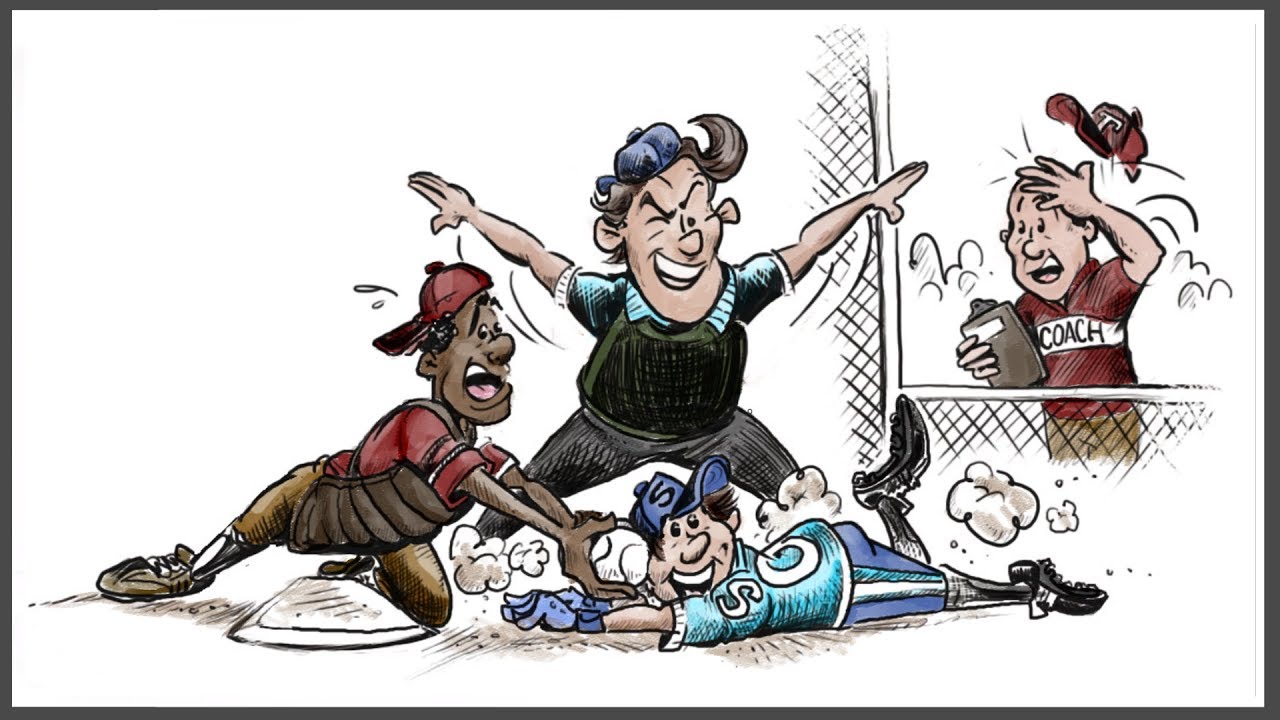
In one study, 61% of doctors believed that the "freebies" given out by pharmaceutical companies affected the judgement of other physicians, but only 16% believed that their own judgement was similarly affected. We were playing a very difficult team and I was the tallest on the team so I was always the person who did the tip-off. Coach comes up to me and he says, "That’s the girl you’re going to be tipping-off against.
Can you jump higher than her? " And I looked at her and I said, "Oh yeah. " She out-jumped me by like six inches.
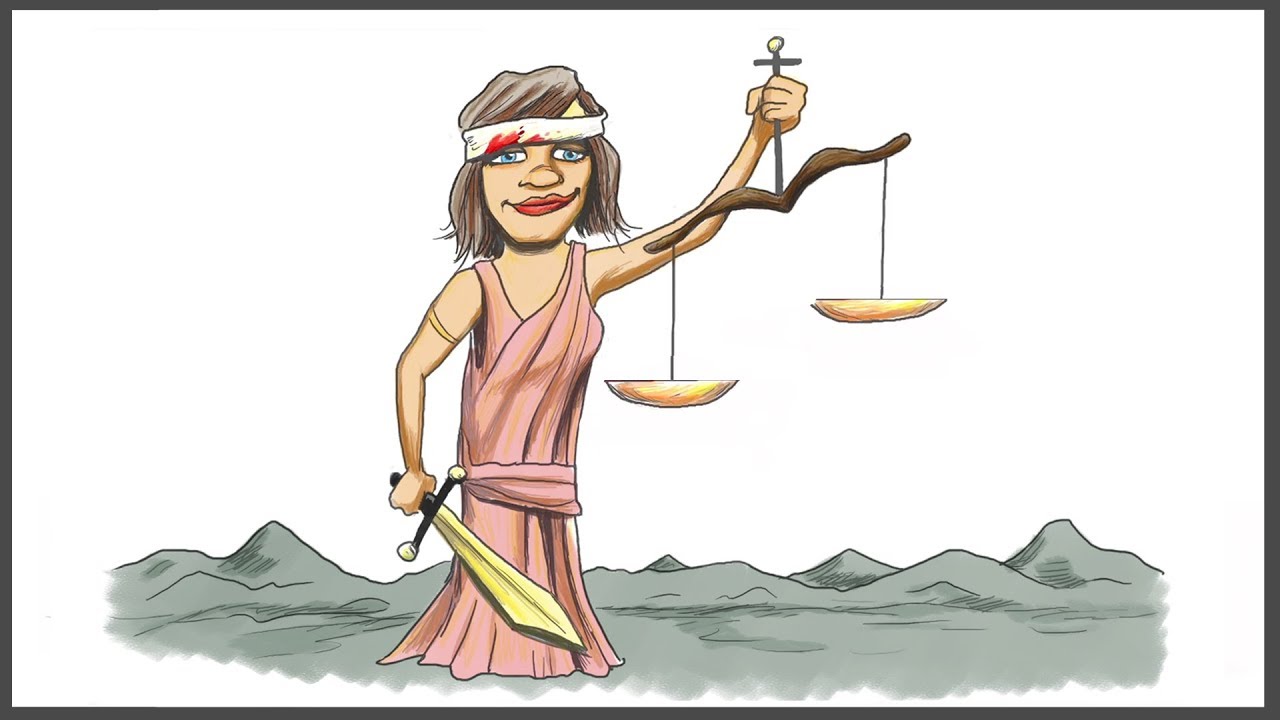
It was awful. Most of us simply assume that we are good people and therefore we will make sound ethical decisions. This overconfidence in one's own moral compass can lead us to make decisions without any serious ethical reflection.
When hints of the Enron scandal first began to appear in the press, Enron employees' overweening confidence in the competence and strategies of their company, often named the "most innovative" in America, caused them to express surprise and indignation that anyone would question the ethicality of many of the firm's actions. Any outsider who questioned Enron's tactics or numbers was told that they "just didn't get it. " That's ethical overconfidence in action, and it's part of the reason that Enron no longer exists.
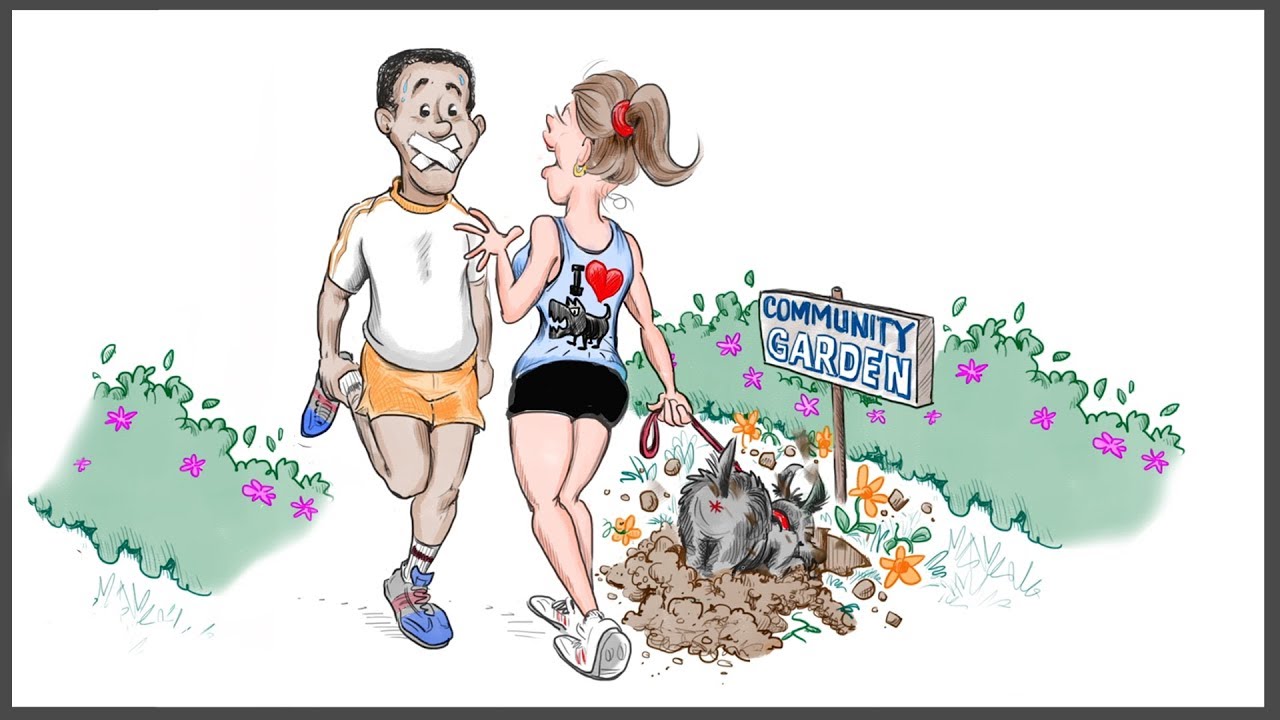
[Kushboo] Sometimes it’s hard to even realize that you’re doing something wrong until somebody else points it out to you because in your mind what you’re doing is always right. I try to think through everything and I try to kind of make the situation smaller so it gives me less opportunity to be tempted. [Robert] Hold yourself up to a standard, and even when you’re meeting or exceeding that standard to still keep yourself accountable to that.
[Jeff] It’s not appropriate to slack off if you make a good decision. There is… I think there’s a right social expectation that people do the right thing every time. [Cheyenne] I think when you come to a spot, especially when you’re in a hard place, that kind of morality will definitely come into play and the decision-making is up to you in the end.