The tendency when you're in the chasm is I just need more customers I should take any customer I could find right because I we need we need Revenue right it's like taking a match and running it back and forth under a log it's it's not to like the log so how do you start a fire where you started by put a little kindling a little Crump up paper and you hold the match one place until some the fire starts and that's why adjacency is So important if you light the fire the piece of kindling is
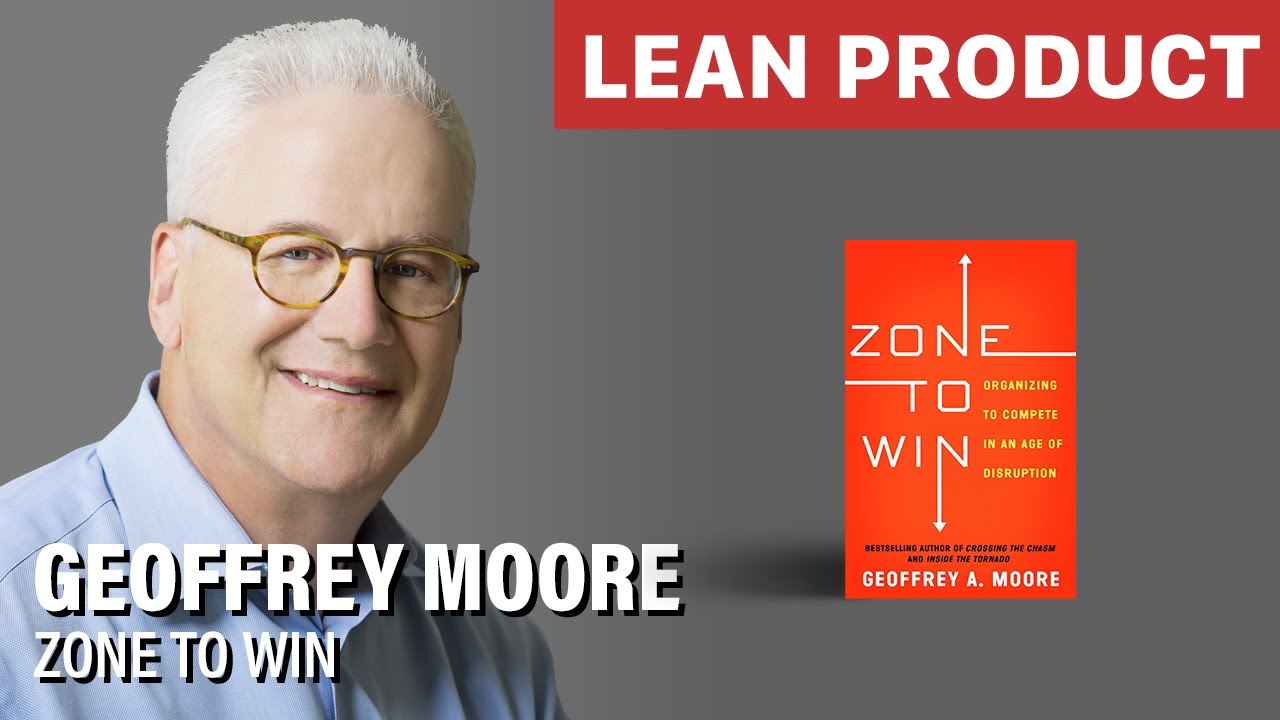
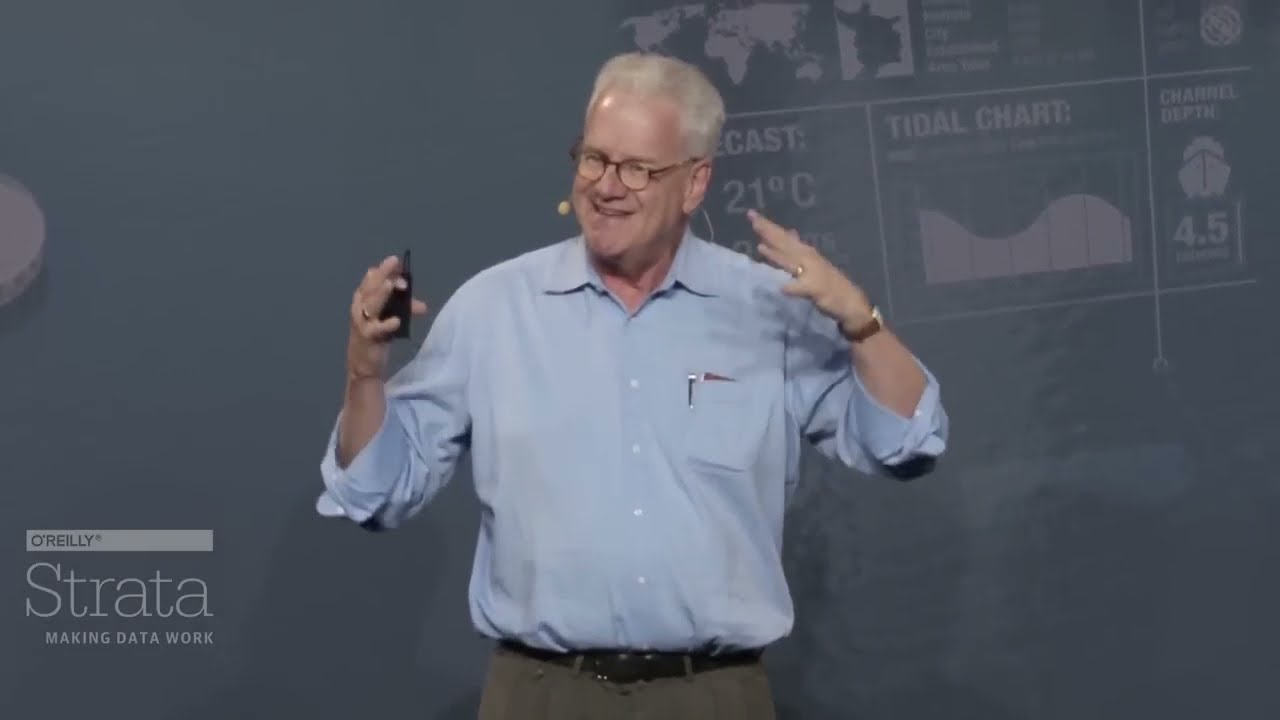
here but the log is you know in the other room that that doesn't work today my guest is Jeffrey Moore Jeffrey is the author of maybe the most influential and important book on go to market ever written crossing the chasm even though it's sold over a million copies still feels like people continue to reinvent many of the lessons that Jeffrey uncovered and shared in a Seminal book in our conversation we discuss why it's so important to get very narrow with your initial audience how the bowling pin strategy helps you get past early adopters what what
the specific goom Market Playbook is for every stage of the adoption life cycle why using the wrong Playbook during the wrong phase will slow you down also the seven deadly sins of trying to cross the chasm incorrectly also how to sell your product to different personas why you Don't need to focus on the problem and the pain when you're selling to early adopters plus some real good life advice that I didn't expect Jeffrey has so much wisdom to share if you're building a B2B company and I'm really excited to bring you this episode with that
I bring you Jeffrey Moore after a short word from our sponsors let me tell you about command bar if you're like me and most users I've built product for you probably find those little in product Popups really annoying want to take a tour check out this new feature and these popups are becoming less and less effective since most users don't read what they say they just want to close them as soon as possible but every product Builder knows that users need help to learn the ins and outs of your product we use so many products
every day and we can't possibly know the ins and outs of every everyone command bar is an AI powered toolkit for product Growth marketing and customer teams to help users get the most out of your product without annoying them they use AI to get closer to user intent so they have search and chat products that let users describe what they're trying to do in their own words and then see personalized results like customer walkthroughs or actions and they do pop-ups too but their nudges are based on in-product behaviors like confusion or intent classification which makes
Them much less annoying and much more impact pable this works for web apps mobile apps and websites and they work with industry-leading companies like Gusto freshworks Hashi Corp and launch Darkly over 15 million end users have interacted with command bar to try out command bar you can sign up at commandbar docomond is per month for any plan that's commandbar dcom SL Lenny this episode is brought to you by Work OS if you're building a SAS app at some point your customers will start asking for Enterprise features like samle authentication and skim provisioning that's where work
OS comes in making it fast and painless to add Enterprise features to your app their apis are easy to understand so that you can ship quickly and get back to building other features and hundreds of other companies are already powered by work OS including ones you probably know Like versel webflow and Loom workos also recently launched authkit a complete authentication and user Management Service it's essentially a modern alternative to op zero but with better pricing and more flexible apis oit's design is stunning out of the box and you can also fully customize it to fit
your app's brand it's an effortless experience from your first user all the way to your largest Enterprise customer best of all offit is free for any Developer up to 1 million users check it out at work.com to learn more that's work.com Jeffrey Moore thank you so much for being here and welcome to the podcast well it's nice to be here Len and thank you for having me it's incredibly cool to have you on you've been at the top of my wish list of guests to have on this podcast ever since I launched it so it's
kind of surreal to be chatting with you and it almost feels like maybe this Podcast has crossed the chasm now that you're on if you called me earlier I probably would have been on it with you but anyway we we're together now I thought it'd be fun to start with this question of just what frustrates you most about what people still don't get about the things that you teach particularly crossing the chasm you wrote that I think 33 years ago at this point you have a lot of follow-up books around the topic what do you
think People still don't really understand or often get wrong all the books I write are about Frameworks I mean they're they they they're conceptual models about what what what pattern should you be looking for as something evolves because there's no in these in the in disruptive innovation there's no there's no history right you're you're you're always projecting a possible history and then seeing if you can make it come true so that implies there's a lot of freedom to Sort of uh exercise the framework however you choose to and and people people sometimes do that in
ways that are just they actually end up Mis being very misleading about what what's possible uh so I I can remember one person early on saying yeah we're crossing the chasm our beach head segments The Fortune 500 any I don't think you're maybe you're as clear on this as you could be so so and and to be fair that's kind of What the function of any third-party adviser is is to say look time out you might be looking at this through an inside out lens maybe you should be looking at it from an outside in
lens so that that's probably number one gosh after that I'm just I'm just empathetic with the fact that their world's more important than my world so I try to work with their with their with their world so that's exactly where I actually wanted to go next is this idea of Starting very focused with your initial target audience I think people conceptually know this they're like yeah we should be really focused with our initial target market we should stay very small and expand this beach head idea but I think they still don't quite actually do this
because it's like why not go wider so could you just talk about why that is so important and how to actually think about how to do that correctly if you're essentially in a Business where the categor is emerging then the most important thing for you to do I is to be able to create enough power around your company that you can navigate your future on your own power so where does power come from uh in an early adopting technology world first of all it'll come from can you get a lighthouse customer so one of the
things we try to do even before you try to cross the chasm is can you get one or more customers who kind of put you on The map and and they go whoa did you know that the CIA used AWS you know like holy smoke okay that's great it doesn't make a company but it but it makes a story and it lets it lets people know oh you're the guys that did the CIA project that kind of thing the crossing ma casm model is can you create a viable repeatable business and in order to do
that you need to have an ecosystem of Partners work with you in order to consolidate your position well why would An ecosystem work with some startup that nobody's ever heard of and the answer would be if you had Consolidated the Market segment where you are number one so one of the things we've learned about company power is that it's basically it's the company power plus the ecosystem together and so ecosystems form around Market leaders and they do not form around the rest of us if you're a category leader if you're like Oracle and databases you
know you're 40 years In you're still the leader because the ecosystem organized around you but when you're little the only way you can get ecosystem to organize around you is to go after a segment where you're a big fish in that pond so so we we talk a lot about fish to Pond ratio right you you want to you want to your first Pond your target segment should be something that the next two years if you hit your you know really high growth rates you'd be 30 40 50% of that of the market share in
That segment that would cause Partners to go well if we're going to serve that segment we got to work with these guys right and so so that's kind of the key and and the and the concept there is well why wouldn't you also you know do two or three or four segments at the same time it's sort of the same reason why wouldn't you run in three or four primaries at the same time if you want the presidential nomination although why you would want that nomination I have no Idea but but if you did you
realize if you're running in New Hampshire votes in Vermont do not count and it's the same thing with crossing the chasm you need to get three or four or five or six you know reputable companies in a segment to all pick you for then the rest of the segment to go well it's pretty obvious vious who the standard is and and I'll just close with one last comment and the reason the mechanism behind all that logic is that pragmatic people buy what They see their peers are buying and so if Pier One is buying product
a and perer Pier two is B and C and D there's no market leader and and and and the category kind of goes sideways but if if if a b and c if three out of four people are using the the iPhone say oh I guess I'm supposed to get an iPhone that kind of thing awesome I'm glad you went there because that feels that's essentially the root of this crossing the chasm idea that people after the chasm the Pragmatists wait for references and social proof and they're waiting for someone to tell them this is
worth using versus Visionaries right before the chasm they're like I just want to see use the future I need to be there before anyone else right and one of the ways we try to capture that little thought bubble is before the chasm the customers you work with are people who say we believe what you believe so they they're on the same side after the chm they say I'm not sure about that but we need what you have so transitioning from we believe what you believe which is kind of how you sell The Visionaries to we
need what you have which is how you sell the pragmatists that's kind of the the shift let's actually spend some more time there on what it is that each of these segments needs and how you convince them to use it because this is really useful so in these pragmatist group you're saying that pitch there is You have a pain I will solve this pain and it's important pain and I think people always assume that's the pitch but interestingly your point is earlier in the two segments and maybe share with those two are they they use
your product for a different reason in fact there's a total in the model of the technology adoption life cycle that we organize this all around there's actually four I call them inflection points so the first one we call the early Market that's the One we were talking that's The Visionaries and the technology enthusiasts they are as excited about you as you are I mean they want the demo they want to see the vision they're they're exciting and what they're and and the key to that market is to have an executive sponsor who has enough clout
to essentially fund this thing as a because there's no budget for you so they gotta create the funding and then kind of Drive the organization to go all The way to Bright I mean and they're not that many Visionary customers but there's always one or two and and and and and the reason why it's so important to work with so a marquee customer then is you look nobody's ever heard heard of you and if they've never heard of your customer I don't care how how amazing the win is no nobody's gonna hear about it so
it's really important you did it with apple or you did it with you know Verizon or you did it with you know Mercedes somebody the people have heard of so that's number one and that's a project model even if you've got even if you're if what you sell is a product those early Market every one of them's kind of a snowflake it's it needs a ton of special services there's no ecosystem of Partners to support you so you throw a bunch of extra labor at it you do whatever because you whatever you got to make
them successful so you'll do whatever it takes okay very cool got my Marky client not scalable business I mean obviously so then the second one is is the cross en Chasm Playbook that's the one that organizes around the problem the good news is those customers are open to hearing from someone new because they've already talked to everybody they already know and the problem is still un it's not that it's unsolved it's being solved in a crummy way and and by the way in a deteriorating crummy way so it's getting Actually worse so there's pressure for
them to act this is where you go from the project model to the solution model and as a vendor you overcommit to their problem you from the very beginning from the very beginning you talk to them they don't want to talk to you about you they want to talk to you about them and you need to ask them probing questions about them just like going to a doctor you don't want the doctor to come and say hey can I show you a movie the operation I just did you know I want to give you a
demo do you mind if I give you a demo it's like no what I would like to do is talk to you about this pain I have in my side and then when the doctor asks you good questions about it you go ah this is a good doctor I'm gonna trust this so that's the whole point about that and again that scales a lot more than a project business but it only scales up to the limit of the target segment right so we had this bowling alley model of Sort of extending you could go to
a second segment a third segment if it was adjacent so adjacent means either it's the same customer with a different use case or it's the same use case in a different customer base and and and because the one case you use your customer references the other case you use your partners because the partners who built the one use case will say well we got another segment that we work with let's bring you into that segment too so That can take a company from I don't know tens of millions of dollars to hundreds of millions of
dollars you can in the bowling out and in specialized Industries like computerated design or things like that you can actually go to a billion dollars or higher but but with most other categories at some point you have this third inflection point which is it's when people go well wait a minute Wi-Fi isn't just for you know Financial analysts or isn't just for Wi-Fi is for everybody and and so instead of saying we believe what you believe which that's we're not there anymore and even these people aren't even really saying we need what you have what
they're saying is we want what they have this is really cool I want what they have and that creates what we call the tornado and that's when that's when people you know everybody this is when you do want sales coverage and you do want to go Broad and you do want to have A standard product and basically you want to capture as much market share as you can I mean there's a whole Playbook around around doing that which was in a book called Inside the Tornado and then the last one which is actually becoming much
more important is in in this Century it's called is is is Main Street but Main Street where products have become commoditized Services become the new place of innovation so you know we've had taxis for a 100 years but Uber Is an incredibly valuable thing and you know you convert the product to the service and how do you re services and that's a situation where where now people are saying look I don't want to own the product I don't want to own well kids I don't want to own a car I just want to call Uber
I just it's convenient so anyway those are the four models and and and crossing the chasm was about that second amazing you touched on so many things that I want to Talk about I definitely want to dive into the bowling alley metaphor and strategy there but to close the loop on this target audience to start with initially first of all you have this awesome uh bonfire analogy that I think might be useful to share and then along that is there an example or an example or two you could share of just someone that did that
really well of picking a really good initial Target sure so well the the bonfire analogy is just you know The tendency when you're when you're you're in the chasm is I just need more customers I should take any customer I could find right because I we need we need Revenue right and but I the analogy I have is it's like taking a match and running it back and forth under a log I it's just it's not going to like the lock so how do you start a fire well you started by putting a little kindling
a little crumpled up paper and you hold the match one place until some the fire Starts and then you want to build the bowling alley metaphor is a little bit about how first of all how could you win your first segment but then increasingly how how would you go forward to win and that's why adjacency is so important if you light the fire and the piece of kindling is here but the log is you know in the other room that that doesn't work right so so I think those are kind of the key ideas um
there's a lot of people that have made crossing the chasm uh uh Successful the one that we wrote about first was this company called documentum and it's a good example so was a document management database back in the day that was not that nobody had any what what what would you why would you why would you need this started with the pharmaceutical industry because Pharma said well new drug approvals are 500,000 page documents and they really really really hard to manage and we're screwing it up and every day we screw it up we Lose a
day of patent life of our drug and the patent day of patent life is worth about a million or2 million dollars a day this is a bad this is a bad situation we need to do something so okay Pharma you got Pharma great well then what happened was the guys in um in petrochemical so well you know we're in the chemical industry we're not in the pharmaceutical industry but we have these standard operating manuals and we have all these regulatory demands on us Too not quite like the FDA but this looks like this could be
pretty useful to us too and then after the petrochemical guys got well the the the chemical guys got then the petrochemical guys got and of course they're oil and gas and they say well you do an add dish we have all these leases and all these and Lease holds and it's really we need this our you this is this property is critical to our future plan so we need a document database for the leases so the Guys on Wall Street who are financing these guys are going well wait a minute hell I mean we're we're
paper from wall to wall here why don't we and so what happens is you have this thing of of this expansion but in each case it was into a new segment but the use cases were close enough so a startup founder is listening and trying to decide is their initial target audience their ICP too wide do you have any advice for how to know if this is still too wide and You should try to get more and more narrow I know you talk about a single use case what else should people be thinking about there
well so first of all before you try to cross the chasm Do you have a Marque have you won a marquee customer that puts you on the map so don't don't that's that because if you're not you need to get Vis you need to make yourself visible before you can make the crossing the chasm play Let's assume you've done that so so then your First thought why don't I just use that industry turns out that the Visionary person you work with first of all they did some very weird things because they're Visionaries and second of
all they don't want to help their industry the whole point of this was they want to get ahead of their comp competitors they didn't want to help them so normally you can't use the Visionary project as as your vet you'd love to from a point of view of reusing the work you just can't So then the question becomes okay where am I going to go and so the the key formula and this is the formula if there's one sort of takeaway from Founders listening at this point you want to have a Target segment that is
big enough to matter small enough to lead and a good fit with your crown jewels that's the formula so big enough to matter means if I got if if I if do I have enough room to double or often Venture capitalists talk about a triple Double followed by a double triple so if you said okay I'm a let's just I'm gonna make you a million dollars with that Visionary but just to give you a number okay so a double triple would be I went from 1 to four and from four to 12 and then I
did a triple double so that would be 12 to 24 24 to 48 48 to 90 okay so how how would you get from one to100 million so you want to have a segment say that I could get to $100 million in in in a fiveyear that that that that was A fiveyear window right so you say okay but what it can't be is a billion dollar segment because if it's a billion dollar segment you might be able to get there but you would not be a big fish so that's a fish to Pond ratio
thing so you want to think about particularly as you're starting out if you if if you could if you could this is a B2B model predominantly if I could take the top 20 customers in this SE meaning but what do I mean by a segment It's in the it's in the same geography people in Japan don't talk to people in America people in America don't talk to people in Germany they even speak different languages I don't know why everybody doesn't speak English but apparently they don't so that they have to be same geography same industry
because you know dentists do not talk to to you know software designers who don't talk to advertising people and in the same profession so sales people don't Talk to finance people and finance people don't talk to to you know guys in the warehouse so so same industry same geography same profession and then the compelling use case which is the thing that and that and the that's the that's the thing that starts the fire I mean there's segments everywhere and they all by the way they all have that they all do every segment works the same
way if I have to make a high-risk buying decision I'm going to talk to my peers about it And I and I don't want to be first I want to be able to do whatever the herd's doing but what a compel sing reason to buy does is it it goes well but I have to act faster than I want to and that's what you need as an entrepreneur you need the customer to be coming toward you even though you're you're new and you're unproven and you frankly you scare the crap out of them but they're
even more afraid of the problem that they're saddled with and so That's why you can build a relationship with them amazing and this phase comes you kind of imply comes after say you're at a million dollars AR you don't do this sort of work of trying to cross the chasm at that point until you reach something like that not sure AR is going to be the right the right reference here's what you need you need a major account who's gone all in with you on the new technology and who is willing in some way to
to talk about it the good News about Visionaries is they tend to have fairly big Egos and they tend to like to talk so so so that it's a pretty unlike pragmatists who will not want to talk pragmatists they'll have to go to legal and get permission and blah blah blah but but but but once but once you've got that whatever your revenue is at that point you you should be starting to think about well how what is my beach head segment and the good news about crossing the chasm it's not expensive I Mean think
about it once you've said I'm going to stay in one geography in one industry one profession think about your marketing budget I mean you're not you're not buying Super Bowl ads here there's no sock puppets you know we're not that's not what we're doing right we want we want to get to maybe 200 people uh you know with with a message and then and then do you do you have the domain expertise to really understand the problem and if it's a really compelling Problem they'll take the meeting and that getting that meeting is is because
you know if you're if you're a entrepreneur founder you're probably fairly charismatic first of all you you've convinced your spouse that you're willing to like work for no money and with no benefits and maybe you pitched the venture capitalist you you fooled them so why can't you fool these guys anyway that would be the way it would go essentially the advice here is If you're a new early stage startup one of the biggest Milestones you want to aim for is a big Marquee customer like when I think about this and look at a startup deck
if I see something like figma's using this product or notion or Salesforce like clearly I'll be like wow okay these really sophisticated people decided this is useful to them and so I will innately trust that there's also often advice of don't work with big companies because they'll push you Around they'll take a long time they'll force you to build a thing just for them and it won't apply to other people what's your advice to avoid that downside it has to do with the Persona of the executive sponsor nine out of 10 executive sponsors are going
to be the negative because they're they're going to be a company person working with company processes they're going to send you to purchasing nobody's going to be happy you're looking for the 10th one And the 10th one is one who says I'm so tired of of the status qu I'm looking for people that are more Visionary like me I like talking to you better than I like talking to my peers because you're you're different and I want to be different I want to LeapFrog the world and these people just want to stay on the escalator
so they're staying on the escalator God bless them but I want to I want to I want to jump over the top so it's a Persona based choice is the key Thing there that is really interesting and then say that you are an early stage startup again how soon do you think it makes sense to invest in finding that big Marquee customer versus finding some smaller imagine you start with like some startups to see how people you know you don't go straight there yes and so initially I think with with and of course you and
I are both playing the let's be clear we're playing a software game I mean like for example I was Trying to apply this framework to Intel and Intel said to me Jeffrey you do understand that a prototype product in our industry cost about $500 million like okay okay okay okay maybe maybe maybe that's not the same model but for most of the I think in our world right now with digital transformation most entrepreneurs are doing some software Le play which means you can work with a small team and and so I think what I would
advise is I would do Projects I would init even if though I'm a product even though I I have a product Vision I would start with trying to make as my projects and and and which would be very customer-led then frankly initially even if I have a road the customer's probably going to take me off my road map a bit and I have to be willing to say I'm going to I'm going to open the apperture enough because I need I just need to get enough experience with the technology I need to get I need
To put in people's hands if if if it's a premium play you can you can do it you know for free but that that tends to be more of a consumer play there Exceptions there are B2B companies like alassian and things that did start as a premium play but that's not as normal I I would I would think more the consultative play to do that but what I would try to do is I would try to get to cash flow break even on my own money with no Venture Capital the only reason you need venture
Capital is if the with two things either a that the technology is too expensive and you cannot self fund it uh gpus a bunch of that training large language modules those kind of things or um this thing is going to get catch fire too soon and I don't have time to dither around for two or three years so those are two reasons to go to venture capital but just because you want to do a startup doesn't mean you need Venture Capital yeah we had Jason freed on Recently the uh CEO of base camp and he
made that point in many different ways the benefits of not raising and how most PC funded companies do not work out and even when they do you often don't make as much as you could if you try it to bootstrap it so I think there's a lot of residents there and you have this quote that essentially kind of what you just said that with a single round of funding you should be able to cross the chasm and dominate it a single use case in a Single Market within 18 to 24 months yeah yeah that's I
mean you know I'm I'm you know this is like another an English major doing math right so be careful but but because I am an English major and you know but but in general because again I said it's not expensive and by the way you're not discounting in other words you you're actually using value pricing because the problem you're solving is enough the customer doesn't want a discount the Customer wants you to it's like you know if you have to have heart surgery you don't want a coupon that says heart surgery $9.99 this Saturday only
you know I mean you you want to go to the mail clinic or you want you want to go to wherever so so you don't have to Discount what you do have to do is you have to make a a um almost like a guaranteed commitment to the problem to solve we're going to take this problem off the table and we're not leaving Until you're satisfied you that's the key to that to the game uh and and that's a little bit weird because if you've invented chat GPT and now you're saying but I am going
to solve the third grade math problem which is a real problem but chat GPT can do any I know but we're going to solve the third grade math problem a lot of that's hard for a lot of entrepreneurs to get their head Around that reminds me of the way figma started even though it took them a long time to find product Market fit and start scaling they ended up working very closely with Kota I don't know if you know the story where they just wanted to make sure the Kota team and it was called Krypton
backman uh was very happy with figma and so they went to the office they set them all up they started using figma and then on the drive home They called and like it doesn't work anymore something's broken and they already home and Dylan basic and this team drove all the way back I think it was an hour or two and got there and turned out the Wi-Fi was down and there's some internet issue and fixed it and just wanted was obsessed with making sure they were using it and they were also just fixing the most
ridiculous bugs that were not important because they just wanted to make sure they were Really happy with it and where a larger company would say look we'll put you in our queue and you know you'll be in our you know we'll get you'll get you yeah no I think this is the and by the way this is part of the fun frankly of being in a startup it because you're so close to the action because there's nothing between you and the action there's and so you know why wouldn't you do that yeah and I think
one of the takeaways I've had from my own research into this Is that you need to find one company that just loves you it's not like we this is cool it's like I love this product I would never want to give it up that's what that's kind of what I meant by that Marquee ref we sometimes we call it a radiating reference it's just somebody really would would talk about you when you're not even in the room I mean yeah you know very cool we've talked about this idea of the chasm and crossing the chasm
but it might be Helpful just to explain why is what is the idea what is this Chasm what is it that people fall into and why is this important and this was funny because this I was working at a at Bridges McKenna which was this marketing agency that was sort of the Premier high-tech marketing agency in the 80s and we had all these really successful launches and then like like covers of you front page articles on Fortune Magazine and Wall Street Journal and then a couple years Later it's like well what happened to these guys
and so that's where the cas was like that's what the investigation the investigation what we learned was Visionaries make their own buying decisions and they do not consult their peers in fact if their peers are doing it they're probably not going to do it um because they're they want to be different so basically these companies were having success capturing the imagination of the Visionary and they Thought well I'll use the Visionary as a reference to get the pragmatist the pragmatist looks at the Visionary and goes that's not my guy that that first of all he
thinks I'm dumb he thinks he's smarter than I am second of all he does stuff that I would never do and he makes decisions in a way that I would never make them so that's not no and so but but I but but I am interested in talking to my peers so but the problem now is which of the peers are G to go first and And we had it was kind of like the Junior High dance Problem how do you get the party start so so that was the chasm that was what created the
chasm the pragmatist need references and they will not accept a Visionary as a reference and they don't have any peers that have tried it yet so that was what was happening I think that's such an important point that I think people don't quite always get that that reference Marquee customer needs to be a Pragmatist he can't be one of these early adopters that are just trying stuff yeah and the by these other pragmatists need to feel that this is my person this is just like and they love it I mean by the way one of
the reasons that pragmatists have a certain it's not they just it's not contempt for Visionaries but it's definitely weariness it's because often they have to clean up the messes that these guys leave behind because when you're a Visionary you make you you leave a lot of messes in your wake and then the pride matest has to come in and clean it up so they're going oh that's a sec that's another Mark against these people I saw a deck of yours where you actually represent each of these stages of the life cycle and the Visionary is
Steve Jobs is the way you represented it and the pragmatists are just like business people in suits sitting at a conference table exactly and there's six of them And and key idea behind that is yeah none of us by the way I don't think any of these people are a guru and they don't think I'm a guru we're using the antelope strategy of Def of it's a herd strategy you know and you know we're but but at some point and by the way we do this all the time everybody every one of like Airbnb well
I want to get an Airbnb in you know Portland you know have you ever stayed is this a good hotel is this a Good restaurant is this a good dentist is this a good lawyer it's how we do it I think Uber and Airbnb is the best example of this in action where I would not ride in a random car especially I think women were most like I will never get into a car into an Uber this is insane until all of their friends are doing it and then okay let's give it a sh I
guess I guess it's okay yeah yeah so essentially most people were pragmatists in I guess that makes sense And pragmatists make up the biggest chunk but but by far and by the way you can be a Visionary with some things a pragmatist with other things and a conservative with other so it it the way to really think about them is what is my Persona in relation to this decision I love this example of the Junior High dance problem where nobody wants to go ask the person right it's like I'm going to wait for them to
come to me I want to see how this plays Out that's such a good metaphor in terms of how much of your product needs to be built at each of these stages what advice do you share of like how much do you need for these Visionaries versus the next so with the Visionary you have to have you have to have the Magic ingredients working uh you don't you you don't have the whole product and in fact your product may be buggy but it does something Andy G used to call it the 10x Effect you need
to do something that is in order of magnitude better than anything because that's what that's why the Visionary is talking to you they're going oh my gosh you have this fusion fusion really yeah we got Fusion Energy okay so so that's number one then why why would you stay why would you what would still cause you to not cross the chasm yet if there's not enough product there pragmatist cannot put up with a product that doesn't work So you may need to do some additional work to say look we just I need to get some
more customers I'm not you know I'm still I'm still living hand to mouth if there's still it's mostly Project work but but until the product has got enough stability and and can be productized I I really can't afford to cross the chasm so that once you have a product that works then you got to say okay now I got to find a market where it can be the the dominant Solution that's the time to Cross the CM and a big part of that is obviously there's they have bosses they have checklists they have compliance people
they have it people they have they have people that need to build buy into this you're this meeting room with six people they all have to be like all right this is the best choice and and and and and by the way normally those people are designed to keep you out and that decision process will take forever and you'll you'll be be on the in the Welfare lines before they make their choice so that's why it's so important to have what we called a compelling reason to buy you need to have a group of people
in a room where they're going where the where the leader the guy's going to actually sponsor this make this decision as saying look I already gave this problem to everybody in the room and our answer sucks he wouldn't say it that way but but that's the truth and and therefore we're kind of at the I Mean I'm getting the message first of all my boss's boss's boss knows my name that's a very bad thing secondly I'm getting the message you're either going to fix this problem Jeffrey or we're going to find somebody who can and
so they that's what gives them the energy to go against the inertial momentum of the decision-making process in their company let me tell you about a product called arcade arcade is an interactive demo platform that enables teams to Create polished on brand Demos in minutes telling the story of your product is hard customers want you to show them your product not just talk about it or gate it that's why product 4 teams such as atlassian Carta and retool use arcade to tell better stories within their homepages product change logs emails and documentation but don't just
take my word for it quantum metric the leading digital analytics platform created an interactive product toour Library to drive more prospects with arcade they achieved a 2X higher conversion rate for demos and saw five times more engagement than videos on top of that they built the demo 10 times faster than before creating a product demo has never been easier with browser based recording arcade is the no code solution for building personalized demos at scale arcade offers product customization options designer approved editing tools and Rich insights about How your viewers engage every step of the way
ready to tell more engaging product stories that drive results head to arcade. software Lenny and get 50% off your first 3 months that's arcade. software Lenny so April Dunford was on this podcast and she has this book that she put out recently called the sales pitch and she makes this point that buying software SAS software is harder than selling it these days because you can get fired for buying the wrong thing It's so stressful there's all these options your boss has to be happy with it so often people end up just not going with anything
we're just going to keep what we have it's fine simpler safer Salesforce is fine and it sounds like that's kind of what you're describing is it's so hard so so if you're a pragmatist the first thing is if it ain't broke don't fix it which makes you totally different than a Visionary a Visionary is like yeah no come on Break It come on let's move on it ain't broke don't fix it if it is broke who who has fixed it is there fix in production does the fix work I want that in other words it's
a it's a basically to your to April's point it is a risk reduction by strategy and and and and and and by the way you you go as slowly as you can normally but when you're under duress you have to go faster so the compelling reason to buy is putting you under duress yeah there any examples of these Compelling reasons to buy that come to mind that give people a sense of like here's a really good compelling reason to buy I don't know if it's a pitch well there's ton I well how about ransomware I
mean you know all of a sudden the cyber security thing is like holy smoke we because it used to be well they wouldn't attack my company or if they did I mean I have I have no assets yeah well actually because it used to be what they did is they would only attack Companies that had data that they could resell in the dark web then then God bless cryptocurrency people are saying is it cross the chasm yet well their first use case is criminals okay it's not a very good use case I'm sorry to say
but the point is now ransomware with cryptocurrency can be can be a monez so that means everybody is vulnerable and then this so that would be that's one kind of compelling Reason to but if you look around like you know kids who are struggling with school okay that the parent has a compelling resour anything with healthare compelling reason to buy anything with with with with if you're in illegal problem you have a compelling reason to buy so I mean there there's always these situations where you where you say okay that's a that's on a personal
basis on a companywide basis it may be think like well what am I Supposed to do with my office space can I get my company to come back to the office or do I have to dump the space what am I supposed to do and by the way I know I'm gonna have some kind of space but do I want to design it the way we used how I'm I'm getting into some space by the way I got a great deal because it was a fire sale right cool space what do I put in it
is it supposed to have offices is they have doors do they not have doors you know how do we so in Other words there's a bunch of stuff where where you get people going okay how can you know how can we help how can we help I I I need I need help and I've gone to my standard Solutions and like no I don't believe that so I need help okay so it's interesting that I even misunderstood what you're saying and I think this is a really important point it's the compelling reason to buy is
not a compelling reason to sell which people often think about is the pitch you're Making the buy is basically the pain Point like they need a really big pain yeah because that's what's going to so therefore the key to this to the bowling alley that's different from the tornado and it's also different from the early Market in the early Market it's about you you tell you you tell the story about you and the Visionary wants to hear about you in the tornado it's also about you because that we now have budget to buy this stuff
and you're a Candidate in the bowling alley it's never about you and that that that is so hard for a series of entrepreneurs because they want to give a demo they want to tell the story they want to share their Vision the answer is we don't care we don't want to hear your story we hate Dem and I don't know who you are and I don't care what I I'm in trouble you need to talk we need to talk about me we don't want to talk about you and so we have This saying in the
crossing the chasm sales book Playbook leave the first of all leave the lap shut the goddamn laptop just don't don't open it and and start with and the way you start the conversation is always the same you know we're here because we've been working with some people in in in your industry and we understand there's this really serious problem around you know document management or around you know uh Wi-Fi access or or whatever it is and and we Believe that that you know your company might have is that true and what's interesting about it is
you get two respon one of two responses either oh you are you kidding me okay we have that or or they or often they'll say well not exactly and you go oh but then before you can say anything else to say what a real problem is so people will talk about their they they they want therapy they'll talk about their problems and so if you're willing to but you got as an Entrepreneur you you you got to realize the gold at this point is problem domain knowledge that's that's the thing you really want to collect
amazing so you've sort of answered this question but I want to make it even more complete you have this amazing LinkedIn post of these four go to market playbooks based on the stage you're in and you've touched on this already but it might be helpful just to go through it one by one and even more helpful would be like what Does it look like when you're in the early market like what do how do you know if you're in the early Market versus in the bowling alley versus in the tornado okay so in the early
Market you know you're there because first of all the story is the technology so so if you if you and it's specifically the disruptive technology by the way you could start a business in a non-disruptive thing but then you don't need these playbooks then then you're You're on Main Street so but but so the assumption is you've got something that nobody's ever done before or seen before and so in that Playbook the first thing is just you here are the responsibilities and an adventure capitalist would say the same thing to you do you have an
do you have a technology expert who's who's who's a wizard because we're not going to fund just any two guys in in a PowerPoint dech um even though we like your dog so That's number one number two can you have proof of I can you demo can you demo the technology you have to be able to demo and then three can you create a vision or which says what forces are going to release and and the concept that we use in Venture we call I call trapped value and the idea is where's the Trap value
that this Innovation would release because when you release trap value the world will will give you a portion of of The of the gain typically 10% I it's an easy number to do math with as I said I'm an English major so if you want a billion dollar company you better find1 billion with a trap value that your technology could Airbnb is an amazing example that right where they un unlocked people's homes yeah basically unlock their back seat of the car I mean yeah so but with a free labor force I mean it was like
whoa okay so really cool idea early Market fine for For the for the bowling alley one then then the Playbook is no within where's the problem and then you got to take it down in what geography what industry what profession what use case and that takes that's not just OB I mean you want to spend some time in doing that and then what you want to really do is just maintain intellectual curiosity about the problem as opposed to Jumping to the solution so so why is this a hard problem to do what Is going on
where is the Trap value by the way how how expensive what what what is the cost of not solving this problem and and often it's a risk it's it's a risk exposure or it could be it could be just a a a a gating item on your growth or potentially a churn problem I mean by by the way if you wanted to pick a compelling reason to buy how about if you help SAS companies deal with churn you think that you think they would care About that I think they might okay so so so the
point being you're gonna and you're gonna say okay I'm gonna learn more about churn than any I'm gonna really and by the way I'm going to understand your churn which is different maybe from somebody else's churn so so it's it's it's it's it's the problem domain and then you build you build your go to market around the lead genin is hey do you have any of these seven symptoms of you know Fatal churn right and people the people that respond to that add are pre-qualified and then and then the bdr if you're at Salesforce a
bdr would call you and say just confirming you know you have these problems oh yeah yeah and your role at the company is what and and are you responsible doing this well actually no it's Harry not Mary maybe we should talk to Harry yeah may you probably should talk to Harry so words now now I've got then you call Harry and you get you get the appointment with Harry because Harry's got the problem and and then the next thing is you you confir you do a diagnostic with them right so we understand we're talking to
your colleagues here's the problem here's what we think we're we're doing but before we tell you about how great our solution is let's make sure that we understand what your challenges are and your goal in that call is to get them to Talk as much as possible and for you to take notes and by the way this is a place where you probably still want to remember to use a pen because you actually want them to see you writing down their words because that means okay he's listening he's listening oh interesting that's a good tip
like on Zoom would your advice there be just make sure the camera shows your hands yeah okay you lean in yeah yeah or or you some sometimes I mean you no you You couldn't do this I was going to say we would record it but they don't want to they don't want to record it because they're going to say some things during the call that they don't they won't be necessarily complimentary to all their colleagues so they they don't they don't want you to record it got it okay so in this bowling alley phase how
do you know you I know it's not like this binary switch but that you're ready to move into that versus the early Market Playbook well I think you get to a point where you realize I can't scale my business doing what I've been doing I mean I I I just can't and and if you've taken Venture Capital the thing you want to do is I want to be able I don't want to have to raise another well so understand how Venture Capital funding works for a second this is important a venture capitalist gives you money
and what they're buying from you with this money is I want you to use this money to Change the state of your company such that when we raise the next round the next investor will value your company two to three times higher than we're valuing it today so basically the purpose of this money is to change the value state of your company if you if you do anything else with that money like you could have done brilliant things created amazing demos hired great people but if at the end of the day you haven't changed the
value state of the Company and we have to go raise more money we're going to raise it at the old valuation and eyes an investor loose okay or or even worse we have a Down Round and I lose even more okay so once so so once you start of thinking about that so then crossing the chasm the crossing the chasm play is I need to change the state of my company from a cool possibility to a what what en account accountants call a going concern so what is a going concern a going Concern is a
company that two years from now you would expect still to be in existence why would you do that because they have a customer base that's loyal and they have a they have a a a a ecosystem of partners that bring them into New Deals and and they have they have established you know their CAC and their LTV and they they've kind of figured out their operating model and it's not the biggest company in the world it's somewhere you know we're not Probably in the 1020 million dollar but it's a real company it's a real company
and and that and that's who you're trying to create when you cross the chasm and you know you've crossed the chasm when you say I don't have to raise any more Venture Capital now I may want to because I I I have Ambitions to be Global globally Dom but you don't but you get to raise it on your nickel and on your timeline not on oh my God I'm running out of money so You you the sooner you can get off with the I'm running out I mean and particularly last year was well last year
was fatal to a huge number of companies because that was not how they were thinking about raising funds they always thought well there'll be another there'll be another round and another round another round and they were not thinking about changing their valuation State and they're not here that's a really interesting Insight this idea That you you know you've crossed the chasm if you can survive without more Venture funding uh how do you think about that like the profit element of that because it feels like that's the core to being able to survive without Venture funding
is it is it about making enough money that you can cut and make a profit or is there some other reason all you really care about is cash flow positive I just I just I just want to be able to keep I want to keep doing what What I'm doing got it so you don't care about the actual Gap accounting that at all yeah I see so you could cut back and you can get to profitability if you need but the idea is you're cash flow positive yeah and as long and you know and you'd
like to grow and you might want to raise money but the point is if you do go out to raise money you get to raise money at a different valuation so the way in which Venture capitalists categorize you is they say what risk is My money going to take off the table so an angel investor says well my money is going to take off the table the RIS of whether you can even create anything I'm going to give you enough money to get into trouble it's basically it and then the the crossing the casm money
says I'm going to take company existence uh viability off the table I don't know if you're going to grow I don't know if you're going to become a venture return but I'm going to take the I'm going to take you going out of business off the table and then then the bowling alley stuff is okay I'm GNA I'm buying now I'm buying a I'm buying probably a journey from 10 million to 100 milli million something like that and I want to see and I'm expecting a growth rate and if I if you and this is
probably where the rule of 40 starts to kick in if if I if you're playing the rule of 40 I you we want to raise more money later on you're going to have a Different valuation uh than we had before and then the tornado Thing by that point now you say you're in that cat you're in geni you have a large language modu whoa okay you're worth a lot more than we thought because now that categories in the tornado and that's a different different game yeah I was going to say AI is clearly a an
example of being in the tornado so maybe just talk a little bit about what that is the tornado phase and then there's The Main Street Playbook so how do you know there the bowling out in the tornado prior to the tornado when your sales team calls on the customer they do not have a budget for you in the early Market there's no budget for anything in the bowling out there's budget but it's budget for a Solution that's not you it's for the old way of trying to Band-Aid the problem so we say in the early
Market you have to create budget in the bowling alley you have to Redirect budget that but that takes sales Cycles it takes time and and and if it's a small Market this is why entrepreneurs can win these market segments because if you're a big established company this is just a pain in the ass I mean it's it's too small a market it's too much work it's too hard redirecting the I want my salese to go where the budget's already established well when does budget get established when a category goes horizontal and People go well yeah
we all want we all want Wi-Fi we all want mobile apps we all want cloud computing we all want whatever it is and now what happens is and by the way the prag is heard is they went from you're not doing that are you no me neither okay good to you are you are you are oh we're behind we better do it so so these budgets come into the market in kind of all at the same time which is what creates the tornado because if you give a if you give a Department a budget they
will spend it and when they spend it they're going to spend it with a vendor and whoever vendor they select they're probably GNA stay with so now the market share battle is now on and whoever gets the most company customers early on the ecosystem starts to form around them so in the 90s we saw a lot of tornado gorilla play Cisco Intel Oracle um uh you know obviously Microsoft uh I me these companies son they were they were all Incredibly competitive companies they were all tornado plays just client server the internet between client server and
the internet it just created this massive tornado kind of kind of effect so in that game plan is very competitive sales to grab market share and then at some coin if you're not number one then you have to kind of do a defensive maneuver and Retreat into a niche and say okay if I can't be a gorilla I at least need to be a chimp You know and a chimp is like a local gorilla I'm not the gorilla but but for my you know I'm not I'm not Cisco I'm Juniper but for Telos Juniper was
the Cisco of Telos you know at that time so that that's the I don't if you saw in the paper today but we're at the other end of that life cycle HP is but Juniper m&a is happening I like that that's good news so one of the most interesting lessons you teach is also that these playbooks don't work together well Basically if you use one in the wrong phase it's the opposite it does has the opposite effect so before we get there just let me just summarize maybe quickly the playbook in each of these four
I have some notes here and then maybe just talk about why is it that they fail if you pick the wrong one so the early Market maret you're looking for a Visionary customer that just wants to use something new and cool and stay ahead of the curve in the bowling alley Phase you want to engage with a pragmatic business person who has like a huge problem and they need a fix and you're there for them in the tornado there's just this land grab something is just going crazy Ai and everyone's just spend spend I need
I need AI in my product and then Main Street is just it's kind of the sustaining Tech that everyone just needs to just make sure continues working and doesn't deteriorate by the way the way I would Just of last two is think of tornado as kind of the land and Main Street as the expand I mean that's not a bad way to think about the two as well yeah yeah you got it you got it okay great yeah so why is it why is it that these undercut each other if you're trying to use either
one in the wrong phase or use both well so let's let's let's start with classic sales 101 from the 90s qualify the customer on budget before you make a sales call okay that Absolutely is critical on Main Street it's dumb on I mean it's critical on the tornado it's dumb on Main Street because obviously they have budget they've got budgets year has your name on it if you can go get it but it's a big mistake in the early Market or in the bowling Alli because they don't have budget and and so you're not going
to get it and the way you win in the early Market is with a project model and the way you win in the bowling out is with a solution model And the problem is if you bring a project model to the bowling alley you you know the problem is you won't scale because it won't be repeatable the ecos system won't form around you and if you bring a solution model to the early Market it's like you're overinvestigation Market has moved to the next phase but I'm really good at the old Playbook so I want to
stay with the Playbook I'm good at and so that's when they get in trouble so I think That's extra reason to pay close attention to which phase you're in and that you're practicing the correct Playbook we've talked about AI a little bit and I don't want to get too far down this road but I guess is there any advice you would share for an AI startup in being in this tornado or a company looking to integrate AI is there anything that you've seen of just like make sure you're doing this right well it's interesting about
and Particularly right now I mean the thing that's caught everybody's imagination is generative AI right and and and you so we should be thinking about things like open AI with Microsoft and co-pilot and those kinds of things well maybe not it depends on so from a customer's point of view there's AI in the early Market there's AI in the bowling alley there's AI in the chasm there's AI in the tornado and there's AI on Main Street so I mean I would argue if you go to chat To to Microsoft co-pilot you're on Main Street you're
not you're not taking any risk you're you're you're you're you're experimenting with a new thing it's kind of cool makes you more productive God bless you know it's it's kind of like just an add-on to teams or to to your whole Office 365 Suite stuff that's in the tornado right now I don't know I'm trying to think about what in the what is the use what is the use case for Jed I'm not sure there is one in the tornado But let me the closest I would say Sal sales sources probably got close enough they
have a sales cop they have a Services co-pilot right I'm sure the marketing co-pilot so you're going but but we're going to change our sales motion and we're going to use we're going to use um generative AI in line in our in our performance and on a on a very widespread across our entire entire base so all our salespeople are going to use This new tool okay that that that would be okay and that makes sense because the new tool they first of all Salesforce has their own large language module so it's like it's it's
not like you're going out to the open AI world and having all those issues so you can do it and and there's a there's a very high productivity return at a modest risk I think would and modest disruption for the bowling alley you'd say I don't if this is bowling alley or or early early Market I'll say it's bowling alley so if you're Sal Con and you have the Con Academy and you're saying look we we we want to provide educational resource for the world for for for young people the problem with education right now
is that particularly after the pandemic you're a teacher you used to have when you were a teacher in K say K through 12 K through 8 you have a class of 30 kids and probably you know 10 to 15 of them are middle of the road and some number Actually significantly ahead and some them were behind and and your job as a teacher is to kind of work with that well after the pandemic you might might have five grade different grade levels in the same classroom not three or six even that's an impossible problem but
if you said look we can use gen tutoring and we can tune it to each one of those six grade levels now that's a teacher co-pilot but that's a really specialized idea so you go well that's Amazing and then if you want to go to the other side you say you know all these ad agencies say they do this really cool advertising but I think I could do it myself with j and I'm going to sell it to other people I mean you can imagine you can imagine whole businesses that say we write legal opinions
and we always start with Gen we don't ship gen we we there's a human in the loop but we do but we do you know we have we're Going to do amazing or or images maybe we're gonna we're going to design visual images with all the really cool stuff you could do we're gonna invite invent a new agency or a new kind of agency we're g to charge to I don't know what what what it would be but the point is you gen I think can be absorbed by the marketplace at multiple places as you
were talking about that lawyer example I was thinking part of the pitch would be and it's also a lot cheaper but that Reminds me of this other post that you wrote the seven deadly sins of crossing the chasm and I wanted to chat about some of these and one of them is discounting before you cross the chasm can you talk about why that's something you want to avoid back to that issue about you know heart surgery 99.99 this Saturday only bring a coupon I mean the discounting model makes sense when something's commoditized or or there
is or or the or let even do the fremium Model the fremium model makes sense if there is no risk in adopting the the offer but chasms are based on risk bearing decisions I mean basically that's the that's the problem that creates the chasm I have to make a risk bearing buying decision and so discounting does not reduce risk right I mean it and so in fact it might even increase risk because they might this vendor might say well uh yeah I'll give you a better price but now I'm Not going to give you the
extra support or I'm G to char or we'll have a change of scope you know we'll say yes yeah but now that that wasn't in the contract so you have to add more you know and all of that is fair game on Main Street but it's not for crossing the CM I'm going to pick on a couple of these other sins that you mentioned one is you call the Target customer mixup can you talk about that the key to this whole crossing the chasm Playbook Is you know start with the world don't start with well
start we're trying to the question we're trying to answer is where is a small pool of trap value that we can we can become our pool so that's why we have geography profession use case we're just trying to get B big you know you know big enough to matter but small enough to lead is is is is a one and then once you find that pool the question you have to say is who controls Access to that who's got to sponsor my deal in order for me to solve that to release that trap value for
that that company that's your Target customer and and you may not know them uh typically my experience is you probably have worked with at least one company in the industry at some point along the line it's it's it's kind of odd if you just had never heard of the industry and you pick that one you usually that that's why I said well Maybe I should have added that to how do you know you're ready to cross the chasm you should at least have a hunch you know you should at least said you know we've done
this work and I think I think this is the one now you still have to go validate it make it happen but basically the way you would validate it is rather than try to go to a research or do something that won't work you you say well we're going to run a marketing campaign a modest one I'm going see if I Can't get two more on the same use case and I'm gonna I'm willing to bet the next three months of my company by saying in the next in this three months all we're going to
do is try to get two more deals that that have this pattern and that would be kind of the way you might go after it so I think this is worth spending a little more time on this idea of how you know you're ready to cross the chasm so one is you find one very excited Marquee customer then You're sharing maybe find a couple more and see if it's actually starting to roll and tip no well I I said it wrong the the Marquee customer is probably not in your in your Beach Head Market the
Marquee customer is a famous company that you that you have the Visionary sponsor that's the thing because that's the company that the business press wanted to write about or the tech press wanted to write about people want oh you were the guys who you know you're like Han Solo you did the what whatever that run was in 15 Parx I can't even remember what it was but but that that put you your claim to fame right it's your claim to fame but the but the crossing the chasm one is oh and by the way the
Press is not interested in Crossing Chasm but the local if if there were if there was a local press they'd be all over it right the Castle Run The Castle Run thank you the Castle Run in 15 Parx thank you thank you exactly that was his Visionary thing so I think an important takeaway there is there's always this advice of talk to customers make sure they're happy build what you know not necessarily build what they want but make sure you're understanding what they need but I think one of your most important insights here is make
sure you're talking to the right people which are essentially people in the next stage essentially of the adoption life cycle the more pragmatists it's yes and they Have to be the I think you need to talk to the economic buyer as opposed to the end user because the end user will be say oh yeah you're right oh it's just terrible and we're we're oppressed but if their boss doesn't want to sponsor it doesn't work yeah which is hard hard often when you're build building B2B offer just want make it great and then it's like oh
these people don't actually care when they're buying it they just have all these check boxes yeah okay and Then another deadly s which you've touched on but I think it might be worth sharing again is just this idea you call it the compelling reason confusion where instead of thinking about your compelling reason to sell you think about what is the pain Point you're solving compelling reason to buy yeah and and and and we you know obviously it's an entrepreneur you you have a compelling reason to sell I mean but the the thing that you that
what they tend To do is in trying to cross the chasm if they're not using this approach they think well I haven't I haven't made my product attractive enough and so then they say well I'm going to make a sexier demo or I'm going to I'm G to change my deck I'm gonna write a new and then you the sales guy comes back this I had a great presentation this is the deck that we ought to be using right and that's all about compelling ways to sell not compelling reasons to buy and it the Pragmatist
by the way and by the way the pragmatist will take the meeting one of the problems with the chasm is they don't they don't say no they just never say yes and they actually encourage you know you should come back and Dem with this to our this is really interesting right yeah it is really interesting kind of along those lines positioning how important is that and any advice on figuring out your positioning when you're doing this and You talk a lot about making sure you focus on their pain point but at some point you're like
here's what we're doing for you one of the nice things about crossing the CM the positioning formula is absolutely the same every time it's really cool so basically when you're thinking about positioning you're say look I'm going into a I'm going with this use case and this you know particular segment okay so they have an incumbent vendor the advantage they come At vendors they understand the business but they don't have the new technology okay conversely you have technology competitors who have as good technology maybe even better technology than you have but they don't they're not
committed to this domain expertise of this thing so your positioning is we are the technology leaders who have specialized and committed to solve this problem and and and by the way we have huge respect for your Incumbent vendor we're not asking you to kick them out they just can't solve this problem we also have respect for our peers but frankly they wouldn't know your problem if they wouldn't recognize it in a lineup we are here and and by the way if anybody comes into our quadrant we're going to kick their ass there's we are going
to be Beyond Compare nobody is going to handle this problem with this kind of Technology the way we will and and that's our claim to Fame that's that's what we're going to do and that's our positioning I love that say you're building a product Le Growth Company a bottomup oriented B2B SAS company is there anything that changes in your advice yeah if you're going to use a volume Ops approach like like at lassan or like or like um you know anything kind of grows up from the bottom up you're playing a different game see first
of all you're playing you because You attract the end user before you attract the economic buyer so you have a you have some version of a premium strategy it's it's that's how what you're going to do and and Yammer did this right and and and and and the eventually got bought by Microsoft so the way you play that game is first of all you probably do need some funding oh not necessarily maybe you can make you know maybe you can do this all on AWS and a credit card but the game that is Going to
be how do I how do I create that that that moment of criticality what you would do is you'd say I need first all you need Telemetry so you need to figure out what are the people really doing with our product and then you need to find a way to communicate with them to see if you can Fair it out is there a compelling reason to buy thing in their in their environment and so it' be a different way of doing early Market you wouldn't Have a market you would not have a marquee client but
to cross the chasm you cannot cross the chasm with product like growth you can't because it's it's like saying well yeah I'm G to cure I'm G to cure um Co by just putting vaccines out in public places it's like no people need to learn more no so so you you you you'd have to do that where product leg growth plays really interestingly is in the land and expand phases of the market uh if you Can land with a hot product but more importantly product lead growth which is really good at is expand you know
and that's because it prompts the user to you know get more involved and that's a that's classically a Main Street play but there's got to be no RIS the that product leg gross works when basically the extended P the next purchase has very low risk and therefore you're not really dealing with CMS that is incredibly interesting interestingly every product Le Growth Company ends up building a sales team 100% of them including atlassian which had product Le growth for a long time and I don't know if anyone's heard this perspective on it that if you really
want to cross the G I imagine it happens in some form of well and here's the thing if the reason they build a sales team eventually is they need to get Enterprise deals and you you obviously You need a sales team to get Enterprise deals and one of the mistakes you could make is hiring an Enterprise salesperson when you're trying to cross the chasm Enterprise salespeople are not good Chasm crossers because they're used to doing horizontal coverage model this is like no domain expert narrow model you want somebody that looks more like a sales engineer
than a salesperson you want somebody very you know very diagnostic very committed to the Integrity of the problem solution framework you know and and so it's it's just different okay just a couple more questions you had this very public exchange with Martin cassado he's a partner at Andre and harwitz and just to summarize briefly essentially he was arguing that I think some people believe once you've crossed the chasm Life's good it's all downhill people are going to start pulling your product out of you it's going to be so easy and his Argument is he doesn't
see that it's it's endless pain and suffering and hardships and I know you went back and forth trying to correct this but what's your what's way to think about what happens so actually Martin and I had a couple to say his biggest by the way his biggest point I'll come back to your point in a second but his biggest point is Jeff there um we're we we The Venture community at least and and reent Horwitz doesn't deal at the level of granularity Of crossing the chasm anymore there's too much money that wants to be put
to work uh there by the way there's so much software already out there that the notion that your software is going to be that disruptive is increasingly improbable and because you're just like you know you're standing on the you're not standing on the shoulders of giants you're standing on the shoulders of people standing on the shoulders of people standing on the Shoulders of people standing on the shoulders of diant so he he was making a bunch of those points which I thought were were pretty interesting but his other point about does life ever become easy
no life never becomes easy the problems change you know the the the the uh but but software I mean the challenge with software is well there's a lot challenges with it but but software that people use the software that we you know the application Software you know we all have different Minds we all have different contexts to make a product that would work that would solve what I want and solve what you want and solve what the listener wants yeah I mean at the margin no we're we're g to have different expectations and so there's
always and then of course there's competition and then there's funding and then there's you know technological shifts and just about the time it really works well they say no we Got to put it no no no you put on a you put it on in the data center we got to put in the cloud oh no no you you got in the cloud you gota put in kubernetes oh no no no you understand it's it's Ed AI it's not CL I mean just just goes on and on and on and so I think if you're
GNA play this game you gotta kind of be up for yeah there's going to be a new headache every week that's exactly how I see it o s Founders you shouldn't start a company Unless you can't not start a company yes that and and by the way it's why did I leave I I was at reges mechan was a great place to be but I had to do my own thing so you yeah and that's a real that's a real pull kind of along the lines of something you just shared maybe a final question is
there something you've changed your mind about or something you've evolved your thinking on recently either from the beginning of the book or just even more recent I Think what I realized over time increasingly was this is a model that it's really optimized for B2B markets because it's because it implies Federated decision making around highrisk buying decisions and so and I would say for the for the 20th century that was 95% attack but what was was was so interesting about the change in the century because remember right at the change of the century B2B Tech went
in the tank it it was a the tech bubble Just because everybody was afraid of the the year 2K problem y 2K problem so they did a whole bunch of buying up of software and then there was like a year where they think well we we we ate more than we could at Thanksgiving dinner we're not eating we're not eating another burger here so the market went in the tank and and and and so by the way at that point Venture started saying well maybe we should be investing in biotech or maybe we should doing
clean Tech I mean Venture kind of stepped back from the table too but out of this consumer Computing came out of nowhere and it was for for my generation it was UN imaginable uh when the first time I heard about Google and they said we're going to save every we're going to save every search argument I thought that's the dumbest thing I've ever heard in my life how they they're not going to be able to afford it and of course but their model was we we're rethinking this Thing from the ground up you have Jeffrey
you have no idea what we're doing boy were they right so so the point was when that came in that then then consumer Computing and then and then the iPhone hits and then we have mobile apps you have a world now where where the B Toc play can actually be the the core of innovation it used to be B Toc was an afterthought now it's like no no no no B2B might be the afterthought and so it's a completely and the whole Digital transformation of the universe and we're all we're still living through the digital
transformation 20 years in and I don't think crossing the chasm is designed for that for that problem so that's that's a different problem so basically if you're building a consumer app don't spend time studying crossing the CM yeah if if you're doing B2B this is the most reliable Playbook I mean it's still people are still into this Playbook 30 years in so it's Obviously the Playbook kind of works yeah and I think I I said this earlier I feel like people are just Reinventing many of the things you uncovered 30 years ago everyone's like oh
yeah target audience really important or uh finding a marquee customer so I'm really happy that we spent this time digging into many of your theories well Lenny thank you for you've been you've been a really great sort of prompter and questioner so thank you very very much I really really Appreciate that is there anything you want to leave listeners with as a final thought or piece of advice or just anything look I don't know if anybody's reading the paper recently but the world's not exactly nailing it right now there's a lot of stuff going on
that we could do a lot better and and software enabled technology is almost certainly at the core of any solution that scales to any world problem that matters and so I think it's more important to be An entrepreneur now than maybe ever and I wouldn't make becoming a billionaire my goal I mean frankly I don't even know what a billionaire would even do with their money I mean I don't know how they even imagine their money that's a thousand million dollar I mean I don't doesn't make any sense but what does make sense but what
does make sense is to I'm happy to get two do I know what to do with 10 million yeah could I do 20 probably Could I use a 100 probably not but but but at some point I I want people to yeah make yourself a great living make yourself a but after that have an impact I mean and if you're gifted enough to be able to start a software company and do something original you're a scarce resource so don't don't waste it amazing I'm going to sneak in one more question along these same lines actually
your last book is very unlike all your other books it's called the infinite staircase Which is essentially a guide To Living a good life and a meaning life is there any is there maybe one piece of advice you could share with folks of just how to live a better life a more meaningful life happier life that the the purpose of that book was twofold one was so I was looking around this is an American sort of experience the the between social media and the politicians or whatever our our ability to defend Traditional Values is becoming
increasingly challenging and historically you say well you religion was sort of the the the the place where you you the the foundation for you know solidifying Traditional Values but but in my lifetime the the count the counter explanation of how we got here other than being created by Creator this whole darwi the big bang and the darwinian model it's becom increasingly credible and I'm fascinated by it so my qu the Question I had in the back of my mind is how could you how could you take that model and still support traditional ethics so the
first part was well well what's the model it turns out to explain getting from the Big Bang to Lenny and Jeffrey talking on this podcast there's a lot of steps you got to go through but there's a whole thing about complexity and how complexity emerges in layers and the staircase is a series of layers and the first two-thirds of the book takes 11 stairs to get you from physics to Theory and it's like really yeah yeah from from F astrop yeah from you know a cloud of atoms to us talking about crossing the chasm 11
steps we can get you there so it's kind of fun and it it's just it's assembling the last 25 years of my reading I mean this fascinating stuff in all these different topics and I was just trying to knit it together no original research I was just literally just trying to get the story Together but then the last third was okay that's a very reasonable narrative it's you know maybe even more reasonable than religious narratives but now where how do you validate ethical action and where does it come from and so the last part was
about okay H how do how do you do that and and so and and how does it tie into the how does it deriv from that creation story The secular creation stories were so that was what was important at the end of the day I think The the message of that book is just um you really do need to do good but but but but it's not because you're obeying and in this framework it's not because you're obeying a Divine cre it's because we're mammals and mammals nurture their young and we learn we we were
gifted with unconditional love where we were born because otherwise you and I could not be here right I mean a one-year-old cannot if somebody doesn't love the hell out of a one yearold They're not going to be two right so so we know where we started so come on those values were built into us they didn't come they don't have to come from above they can come from below and therefore how can you integrate them into your life that sort of the book anyway that is beautiful message to end on I promised I'd get you
out of here in one minute and so just to let people know you do speaking you do Consulting where can people find you online if they Want to reach out and expl Linkedin yeah I'm I'm on LinkedIn and and I have a Blog on LinkedIn and if these topics are interesting to you you'd probably be interested in the blog and then message you on LinkedIn would be the idea EXA absolutely easy Jeffrey thank you so much for being here well thank you Lenny it was a pleasure it was my pleasure bye everyone thank you so
much for listening if you found this valuable you can subscribe to the show on Apple podcast Spotify or your favorite podcast app also please consider giving us a rating or leaving a review as that really helps other listeners find the podcast you can find all past episodes or learn more about the show at Lenny podcast.com see you in the next episode