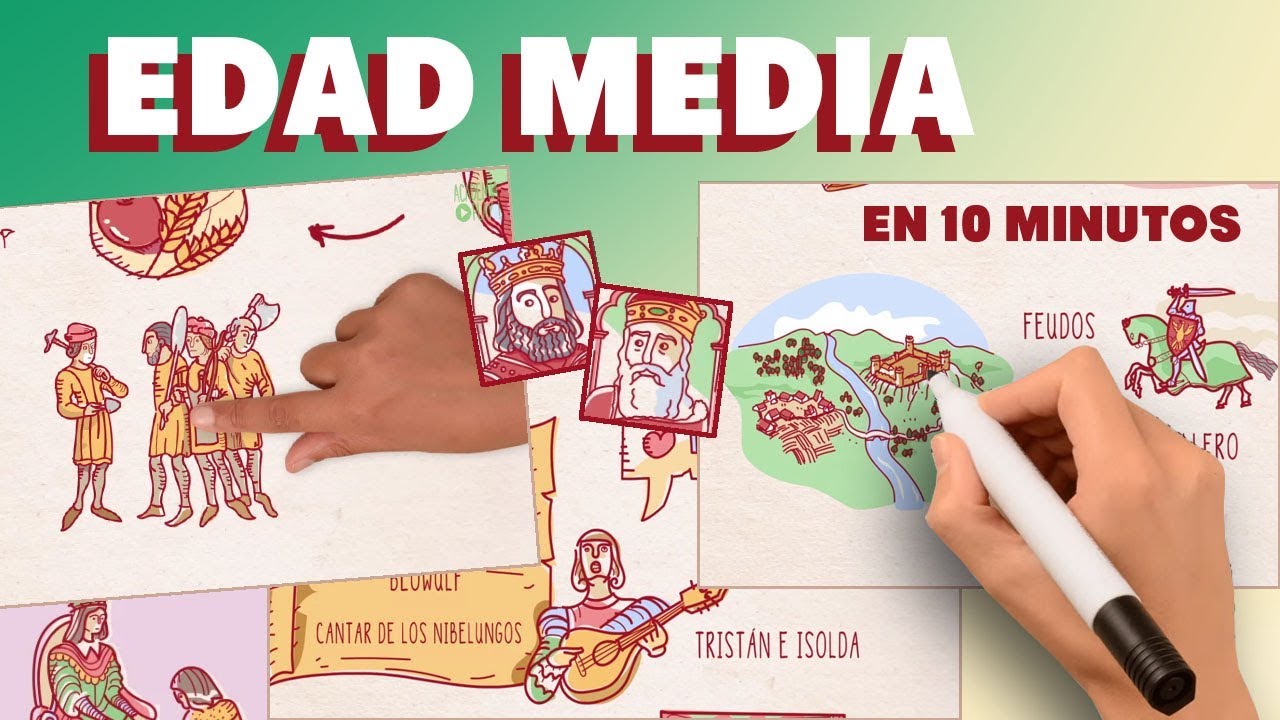
The Middle Ages was the period of human history that spanned from the 5th century to the 15th century. Although the dates are indicative and there are various opinions among historians, traditionally the fall of the Western Roman Empire has been pointed out as its beginning and the fall of Constantinople as its end. The term Middle Ages was created between the fourteenth and fifteenth centuries, when Europe was evolving towards Humanism and the Renaissance.
For the intellectuals of that time, that intermediate period between classical antiquity and the new times had had a dark and decadent character, very marked by the absolute influence of the Church. On the other hand, the Middle Ages is an eminently European concept. In other parts of the world, such as Asia or America, the characteristics of this chronological period were very different.
Despite this, at the end of the Middle Ages, contacts with non-European civilizations were expanding, often in the form of conflicts. This period is divided into three stages, although many historians consider the first of them, the Early Middle Ages, as a transition period. The other two were the High Middle Ages and the Late Middle Ages.
Among its most important characteristics are the aforementioned power of the Church and the establishment of the feudal system. Origin The Middle Ages spanned ten centuries of human history, from the 5th to the 15th centuries. To limit it, historians have traditionally used two events of great importance: the fall of the Western Roman Empire, in 476 AD.
C. and the conquest of Constantinople, in 1453 d. C.
Others prefer to mark its end in the discovery of America, in 1492. The invention of the printing press has also been used as an indicative date of the end of that period. These dates, however, are not fixed references, since history is a continuous process in which there are no sudden breaks.
Start of the Middle Ages As noted, many historians say that the Middle Ages began in 476 AD. C. , with the end of the Western Roman Empire.
However, it is only an approximate date, since the process that gave rise to the passage from classical Antiquity to this new period was progressive and long. Some authors point out that this transition process lasted for five centuries and that it began with the crisis of the third century that put the slave model of economic production in trouble. Likewise, climatic factors, bad harvests and epidemics also influenced.
To this we must add the first Germanic invasions and some revolts carried out by the peasants. The Roman Empire entered into crisis and was acquiring an increasingly medieval form, especially after Diocletian's reforms. These reforms caused society to become more rural and increased the importance of the aristocracy, two key elements in feudalism.
Another important factor was the declaration of Christianity as the official religion, as well as the division of the Empire when the Eastern Roman Empire was created. General Characteristics of the Middle Ages The Renaissance humanists created the term Middle Ages for a derogatory purpose. For them, that stage had been a dark time between two moments of great splendor.
However, that retrospective consideration is not entirely true. In some fields, such as art, this stage showed examples of great interest. Religion as the fundamental basis of society The Catholic religion became the axis of the entire society.
The Church and the rest of the religious institutions acquired great power, often superior to that of the kings and nobles themselves. The control of religious beliefs was used as a way to prevent the population from rebelling. The ecclesiastics were one of the few social classes with access to education and were in charge of imparting it to a select few.
Europe at this time was theocentric and everything was explained by religious concepts. Reality was considered to be a product of divine will. Fear and obedience to dogmas In relation to the previous point, the Church and the rest of the powers favored the existence of a high level of fear among the population.
This was, for the most part, illiterate and they only received information about natural phenomena from a religious point of view. This reached extremes that provoked attitudes of fanaticism and persecution. According to the dogmas of the time, diseases or other negative aspects were caused by witchcraft or the intervention of the devil.
The epidemics were considered divine punishments and the fear of the arrival of the end of the world produced phenomena such as the millenarianism of the year 1000 AD. C. Among the concepts that the Church tried to promote among the population were those of guilt, sins and the obligation to maintain virtue.
Catholic division The power accumulated by the Catholic Church was undermined by a great internal crisis that ended with its temporary division in 1378. That year, after the death of Gregory XI, the Roman cardinals elected Urban VI as the new pontiff. However, a group of dissenting cardinals proclaimed Clement VII as pope, based in Avignon, France.
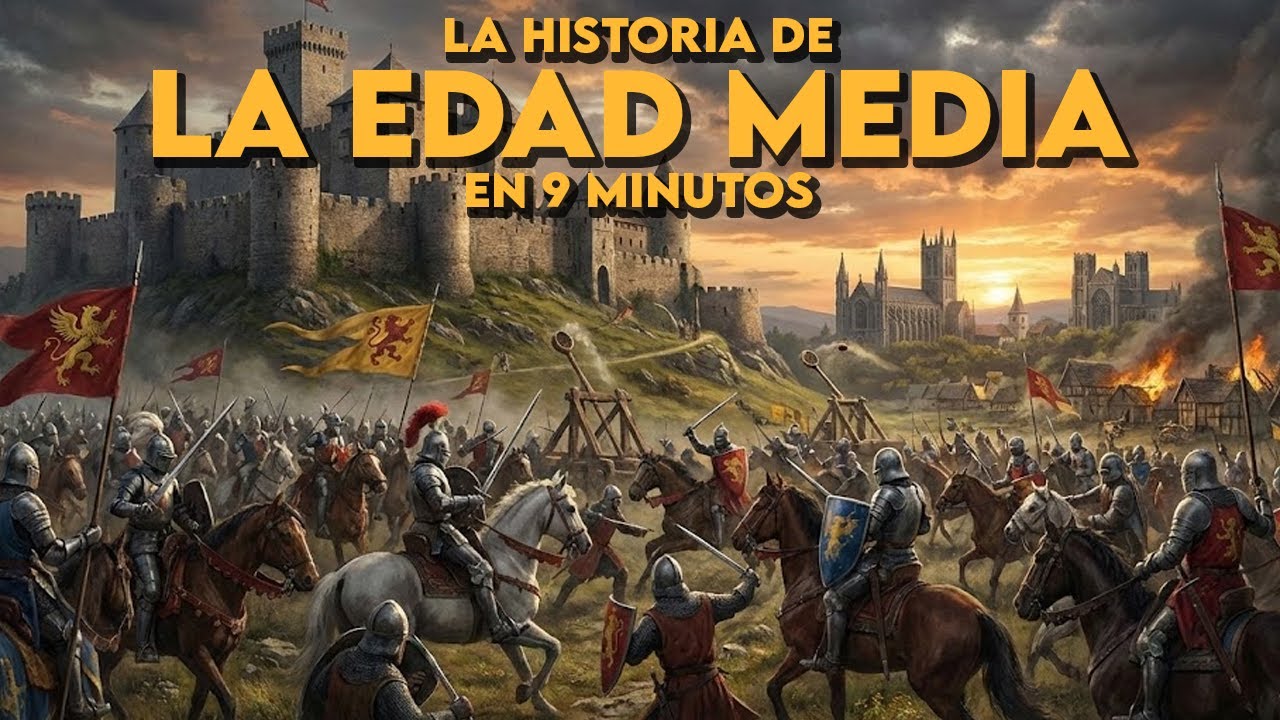
Political organization The system of government during the Middle Ages was the monarchy, although this institution lost part of its power with the introduction of feudalism. At the beginning of this period, the monarchs enjoyed almost all the powers and some extended their territories to form great empires. However, from the eleventh century the situation changed with the arrival of the feudal system.
Although the king maintained his position, power was shared with the feudal lords. These were nobles who governed their lands independently and who paid vassalage to the monarch. The defense of the territories was in the hands of these nobles, so the royal houses had a weak position against them.
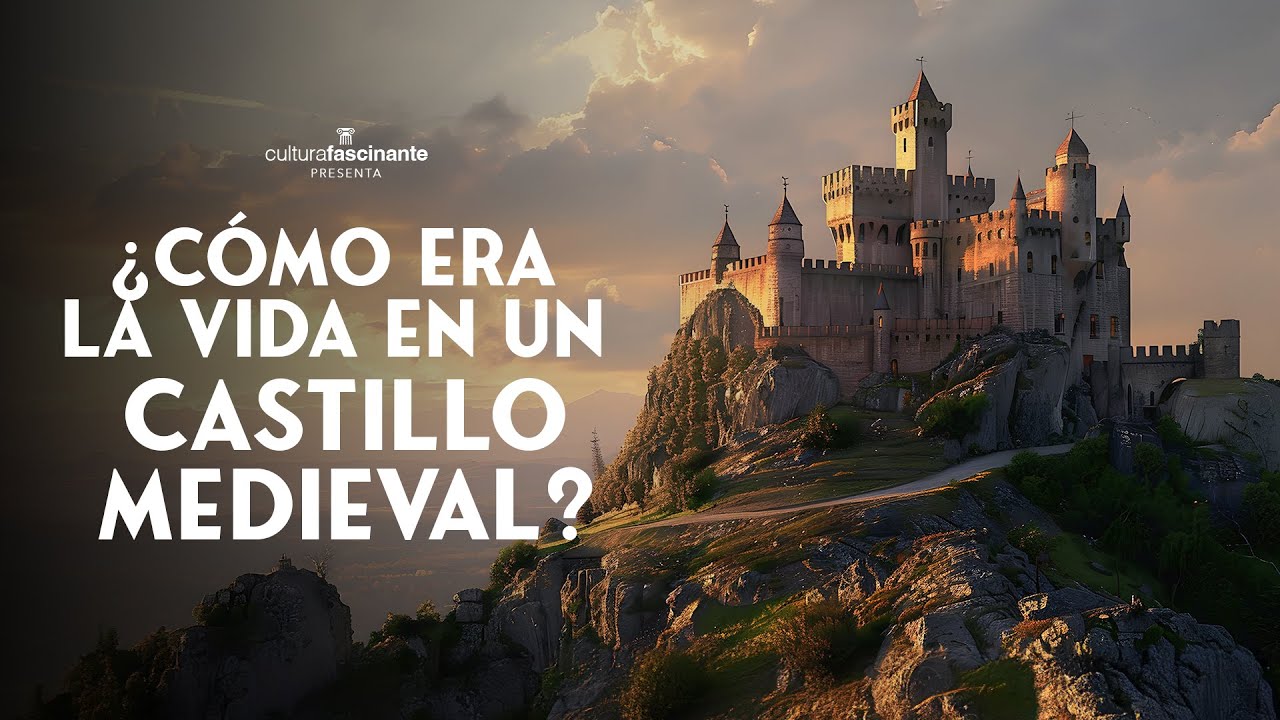
Castles were one of the symbols of this type of organization. In five centuries, between the years 1000 and 1500, a large number of these types of structures were built, destined to serve as the residence of the feudal lords and as a defense against possible attacks. Great social differences Medieval society was completely divided into hierarchical social classes: the nobility, including the king, the clergy and the peasants.
There were great differences in rights and obligations between them. The lowest and largest class, the peasantry, had hardly any rights. Their role was to work on their lords' lands to provide food for everyone.
Very often, these agricultural workers suffered abuses by the most privileged, in addition to having to pay taxes and tithes. The nobility made up the highest social class and were favored with special rights. The vast majority did not work beyond running their businesses and their lands.
Although they had access to education, many of them did not take advantage of it. Among the most frequent occupations of these nobles was military life, such as high command of the army. Likewise, they were the owners of the lands worked by the peasants.
With the feudal system, their power increased to the point of becoming superior to that of the monarch himself, who was considered the "first among equals". The clergy, meanwhile, were also part of the privileged classes. They were exempt from taxes and could access positions of great power.
In addition, it was the group with the highest level of education at the time. This entire social structure began to change in the latter part of the Middle Ages, when a new class emerged: the bourgeoisie. Birth position Membership in one of the aforementioned social classes, with the exception of the clergy, was determined by birth.
If you were born into a noble family, your descendants would be noble too, while the children of peasants were destined to be noble as well. Only in the case of members of the Church was it possible to change social class. Among the less favored, it was one of the few ways to improve their position, although they could only access minor positions.
For their part, it was common for the sons of the nobles who were not to inherit to opt for the ecclesiastical career. Economy The main economic activities during the Middle Ages were agriculture and livestock. They were the main source of wealth and the base of the economy.
The feudal system was organized in such a way that the villagers worked the lands of their lords in exchange for a tribute, economic or in kind. The possession of these lands was the main economic differentiation between rich and poor. Before this system was implemented, there was a group of peasants called free.
Over time, they began to depend more and more on the feudal lords, with which the figure of the serf appeared. These, as has been pointed out, were obliged to pay rent in order to work the land. During the Roman Empire, trade had become quite important.
However, the invasions of the Germanic peoples and the appearance of the Muslim Empire caused this activity to decline. Over time, trade regained some of its importance. With the production of surpluses, the markets were expanding.
The peasants were able to start exchanging and selling their products. In addition, long-distance trade began to grow, focused on products considered luxury. The appearance of merchants was one of the factors that caused feudalism to weaken and the economy to evolve towards a capitalist system.
Beginning of the bourgeoisie This mercantile attitude was also joined by the emergence of different trades and professions, whose workers began to organize themselves into guilds. This circumstance was especially notable in the cities, where artisans, merchants and goldsmiths proliferated. All these guilds would give rise to the appearance of the bourgeoisie.
This social class was made up of individuals belonging to the unprivileged class, but their growing economic power caused them to be fundamental in the next historical stage. The crusades Among the events that most marked the medieval era are the crusades. These were a set of religious conflicts, up to nine in total, in which Christian soldiers supported by the papacy tried to conquer the lands considered sacred in the Middle East.
The crusades generally had a religious conception, but there were also other important factors. On the one hand, the Church used them to strengthen its power and, on the other, the commercial interests of the Italian city-states tried to take advantage of them to open new routes in the area. Although the early crusades succeeded in retaking Jerusalem and other places, the end result was failure.
The Christian kingdoms established in the East were reconquered by the Muslims and, in addition, the Byzantine Empire was divided by the action of the Crusaders themselves. Its weakening opened the doors to the conquest of Constantinople. Education Education in the Middle Ages was only reserved for the privileged classes: the nobility and, especially, the clergy.
The latter not only had the right to receive it, but were also in charge of imparting it. The subjects present in education were quite few: languages, law, medicine and theology. In addition, the religious controlled that the study of the classics did not cover aspects that could be contrary to the dogmas of the Church.
The study method was eminently rote. On the positive side, the first universities appeared in this period. These, although reserved for the most privileged, would end up becoming the focus of new inventions and ideas.
Culture and art One of the aspects that breaks the traditional belief that affirms that the Middle Ages was a decadent period is that of culture. Although religious control was almost absolute in art and literature, the Middle Ages left important creations. Among the writings that survived the vigilant work of the religious are the mystical stories and those that dealt with the Judeo-Christian tradition itself.
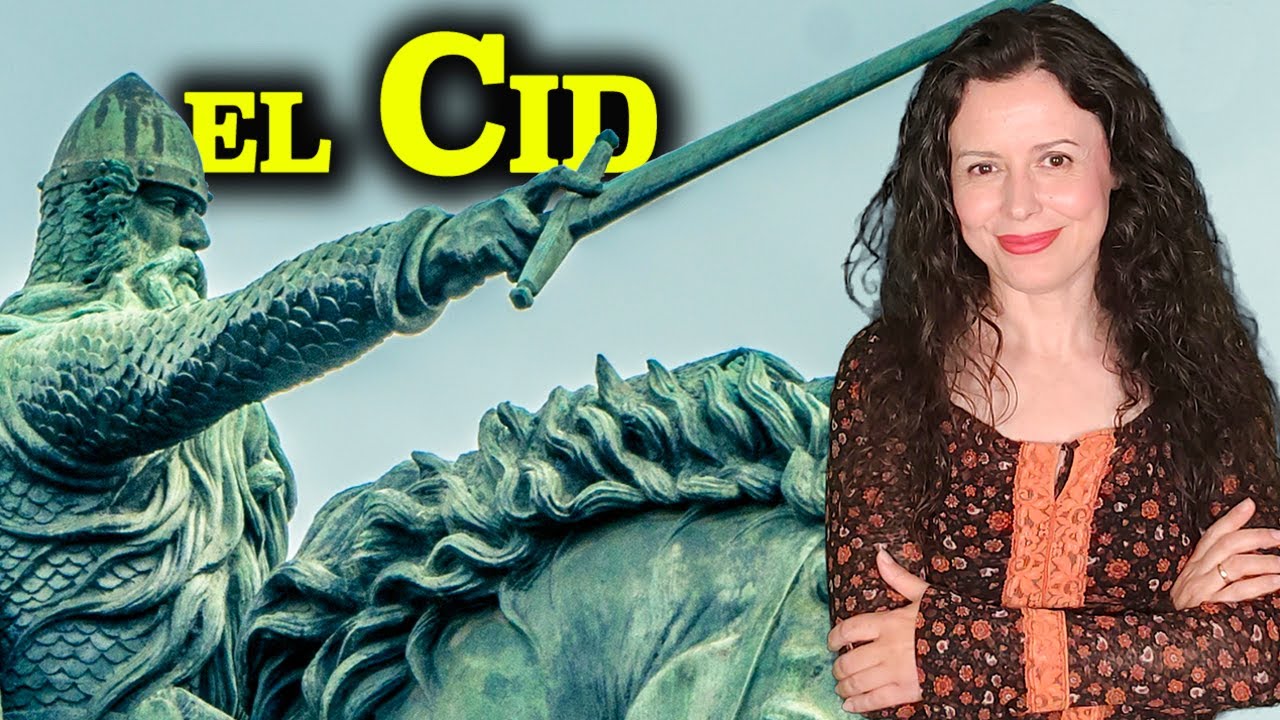
Another theme that achieved great popularity was that of courtly love, especially in the Romance language. The great epic poems were typical of Germanic literature, with works such as Beowulf or El Cantar del Mio Cid. Other fields of the arts, such as painting, sculpture or architecture, also left great works, among which the great cathedrals stand out in a notable way.
During the Middle Ages, the style evolved, although the Romanesque and Gothic stood out. Technical and scientific advances Although the weight of religion in the Middle Ages greatly limited scientific research, it did occur and allowed some technical advances. On many occasions, researchers had to confront the Church, which was focused on confirming the validity of dogmas and refused to accept novelties.
In the field of science there were advances in astronomical, mechanical or epistemological knowledge. As has been pointed out, some of them were not simple and scientists like Copernicus suffered persecution from the ecclesiastical courts for disseminating data that contradicted the Bible. Scientific progress intensified at the end of this period.
It was then that new ideological movements appeared that were fundamental for the arrival of the Renaissance. In addition, some researchers collected contributions from other peoples, such as the Arab or the Chinese. Technical advances, focused on the practical, suffered fewer problems with the Church.
Among the most important are the glasses, the compasses, the metal plows, the first firearms or the first watches. One of the events that, for many historians, marked the end of the Middle Ages was, precisely, an invention: the printing press. Thanks to her, the writings were able to reach more people and ceased to be an exclusive good of only the clergy.
Stages of the Middle Ages The Middle Ages, with its ten centuries of duration, is one of the longest stages in all of history. Although it has traditionally been divided between the High Middle Ages and the Late Middle Ages, in recent years a third phase has been added at its beginning and which serves as a transition from the previous period: the Early Middle Ages. Early Middle Ages Historians say that the transition between classical antiquity and the Middle Ages took place over a long period of time.
Thus, the so-called Late Antiquity and the Early Middle Ages would have been the stages that occurred during this historical evolution. This first part of the Middle Ages began at the end of the 5th century and lasted until the 7th century. It was in this period that the Germanic cultures that arrived in Europe and the Latin heiress of the Roman Empire began to mix.
The Western Roman Empire disintegrated and its place was taken by the Roman- Germanic Kingdoms. In some areas of Europe weaker kingdoms appeared, such as the Visigoths in Spain or the Saxons in England. It was also at this stage that the new great continental power was born: the Carolingian Empire.
Its appearance occurred when Pepin III controlled with the help of the pope the two great existing kingdoms, in the hands of the Merovingians. His heir, Charlemagne, managed to unify much of the continent under his kingdom, both politically and culturally. On the other hand, in this period the great Muslim expansion took place.
The Arab peoples conquered all of North Africa, extensive areas of the Mediterranean and most of present-day Spain. In the cultural field, the Early Middle Ages was the moment in which monastic life emerged and, with it, the seclusion of knowledge in monasteries. The architectural style of this stage was Romanesque.
Finally, the economy ceased to be based on the slave production system that had been characteristic of the last stage of the Roman Empire. In its place, feudalism began to appear, which would mark the entire Middle Ages economically and socially. High Middle Ages The High Middle Ages comprised from the 9th century to the 11th century.
During these centuries, feudalism was fully implanted in society. This system was characterized by the work of serfs on the lands of feudal lords. In exchange, they had to pay a tribute.
Politically, power began to decentralize. Although the kings maintained their position, they had to start sharing their powers with the great lords belonging to the nobility. https://upload.
wikimedia. org/wikipedia/commons/6/6e/William_the_Conqueror_by_an_unknown_artist_circa_1620. jpg With the disintegration of the Carolingian Empire, Europe went through a period of urbanization, in addition to experiencing a strong increase in military forces.
On the other hand, this medieval period was marked by a great increase in population. The new political and social organization and the improvement in the harvests allowed the demographics to increase. Late Middle Ages The Late Middle Ages began at the beginning of the 12th century and lasted until the middle of the 15th century, according to those who place its end in the fall of Constantinople, or in 1492, according to those who point to the discovery of America as the fact that caused the change of time.
In its beginnings, it was a period of opening in which the cities gained importance compared to the rural world. A good part of this change was due to trade and union activities, which ended up causing the appearance of a new social class: the bourgeoisie. The result was the slow decline of feudalism in favor of capitalism.
Another event that marked this period was the epidemic of the black plague. According to experts, this disease caused the death of between 25 and 50 million people in Europe. The human disaster was impressive: the continent went from having 80 million inhabitants to having only 30 million in 1353.
This epidemic, together with climatic changes that caused poor harvests, caused the great crisis that broke out in the 14th century. At the beginning of the 15th century, with the crisis still present, the Hundred Years' conflict broke out, pitting France and England against each other. The victory of the French was essential to strengthen the country.
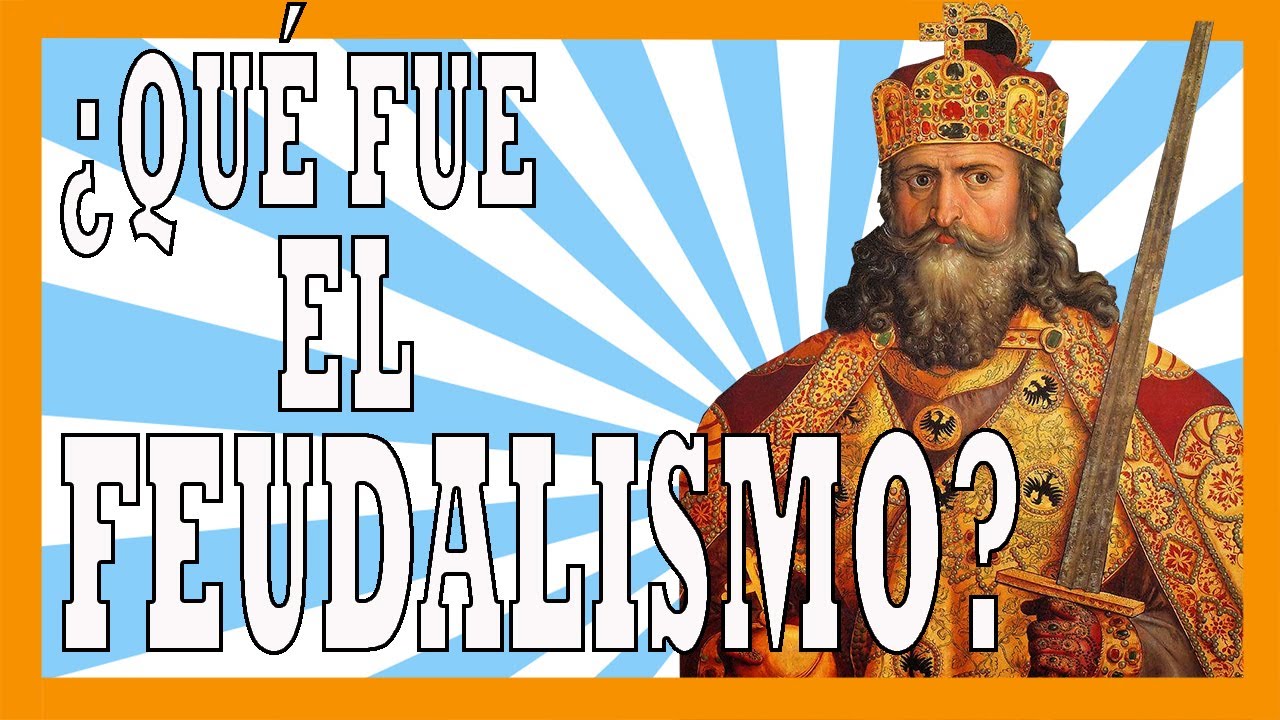
The Church also went through its own crisis at this stage. The corruption that developed within it, the sale of indulgences and other factors caused the appearance of Protestantism and the loss of influence of Rome in much of the continent. Feudal system One of the characteristics that distinguished the Middle Ages from other periods of history was its feudal system of production.
This, which also affected the mode of political and social organization, replaced the previous slave model. Feudalism Briefly, feudalism could be defined as the system in which a free man, called a vassal, acquires the obligation to obey and serve another more powerful free man. The vassals had to participate in the military matters of defense of the lordship, in addition to complying with the orders given by the lord.
In exchange, he had to protect the vassal and provide him with land for his sustenance. These lands were called fiefdoms. At first, the feudal system was focused on the military aspect, but it evolved to grant the lords the ability to dispense justice, lead their fiefdom militarily and administratively, and collect tribute from vassals.
The word feudalism comes from the term fiefdom, which denoted the territory that the kings of the Middle Ages gave to the nobles in exchange for certain services. The feudal system began to weaken from the fifteenth century. Then began a transition period in which some features of that system were maintained while others belonging to the capitalist model began to appear.
Vassalage and fief system As has been pointed out, the feudal system was based on vassalage and fiefdom. The first concept alluded to a political and legal relationship, while the second to an economic and social one. In this system, the kings gave fiefs to their vassals, in this case belonging to the nobility.
These nobles, for their part, granted their own fiefdoms to other vassals, thereby becoming lords. In most cases, the monarch granted these fiefdoms or territories to nobles who had stood out for their services. With this delivery, the king not only intended to reward the most valuable of his vassals, but also tried to ensure the defense and union of his kingdom.
The delivery was made through an act covered with great solemnity and that consisted of three phases: homage, oath to remain faithful and investiture. The vassals The feudal lord undertook to provide the means so that the vassal could support himself and offer him protection. In return, the vassal had to help his lord if any type of threat appeared, almost always military.
Over time, the great lords created powerful armies with their vassals. Also, if any lord was captured by his enemies, his vassals were required to pay ransom for them to be released. Likewise, they had to contribute money for the armor worn by the first-born of the lord when he was knighted.
The crusades were also financed in part with the contributions of those vassals. That vassalage was, finally, a relationship between two free men, although of a different category. The most powerful became the lord of the other, who became his vassal.
Commoners The third estate within feudal society was made up of the commoners, the lower classes. This class, the most numerous, included from the serfs, free men but without political rights, to the slaves. In addition, there were also other free men who enjoyed limited political rights and owned small tracts of land.
Serfs were required to pay tribute to the feudal lord in exchange for the right to work their land for food. This led to peasants only paying taxes to their lords and not to the central state. Within the free men were the artisans and merchants.
Over time, those who practiced these trades began to open their own shops and accumulate wealth. At the end of the Middle Ages, they would be the ones who would give way to the formation of the bourgeoisie. End of the Middle Ages As with its beginning, there is no exact moment in which the Middle Ages were considered over.
Historians tend to focus on two relevant dates: 1453, with the fall of Constantinople into the hands of the Turks, or 1492, with the discovery of America. Apart from these two events, the end of the Middle Ages was marked by other important events. Among them are the religious schism in the West or the different waves of plague epidemics.
On the other hand, the bad harvests caused by the climate and the death of millions of peasants due to the disease caused the feudal system to enter into crisis and prices to increase. The difficulty to survive caused several peasant uprisings against the feudal lords. These were losing part of their power in favor of the kings.
Many peasants migrated to the cities and joined the nascent guilds, the base of the bourgeoisie. Crisis of the 14th century After the period of economic splendor and demographic growth that the 12th and 13th centuries represented, Europe slowed down its development during the following century. The causes were bad harvests caused by the weather, which meant that a good part of the population went through episodes of famine.
The aforementioned black plague accelerated the effect of the crisis. The epidemic is estimated to have started in Europe in 1348, transmitted by rats arriving on merchant ships from Asia. Finally, the continent came under attack from the Turks and Mongols in the east, while England and France battled in a conflict that lasted a Hundred Years (1337-1453).
Formation of the great European states In the political field the changes were also considerable. The kings were subtracting power from the nobility and some of the great European states were consolidated. The German emperors saw how their authority was limited to the German territory, which remained divided into several states.
Ultimately, imperial power passed to the House of Luxembourg, first, and later to the Habsburgs. The aforementioned Hundred Years Contest began when Charles IV of France died without leaving an heir in 1328. The French nobles decided that his successor should be Philip of Valois, but Edward III of England, a vassal of the French monarch in the territories he had in France He did not accept that decision.
The beginning of the conflict was very negative for the French, who also suffered several popular rebellions. It was in this conflict that the figure of Joan of Arc emerged as a representative of the French popular resistance against the English. https://en.
wikipedia. org/wiki/File:Albert_Lynch_-_Jeanne_d%27Arc. jpg However, France recovered during the reign of Charles VII, from 1422.
Thus, they managed to expel the English from their continental domains , except Calais. England then suffered a civil conflict, that of the Two Roses, which lasted for 30 years (1455-1485). This conflict pitted the House of Lancaster against that of York.
Finally, the heir to both houses, Henry VII, came to the throne and founded the Tudor dynasty. In the other part of Europe, the Byzantine Empire completely disappeared after the conquest of Constantinople by the Turks. Overseas expansion The fall of Constantinople seriously affected the trade routes linking Europe with Asia.
Traders had to find new, safer routes. The country that took the initiative in opening new routes was Portugal. Later, Spain joined this race.
On one of the voyages trying to find a safer way to reach Asia, Christopher Columbus discovered America for the Europeans.