Throughout our planet's long history life has taken on bizarre and extraordinary forms even before the rise of the dinosaurs they're lesser known but equally intriguing predecessors were locked in a ferocious battle for survival in the Paleozoic Era strange creatures emerge with unique body shapes that seemed almost impossible to imagine but this time period came to an abrupt End with the most catastrophic Extinction event in Earth's history wiping out a vast majority of marine and terrestrial species despite this mass extinction a small number of animals managed to survive and the Mesozoic era was dominated by the
rise of the Dinosaurs these Advanced creatures were perfectly adapted to their environment with unique hunting and defense tools and precise sense organs For 160 million years they ruled the planet and it seemed like they would remain the most dominant creatures forever however one day everything changed in an instant and the dinosaurs were no more this is the complete history of the evolution of the most successful creatures on Earth from their prehistoric ancestors to their last days what existed before the dinosaurs how Did they manage to occupy every Niche on land air and water [Music] the
Triassic period which took place around 252 to 201 million years ago marked the beginning of the Mesozoic Era also called the age of dinosaurs this was the period between two devastating mass extinctions that wiped out countless species and had a profound effect on the evolutionary processes on Earth imagine the fear and uncertainty That must have permeated the planet at a time when so many organisms struggle to adapt and survive in the face of a huge environmental change and yet despite these challenges the Triassic period eventually played a pivotal role in shaping the World As We
Know It a new era began with the great dying also known as the Permian Triassic Extinction this was a major event that took place About 252 million years ago at the end of the Permian period and the beginning of the Triassic period it's considered the most significant mass extinction in Earth's history with an estimated 96 percent of marine species and 70 percent of terrestrial species going extinct but it was a blessing in disguise this event paved the way for the emergence of dinosaurs and other new animals in the Mesozoic Era the exact cause of the
extinction is Still not fully determined but it is believed that it was due to a combination of factors including volcanic activity impact from meteorites and a sudden change in the earth's climate some scientists believe that the extinction event was triggered by a mass release of methane a greenhouse gas from the ocean floor which in turn prompted a rapid rise in global temperatures and resulted in widespread environmental Change the great dying had a profound effect on the evolution of life on Earth which is what happens every time biodiversity declines it causes something called adaptive radiation the
concept of adaptive radiation has played a significant role the dry and warm climate along with the breakup of the Pangea supercontinent and the formation of the Panther super ocean posed new challenges and presented new Opportunities for evolution so what is adaptive radiation adaptive radiation is the way different species evolve from a common ancestor it occurs when a group of animals or planets enter a new habitat or when a new ecological environment becomes available as the animals and plants adjust to their new home they may change and become different species this process can take place over
a relatively short Period of time and is considered a significant driving force of evolutionary diversity in other words those who survived it had a whole new world with a range of ecological niches that needed to be filled at the same time there was practically no competition in absence of competition the rate of evolution increases once certain niches are filled the evolutionary process Slows down again mutations continue to occur but since ecosystems are already occupied by other species non-competitive species have no chance due to natural selection one of the classic examples of adaptive radiation is the
evolution of cichlid fishes in the Great Lakes of Africa which resulted in over 3 000 species these fish evolved into a variety of species each adapting into their own Niche and the locustran environment some Cichlid species adapted to feeding on algae While others adapted to eating insects or similar small prey most remarkably the first dinosaurs appeared during the Triassic period which quickly turned into a wide variety of different life forms becoming the dominant land animals at the time however this was not always the case early species of dinosaurs were small bipedal creatures similar in size
and appearance to the modern lizards their Diversity and evolution continued to expand through the Mesozoic Era there were other groups of animals that were exposed to adaptive radiation for example the first real birds snakes crocodiles amphibians and the first mammals early mammals were small and mostly nocturnal living in the shadow of the dominant dinosaur species just laid a good foundation for the diverse life forms that would flourish in the Mesozoic Era During the Triassic period a group of reptiles known as archosaurs evolved these animals are also known as ruling reptiles because they dominated the terrestrial
ecosystems of the Mesozoic Era some of these archosaurs were dinosaurs the animals that most people think of when they hear the word arcosaur however there were other groups of archosaurs that emerged during the Triassic period such as crocodiles pterosaurs and thorapses for Simplicity We often refer to all archosaurs as dinosaurs although that's not entirely accurate the reason we do this is because the term dinosaur is a well-known term used to describe a group of animals that the general public are familiar with by using the term dinosaur we can easily convey to the viewer the general
time period and ecological context in which the animals existed so during the Triassic period dinosaurs evolved into a wide variety of forms and Occupied a wide range of ecological niches from herbivores to carnivores from terrestrial to Aerial these adaptations allowed them to dominate and flourish during the Mesozoic Era let's start our 51 million year tour with herbivorous dinosaur species first of all some of the most recognizable species were the Majestic sauropods long necks and large bodies perfectly adapted to be able to reach the foliage of a tall tree these Giants had small Peg-like teeth that
were ideal for crushing tough plant fiber but not all herbivorous dinosaurs were as big as sauropods take the stegosaurus that roamed the Earth during the late Jurassic period for example with their characteristic rows of armored bone plates and spines as well as long sharp spikes on their tails they had a very formidable appearance this must have provided them with protection from predators Scientists believe that the stegosaurus had a tiny brain the size of a pea and it was located at the base of their spine the eyes on the other hand were located on the top
of the head which possibly allowed them to see Predators approaching from all sides other herbivorous dinosaurs were pretty small in size compact agile bipedal heterodontosaurs lived during the early Jurassic and due to their size they Could hide in the thickets with strong legs and a long tail these dinosaurs were well adapted to a terrestrial lifestyle they also had a combination of sharp cutting and grinding teeth it allowed them to feed on a wide range of food their varied diet included both plants and insects and let us not forget the ceratopsian one of the oldest herbivorous
dinosaurs they were large herbivorous dinosaurs some of their remains date back to the Cretaceous Period so it seems they were able to survive the great dying they ate a herbivorous diet and were well adapted to a terrestrial lifestyle with strong legs and thick armored bodies many of the ceratopsians had elaborate head ornaments and horns they were used to intimidate enemies or to establish dominance in their social groups obviously herbivorous dinosaurs spread seeds and fertilized the soil with their Droppings which helped ecosystems to form they also acted as food for other animals such as carnivorous dinosaurs
who relied on them for their livelihood but let's take a closer look at which species could afford to eat another dinosaur let's move on to the second group of dinosaurs the carnivorous species foreign [Music] Groups of carnivorous dinosaurs of the Triassic period are theropods which include species such as the Eoraptor and Dilophosaurus theropods were typically carnivorous or omnivorous with long sharp teeth strong agile bodies making them excellent Hunters many theropods also had grasping hands with sharp claws that enabled them to grab and kill their prey some theropods such as the tyrannosauridi were the largest Predators
in their ecosystem being at the top of the food chain the largest species was Tyrannosaurus Rex one of the largest known terrestrial Predators measuring up to 40 feet in length and weighing between 8 and 14 tons according to Modern estimates their dietary buddy the allosauridi was also fairly large carnivorous dinosaurs with rather powerful jaws but not quite as powerful as the tyrannosaurid eye some allosords were notable due to the Fact that they had a Crest on their head and back for example the Acrocanthosaurus other theropods such as the pterosaurs completely adapted to the aerial lifestyle
and had wings that allowed them to fly and hunt for prey from above some predators were much smaller the Herrera soradi that lived in the early Jurassic Period were no more than 13 feet long they were agile predators that preyed on small and medium-sized animals They would wait for their prey near small bodies of water or they ate what was left over from larger dinosaurs but danger awaited creatures that could not stand up for themselves not only on land but also in water another group of carnivorous dinosaurs of the Triassic period are the phytosaurs and
they lived in rivers and swamps fighter sores had long narrow snouts and sharp teeth making them well suited for hunting fish and other small aquatic prey Despite the great similarity and appearance and lifestyle fightasaurs are not true relatives of crocodiles during the rainy season small rivers and lakes expanded significantly attracting a variety of animals the dinosaurs of the spinosauridae family often live near water bodies they also had long narrow muscles and sharp teeth for hunting fish but completely different body proportions in contrast to fight a source very notably many spinosaurids Also had large spiny ridges
on their heads and backs much like a ship's sail there's still no consensus on what role those crests played but some theories suggest they could have been used for mating or protection in general carnivorous dinosaurs were very useful in controlling the population of herbivorous dinosaurs and other animal species therefore helping to create a balanced ecosystem our third stop brings us to omnivorous Dinosaurs omnivorous dinosaurs were the species that adapted to a diet that included both plant and animals allowing them to take advantage of a wide variety of food sources in their environment one of the
best known groups of omnivorous dinosaurs of the Triassic period were the aforementioned theropods most theropods were carnivores however some species may also have been foraging or supplementing their diet with plant matter Another group among the omnivorous dinosaurs of the Triassic period were ornithisia ornithisia were generally herbivorous but some species may have been omnivores they fed on a mixture of plants and small animals these included species such as the heterodontosaurs pisanosaurus and dryosauridae in general they were small bipedal dinosaurs slightly larger than a dog having a mixture of sharp cutting and grinding teeth allowing them to
feed On a wide range of foods and thus help them survive in difficult times with such a wide variety of predators some species had to search for new habitats in order to survive some dinosaurs such as the Ankylosaurus adapted to a burrowing lifestyle and lived underground these dinosaurs had armored plates on their bodies that provided protection from predators their short stocky legs made them great at digging and interestingly this species Had a club-shaped tail which it may have been used as a weapon for self-defense small bipedal dinosaurs from the silosauridai family of the late Triassic
and early Jurassic periods were also representatives of burrowing dinosaurs they likely used their sharp claws and Powerful muscles to dig holes and create underground layers where they could hide from predators and escape the extreme weather conditions that ravaged their world Have you ever wondered what it's like to be a tree-dwelling dinosaur well during the Triassic periods some dinosaurs adapted to life above ground not unlike modern Birds one of the most famous groups of arboreal dinosaurs of the Triassic period were the drapanosaurus the small mobile dinosaurs were only about 20 inches in size and lived throughout
the late Triassic and early Jurassic Period drapana swords had long slender bodies And short powerful legs making them well suited for climbing and traversing trees they had a unique skeletal structure that allowed them to move their arms and legs in a similar manner to Modern Birds at the same time drapanasaurus had a set of bizarre almost chameleon-like skeletal features they likely use their sharp claws and strong muscles to climb trees and move along branches where they could find food and shelter there was another group of tree dwelling Dinosaurs the scanned psoriopter rigidae these small feathered
dinosaurs lived during the late Jurassic and had long flexible tails that helped them maintain their balance while climbing and moving in the trees additionally scan psoriopter ridgids had a row of long skinny fingers with sharp claws that enabled them to cling to tree branches and other objects It is believed that scan psoriopter ridgets may have even been able to glide through The air flying between trees which in turn means that flight did not originate bottom up terrestrial theropod dinosaurs gained the ability to fly but instead it may have developed top down where archosaurs acquired feathers
as life flourished on land and also raged in the Aquatic environment aquatic dinosaurs adapted to life in the water and could live in a variety of aquatic habitats from shallow rivers and swamps To deep ocean water one of the best known aquatic dinosaurs of the Triassic period were the ichthyosaurus a species of marine reptiles that resemble modern dolphins in appearance ichthyosaurs had streamlined bodies flippers and a dorsal fin making them well suited for swimming and hunting in the open ocean ichthyosaurs had sharp teeth and they were likely Predators feeding on a variety of marine animals
including fish And cephalopods the ichthyosaurs shared the Seas with the sauropteringia a diverse family of marine reptiles they came in a wide variety of shapes and sizes from small agile swimmers to large slow-moving predators had a unique respiratory system that allowed them to extract oxygen from the water using their gills some saropterygians such as plesiosaurs had complex Gill structure that was Supported by a series of small bones While others such as the anothosaurus and simpler gills that were supported by the walls of their throat this allowed the species to leave the land in favor of
the ocean water with their abundance of food sources another group of aquatic dinosaurs in the Jurassic period were the Plesiosaurus they were marine reptiles with long necks short tails and large paddle-like limbs some of these Giants Were up to 65 feet in size plesiosaurs were well adapted to swimming which made them efficient at hunting prey in the water large species of plesiosaurs fed on a variety of marine reptiles including other plesiosaurs sharks and other large prey some plesiosaurs would sometimes catch flying pangolins one of the long neck plesiosaurs discovered by paleontologists that was preserved in
the remains of its last meal in its Stomach which included the corpse of a flying lizard fish bones and an ammonite shell plesiosaurs also shared the vast sea water with smaller reptiles such as the latosaurs and they lived during the late Triassic and early Jurassic periods these species also had long slender bodies and paddle-like limbs they reached a maximum of 10 feet in length the latosaurs were likely predators that fed on a variety of small marine animals Including fish and cephalopods an interesting thing about the latter Source was their unique way of hunting they used
their long flexible neck to attack prey from a distance utilizing their sharp teeth to grab and hold prey there were also semi-aquatic reptiles such as the nothosaurus they lived in the late Triassic and early Jurassic periods not thesaurus had a long and flexible body with webbed limbs that can be used for both land Locomotion and Swimming this made them well suited for navigating and hunting in shallow water they had a row of small sharp teeth arranged in a sieve pattern that helped them filter small prey out of the water in general the ecological niches occupied
by different types of dinosaurs during the Triassic period were very diverse as were the species that inhabited them this is clearly reflected in the wide range of physical adaptations that allowed creatures to Thrive in such a wide variety of habitats the in-triassic extinction also known as the Triassic Jurassic Extinction was a major event that occurred about 201 million years ago marking the end of the Triassic and the beginning of the Jurassic periods this event is considered one of the five major mass extinctions in Earth's history and like others it had a significant impact on the
evolution of Life on Earth in short this event was the result of several factors combined one of the theories about the cause of the Permian mass extinction is that it was the result of the formation of the supercontinent Pangea which could have caused changes in Ocean circulation and climate as the continent formed earth's climate became more arid the formation of the new continent was accompanied by a huge seismic and Volcanic activity which could also lead to the release of large amounts of greenhouse gases into the atmosphere and cause a rapid increase in global temperatures this
theory is supported by the presence of large volcanic eruptions and extensive lava flow in the mountain records from the period but no matter what we assume about its causes about three-fourths of all animal species that existed at the time died Out on planet earth once more and this event once again provided an opportunity for the development of new species this time dinosaurs will take lead among all other animals in our next video we'll tell you how they survived and what fate awaited them in the future 201 million years ago the world was plunged Into Darkness
the great Triassic Jurassic Extinction swept through the planet destroying countless species that Live peacefully on Earth at that time just imagine this time of chaos and destruction turning point in the history of our planet a time when three quarters of all animal species perished leaving a Barren World Behind but From the Ashes a new world arose where dinosaurs roamed the land sea and sky they were the Guardians of a mysterious and wonderful world that was just Starting to unfold the Guardians of a new time known as the Jurassic period this time dinosaurs will dominate over
all other animals although the exact timeline of their evolution is unclear it's estimated that dinosaurs first emerged in the late Triassic and dominated the world for over 160 million years these ancient creatures presented as various reptile groups that adapted to different environments like herbivores Who developed to a large size to reach the foliage carnivores who evolved to have sharp teeth and Claws to hunt prey and Aviary dinosaurs which had wings various adaptations allowed dinosaurs to occupy a wide range of habitats and ecological niches which made them great contenders for the available resources the success of
dinosaurs in the Jurassic can be attributed to several factors including their ability to reproduce quickly their adaptability to changing Environmental conditions and their tendency to live in groups there are several theories that explain the evolution of dinosaurs during the Jurassic period some scientists believe that dinosaurs evolved from a group of reptiles called thickodots While others argue that they evolve from reptiles known as archosaurus regardless of their exact origin It is certain that the number of dinosaurs Grew rapidly and diversified into a wide range of species leaving their mark on the world as one of the
most successful and resilient creatures in the history of planet Earth let's start our journey through the Jurassic period with sauropods the Giants that were roaming the Earth in search of food at the time these massive herbivores reaching up to 100 feet in length were a truly wonderful sight they were among the largest land animals To have ever existed despite their size they were herbivorous animals that fed on vegetation using their peg-like teeth sauropods have been the subject of attention among many paleontologists and their fossils have been found all over the world one of the representatives
of the sauropate family that lived in the late Jurassic period was the Apatosaurus these dinosaurs were characterized by long necks and Tails large bodies and Small heads Apatosaurus was a herbivore that could grow up to 75 feet long and wait over 30 tons its long neck allowed it to reach the tallest trees which allowed it to feed on leaves and branches while its massive body was supported by strong pillar-like legs one of the most notable features of apatosaurus was its whip-like tail which could have been used for defense against Predators some paleontologists believe that Apatosaurus
used its long tail to Signal other members of the group While others believe it was used to scare off predators Apatosaurus was one of the most common sauropods in North America the fossils of the species have been found in several locations in the Western United States including Colorado Oklahoma and Wyoming translated from Greek its name means Deceptive lizard this is a reference to early paleontologists who originally thought that the bones belong to a different type of dinosaur despite its large size and presence Apatosaurus remains one of the least known dinosaurs another representative of the sauropod
group is the Diplodocus this genus of dinosaurs inhabited North America during the late Jurassic Period around 145 to 156 million years ago it had a long neck and a whip-like tail Diplodocus was one of the longest dinosaurs that we know of reaching a length of up to 100 feet Diplodocus had a small head with a narrow elongated snout and a jaw filled with spike-like teeth suggesting that they were herbivorous they are famous for their distinctive tale which consisted of 80 vertebrae and may have been used for balance protection or even Used as a weapon despite
their large size Diplodocus were relatively lightweight due in part to thin bones and air-filled Cavities this allowed them to move more easily and efficiently than other sauropods of this size Diplodocus was first discovered in 1877 paleontologist othniel Charles Marsh who named the gymnast after the double beam Chevron bones using Greek terms for double diplos and beam docos Diplodocus fossils were found in the Morrison formation that's a geological formation in the Western United States that was a key site for dinosaur discoveries in the late 19th and early 20th centuries today Diplodocus remains one of the most
recognizable and popular dinosaurs with casts and models of this dinosaur present in many museums and exhibitions around the world along with the large herbivorous Sauropods there were carnivorous dinosaurs ferocious Hunters that relied on the consumption of other creatures for their survival it was a delicate balance with peaceful Giants and voracious Hunters playing their parts in great ecosystem of the ancient world theropods were an impressive group of carnivorous dinosaurs that once roamed the Earth as the very embodiment of fear and Power Equipped with massive Jaws full of razor-sharp teeth these apex predators were at the top
of the food chain and dominated the Jurassic ecosystem despite their diversity and size and shape theropods showed no mercy when they hunted their prey their impressive Speed and Agility made it easy for them to deal even with the strongest creatures leaving those who got in their way no chance to escape theropods are a testament to the Ferocity of prehistoric life and the complex balance of nature during the Jurassic Allosaurus was a large theropod dinosaur that lived during the late Jurassic about 156 to 145 million years ago it was one of the most dominant predators of
its time living in North America modern day Portugal and possibly Africa Allosaurus was a bipedal dinosaur with a huge body and Powerful legs it had a Distinctive skull with large sharp serrated teeth and a deep jaw for powerful bites paleontologists estimate that it reached up to 32 feet in length and weighed between two and five times it was an efficient Hunter with long hind Limbs and a flexible body perfect for quick movements and sharp turns the four limbs were much smaller than the hind limbs additionally this dinosaur had three fingers with sharp claws on each
hand Allosaurus became known thanks to several well-preserved skeletons found in North America including the famous Big Al specimen from the Morrison formation in Wyoming scientists have been able to learn a lot about its anatomy and behavior from these fossils including the fact that it was a solitary hunter that relied on its Keen senses and physical ability to capture prey It is believed to have preyed on other large dinosaurs such as sauropods And stegosaurus since some fossils of the aforementioned dinosaurs have been found with bite marks that match the Allosaurus teeth ceratosaurus was another theropod dinosaur
that gave the name to the entire ceratosauria family ceratosaurus was one of the first identified members of that dinosaur group they were characterized by a unique horn-like structure on their snout that varied in size and shape Between the species they were also known for their large sharp teeth and strong skulls some ceratosaurus had short deep skulls with small brains and Powerful jaw muscles While others had longer thinner skulls with longer muscles ceratosaurs were carnivorous dinosaurs that likely preyed on other dinosaurs and small mammals they lived in a wide variety of habitats including Forest deserts and
savannas and could be found all over the world Ceratosaurus species range from small agile Hunters such as ceratosaurus and proceratosaurus to larger more robust animals living in later periods such as Carnotaurus and abellasaurus despite the variety of adaptations and body types all ceratosaurs had common origin and were closely related to each other today's ceratosaurus are considered one of the most intriguing dinosaurs of the Mesozoic Era while theropods roamed around Jurassic World and kept its other inhabitants in fear with their mere presence a new player appeared on the scene this new breed of dinosaur was unlike
any other with an arsenal of defenses that allowed them to stand their ground even against the most ferocious Hunters not only were they unsuitable as their prey they were also a serious handicap to their hunting tactics stegosaurus with their unique bony plates and spines were some of the most Recognizable dinosaurs of the Jurassic period these herbivorous dinosaurs led a peaceful life roaming the land in search of vegetation in order to feed despite their relatively small size and slow movement they were heavily built and could use their bone plate and spine to defend themselves against predators
stegosaurus played one of the key roles in maintaining balance within the Jurassic ecosystem consuming large Amounts of vegetation and distributing seed these ancient creatures are a testament to the diversity of life that existed during the Jurassic period hesperosaurus were a remarkable genus of Stegosaurus dinosaurs that lived about 150 million years ago during the late Jurassic Period they were first described in 2006 when their fossils were found in the Morrison formation in Western North America The dinosaur was a large quadrupedal herbivore it was also a heavily armored dinosaur with large plates on its back spikes on
its tail and small bony plates on its arms hips and legs which were used for body temperature regulation and protection against predators about 20 feet long weighing up to 1500 pounds as parasaurus were a true force of nature with a bulky body and a small head that resulted in a very distinctive appearance their four limbs were short And stout while their hind limbs were longer and leaner which allowed them to move easily across the prehistoric landscape they had a long stiff tail and small head with a beak-like mouth the unique spikes on their tail were
long and wide running in two rows these spines were likely used for defense helping to protect these dinosaurs from predators Additionally the spikes may have been used to attract mates or scare off rivals The exact diet of hesperosaurus dinosaurs remains a mystery but they're believed to have fed on low-lying vegetation like Ferns and horsetail using their beak-shaped mouth to cut through the vegetation despite its relatively recent discovery and ongoing debate about its precise classification it is usually counted as a primitive stegosaurus closely related to the other dinosaurs in the group kentrosource was another member of
the Stegosaurus dinosaur group that lived during the late Jurassic about 156 to 145 million years ago and the savannas of the African continent Kentrosaurus were a relatively small species with the compact stocky body supported by four legs the front legs were shorter than the hind legs which gave the animal a slanted posture similar to its relatives Kentrosaurus were about 20 feet long and weighed around one and a half tons Despite their relatively small size they had spiked armor that ran in two parallel rows along their back consisting of large bone plates as well as smaller
spikes protruding from their thighs tail and neck these defensive structures scared off Predators as well as protected the vulnerable lower abdomen of the Kentrosaurus in fact the armor is the reason the dinosaur was given its name meaning Prickle lizard that's in reference to its sharp bone spikes some of which could be over 20 inches long in addition to the bone armor Kentrosaurus are also known for their distinctive skull they had a narrow skull with large triangular teeth that were perfectly designed for cutting through rough vegetation they also had a large bony brow Ridge that Protected
Their Eyes from the branches of the Trees and shrubs that they fed on with the landscape of the Jurassic constantly changing the evolution of dinosaurs continued while the stegosaurus sported their bony armor as a weapon against predators a new breed of herbivorous dinosaurs the ornithopod emerged ornithopods were a diverse group of bipedal dinosaurs that inhabited various regions of the globe during the late Jurassic due to their flexible and Varied diet these herbivores were some of the most numerous and successful dinosaurs of their time they were characterized by a light and agile body which allowed them
to outmaneuver larger predators and efficiently forage for food in their surroundings despite their generally small size they were highly adaptable varying greatly in anatomy and diet depending on particular species and environment camptosaurus Were A genus of herbivorous Ornithopod dinosaurs that lived during the late Jurassic Period about 155 to 145 million years ago they were first identified in 1879 when the remains of this dinosaur have been found in what is now North America and Europe camptosaurus was a large dinosaur reaching 26 feet in length and weighing up to 1700 pounds it had a long neck a
large head with a beak-like snout and a massive body its hind legs were much Longer than its front legs giving it a distinctly forward-leaning posture camptosaurus had a number of distinctive physical characteristics that set it apart from other or mythopod dinosaurs and had a long narrow head with large forward-facing eyes and a mouthful of sharp serrated teeth body was relatively stocky with a broad barrel-shaped chest and short powerful legs the feet were equipped with strong hook-like claws that were used to cling To the ground while Scavenging for food camptosaurus was primarily herbivorous and adapted to
eating low-growing vegetation its beak-shaped snout was ideal for trimming tough leaves and stems and its complex jaw muscles allowed it to easily grind the plant material It is believed that they lived in groups and roamed the Lush Jurassic forest in search of food another representative of the ornithopod Dinosaur dryosaurus they lived at the end of the Jurassic period about 155 to 145 million years ago this was a small bipedal herbivore perfectly adapted to the Arid and seasonal habitats of present day North America and Europe dryosaurus were characterized by long thin legs and a tail that
helped them maintain balance and move quickly their long neck and small head allowed Them to reach vegetation at ground level or low shrubs dry asaurus had large flat teeth that were ideal for chewing through tough vegetation and their jaw structure was specifically designed for processing plant matter one of the most notable features of dryasaurus was their lightweight construction which allowed them to be fast and agile their hind legs had a unique joint structure that provided increased agility and stability And this was essential for escaping large Predators such as the Allosaurus which would pose a huge
threat to dry a source in its natural habitat their body was supposedly covered with feathers which helped them regulate temperature and adapt to various habitats and climates today driosaurus remains an important part of the fossil record providing valuable information about the evolution of ornithopod dinosaurs in Lake Jurassic ecosystems As the Jurassic period unfolded a new group of creatures took to the skies the ornithopods continued to thrive on the ground but now they shared the landscape with the Majestic pterosaurs who thanks to their powerful wingspan became the masters of the Skies pterosaurs also known as pterodactyls
flying reptiles that dominated the Skies of the ancient world of the Mesozoic Era their fossils have been found on every continent and they came in a wide range Of shapes and sizes from small and agile to large and intimidating these creatures had light skeletons and leathery Wings which allowed them to soar through the air with ease with wingspans that could reach up to 40 feet pterosaurs were masters of airspace gliding and soaring with Grace and Power since they came in a range of sizes and shapes pterosaurs occupied a wide variety of ecological niches from the
sky above the oceans to the deserts and Ancient forests despite their uniqueness the exact nature and extent of their flying ability as well as their relationship to other dinosaurs Remains the subject of ongoing scientific debate dimorphodon Was A genus of early pterosaurs that roamed the Skies of the ancient world 201 to 175 million years ago during the early to Middle Jurassic it was first described by the English paleontologist Richard Owen in 1859 being one of the first pterosaurs to be Scientifically defined and named it was a relatively small dinosaur with a wingspan of approximately three
to four feet making it one of the smallest members of the pterosaur family but what dimorphodon lacked in size it made up for with impressive features dimorphodon was a predator species known for its long narrow jaws and sharp teeth which were well suited for catching small prey like insects reptiles and small mammals it had wings made of skin Stretched between long bony fingers as well as short and strong legs with large claws species lived in coastal regions near the sea and depended on thermal air current and ocean current to stay aloft for a long period
of time despite the fact that the dimorphodon fossils are rare they've been found in England Portugal and Germany which means it must have had a fairly common species around the world another genus of Long-tailed pterosaurs ramapharinkus inhabited Earth around 150 million years ago they were a small pterosaur with a unique beak riddled with needle-like teeth long jaw bones and a diamond-shaped skin flap known as the uropotasium and that connected its legs and tail this structure provided additional surface area for flight and allowed the ramparenkus to make sudden changes in Direction and altitude their wingspan reached
six feet making it one Of the smallest pterosaurs of its time Ram farencas was a highly specialized flyer designed for gliding and soaring through the air in search of fish insects and other small prey they had a long slender body a small light skull and it allowed them to deftly maneuver in the air and make quick and agile turns their long tail was reinforced with a series of Bones was likely used for stability and control during flight In addition to the aerial ability ramfarancus is also notable for their well-preserved fossil records many complete skeletons have
been found in the fossil Rich sedimentary rocks of Europe and Africa making it one of the most famous pterosaurs from the late Jurassic Period their fossils provide Vital Information about the evolution of flying creatures and the Ecology of these ancient Airborne reptiles the Jurassic ended approximately 145 million Years ago although some species disappeared during this time period nonetheless it did not feature a mass extinction of dinosaurs a possible explanation for the extinction of certain species is the competition with new species as the landscape changed new reptiles mammals and dinosaurs emerged pushing existing populations out of
their habitats and forcing them to compete for resources These new species better adapted to the ever-changing conditions they defeated the weaker dinosaurs and competition for food and habitat resulting in a decline of those populations another Factor was the change of common Flora during the Jurassic conifers and cycads were the predominant types of vegetation providing dinosaurs with an abundant source of food however as the climate changed and temperatures Rose a new type of Vegetation began to develop the Primitive flowering trees this change was accompanied by a decrease in available food sources which led to a decline
in dinosaur population as a result some species could not adapt to the new environment and became extinct While others were forced to evolve in order to survive many people mistakenly believed that it was the end of the Jurassic period that Saw the extinction of dinosaurs from the face of the Earth but that's an erroneous misconception Instead This was a time of significant changes in the environment and subsequently in the variety of plant and animal species which set the stage for the next and longest period of the Mesozoic Era the Cretaceous Period the Cretaceous Period was
the time of the rapid development for the dinosaurs Across the world these ancient creatures have evolved into many impressive forms each one fighting for dominance in the battle for survival the Cretaceous was a time when some of the most awe-inspiring herbivores and most terrifying Predators roam the planet imagine towering Argentinosaurus reaching a height of seven stories a formidable carceral dinosaurs that looks even more threatening than the name Suggests or a heavily armored ankylosaurus armed with a clip-shaped tail none of these creatures were willing to give up an inch the competition never ceased as there was
an endless struggle for the right to survive Only the strongest and toughest species could secure a place at the top of the food chain but this Great era of dinosaur domination ended abruptly and Catastrophically with a truly harrowing event that led to the tragic Extinction of most dinosaur species and forever changed the course of life on Earth the end of the Jurassic period marks the beginning of the Cretaceous Period the final period of the Mesozoic Era it spanned over a long period of time from 145 to 65 million years ago during this time many different
types of dinosaurs developed on our planet including some of the largest and most Iconic creatures to ever exist as the Jurassic gave way to the Cretaceous dominant fauna began to change in New groups of dinosaurs such as the ceratopsians and theropods grew to carry increasingly more importance the Cretaceous Period is divided into two epochs early Cretaceous and late Cretaceous the early Cretaceous Period which took place between 145 and 100 million years ago saw the diversification of dinosaurs And the emergence of new groups such as arinthopods and sauropods this was also the time when the first
Birds evolved from the small feathered theropods the late Cretaceous which took place between 165 million years ago brought even more dramatic changes to Earth one of the most significant events of this time was the tectonic breakup of the Pangea supercontinent into separate land masses of Laurea and gondwana which Ultimately led to the formation of modern continents this created the conditions for the evolution of unique dinosaur fauna on every continent new environment also led to the emergence of new types of dinosaurs adapted to the specific conditions of their habitat the late Cretaceous was also the epoch
that saw the appearance of the first flowering plants which had a major impact on the ecosystems of that time making changes to food chains and the Ways dinosaurs interacted with Flora furthermore as sea levels began to rise flooding low-lying areas and creating the shallow Waters we see today it gave way for the new marine ecosystems to develop at the time the Aquatic Life was Bountiful and varied as the Cretaceous Period went on the continents began to slowly shift apart and take on their current form the once unified landmass of Pangea gradually gave way to the
separate land masses of La Asia and gondwana and eventually the modern continents we know today due to this event the dinosaurs that once roamed freely across Pangea were now isolated on their respected land mass surrounded by unique and distinctive flora and fauna during the Cretaceous the Earth was ruled by gigantic creatures each with their own unique strengths and weaknesses at the heart of the North American continent a fierce battle was About to unfold between the most powerful predators and the most persistent herbivores Tyrannosaurus rex the king of the Predators roamed the land in search of
his next prey it was one of the largest land Predators ever to have existed reaching a length of 39 feet and weighing about seven tons armed with massive jaws and razor-sharp teeth up to six inches in length was a formidable adversary for any Creature it came across the discovery journey of the Tyrannosaurus Rex began at the end of the 19th century the first remains of this Mighty Predator were discovered in the Western United States this discovery was a milestone in paleontology and as it was one of the most complete and largest dinosaurs to have ever
been discovered at the time the first specimen discovered was on display at the American Museum of Natural History in New York the T-Rex had powerful jaws with a bite force of over 12 800 pounds making it one of the strongest animal bites ever recorded it's assumed that a T-Rex was also a fast runner catching up to its prey the T-Rex could reach speeds of up to 20 miles per hour Triceratops in turn was one of the few creatures that could stand up to the mighty Tyrannosaurus Rex Triceratops was a large herbivorous dinosaur that looks Somewhat
like a modern rhinoceros they reached up to 29 feet in length and weighed up to 12 tons Triceratops had a massive head with its skull making up a third of its entire body it also had a bone frill around his head this frill was made of carotene and blood vessels similar to the feathers of a modern bird and it suggests that like the birds Triceratops may have been sporting vibrant colors the colors likely played an important Role in socializing as well as demonstrating the specimen strength or signaling dominance to potential mates or Rivals fossilized skulls
of Triceratops have been repeatedly found with abrasions and dents indicating confrontation with Rivals including predators and fellow Triceratops in the battle for territory or partners one such specimen even had a broken horn and tooth marks and they could be Matched to a Tyrannosaurus Rex bite however fossil Studies have shown that the dinosaur itself died of natural causes this shows that with its three horns and protective bony frill the Triceratops was a formidable opponent for any predator the same time a heavily armored ankylosaurus roamed the land on the territory of the modern USA in Canada it
reached 29 feet length in a weight of About seven times the Ankylosaurus is also known for its distinctive body armor which includes thick bony plates and a club-shaped tail this armor made the Ankylosaurus virtually invulnerable to Predator attacks in particular the club-shaped tail was one of its most striking features formed from several large fused bones it created a bone mass at the end of the tail that weighed several hundred pounds And this Mass was used as a defense against predators that could be swung with great force breaking bones and even killing the attacker this unique
adaptation along with its armor allowed the Ankylosaurus to survive in an environment where Predators constantly hunted for food another unique inhabitant of North America was the Pachycephalosaurus 1943 a paleontologist named Barnum Brown made the groundbreaking discovery of a Skull and the hell Creek formation of Montana the dinosaur reached 15 feet in length and weighed about 990 pounds its Latin name meaning fat-headed lizard referreds to its most distinctive feature a thick Dome skull up to about six inches thick which was used for budding its head this Behavior could be used for courtship or to resolve territorial
dispute despite this feature Pachycephalosaurus were generally peaceful creatures spending their time Grazing In clearings and avoiding conflict we usually think of dinosaurs as fearsome lizards often huge in size however there were also very interesting species on Earth that had in a typical appearance let's fast forward to laurasia second fragment of the once unified supercontinent Pangea in the dense Primeval Forest of the early Cretaceous Period there was a small feathered dinosaur known as archeopteryx the archeopteryx was the size of a crow it was one of the first Birds to evolve from small feathered theropods and it
spent its days hunting insects in small reptiles among the branches of the ancient trees the discovery of archeopterx dates back to the late 1850s when a German farmer named Jacob Niemeyer discovered a Fossilized feather in the solenoven Limestone formation in Bavaria Germany over subsequent decades more complete samples were found the discovery of archeopteryx was significant because it presented the scientific world with the first clear evidence of an evolutionary link between birds and dinosaurs its unique combination of bird and reptile characteristics such as feathers and the wishbone challenged the conventional View of birds as a separate
group of animals meanwhile in a different end of the same Woods there was a chase leptoseratops a ceratopsian dinosaur was being pursued by a predator leptoseratops had a compact and agile body which was easily maneuvered relying on four legs in Greek leptoseratops meant thin horn face this animal had a sharp beak a small frill on The back of the head and a short horn on the nose it was about six and a half feet long and weighed approximately 330 pounds since this herbivorous dinosaur was relatively small it could easily fall prey to other predators leptoseratops
was chased by the fast Sauron authorities saranathoides was a carnivorous dinosaur he could reach up to 10 feet in length and up to 6.5 feet in height They had an elongated skull which was compressed vertically they also had a relatively large Brain and sharp teeth a large formidable sickle-shaped Claw on the second toe of each foot helped to grab its prey and most likely rip it open with their deadly tool set their victims stood almost no chance moving further east as we travel through our ancient world we meet a variety of majestic creatures these creatures
once Considered the vast expanse of Asia their home from towering herbivores to the frightening Predators these leviathans had a my rate of adaptions that allowed them to thrive in their environment species that undoubtedly ruled over the territory of modern Asia was one of the most ferocious Predators The Tarbosaurus Tarbosaurus was a large theropod dinosaur that belongs to the tyrannosauridai family which also Includes famous dinosaurs like the Tyrannosaurus Rex and the Albertosaurus Tarbosaurus was a bipedal Predator one of the largest carnivorous species of its time scientists estimate that the adult specimen was about 40 feet long
and weighed up to six tons it had a massive skull with powerful jaws long sharp teeth and strong neck muscles these features made it one of the most formidable predators of its time allowing it to kill large prey Tarbosaurus was first described by paleontologist rinken barsbold in 1955 and given the name tarposaurus Batar it is known to have lived in the modern day Mongolia region where several well-preserved fossils of the species have been discovered tarvasaurus is considered a close relative of Tyrannosaurus Rex and some paleontologists believe that the two species are actually one in the
same with Tarbosaurus being an Asian species Of Tyrannosaurus Rex genus however most modern research suggest they were separate species letharbosaurus having distinctive features such as longer arms more elongated skull and a less robust build and the T-Rex generally Tarbosaurus could afford to snack on dinosaurs of any size as long as it reached adulthood those that were younger could only manage small creatures such as acidicosaurus Cyticosaurus Was A genus of small herbivorous dinosaurs that lived during the Cretaceous Period they were members of the ceratopsian family which also includes famous dinosaurs such as the Triceratops and the
styracosaurus translated from Greek silicosaurus means parrot lizard the name was chosen because the skull of the acidicosaurus has a beak-like muzzle similar to a parrot beak shape of the skull and the position of The eyes suggests that the head movement of the silicosaurus were similar to those of parents the beak shaped snout is a common feature among herbivorous dinosaurs that allowed them to effectively cut through vegetation was a quadruple dinosaur meaning that it walked on four legs it was one of the smallest ceratopsians measuring about six and a half feet in length weighing only 44
pounds with a small skull a beak-like snout and flat leaf-like teeth Was able to feed mainly on soft plants silica source is also known for its unique cranial ornamentation which includes an elongated skull small horns and a frill that may have been used for defense or to show off due to its unique skeletal structure the dinosaur can move with great Speed and Agility which may have helped it evade predators the Velociraptor was another famous Predator that roamed this area Unlike Tarbosaurus Velociraptor was a pack animal Velociraptors are known for their intelligence and herd hunting Behavior
with their sharp claws and clever hunting tactics they were a formidable opponent for any creature the discovery of the Velociraptor happened in the early 20th century when the first Velociraptor fossils were discovered in the Gobi desert in Mongolia In 1923 a team of paleontologists led by Roy Chapman Andrews of the American Museum of Natural History discovered the first fossils of a Velociraptor in the Jato formation the specimen was the first scientifically recorded Velociraptor it was given the name velociraptor mongolinsis over the following decades an increasing number of velociraptor fossils were found in Asia Velociraptor was
a feathered dinosaur this discovery was made as a result of finding fossils with feather Impressions on the arms and tail the name Velociraptor comes from the Latin words velox meaning quick and Raptor meaning thief or robber the name was chosen because of this dinosaur's Speed and Agility as well as its potential as a predator a smaller size of velociraptor about six and a half feet long weighing about 33 Pounds as well as the features of its skeletons such as a large sickle-shaped Claw on the second toe of each foot suggests that it was a highly
dexterous and active Hunter this claw was probably used to catch and hold prey such as small dinosaurs and early mammals Velociraptor is known for its intelligence and hunting Behavior which is unusual for dinosaurs Velociraptor had a relatively large Brain relative to Its body size suggesting that it was an intelligent and highly adaptable predator it's believed that they hunted in packs may have been able to communicate and coordinate hunting strategies with each other a fossil of velociraptor mongolensis and protoceratops and drusy was found at the Gobi desert of Mongolia in 1971. it was called the fighting
dinosaurs the skeleton showed two dinosaurs in battle With one another forever imprinted in stone the Velociraptor specimen is a sub-adult and it was preserved with one of its hind legs holding onto the frill of an adult protoceratops protoceratops specimen was also preserved with its mouth open suggesting that it had bitten a velociraptor at the time of death the discovery provided important data about the behavior and Ecology of these Two Dinosaurs the position of the skeleton suggests that the two animals were fighting at the time of death possibly over territory or food it also suggests that
the Velociraptor was an active Hunter and opportunistic Predator that means that it would use any available prey that comes its way rather than having a specific preference or Diet it also suggests that the protoceratops was able to defend itself against it Protoceratops was an herbivore dinosaur that lived during the late Cretaceous it was a quadrupedal dinosaur one of the smallest ceratopsians reaching 8.2 feet in length and weighing about 176 pounds its skull was enhanced with strong jaw muscles and leaf-shaped teeth suggesting it lived mainly on a diet of soft plants protoceratops had a beak-like snout
and a distinctive skull that it was adorned with a large bony frill on the back with A pair of small horns above the eyes and a pair of large horns on the cheeks the frill was likely used for showing off or defense our next location is the land of modern Africa a group of the spinosaurus large carnivorous dinosaurs of that time they hunt for food in the mangroves on the banks of a huge River Spinosaurus was one of the largest carnivorous dinosaurs that lived during the Cretaceous Period was longer than a Tyrannosaurus Rex and a
gigantosaurus length was estimated at up to 60 feet with a weight of up to 20 tons Spinosaurus is known for its large sail-like feature on its back made of elongated nerve spines the function of this feature is still debated by scientists but it is believed that it could have been used for thermal regulation courtship or simply to appear more intimidating Spinosaurus led a semi-aquatic lifestyle They could swim and hunt in the water thanks to their webbed feet their long narrow Jaws were studded with large sharp teeth and were perfectly suited for holding slippery prey trying
to escape such as fish or amphibians Spinosaurus was a rather sizable animal with large frontal limbs armed with long sharp claws which likely played an important role in holding and killing the prey captured using their teeth before swallowing on another Shore There's a group of iguanodons large herbivorous dinosaurs grazing the Lush vegetation along the riverbank guanodons were large herbivorous dinosaurs that moved around on all four and also presumably two legs there were about 32 feet or 10 meters long and weighed about four tons they had big narrow heads a keratin beak at the front of
the jaw filled with teeth similar to those of an iguana but larger and more frequently placed One of the best known features of the Iguanodon is the spike on the thumb of the four limb believe they can use it to inflict powerful blows on predators speaking of predators in the same area giant Carcharodontosaurus roamed in search of prey carcara dinosaurs was one of the largest carnivorous dinosaurs of its time and probably one of the top predators of the Cretaceous Period in Africa the length of his head alone was 63 Inches the total length according to
various estimates could reach up to 39 feet and its weight varied from 6 to 15 Tons was by petal and had a long heavy tail to help them balance the body it was truly a formidable Predator their teeth reached eight inches in length Carcharodontosaurus got its name for its serrated teeth which were similar to those of a great white shark the carcaradon which is why it is also known As the great white shark lizard it's unlikely that any prey was able to stand against a carcharodontosaurus specimen on its own the dinosaur could Feast on both
Spinosaurus and Iguanodon now let's talk about the real giants the equal formation in South America has become famous for its large number of dinosaur fines of truly colossal proportions of course our list starts with the gigantosaurus Giganosource one of the largest known carnivorous dinosaurs which According to some estimates could have been even larger than the famous Tyrannosaurus Rex but giganosaurus was a slow growing dinosaur that took somewhere between 20 to 25 years to reach full adult size a time frame much longer than the T-Rexes an adult giganosaurus was about 43 feet long and weighed up
to 11 tons giganosaurus fossils have been found in Argentina making it one of the best Known carnivorous dinosaurs from South America this discovery supports the idea of a rich fauna in diverse ecosystem on the gondwana continent during the Cretaceous Period some research on social behavior suggests that giganosaurus may have lived in groups similar to other theropod dinosaurs this may indicate that it was a social animal that hunted in packs But the giganosaurus was not the only predator in this lush tropical environment competition among carnivorous dinosaurs was fierce giganosaurus had to fight for territory and resources
not only with each other but also with other carnivorous dinosaurs such as the mapasaurus mapasaurus is closely related to the giganosaurus was similar in size shape and feeding habits and both were large Carnivorous dinosaurs living in South America during the late Cretaceous and both had similar structures of the skull and jaw mapusaurus was a large carnivorous dinosaur about 36 feet long and weighed up to five tons the first remains of a map of source was discovered in Argentina in 2000 multiple specimens were found together which is quite rare in dinosaur fossils the discovery of multiple
specimens suggests that map of source was a social animal Living in groups and working together to hunt large prey much like modern wolves or lions this unique Behavior among theropod dinosaurs was a very important finding for understanding dinosaur social behavior speaking of Argentina we have to mention the largest dinosaur the Cretaceous Period in fact this dinosaur was one of the largest known dinosaurs to have ever existed we're talking of course about the Argentinosaurus by some estimates Argentinosaurus may have reached 115 feet in length with a total weight at about 100 tons as a sauropod the
Argentinosaurus was an herbivore and likely fed on a variety of plants including conifers and ferns its long neck and small head were adaptions designed to reach the highest branches of trees as a large sauropod Argentinosaurus was a slow animal but its large size made it relatively Impervious to most predators they had a unique limb structure with very wide hips and short thigh bones this suggests they had a wide stance and that was in order to support their massive weight growth lines found in the bones of Argentinosaurus suggest it had a long lifespan potentially living up
to and over 100 years this lifespan is much longer than most Other dinosaurs most of which live between 20 and 50 years over millions of years throughout the Cretaceous Australia gradually separated from gondwana and began to shift North the continental drift caused Australia to move away from Antarctica and eventually collide with the Eurasian plate forming the Australian continent as we know it today the climate of Australia at that time was generally warm and humid with Lush Vegetation covering much of a landscape within the continent there were abundant systems of rivers and lakes climate in the
region was seasonal the dry season gave way to the rainy season this had a significant impact on the dinosaurs inhabiting that region as they had to adapt to changing conditions in order to survive the large herbivorous mataberosaurus grazed on the Lush vegetation heavily present in the region it was a Quadrupedal dinosaur with a massive body and a small head mother burasource was a large dinosaur estimated to reach up to 26 feet in length and weighed around three times middleborosaurus fossils have been found in several different locations throughout Australia suggesting this dinosaur had a wide range
and lived in isolated populations metaburosaurus had a number of features that allowed them to survive in arid Seasonal climates such as their large nasal passages that helped to reduce water loss as an herbivore metaburosaurus fed on a variety of plants including conifers Ferns cycans and ginkgo's during drought Seasons however these dinosaurs had to migrate to new locations in search of food and water unlike our next ornithischian herbivores the lielinosaur the ellenosaur Was A genus of a small Bipedal herbivorous dinosaur that lived during the Cretaceous paleontologists estimate it was no more than four feet in length
and weighed about 44 pounds her small size as well as the fact that the liaison were bipedal allowed them to move quickly and nimbly through the undergrowth in search of food the mataburra source and the lielinosaur lived in the same ecosystem but differences in their size and other Characteristics allowed them to draw on different resources and avoid competition in the early Cretaceous Australia was much closer to the Arctic Circle D in very long nights and days depending on the latitude it's possible that some places didn't see the Sun for weeks or even months at a
time meaning that a leelanosaurus had to live in darkness during winter a skull fragment from leelanosaurus show enlarged eyes and Proportionally large optic lobes indicating their adaption to low light condition leelanosaur also had long thick fur-like bristles on their body that helped keep them warm during the cold and dark polar nights of gondwana during the early Cretaceous additionally this dinosaur's small size reduced its need for water during dry seasons our story should give you a general idea Of where dinosaurs lived in the world during the Cretaceous Period it's worth mentioning that some of the dinosaurs
we've listed could have been found in other places than the ones we indicated since the continents themselves were different in the late Cretaceous due to the movement of tectonic plates during this period of time in conclusion the Cretaceous was a time of great diversity of dinosaur evolution From the huge Argentinosaurus to the small agile lielinosaura a huge variety of species flourished during this time however the Cretaceous Period also marked the end of the dinosaur's Reign on earth a global Extinction caused by a meteorite impact according to one Theory destroyed the dinosaurs along with many other
species that existed at the time tragic event marked the end of the era of dinosaur rule but it also opened the door for the emergence of mammals and Other animal groups which ultimately led to the Diversified life we see on Earth today once again our planet reminded us that change is the only constant and life is incredibly fragile but we can still theorize what would have happened if the Cretaceous paleogene Extinction had not taken place and the dinosaurs had not met their death what would the world look like today with the evolution of humanity taken
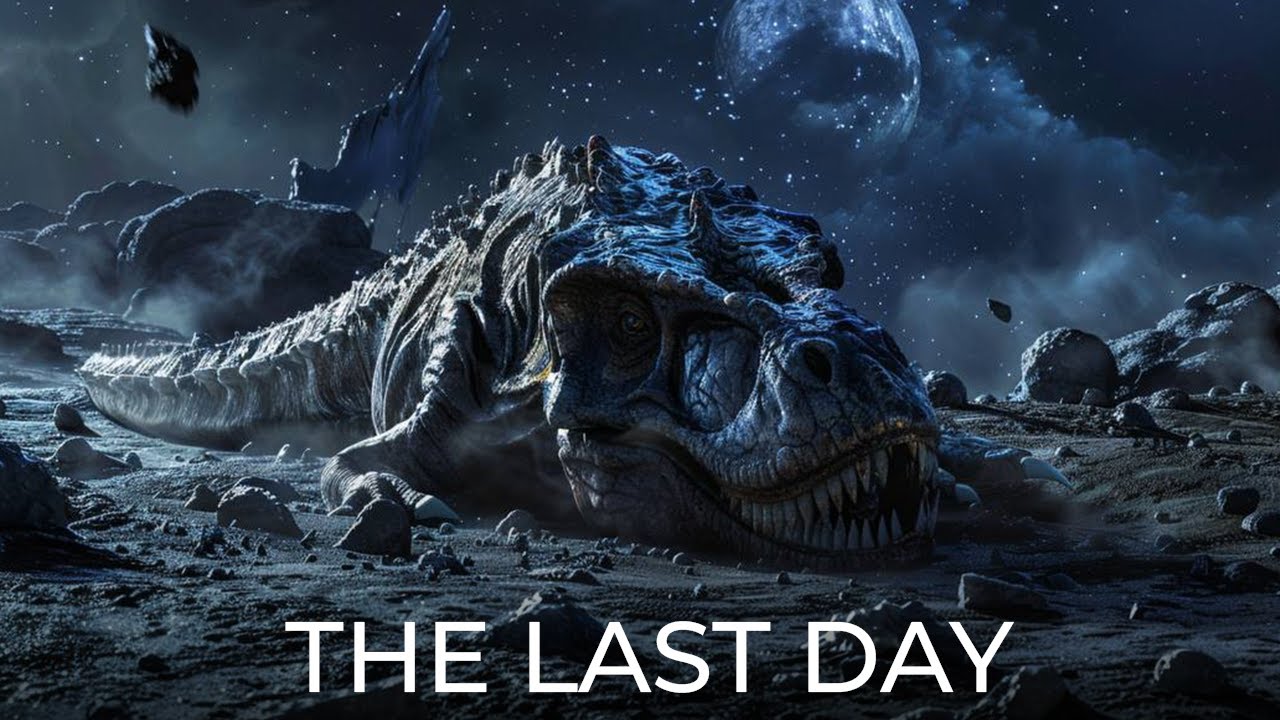
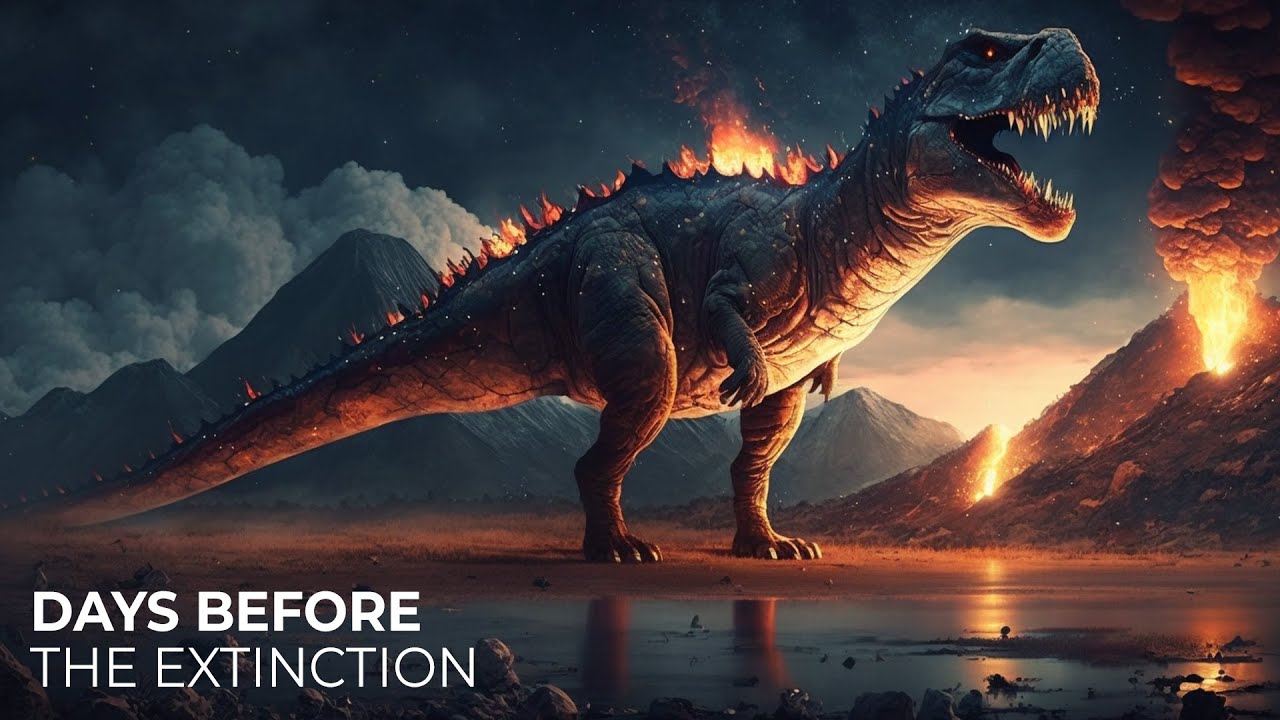
a different path or Would man have remained the apex predator on planet Earth a cataclysm caused by an asteroid impact more precisely the Cretaceous paleogene Extinction became a turning point when one domineering species is replaced by another because death is always the beginning of a new life for someone or something else but what took place of the giant reptiles first this is where we come across our first Pitfall faced by everyone who took interest in the fate of dinosaurs many people think that the asteroid crash resulted in all dinosaurs becoming extinct within one or two
days after the impact but that's far from the truth the species that were outside of the 900 mile zone of instant destruction had to face challenges huge tsunamis reaching 300 feet in height endless forest fires caused by the flow of scorching hot air And trillions of tons of Earth and rock launched into the atmosphere making the planet practically uninhabitable but the actual Extinction is a very long process at first the planet was launched into almost complete darkness trillions of tons of dust and soot lifted into the atmosphere shielded the planet from sunlight for literal years
furthermore research indicated that the first 600 to 700 days after the impact The dust concentration was so great the sky was entirely covered an eternal night of sorts except without the moon or stars as a result the lack of photosynthesis which in a very short time killed most of the plant species including the royalty of the floral world at the time the ferns which in itself is already a terrible ecological catastrophe but perhaps the main consequence of the remaining living beings was the global Cooling the thing is the Yucatan Peninsula that sustained the impact of
the asteroid has been and still is rich in minerals containing sulfur as the sulfur aerosols lifted into the atmosphere they practically turned it into a climate blanket preventing the energy generated by the sun to heat the surface of the Earth this type of Darkness continued for years but the actual cooling has only Happened for a short period from the geological point of view only a million years but during this time it significantly influenced the species diversity on the entire planet now let's get our facts together the long and very destructive night that killed the majority
of nutritious plants resulted in the large part of herbivorous dinosaurs being on the edge of Extinction which in turn meant these large Predators started losing their source of food which made dinosaur extinction just a matter of time it isn't known exactly when the very last dinosaur died whether that was a few decades or a half million years later we know one thing for sure between the start of Extinction and the end of Planet cooling all large animals have disappeared we're talking about anything weighing upward of 55 pounds This number is more nominal but it reflects
the fact that beings with larger body mass and faster metabolism just couldn't find enough food to sustain them the era of giant lizards was steadily coming to its end but what came next the most sophisticated viewers might say it was mammals small Savvy creatures that in the dinosaur era rarely surpass the size of A mouse conquered the world but it's not quite what happened the truth of the matter is any significant climate event rearranges the food chain however the unbearable living conditions in the absence of available food resulted in surviving organisms forming isolated enclaves where
life slowly developed and evolved on a relatively small scale this way the space at the top of the food chain remained vacant after the fall of the dinosaurs for the Next 15 million years that's how long it took for the planet's ecosystem to restore and enable larger creatures including mammals to exist only after some time when significant areas of Earth have changed from dense jungle to sparse Forest life out in the open contributed to mammals increasing in size before that all of our mammal ancestors were small omnivorous beings something between rodents and lizards We deliberately
highlighted their omnivorous diet it was one of the key factors that resulted in their effective survival it's worth noting that the first the Rapids which was the name given to the first Proto mammals didn't come to existence After The Dinosaurs or even at the dawn of their existence formerly they branched off the pelicosaur species which was a common ancestor of mammals and dinosaurs 272 million years ago This is what our common ancestor looked like by the way which over time evolved into something much more familiar for millions of years mammals were at the bottom of
the food chain becoming prey to larger and more aggressive tetrapods the dinosaurs however the asteroid made some changes over the next few million years and slowly but surely mammals filled the vacant population niches Predominantly on the ground and next to large bodies of water only a few managed to get established in the air or in the deep water but why up there animals had their own special struggle for a place under the sun it's particularly telling that the sky is the only environment where the only direct relatives of dinosaurs known as manoraptorus has survived small
number of and managed to survive And over the next 15 million years produced The Offspring resembling modern Birds that might strike you as odd pigeon or a penguin didn't look very similar to a T-Rex but the connection is there right down to the bone structure when the extinction occurred the traits developed by birds over millions of years became the deciding factor in their survival Entire groups of avians including the toothed Birds known as the anante Ordnance became extinct it's unlikely that only one trait decided their fate and yet survival in a mass extinction event often
relies on luck and the Beak was like an ace for some birds by the end of the creatius period birds with a beak had a more diverse diet than their tooth counterparts these birds didn't focus on insects or other live prey which enable them to harvest seeds and Nuts when the animal world has significantly reduced in size because of the extinction event this type of food allows the beak birds to survive the hard times what's funny is that today the closest direct relative of the dinosaurs that's the creature that underwent the least change on the
chromosome level and that's a chicken so if you want to have a short tour into the Fauna of the courageous period and Observe the way real dinosaurs used to act take a look at the nearest Chicken Coop but if you want to know what the first Birds looked like you should take a trip to the Amazon rainforest the only living representative of one of the oldest avian species that originated 64 million years ago is the Watson bird if you take a close look at this incredible bird you'll see the resemblance between a hawason and the
reconstructed model of a Semi-bird semi-reptile creature created based on excavated bones young Watson birds have an interesting Vestige inherited from the Proto Birds namely the two claws on the bones supporting their flight feathers kind of like hands if the baby bird falls out of the nest which is a common cause of death for a young bird the Watson Offspring can use the claw to get to safety the mass extinction affected the deep blue Seas II down there the extinction created Vacancy for The Unique species niches the world's oceans experience their own Revolution where the Monstrous
mosasaurs and megalodons were replaced by fish more precisely Ray fin fishes or actinopharyngi named for bony spines on their fins a range like rays of light again the ability to quickly adapt to the new situation played its part just as it did with the Proto birds today the rayfin fish make up over 95 percent of all fish species known to science The fish were gradually Taking Over the Sea just as the mammals took over the land after dinosaurs went extinct scientists quote The Disappearance of the majority of the ammonites as one of the main reasons
for the successful population of Ray Fin fish ammonites are the relatives of the modern calamari octopi and other cephalopods they were a very prolific species and insatiable customers of tiny Plankton which was the main food supply of regular fish in a Way they presented as much danger to the fish as giant water reptiles the sequence of events that triggered their Extinction is very simple not unlike what happened on land due to the absence of photosynthesis the large number of phytoplankton which feeds the regular zooplankton had died and without it supporting the voracious population of ammonites
was simply impossible it is interesting that when studying the Fossils from that time period the scientists discovered that the population of Ancient cartilage genus fish which includes species like sharks and Rays didn't suffer a significant reduction in size we can't know for sure but it appears that the Sharks did not pose a serious danger to the rayfin fish which allowed the latter to fill almost all the vacant niches perhaps it's due to its relatively small Population size whatever it was this baby boom in the population of rape in fish was so significant it became known
as the new era of fish why new because at one point the water-dwelling dinosaurs already took this title from the sharks the first fish era took place during the devonian period which lasted from 417 to 354 million years ago this is when the first fish came to exist including sharks and Rays This new era of fish lasted for at least the first 24 million years of the cenozoic era which followed the creaxius period after this fish made space for certain mammals such as whales and cashelites that decided to venture into the water to this day
Ray Finn fish are the most diverse water dwelling vertebrates while other animals may seem larger or more advanced fish are still the most predominant species in evolutionary Terms but let's get back to the land where yet another fourth evolutionary battle for survival was happening at the time despite the vast diversity of gymnosperms mostly Evergreen plants and ferns their Heyday is suddenly interrupted at the end of the creatius period at the same speed as the gymnosperms disappeared the flowering plants entered the arena let's take a look at how it happened and how it Affected the evolution
of the animal population during the cenozoic era the thing is ancient species of gymnosperms and ferns were designed to exist in a wet climate and when they found themselves in unsuitable living conditions they quickly started to die off all the while the young species of flowering plants managed to adapt to the new environment and quickly took over the land One of the main factors in the victory of the flowering plants was the development of so-called double fertilization which contributed to their vitality and adaptability to the new environmental conditions the transition from gin with sperms to
flowering plants was without exaggeration one of the most important leaps in the history of plant life their evolutionary fight for survival Radically changed the face of plant life on Earth and caused a real revolution in nature the gloomy and monochrome Forest made up of gymnosperms and ferns were replaced with flowering plants diverse in both shape and color besides the flowering plants created a more nutritious undoubtedly better food supply for the animals around the same time during the cyanozoic era the first grain plants came to exist as such the evolution of many animal Species revolved around
their interaction with the first flowering plants the entire groups of living beings such as carnivorous and Seed eating monkeys could continue living surrounded only by flowering plants in turn animals became the most effective method for transporting fruit and Seed across long distances influence of flowering plants was so great we can confidently state that they Played a major role in the development of great apes and consequently you and me people Homo sapiens the cyanozoic era is an incredible period in Earth's history it was if the crash of the asteroid destroyed a colorful puzzle where giant reptiles
ruled the world after breaking into a million pieces the puzzles came back together but revealed an entirely new picture where you can clearly see the remnants of the past This is the era of amazing creatures that look like they came directly from ancient myths and tales the Sabretooth metatherian tiger called thylacosmolis that reached the size of a Jaguar the walking whale known as ambulacanus which only 20 million years later after the catastrophe would finally come to live under the water reproducing descendants like orcas whales and cashelites the saber-toothed elephant Dental theorem and the hippo ancestor
that Looks more like a giraffe known as the paraceratherium that's just a fraction of the species diversity that expanded in such an explosive fashion allowing the mammals to take the key position in the food chain though this tight and mutually beneficial interaction the Flora and the fauna revived after a global cataclysm that destroyed the mass majority of Life on this planet the cenozoic era marked The end of existence for some species gave way to others more complex and diverse organisms confirming yet again the cynical yet endlessly true Theses that death is not the end but
the beginning of something new [Music]