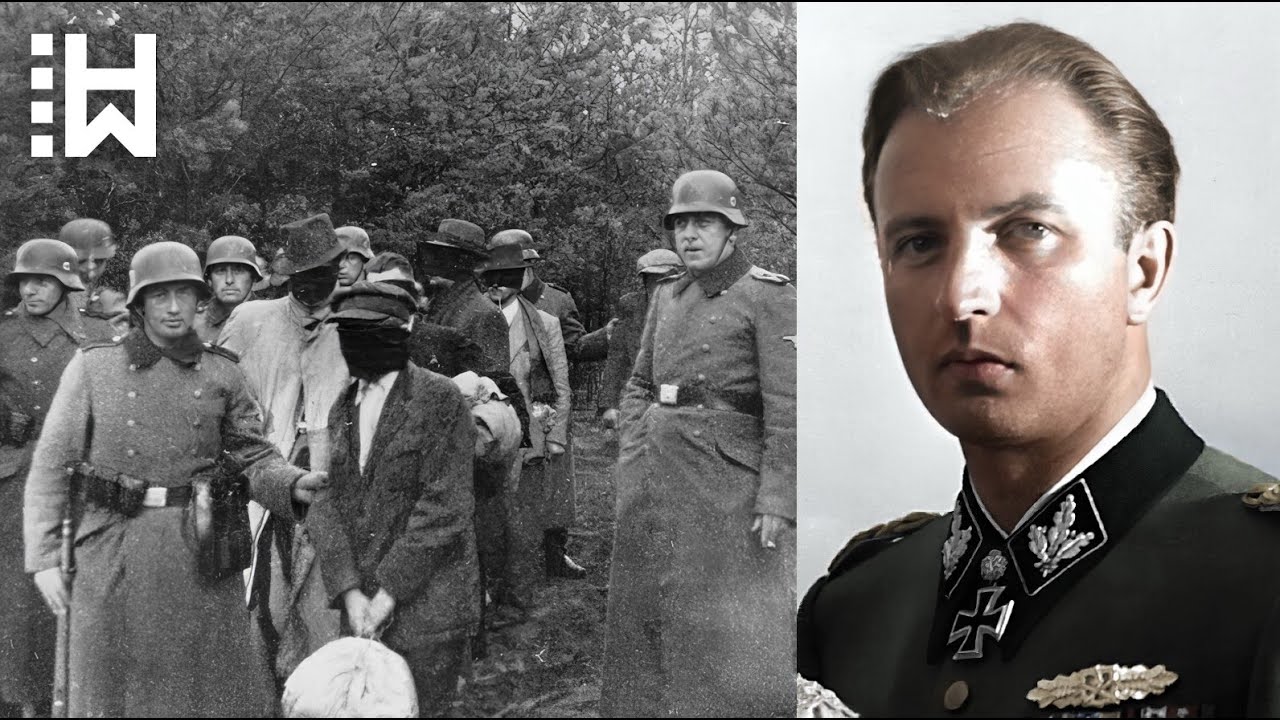
The 1st of September 1939. After a false accusation that the Poles attacked a German radio station, Nazi Germany launches a “retaliatory” campaign against Poland triggering World War 2. Poland finds itself fighting a two front war when it is invaded by the Soviet Union from the east on the 17th of September.
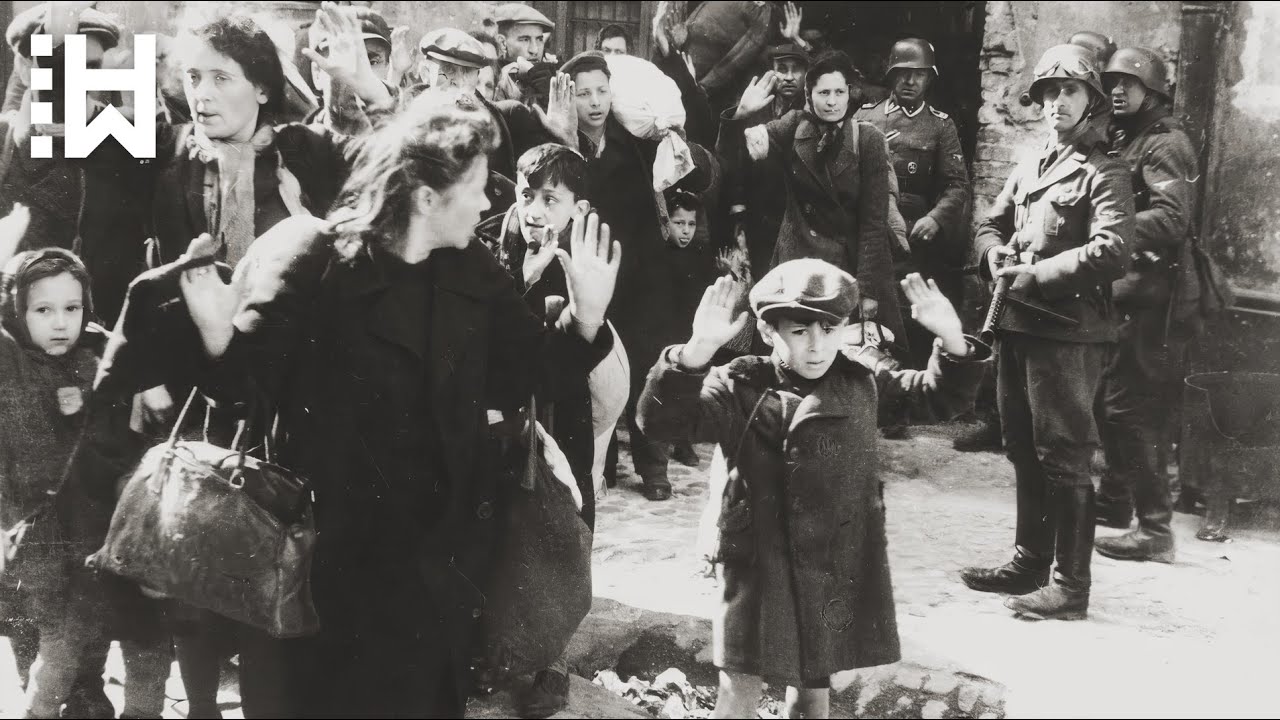
Warsaw officially surrenders to the Germans on the 28th of September and one day later in accordance with the secret protocol to their non-aggression pact, Germany and the Soviet Union partition Poland. After defeating the Polish army, the Germans ruthlessly suppress the Poles whom they consider to be racially inferior and, in the weeks, following the German attack on Poland, German SS, police, and military units shoot thousands of Polish civilians, including many members of the Polish nobility, clergy, and intelligentsia. Approximately 1,8 million Jews remaining within the area occupied by Germany are imprisoned in ghettos and after the German invasion of the Soviet Union in June 1941, over 3,000,000 Polish Jews are deported to Nazi concentration camps.
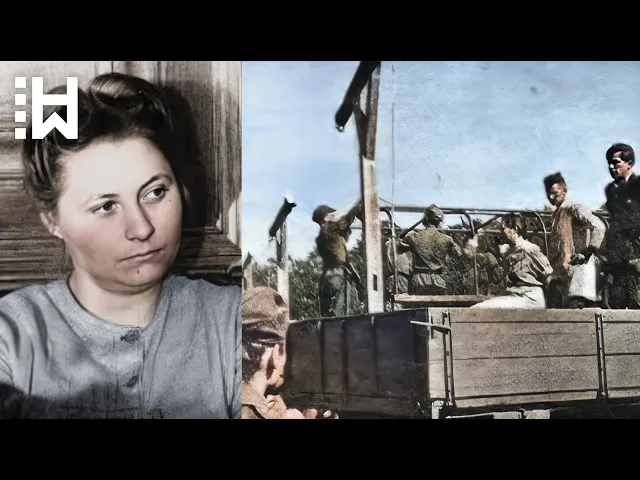
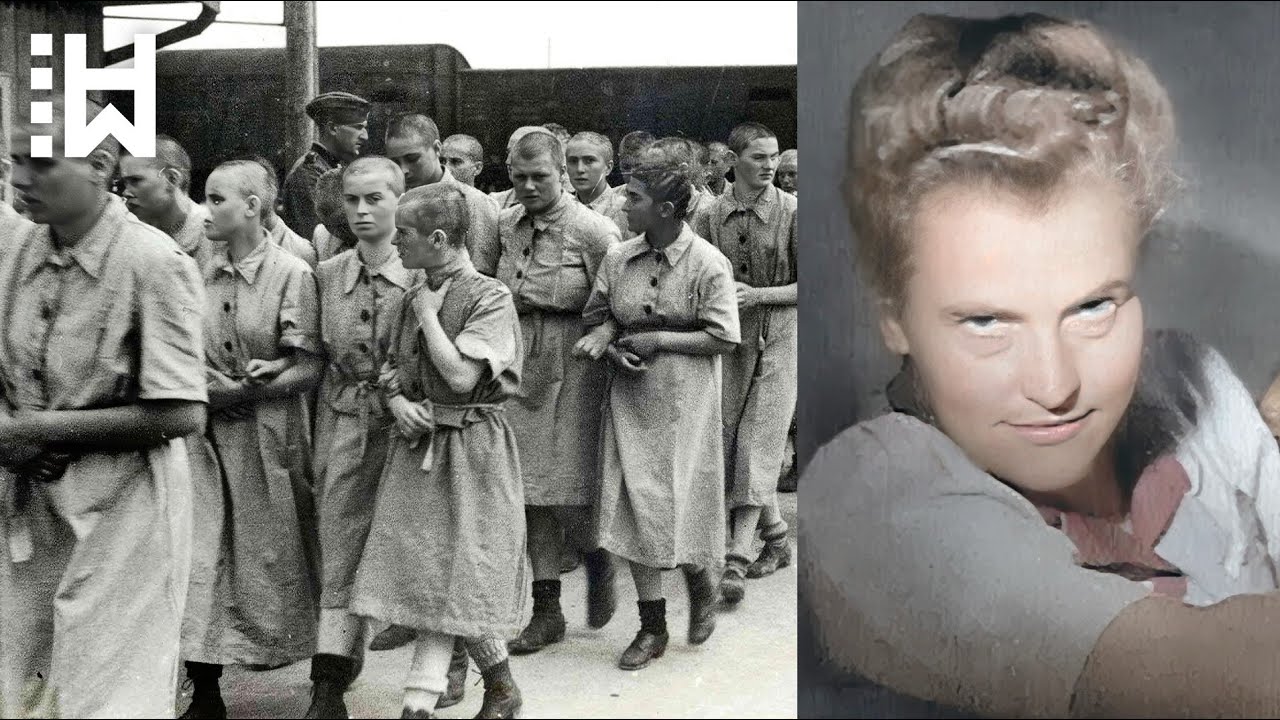
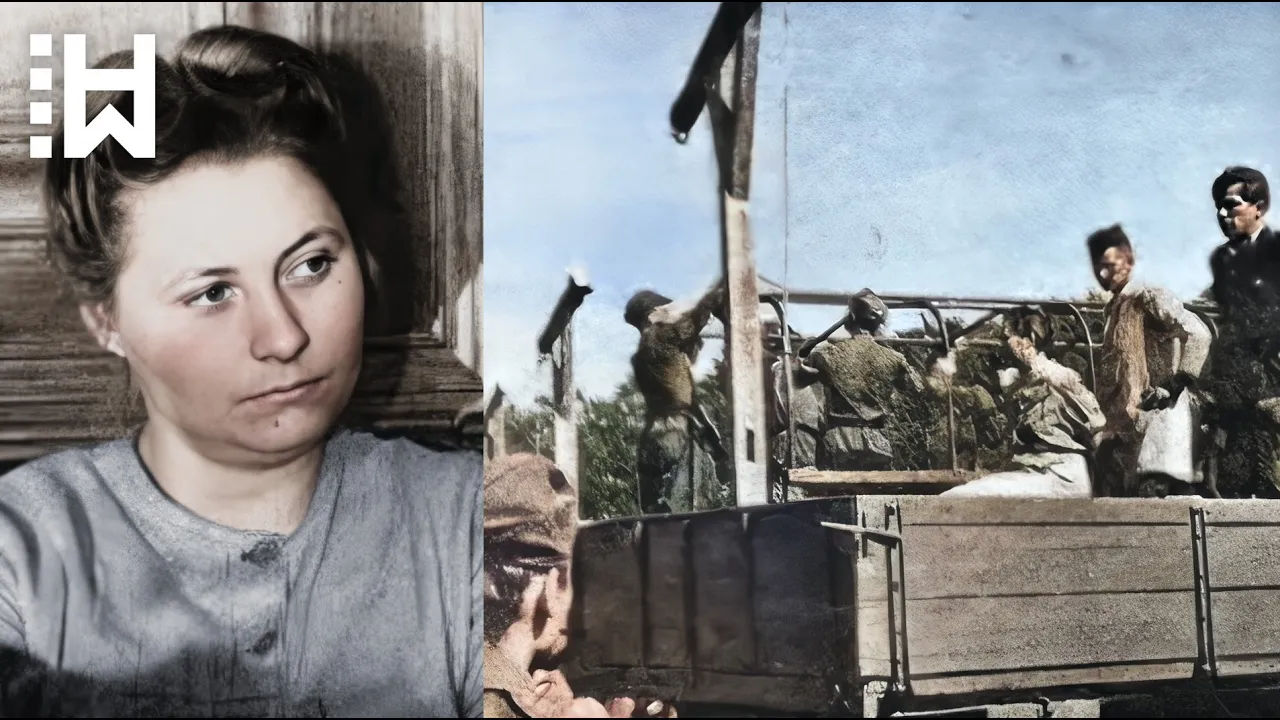
One such camp is Stutthof and one of its most infamous guards becomes Jenny-Wanda Barkmann. Jenny-Wanda Barkmann was born on the 30th of May 1922 in Hamburg then part of the Weimar Republic which was the government of Germany from 1918 to 1933. Barkmann was 10 years old when Adolf Hitler and the Nazi party came into power in January 1933.
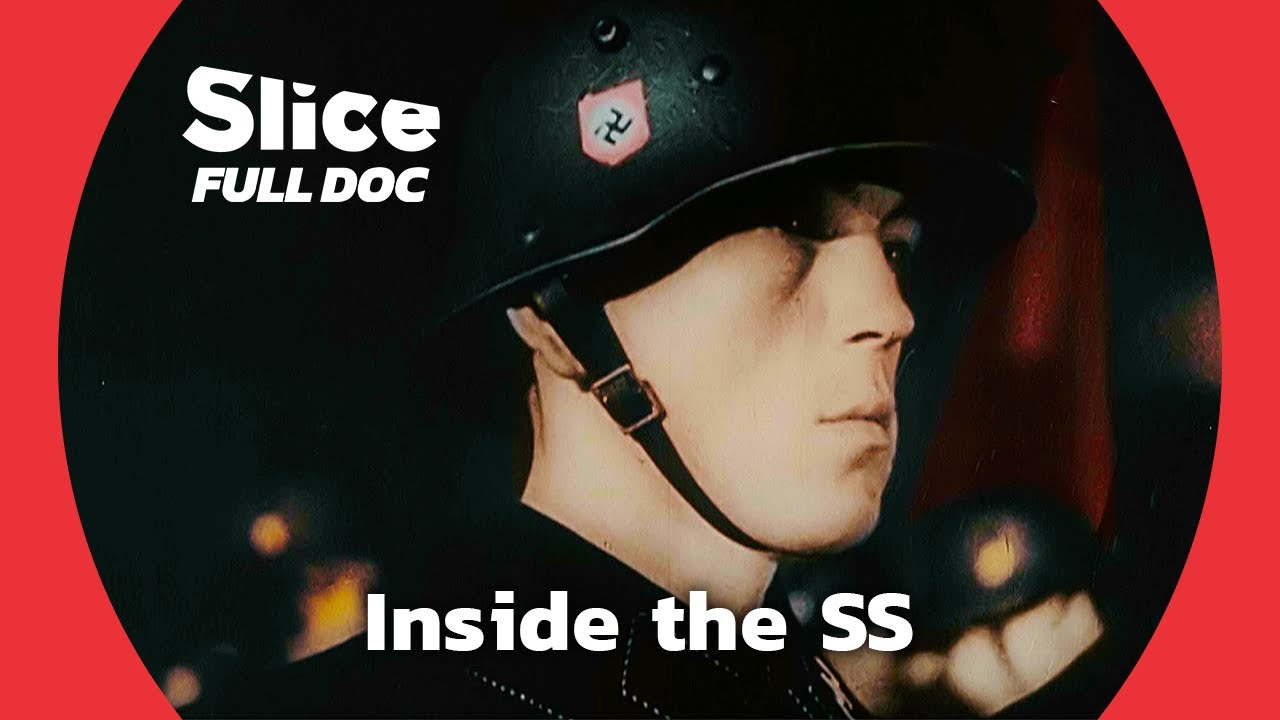
Soon after she became a member of the League of German Girls, which was the female section of the Hitler Youth. These organizations, led by Baldur von Schirach, were the primary tools that the Nazis used to indoctrinate young people with Nazi ideology, thus shaping the beliefs, thinking and actions of German youth. While in January 1933, the Hitler Youth had approximately 100,000 members, by the end of the year this figure had increased to over 2 million.
Jews were not allowed to join these organizations. Boys and girls were taught to be both racially conscious and physically fit in order to build a new future for Germany and were often present at Nazi Party rallies and marches. Since the Hitler Youth and its female section the League of German Girls were considered fully Aryan organizations by Nazi officials, premarital sex was encouraged in their ranks.
At the 1936 Nuremberg Rally, where there were some 100,000 participants of youth organizations present, 900 girls between fifteen and eighteen years of age returned home pregnant. Belonging to the organization was a significant time commitment which interfered with other priorities, such as church and school. During these meetings, the members were encouraged to abandon their individuality, wear the same uniforms, sing the same Nazi songs and participate in similar activities.
This time commitment and regular exposure to the Nazi ideology weakened the influence of parents, teachers, religious figures, and other voices of authority. In fact, the Hitler Youth and League of German Girls even encouraged their members to report to their leaders about what was happening in their schools or churches as well as if their parents or neighbours were not acting in line with the regime. While boys participated in military training to be trained as future fighters and soldiers for war, girls prepared for their futures as wives and mothers.
The League of German Girls emphasized collective athletics, such as rhythmic gymnastics, which German health authorities deemed less strenuous to the female body and better geared to preparing them for motherhood. These activities also served to demonstrate the value of working together. The League trained girls to care for the home and family and girls learned skills such as sewing, nursing, cooking, and household chores.
In 1936, membership in Nazi youth groups became mandatory for all boys and girls between the ages of ten and seventeen. Schools too played an important role in spreading Nazi ideas to German youth. From their first days at school, German children were imbued with the cult of Adolf Hitler and his portrait was a standard fixture in all classrooms.
While censors removed some books from the classroom, German educators introduced new textbooks that taught students love for Hitler, obedience to state authority, militarism, racism, and antisemitism. Jenny Wanda Barkmann was 17 years old when the Second world war began on the 1st of September, 1939. Nazi Germany possessed overwhelming military superiority over Poland.
Germany launched the unprovoked attack at dawn on the 1st of September with an advance force consisting of more than 2,000 tanks supported by nearly 900 bombers and over 400 fighter planes. In all, Germany deployed 60 divisions and nearly 1. 5 million men in the invasion.
The assault on Poland demonstrated Germany’s ability to combine air power and armor in a new kind of mobile warfare. The world adopted a new term to describe Germany’s successful war tactic: Blitzkrieg, or “lightning war. ” Britain and France stood by their guarantee of Poland's border and declared war on Germany on the 3rd of September, 1939.
However, Poland found itself fighting a two front war when the Soviet Union invaded Poland from the east on the 17th of September, sealing Poland’s fate. The Polish government fled the country that same day. The last operational Polish unit surrendered on the 6th of October.
After Poland’s defeat in early October 1939, Nazi Germany and the Soviet Union divided the country in accordance with a secret protocol to the German-Soviet Non-Aggression Pact. This agreement became known as the Molotov-Ribbentrop pact and had been signed one week before the start of the WW2 on the 23rd of August 1939 in Moscow by German Foreign Minister Joachim von Ribbentrop and Soviet Foreign Minister Vyacheslav Molotov. The demarcation line was along the Bug River.
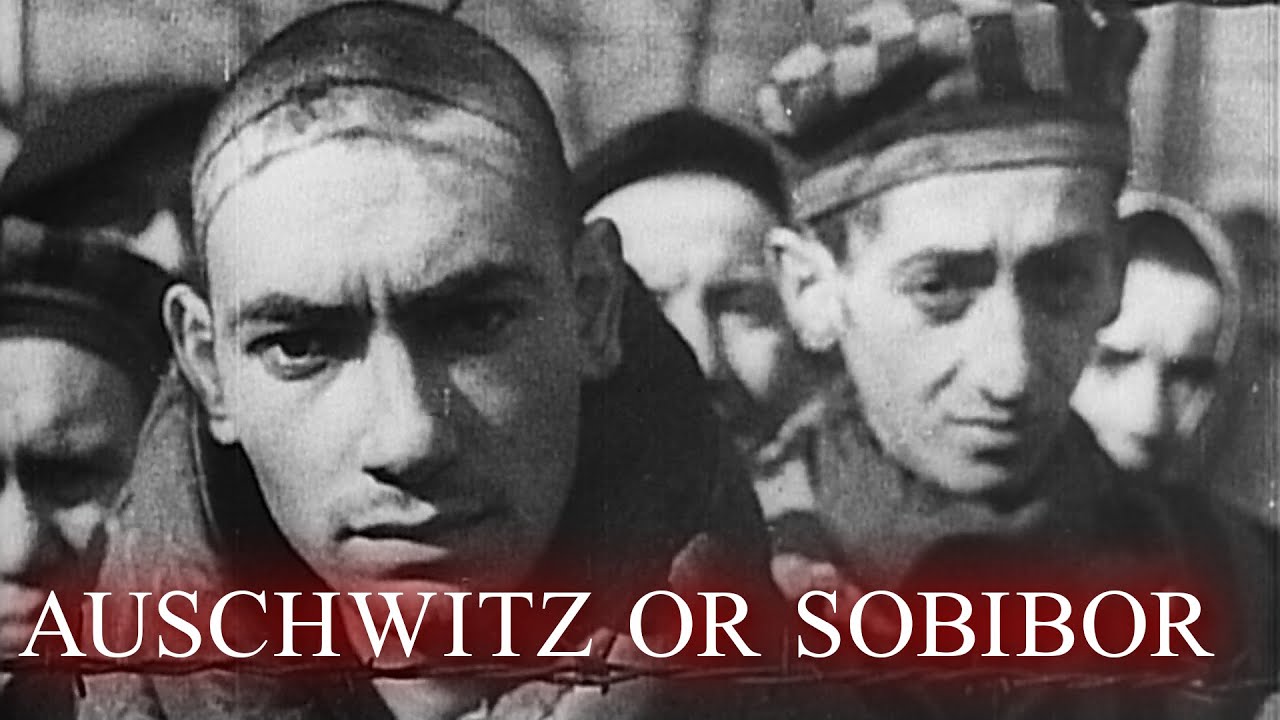
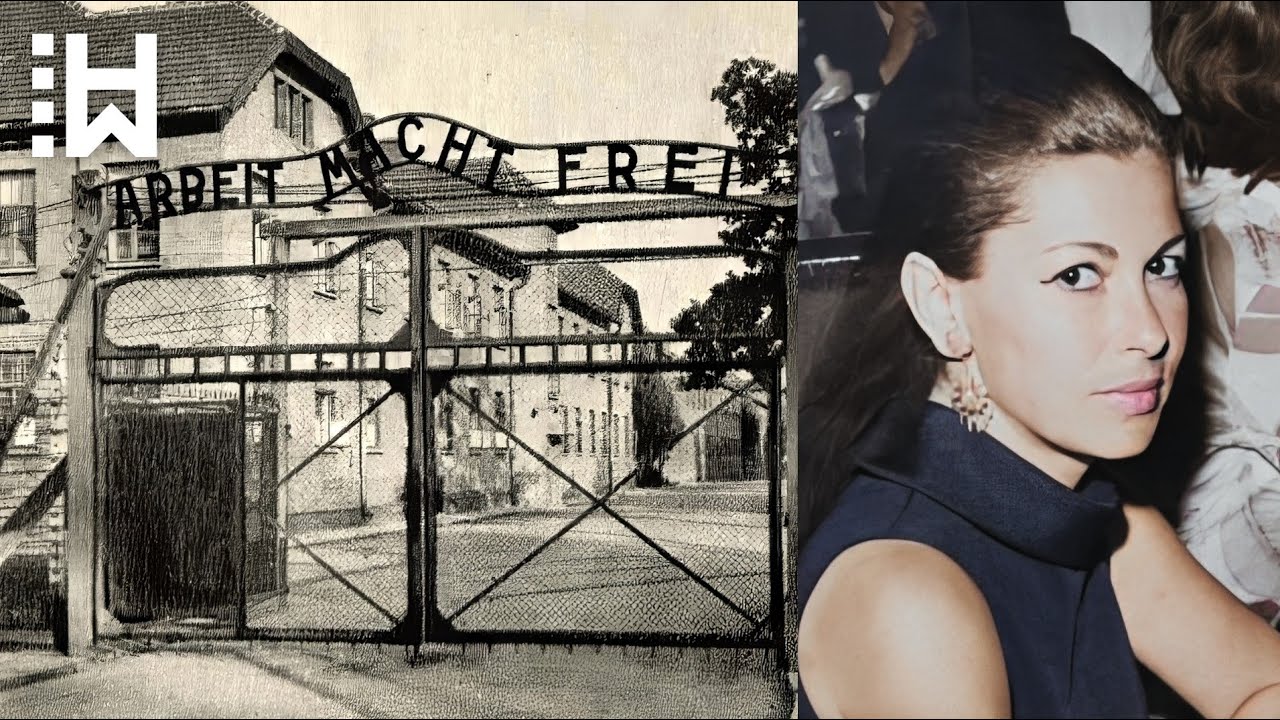
In September 1939, the Germans established the Stutthof camp in a wooded area west of Stutthof, a town about 22 miles east of Danzig, today’s Gdańsk. The original camp, known as the old camp, was surrounded by barbed-wire fences and 8 barracks for the inmates built by prisoners in 1940. The camp was established in connection with the ethnic cleansing project that included the liquidation of Polish elites such as members of the intelligentsia as well as religious and political leaders.
Even before the war, the Germans had created lists of people to be arrested, and the Nazi authorities were secretly reviewing suitable places to set up concentration camps in their area. Originally, Stutthof was a civilian internment camp under the Danzig police chief, before its subsequent massive expansion. In November 1941, it became a "labor education" camp for political prisoners and persons accused of violating labor discipline, administered by the SD - German Security Police.
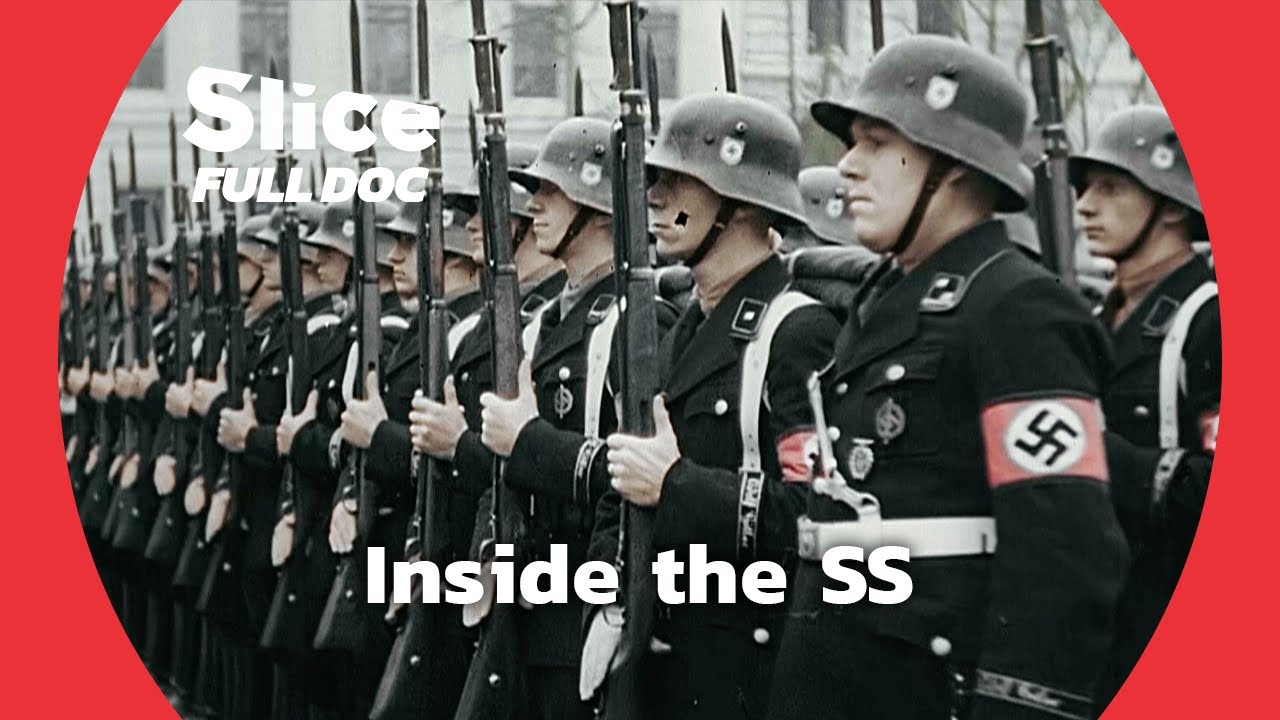
Finally, in January 1942, Stutthof became a regular concentration camp under the jurisdiction of the SS. In 1943, the camp was enlarged and a new camp was constructed alongside the earlier one. It contained 30 new barracks and was surrounded by electrified barbed-wire fences.
A crematorium and gas chamber were added in 1943, just in time to start mass executions when Stutthof was included in the "Final Solution" in June 1944. The maximum capacity of the gas chamber was 150 people per execution. Eventually, the Stutthof camp system became a vast network of forced-labor camps.
105 Stutthof subcamps were established throughout northern and central German-occupied Poland. Tens of thousands of people, perhaps as many as 100,000, were deported to the Stutthof camp. The prisoners were mainly non-Jewish Poles.
Conditions in the camp were brutal. Many prisoners died in typhus epidemics that swept the camp in the winter of 1942 and again in 1944. Those whom the SS guards judged too weak or sick to work were gassed in the gas chamber.
Gassing with Zyklon B gas began in June 1944. 4,000 prisoners, including Jewish women and children, were killed in a gas chamber before the evacuation of the camp. Camp doctors also killed sick or injured prisoners in the infirmary with lethal injections of phenol.
More than 60,000 people died in Stutthof concentration camp and its subcamps. Until 1942, nearly all of the prisoners were Polish. The number of inmates increased considerably in 1944, with Jews forming a significant proportion of the newcomers.
The first contingent of 2,500 Jewish prisoners arrived from Auschwitz in July 1944. In total, 23,566 Jews including 21,817 women were transferred to Stutthof from Auschwitz. The camp staff consisted of SS guards and, after 1943, Ukrainian auxiliaries.
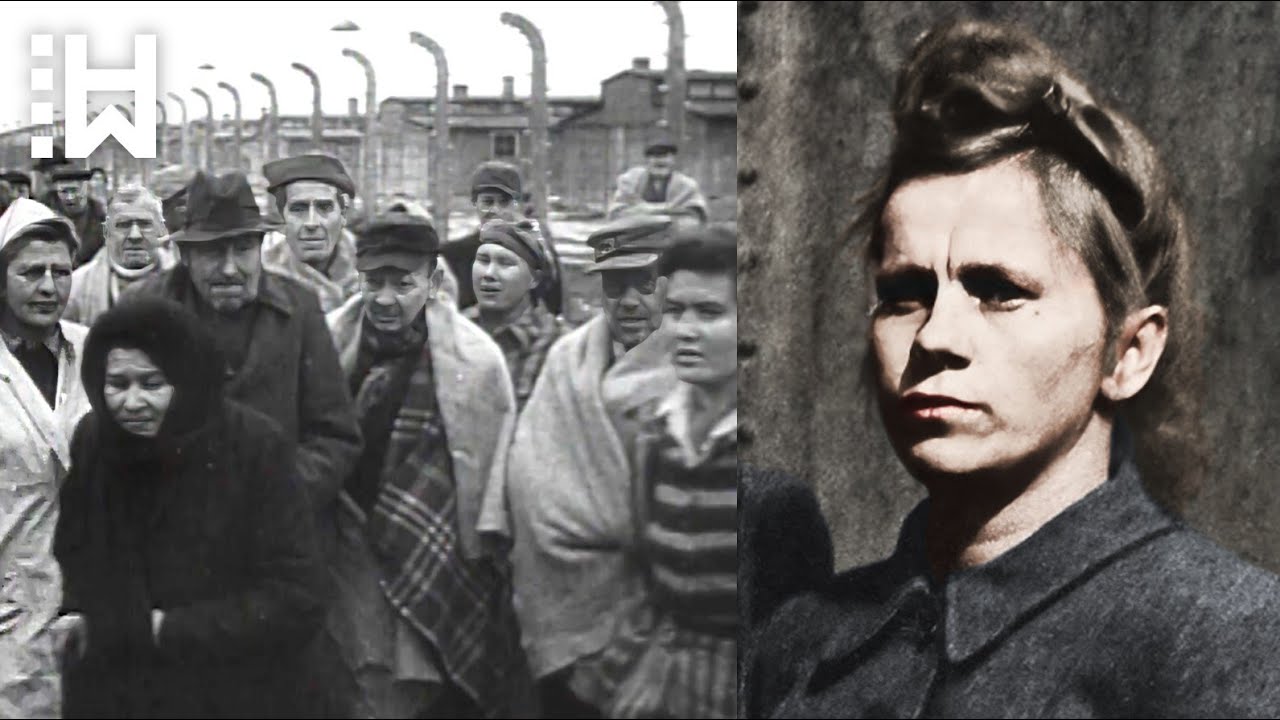
Jenny Wanda Barkmann became a camp guard in January 1944. In June of the same year, the SS in Stutthof began conscripting women from Danzig and the surrounding cities to train as camp guards because of their severe shortage after the women's subcamp of Stutthof called Bromberg-Ost was set up in the city of Bydgoszcz. Even in the brutal reality of the Stutthof camp, which was particularly notorious for having sadistic female guards, Barkmann became infamous for her exceptional cruelty.
She brutalized prisoners and was known for beating inmates, some to death, either with her bare hands or with her whip. Among her victims were also children. She would not only beat them but together with their mothers she would select them and then send them to the gas chamber to be killed without any remorse.
Because of the combination of her attractiveness and her cruelty the prisoners nicknamed her the ‘Beautiful Spectre’. The evacuation of prisoners from the Stutthof camp system in northern Poland began in January 1945. When the final evacuation began, there were nearly 50,000 prisoners in the Stutthof camp system, the overwhelming majority of them Jews.
About 5,000 prisoners from Stutthof subcamps were marched to the Baltic Sea coast, forced into the water, and machine gunned. The rest of the prisoners were marched in the direction of Lauenburg in eastern Germany but after they were cut off by advancing Soviet forces, the Germans forced the surviving prisoners back to Stutthof. Marching in severe winter conditions and treated brutally by the SS guards, thousands died during the march.
In late April 1945, the remaining prisoners were removed from Stutthof by sea, since Stutthof was completely encircled by Soviet forces. Again, hundreds of prisoners were forced into the sea and shot. It has been estimated that over 25,000 prisoners, one in two, died during the evacuation from Stutthof and its subcamps.
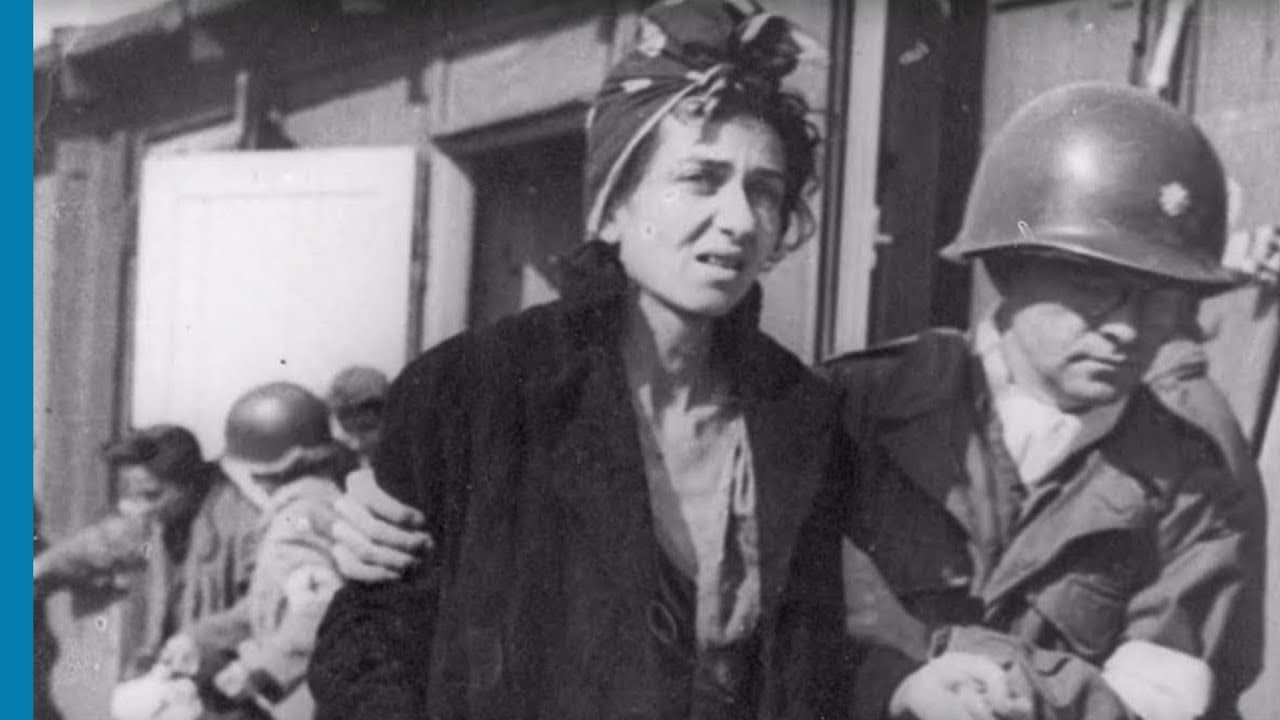
When Soviet forces liberated Stutthof on the 9th of May 1945, they found only about 100 prisoners who had managed to hide during the final evacuation of the camp. Altogether, some 100,000 prisoners passed through Stutthof; 60,000 of them perished, while another 22,000 were transferred to other concentration camps. In the last phase of the fight for Danzig, Barkmann tried to escape from the advancing Soviet troops, but was eventually arrested by the Polish militia in May 1945 at the Danzig railway station.
At the first interrogation, Jenny stated that she had always treated Jews well and had never bullied prisoners. She also said that she had secretly helped the unfortunate prisoners and even saved them from death. However, her lies did not help her escape justice.
Barkmann was tried at the First Stutthof trial which began on the 25th of April 1946. During her imprisonment and trial Barkmann, not particularly worried about life, was rather concerned about her appearance. She wore stylish clothes and the different hairstyle every day and reportedly flirted with the prison guards.
She and her former female colleagues were said to have behaved insolently, giggling and joking during the proceedings. When the trial ended on the 31st of May, 11 defendants, convicted of crimes against humanity, were sentenced to death by hanging. Among them were 5 women.
While 4 of them – Wanda Klaff, Gerda Steinhoff, Elisabeth Becker and Ewa Paradies cried and pleaded for their life, only one, Jenny Wanda Barkmann, remained calm. After being found guilty, she only remarked: "Life is indeed a pleasure, and pleasures are usually short. " Her execution was held publicly and became a theater of horror which was recorded by official press photographers.
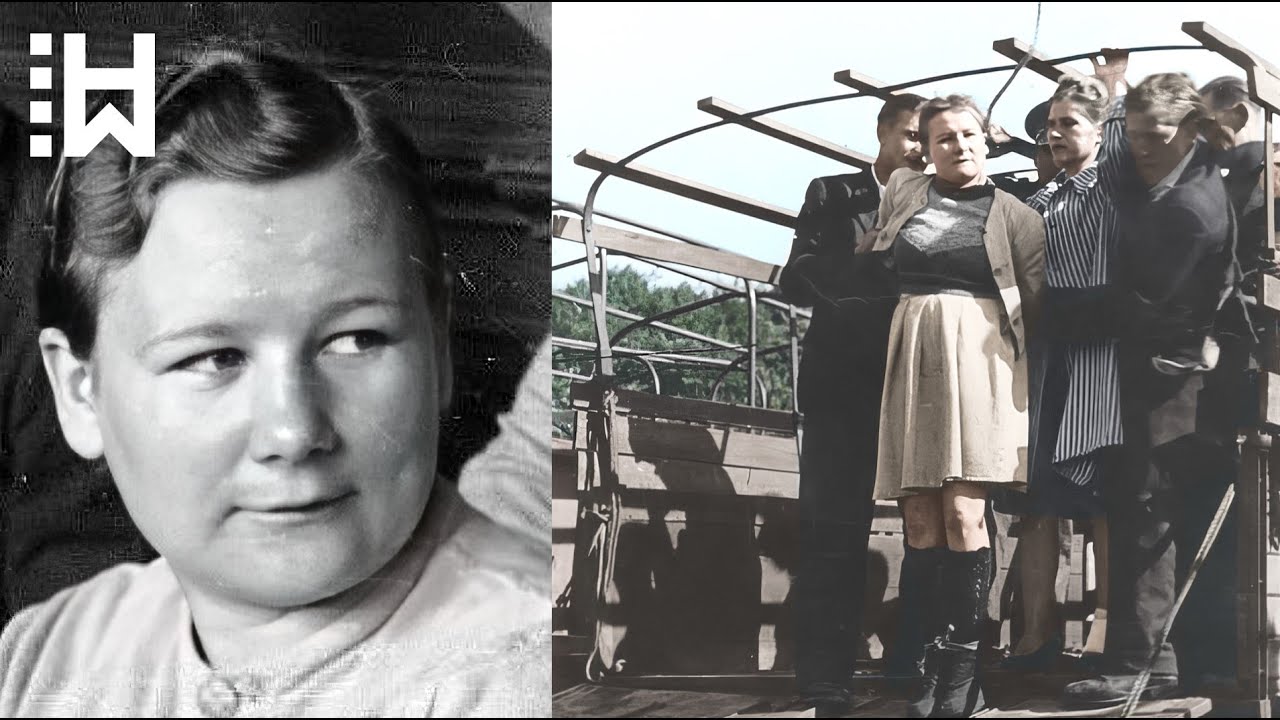
After World War II, only three public executions of war criminals were carried out in Poland. One of them took place at Biskupia Górka Hill near Gdańsk, former Danzig. When on the 4th of July 1946, 11 Nazi Criminals from the Stutthof concentration camp including 24 year old Jenny Wanda Barkmann were hanged from the gallows, 200,000 people were watching.
On that day Biskupia Górka Hill experienced a real siege. Three days earlier, the newspapers had reported the date of the execution. Workplaces announced a day off and provided employees with transport to the event.
Everyone could come to witness the execution. The security forces feared that a lynching might occur at any moment and the militia and army had difficulty controlling the huge crowd. The 4th of July was very warm, the sun was shining.
Punctually at 5 PM, eleven open trucks brought the prisoners to the execution ground, their hands and legs tied with cords. On the platform of each of the eleven trucks stood a convict, six men and five women in total. The trucks were backed under the gallows and the condemned made to stand on the tailboards or on the chairs on which they had been sitting.
Former Stutthof prisoners, dressed in striped uniforms, volunteered to serve as executioners and put a simple cord noose around convicts’ necks. The execution was planned in such a way that after each truck would be driven forward, the 11 convicts were left suspended, and their bodies would not fall from too great a height. As a result, the nooses did not break their necks and did not cause an instant death.
This short-drop method of hanging resulted in a torturous death by strangulation of each of the criminals lasting anywhere from 10 to 20 long minutes. When the driver of the first truck carrying Johann Pauls, former commandant of the guards in Stutthof, started the engine and moved slowly forward, Pauls, before sliding off the platform and hanging on the rope, managed to shout "Heil Hitler! ".
He was answered by the insults of the crowd. As Pauls' body went still, another truck started moving and another criminal began what those present at the execution described as a "rope dance". As each truck moved forward, the other convicts had the opportunity to take a good look at what awaited them in a next few moments.
When one truck driver failed to start the engine several times, the former Stutthof prisoner pushed the convict off the platform. The crowd waved and the people shouted "For our husbands, for our children". When the last convict died, the security forces allowed the crowd to the gallows.
People ripped off buttons, cut off pieces of fabric and kicked and smashed the corpses. The gathered people were then chased away, and the bodies were removed from the gallows. After the execution it was rumored that once Barkmann’s body was cremated, her ashes were taken to Hamburg and dumped into the toilet of the apartment where she had been born.
However, it was not true. Instead, the bodies of those executed were taken to the Medical University of Gdańsk to be used as a teaching aid in anatomy classes. There were no tears shed for Jenny Wanda Barkmann.
Thanks for watching the World History Channel be sure to like And subscribe and click the Bell notification icon so you don't miss our next episodes we thank you and we'll see you next time on the channel.