The release of Bojack Horseman's fourth season made me think and got me in contact again with a genre that I haven't been paying attention for sometime: A fable is a composition where the characters are animals with human characteristics or qualities. Frequently, there are analogies or moral values behind those animals. It is very similar to an allegory that Greek thinkers used to represent ideas or philosophical concepts through a figurative narrative.
A good example is the famous "Allegory of the Cave" by Plato. What differentiates the fables is the animals presence, bringing information to the narrative Taking as example the cartoon "Blacksad" by the Mexicans Juan Díaz and Juanjo Guarnido, the characters anthropomorphism represents their personality and their moral conducts. From police officers being represented as dogs, people under illegal activities as snakes, foxes or lizards, to more subtle and complex personality traits.
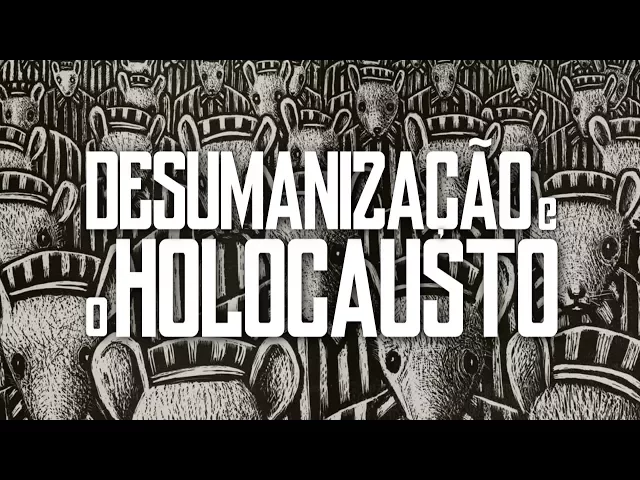
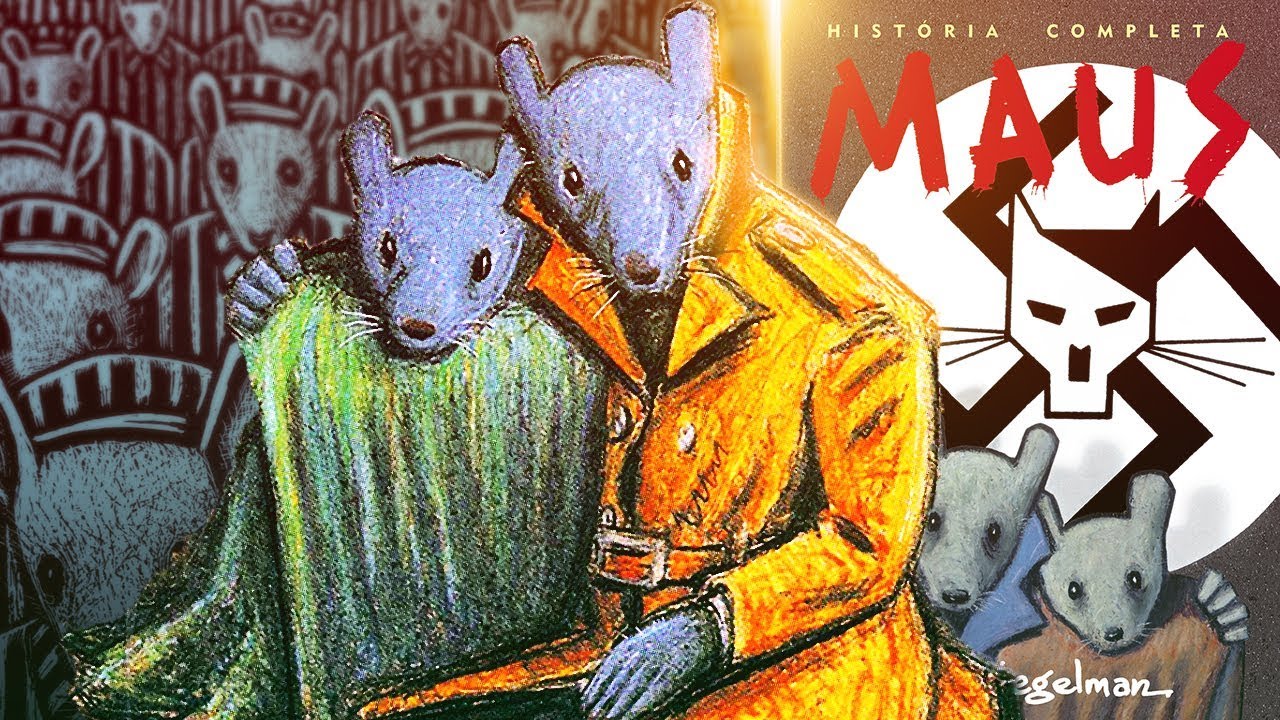
But a fable example that has deeply touched me is another cartoon by Art Spiegelman called "Maus". It is the only cartoon to win a Pulitzer Prize, Special Award in Letters. Since it is a biographical work about the Holocaust during the World War II and it's a story that can only be told by cartoons using animals instead of people.
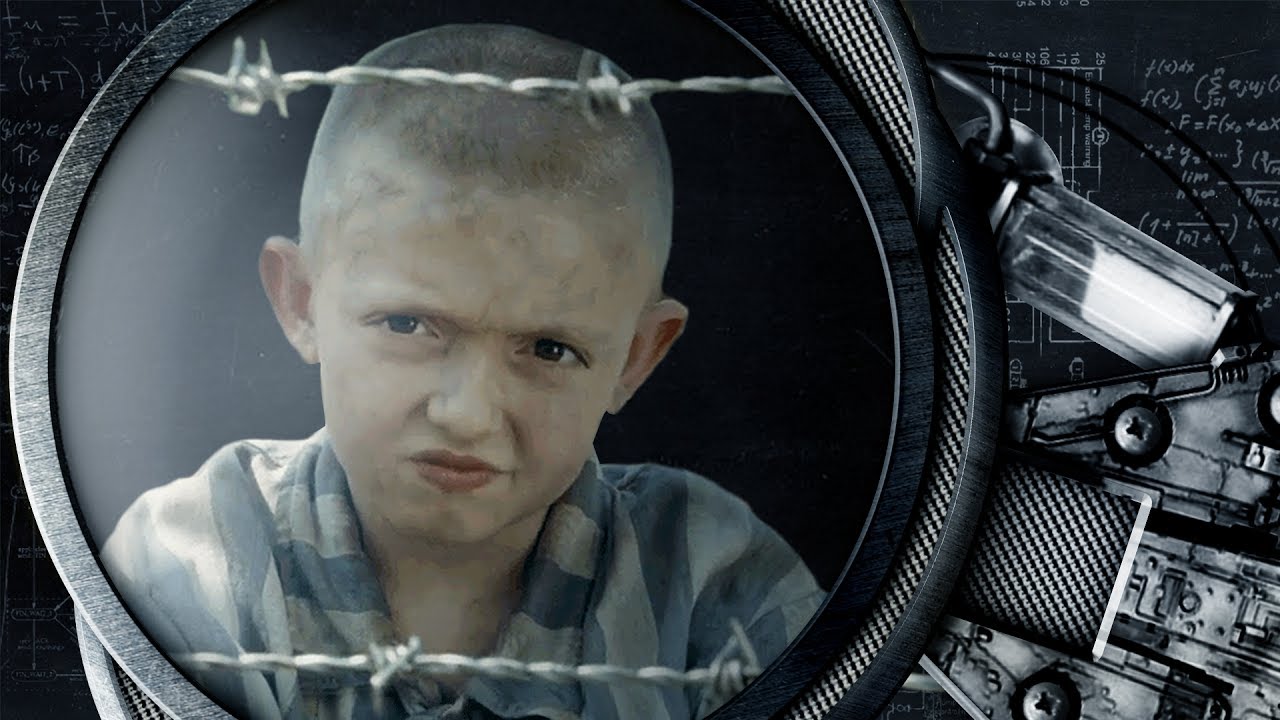
The reason is what I want to try explaining here. For those who don't know, "Maus" depicts Vladek Spiegelman's real story. Vladek is a Jew that survived the Auschwitz concentration camp during Holocaust.
He also is the author's father. The comic alternates between Vladek's experiences during the Nazi regime and the author's own experiences learning about his father and writing the comics. The author's metalinguistic moments talking about writing his own work adds sensibility and deepness to it.
But its most striking aspect is the anthropomorphized looks of its animal characters. The Jews are represented as mice, Germans as cats, Polish as pigs, the list goes on. .
. The reason for it is more complex than it seems. In his collected volume of underground comic strips "Breakdowns", he talks about a time where he was trying to learn how to draw black people.
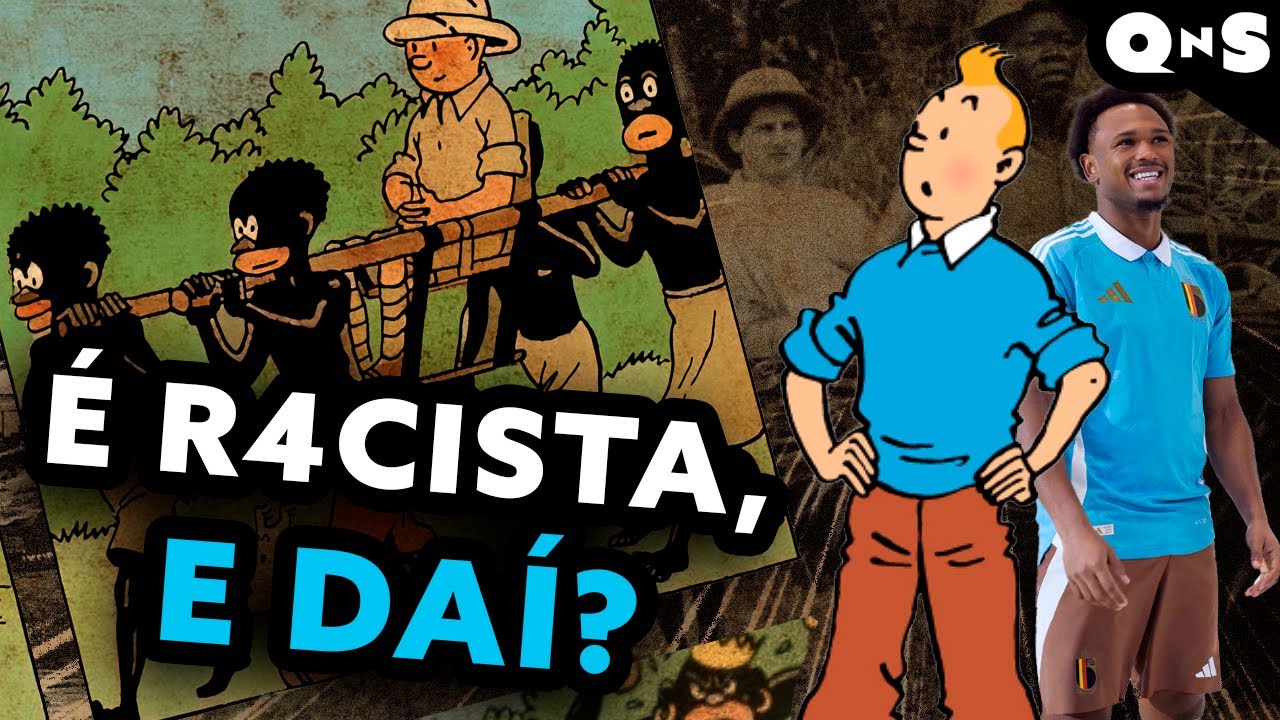
For coincidence, he watched animations representing black people in the old days - in a subhuman way, resembling monkeys, with thick lips and behaving in a racist stereotypical way. He realized that those subhuman representations of black people weren't that different from the human as animal representations he was planning to make. Depicting Jews as mice is a very harsh imagery.
The 1940's anti-Semite documentary "Der Ewige Jude" shows images of Jewish people spreading across Europe and subsequently, shows rats entering sewers. Also, it was very common to see Nazi propaganda depicting Jews as mice. Harry Giese: Parallel to these Jewish wondering throughout the world is the migration of a similarly restless animal, the rat.
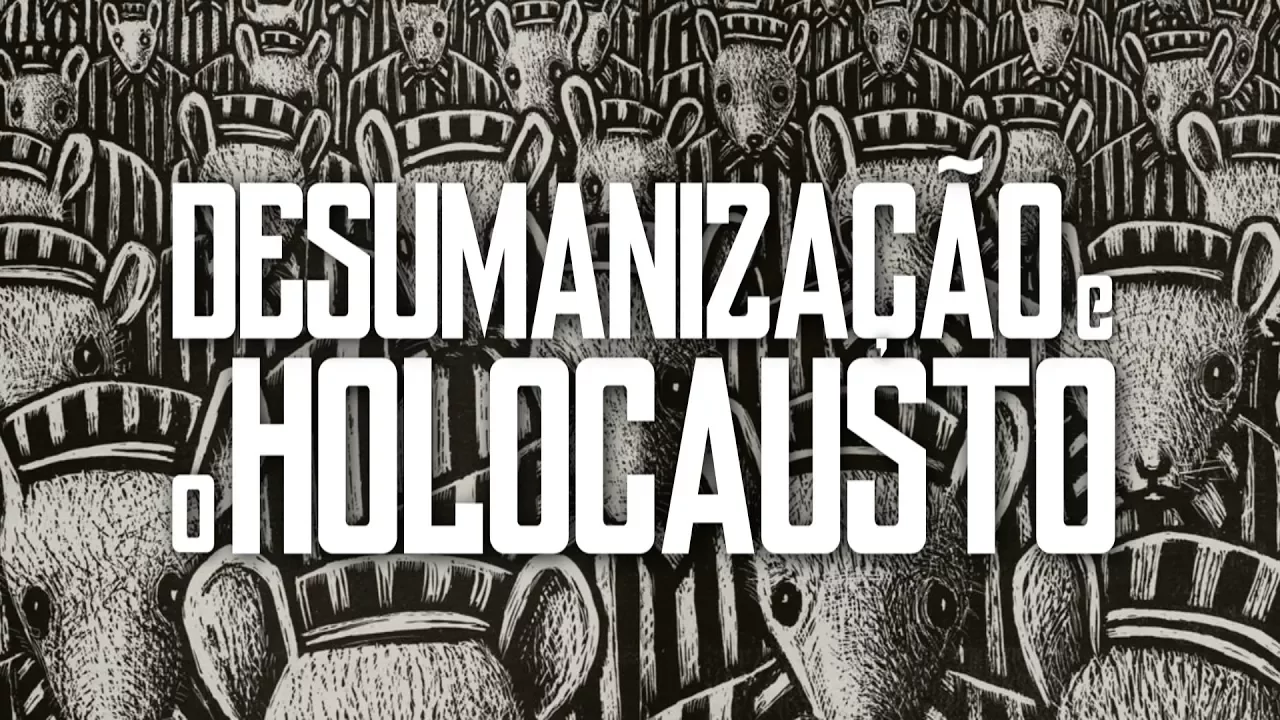
This poster telling people to destroy rats shows the inhumane vision that Germany created about Jewish culture. As Art Spiegelman said in a interview, the dehumanization was the heart of the Nazi genocide. To be possible for an entire society to be indifferent to the death of 400 Jews everyday in Auschwitz first was necessary to convince this society that they were different from us.
The Third Reich was very successful in this dehumanization process. Not by accident, the gas used during executions was Zyklon B used on rat or cockroaches infestations. Spiegelman's decision to depict rats and cats as Jewish and Germans is very good in showing off this dehumanization.
On one of the comic pages, where a character is shot, Vladek is surprised by how much a person debating before dying is similar to a dog. It was shocking to realize how his life didn't mean much more than that. "Maus" draws out attention to something we choose to ignore: a lot of people sees the Holocaust and the Third Reich regime as an exception of our human behavior and something that doesn't happen in today's society.
But the truth is that dehumanizing the identity of an ethnicity or religion is something absurdly easy to happen. It's a mistake to think we are above it. In the recent German election, eighty far-right wing deputies were elected to parliament.
It's the first time in sixty years that this happens - since the Nazi regime. Of course that protests and manifestations against it are happening but nationalism has become a tendency worldwide. The United States is a clear example of how much space they are gaining.
Not only because of a recent neo-nazism wave but also because of their rejection towards immigrants. Not only illegal immigrants, any immigrants. Tucker Carlson: "We really don't have good numbers on the number of crimes comitted by immigrants, illegal and otherwise".
This the basic thought behind any dehumanization process. Chip Berlet: From creating a biased image about an ethnicity to a process of ethnic cleasing it's easier than we think. Understanding how the Holocaust happened is an exercise of humanity that everyone should do it and "Maus" biographical story is a very good start.
My name is Otavio and for those interested, "Maus" is 43% off and "Blacksad", 40% off on Amazon. Links in the description. If you enjoyed this video, give it a like.
Subscribe. Check our funding campaign. Thank your for watching and see you next video!