6 June 1944. Under the code name Operation “Overlord,” US, British, and Canadian troops cross the English Channel and begin landing on the Normandy coast in France. This operation will become known as “D-Day” and is the largest amphibious invasion in history, deploying more than 160,000 Allied troops on air, land, and sea.
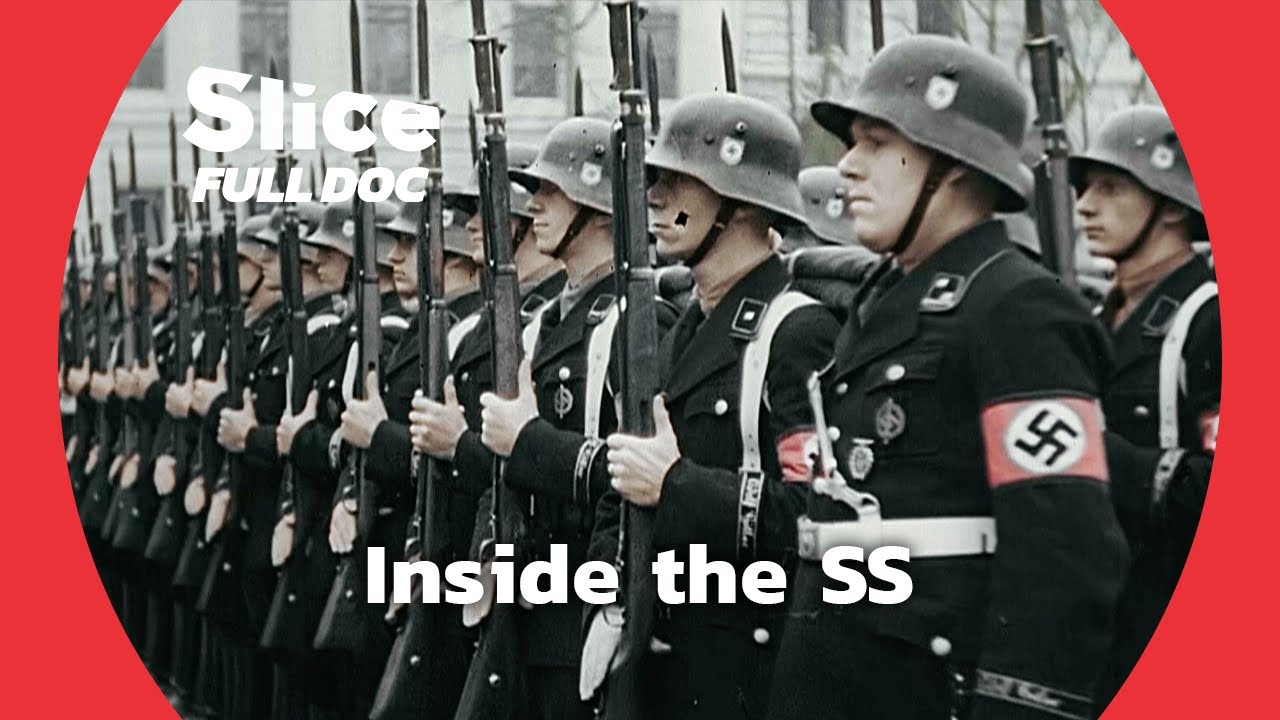
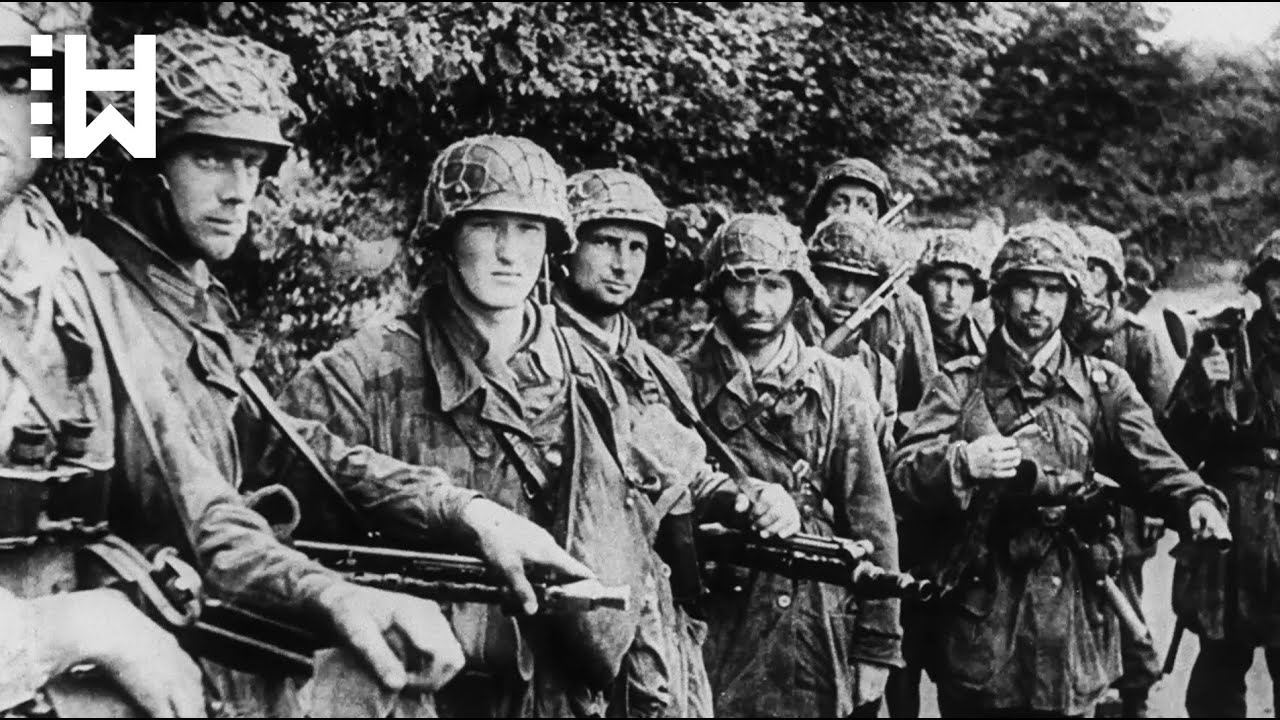
Following the Normandy Landings, the French resistance movement intensifies efforts to disrupt German communications and supply lines. German military commanders, particularly those who have seen service on the eastern front and experienced the extraordinary brutality of anti-partisan measures there, radicalize and intensify responses to real and perceived resistance activity. One such response is a massacre of almost the entire population of the village Oradour-sur-Glane, during which in one day on 10 June 1944 the members of the 2nd SS Panzer Division Das Reich kill 240 women, 205 children and 197 men, and then burn the village to the ground.
The Second World War began on 1 September 1939 with the German invasion of Poland. The German invasion of France, Belgium, Luxembourg, and the Netherlands started on the 10th of May 1940 and became known as the Battle of France. As part of the armistice agreement France signed with Germany on June 22, 1940, France was divided into occupied and unoccupied zones.
Germany occupied northern France and all of France's Atlantic coastline down to the border with Spain. A new French government was established in Vichy in the unoccupied southern part of the country. The Vichy government declared neutrality, but it was committed by the armistice provisions to cooperation with Germany.
The formation of the French Resistance was a gradual process. However, as the German occupation authorities and the Vichy régime became increasingly brutal and intimidating, they inspired the formation of paramilitary groups dedicated to both active and passive resistance. In the rural areas, members of the Resistance were called Maquis.
The Maquis were known to be ready for anything, and eager for vengeance against the Germans. Many of the Maquis were Frenchmen who refused to serve in Germany as forced laborers and instead joined the Maquis. Germans then initiated compulsory enlistment and deportation of hundreds of thousands of French workers in order to increase manpower for Germany.
Many men dodged this and became guerrilla fighters who lived precariously in the mountains and wilder terrain of France. As the war went on, downed Allies also often joined the Maquis, sometimes after being rescued, hidden and treated for wounds by members of resistance, or after being parachuted into France. These Allies often brought not only courage, but often specialized expertise from their elite military training and they were welcomed into the bands of guerrilla fighters.
The Resistance gained considerable traction as the war progressed, especially as the Germans became increasingly aggressive in their tactics. Following the Wannsee Conference of January 20, 1942, German authorities prepared for the deportation of Jews from France and other western European countries. The summer of 1942 saw an increase in deportations as France was pressured to, and in some cases eager to, supply more Jews to meet the German quotas.
The largest French deportation of Jews during the Holocaust occurred at the Vélodrome d'Hiver, an indoor sporting arena in Paris's fifteenth arrondissement. Vel' d'Hiv Roundup took place in Paris on July 16–17, 1942 and according to records, 13,152 Jews were arrested, including more than 4,000 children. The majority of them were deported to Auschwitz.
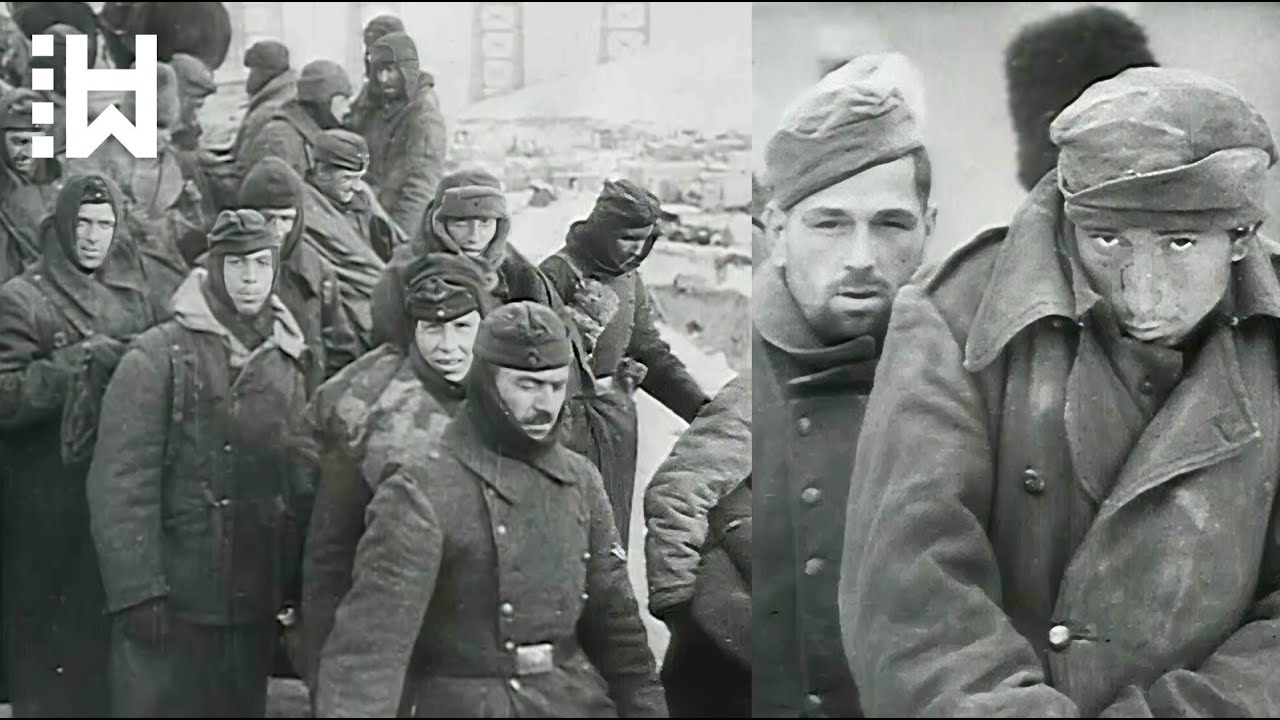
The conditions were deplorable, and as France witnessed the incarceration of entire families, the scale of the atrocities that were occurring under Nazi rule and even under the Vichy government itself began to disgust and alarm the general population. In February 1943, about 91,000 German soldiers surrendered at Stalingrad, which marked a turning point in the European theatre of World War II. With the war at a turning point and Vichy repression escalating, the French Resistance became bolder.
Usually, the Maquis and their Anglo-American allies would cut down a tree to block a road in the wooded section of the French countryside, sometimes an anti-tank mine would be planted under the tree trunk and the Germans would be ambushed with machine gun and sniper fire when they attempted to remove the tree blocking the road. Such operations seriously delayed the Germans. In preparation for the anticipated Allied invasion of occupied Europe, the elite 2nd Waffen SS Division Das Reich took 18 days to travel from Toulouse to Caen.
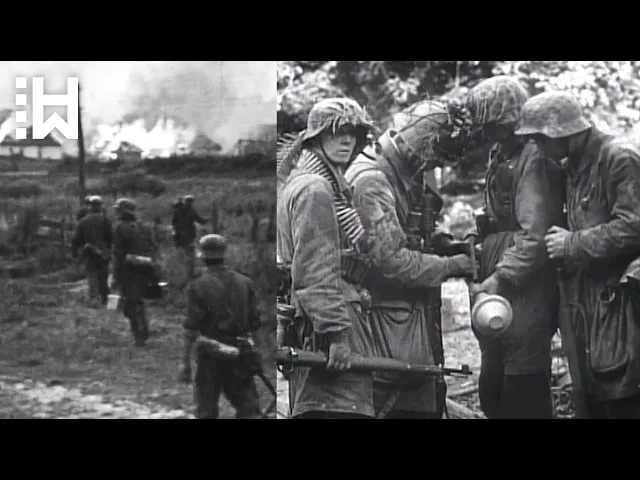
However, this journey was expected to take only 3 days. Before its transfer to France, Das Reich had seen two years of combat duty, including numerous anti-partisan actions on the eastern front, where they engaged in combat and were responsible for putting down Soviet partisan resistance. They conducted several retaliations against Soviet citizens for real or perceived partisan actions.
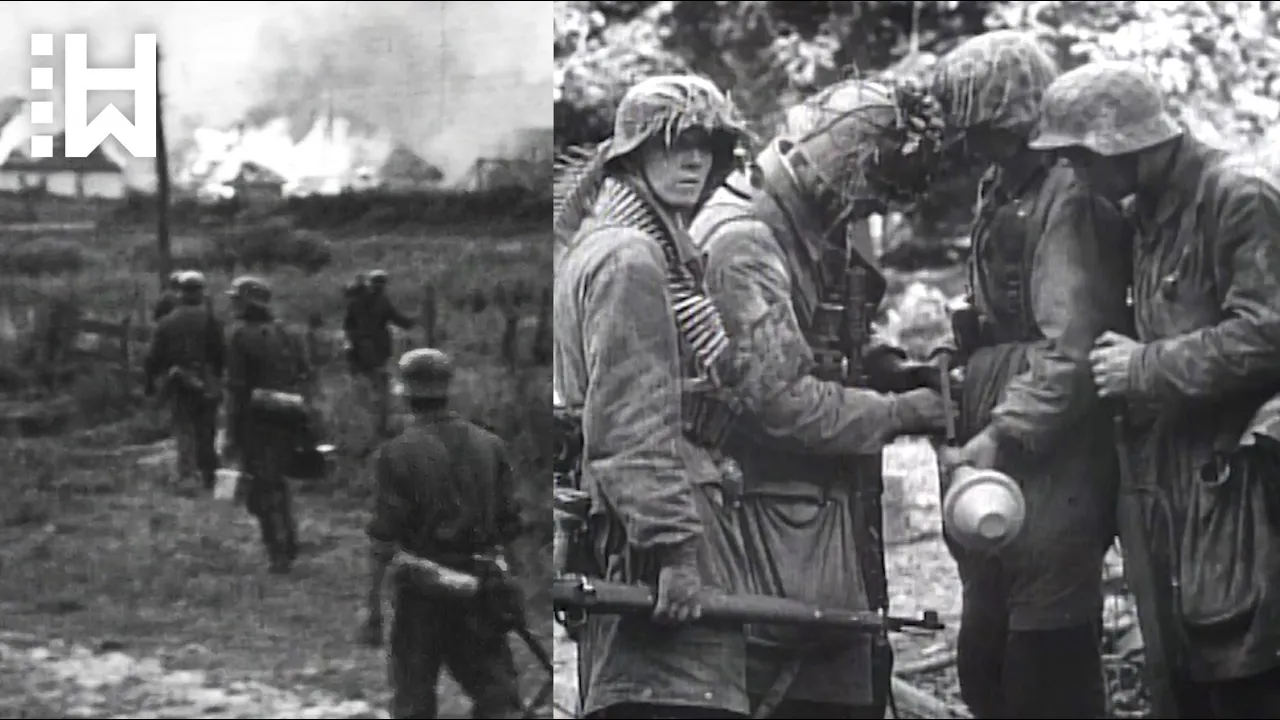
These retaliations involved the murder of tens of thousands of Soviet civilians along with the torching of numerous villages. On 9 June 1944, 3 days after the Normandy landings, Das Reich commander SS-Major General Heinz Bernhard Lammerding issued orders for the division to “break the spirit of the population by making examples” and to “cleanse” the area around Clermont-Ferrand of partisans. That same day, members of the 3rd Battalion, which was commanded by Major Helmut Kämpfe, had displayed what “cleansing” of partisans would mean when on 9 June 1944 soldiers of Das Reich hanged 99 male inhabitants of the French town of Tulle.
The same day Helmut Kämpfe was captured by a group led by a Sergeant Jean Canou from Colonel Georges Guingouin's Brigade, which was a militant Communist group in the Maquis du Limousin which was one of the largest Maquis groups of French resistance fighters fighting for the liberation of France. Canou handed Kämpfe over to Colonel Georges Guingouin who, in response to the Tulle massacre, ordered Kämpfe’s execution on the following day. Though the exact circumstances remain unclear, according to a French informant, the 34-year-old Kämpfe and captured Wehrmacht soldiers were burned alive in a captured German military ambulance in front of an audience.
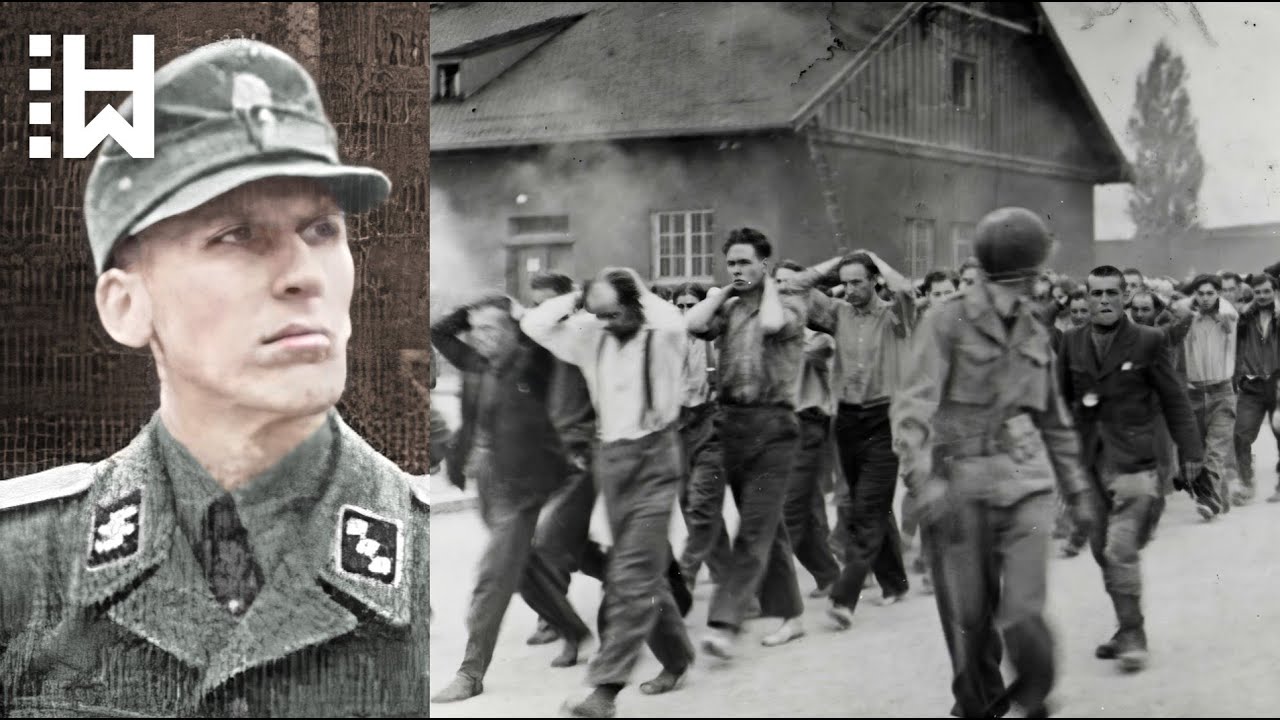
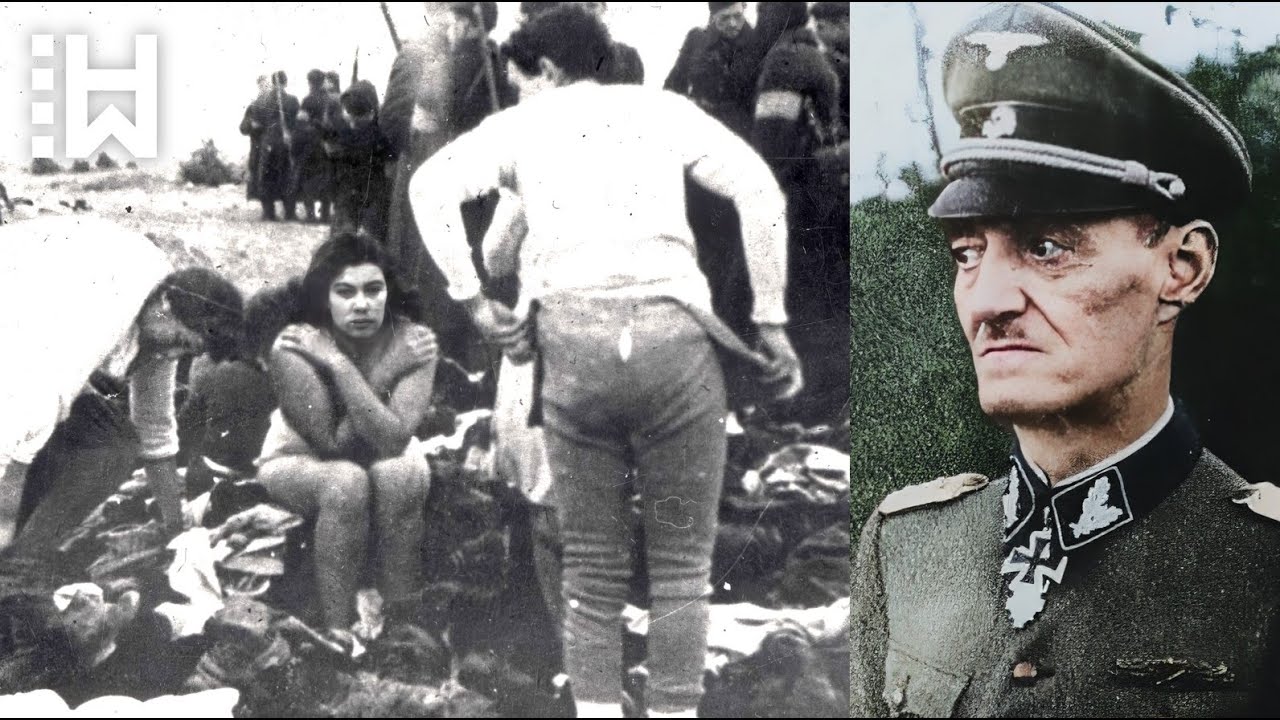
When the SS Division discovered that Kämpfe had been kidnapped, Adolf Diekmann, Kämpfe’s personal friend, led his troops on a brutal search of the surrounding area. Two local men were shot dead by SS men under Diekmann's command before they finally found Kämpfe's handcuffed body inside a German field ambulance with the remains of other German soldiers. After seeing his friend's fate and eventually reaching the outskirts of the village of Oradour-sur-Glane, the enraged Diekmann ordered his men to raze the village and kill the inhabitants.
The SS soldiers rounded up the entire population and concentrated them on the market square. Thereafter they separated the villagers by gender. An officer announced to the men that he knew of hidden weapons and ammunition supplies, and that whoever was hiding them must step forward immediately.
This charge was unsubstantiated, as no one in the village was known to have taken part in resistance activity. Members of the 1st and 2nd platoons took the 203 men to several barns on the edge of town and locked them in. When a signal was given, the SS shot the local men in the legs and doused them with gasoline before the barns were set on fire burning the men alive.
The 3rd platoon then locked up 241 women and 205 children in the village church. The SS men set the church on fire by throwing grenades inside through the windows. Panic ensued within and then SS then shot anyone who attempted to escape being burned alive.
After 642 inhabitants, including seven Jewish refugees, were dead, the company looted the empty dwellings and then burned the village to the ground. At about 8:00 p. m.
on the evening of 10 June, the SS men withdrew from the smoking ruins. Only seven villagers survived the massacre: six men who were protected by the fallen bodies and a woman, all of them more or less severely injured. About fifteen other inhabitants of the village were able to escape the Germans before the massacre started or evade the roundup by hiding.
The reason for the German attack on Oradour-sur-Glane remains unknown. Some historians believe that Adolf Diekmann received intelligence that the villagers in Oradour-sur-Glane were assisting the resistance which is contradictory to the survivors’ testimonies that stated Oradour was in no way involved with the Resistance. Others believe that Diekmann had wanted to destroy another French town Oradour-sur-Vayres about 15 miles to the southeast, whose people were said to be providing food and shelter to the Maquis, but had taken a wrong turn on the road, which led him and his men to Oradour-sur-Glane.
The Oradour-sur-Glane massacre received significant contemporaneous attention, requiring the German Army command to search for an explanation and the officers of the Das Reich to find one. The German explanation stated that: - The men of the village died during the fight - The fight had been initiated from the village - The women and children had taken refuge inside the church and died as the result of an explosion from a nearby insurgent ammunition supply dump that ignited the inside of the church. For all the attention the killings have received, few of the SS men responsible for the massacre ever stood trial.
After hearing the testimony of Diekmann, the commander of the 4th SS Panzer Grenadier Regiment, SS-Colonel Sylvester Stadler ordered that he should face a court-martial for ordering the massacre but all charges against Diekmann were dropped after he was killed near Noyers-Bocage while fighting in Normandy on 29 June 1944. After the war, German authorities refused to extradite the former commander of the SS Panzer Division Das Reich General Heinz Bernhard Lammerding to France even though he was convicted and sentenced to death in absentia by the court in Bordeaux in 1953. Nevertheless, the 1953 court in Bordeaux sentenced two former members of Das Reich to death and 18 other members to prison terms between five and 20 years.
Amnesties and pardons, however, freed all of the convicts, including the two sentenced to death, within five years of the trial. After the war, Oradour-sur-Glane became one of the iconic symbols of German crimes against civilians in occupied Europe. There were many tears shed for all the victims of Nazi terror.
Thanks for watching the World History Channel be sure to like And subscribe and click the Bell notification icon so you don't miss our next episodes we thank you and we'll see you next time on the channel.