All of a sudden, all over Europe it seems like they're everywhere: Cargo bikes. Delivering mail in Germany. .
. Amazon packages in the UK. Picking up food waste in Paris.
And sperm donations in Copenhagen. Yep. That's a custom built liquid nitrogen tank shaped like a human sperm.
In the US whether you order a giant flat screen TV or a week's worth of groceries. . .
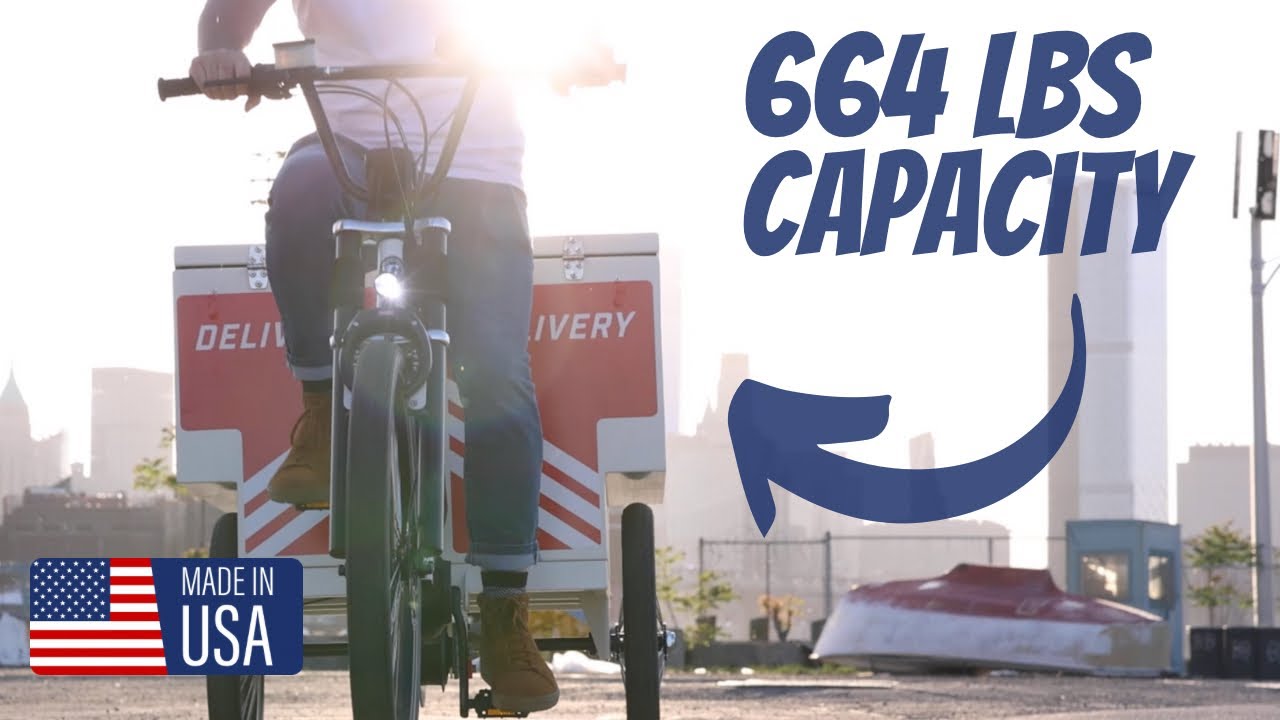
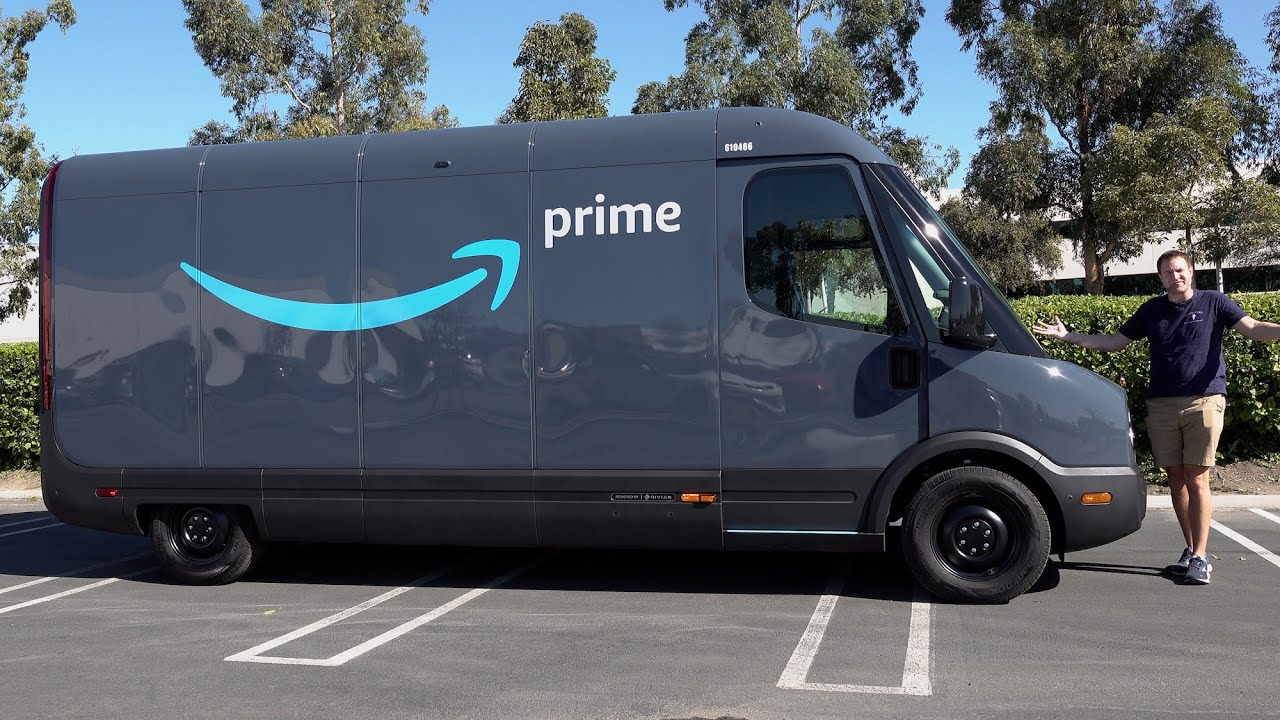
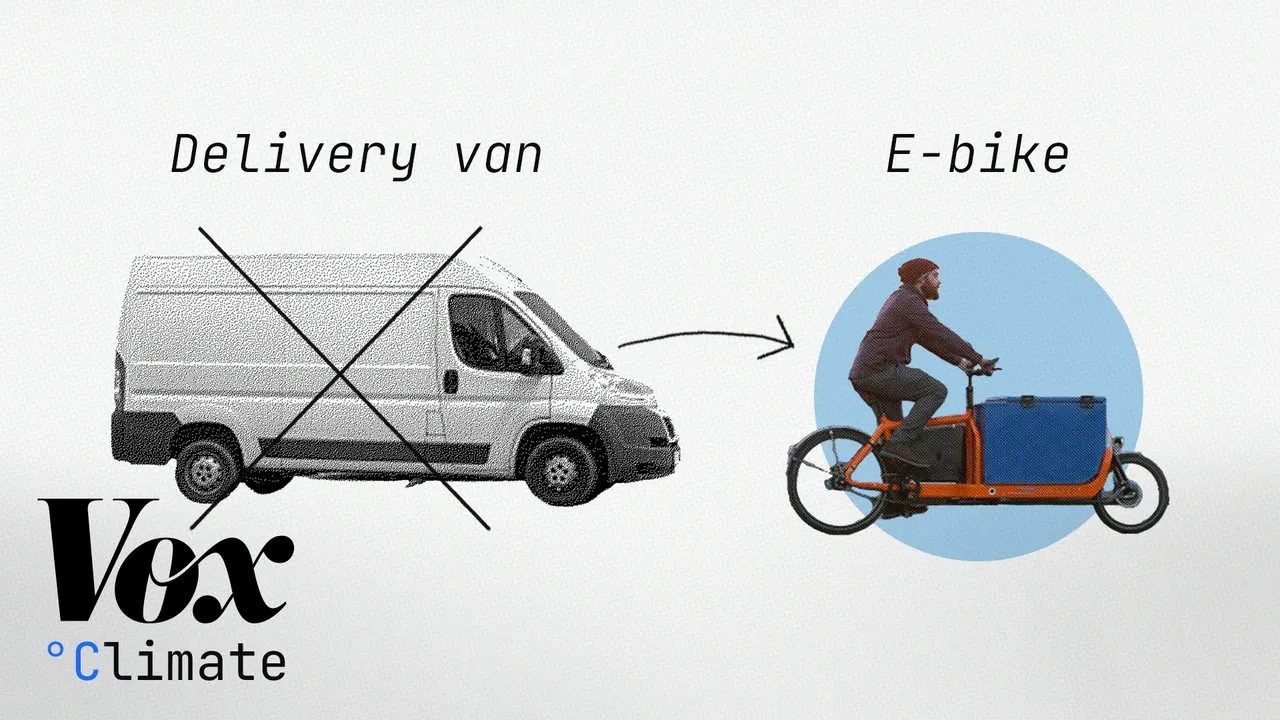
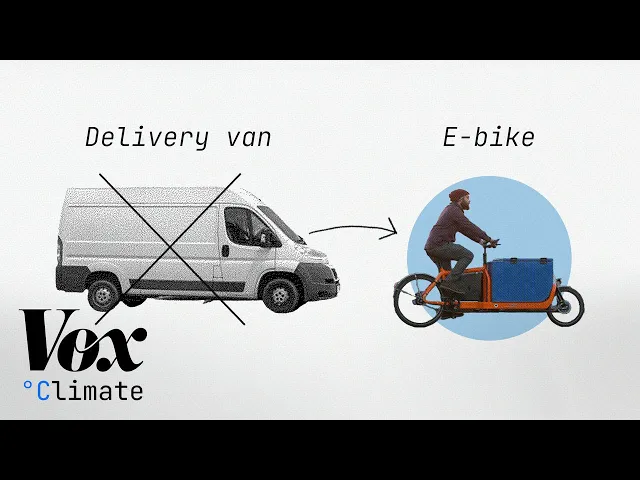
it's likely to show up at your doorstep via one of these: A delivery truck or van with a big, powerful engine. They get the job done, but they also emit lots of carbon, take up lots of room and kill and injure lots of people. And that's why cities and companies around the world are starting to replace some of those big vans with electric assist cargo bikes.
But in the US, aside from test runs from a couple of companies like Domino's Pizza and small pilot projects in a handful of cities they haven't really caught on. So why not? Why are we in the US so wedded to this one tool for delivery?
And is it possible to change course? Even before the pandemic online shopping was already growing as a share of total retail sales worldwide. And for many of us.
. . the pandemic habit hasn't faded away.
Even as stores have reopened. Take London, for example. Commercial vehicles account for about 19% of the overall miles driven in London.
But they emit 30% of the city's transport-related CO2. That disproportionate impact extends beyond pollution. They deliver everywhere from narrow one-way streets to super busy intersections causing massive traffic problems.
And between 2018 and 2020. . .
delivery trucks in London were involved in a shocking 41% of fatal cyclist crashes and 19% of pedestrian deaths. A 2016 study found that large trucks made up only 3. 6% of vehicles in New York City but are responsible for 32% of bicyclist fatalities and 12% of pedestrian fatalities.
So let's back up and take a bird's eye view of the whole delivery process. You can breakdown urban delivery into two phases. Phase one: My iPhone cover might travel from factory to a hub.
. . before the long freight journey via airplane, cargo ship or long haul truck to a warehouse just outside the city where I live.
That's when phase two starts. It's often called the last mile. Though, the journey is usually much longer.
That's when my package is loaded onto a delivery truck or van which drives into the city and eventually stops in front of my house. This package might have traveled hundreds of miles to get here, but depending on where you live this second phase accounts for 30 to 50% of its carbon footprint. And that's partly because the so-called last mile is really in efficient.
One study in London found that only a small share of vans use more than 3/4 of their capacity. Most use less than half. And that's where e-bikes come in.
Obviously, using bicycles to move goods and people through the city is not a new idea. UPS actually got its start as a bike delivery service in Seattle. .
. hauling everything from beer and medicine across the city. Before city leaders remade the streets to prioritize private automobiles cargo bikes and trikes like these shared the road with carriages and pedestrians.
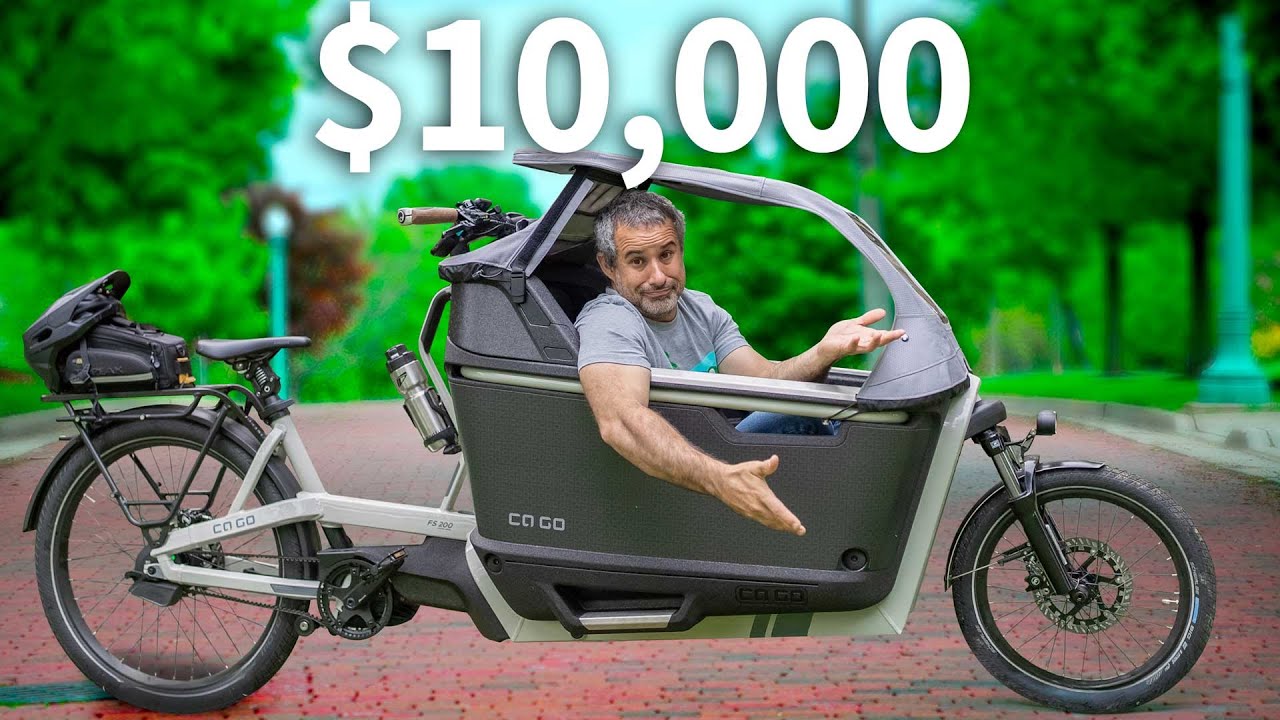
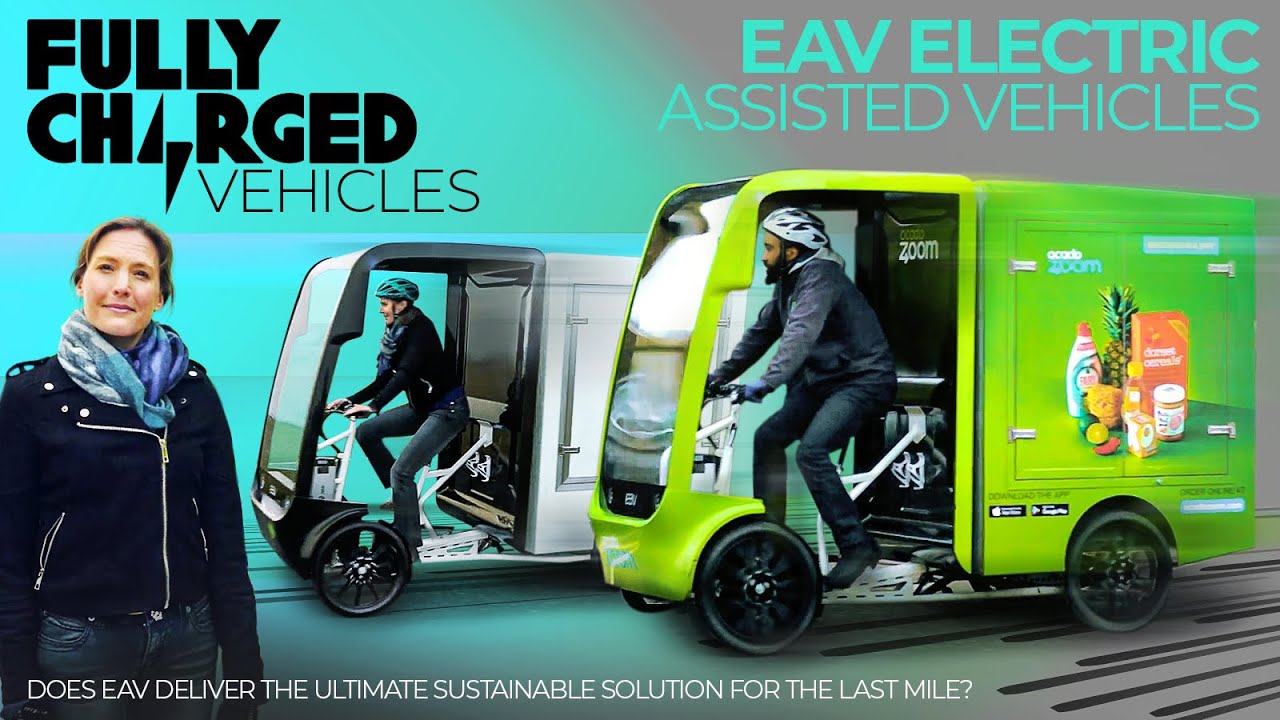
Today's cargo bikes can come equipped with a small electric motor that's activated when the pedals are in motion. . .
and powered by a rechargeable lithium-ion battery. That extra power is what allows electric cargo bikes like these ones in London to outcompete delivery vans. In a 2021 study that compared those cargo bikes to delivery vans.
. . the bikes obviously had to make more trips back and forth to the pickup point.
. . but they still traveled roughly the same distance in less time than the vans.
In part because they could park anywhere and use the bike lanes when the van sat in traffic. They dropped off more packages than the vans per hour while emitting a fraction of the carbon. Another study estimated that more than half of all urban trips related to the transport of goods could be done by cargo bike.
Those efficiencies have led to massive investments in Europe and the UK. Thousands of bikes from companies like DHL, UPS and FedEx. .
. as well as retailers like Amazon and IKEA. But in the US, DHL made headlines for doubling its cargo bike fleet in Miami from four bikes.
. . to eight.
New York City's cargo bike pilot featured just 350 bikes spread out among all these companies. So what's keeping them from going all in? This map of Paris can help us understand why.
The city has specific rules about what kind of vehicles can drive within this area. Delivery trucks are vans made before 2011 are only allowed within the zone on weekends and after 8 PM on weekdays. Those who break the rules are slapped with a fine.
By 2030, no diesel or gas powered vehicles will be allowed in the zone. These low emission zones are all over Europe. Brussels.
Lisbon. London. Amsterdam.
Berlin. Vienna. Rome.
Oslo. Prague. Budapest.
So for a freight operator doing business in Europe it makes sense to make the switch from vans to cargo bikes. . .
especially since a lot of these cities also offer generous subsidies to businesses making the switch. And they've invested millions in infrastructure like protected bike lanes to help keep cyclists safe. As of fall 2023 the only zero-emission zone in the United States was a pilot project in Santa Monica that actually ended in 2022.
It was one square mile and it was voluntary. As in, no fines for trucks that broke the rules. There's also the fact that interstate highways run right through a lot of American cities.
. . unlike in Europe.
And for freight companies looking to move goods quickly. . .
vans on the highway seems like the obvious answer. Of course, switching those vans from gas to electric would definitely help reduce CO2 emissions. But electric trucks and vans aren't any safer for the pedestrians and cyclists trying to share the road.
Between 2010 and 2021. . .
pedestrian deaths in the US rose 54%. Among cyclists: 55%. And experts blame a deadly combination of high speeds and bigger vehicles.
. . which are more likely to cause fatal head and neck injuries.
Without big changes like urban highway removals zero emission zones and subsidies US cities will have a hard time getting companies to make the switch. And we will miss out on the possibility of cleaner air. .
. safer streets and a more livable planet.





![Stroads are Ugly, Expensive, and Dangerous (and they're everywhere) [ST05]](https://img.youtube.com/vi/ORzNZUeUHAM/maxresdefault.jpg)