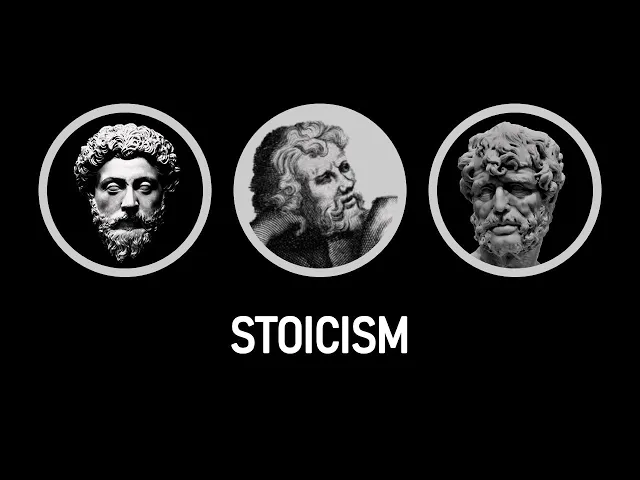
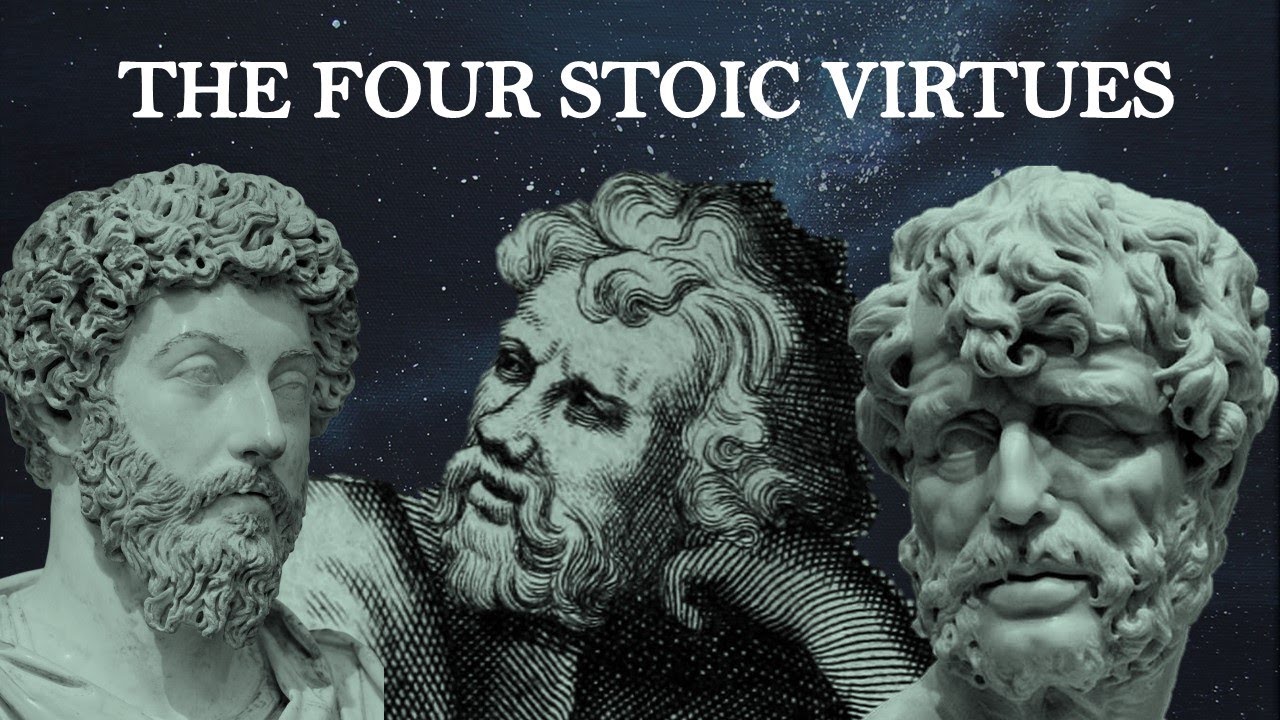
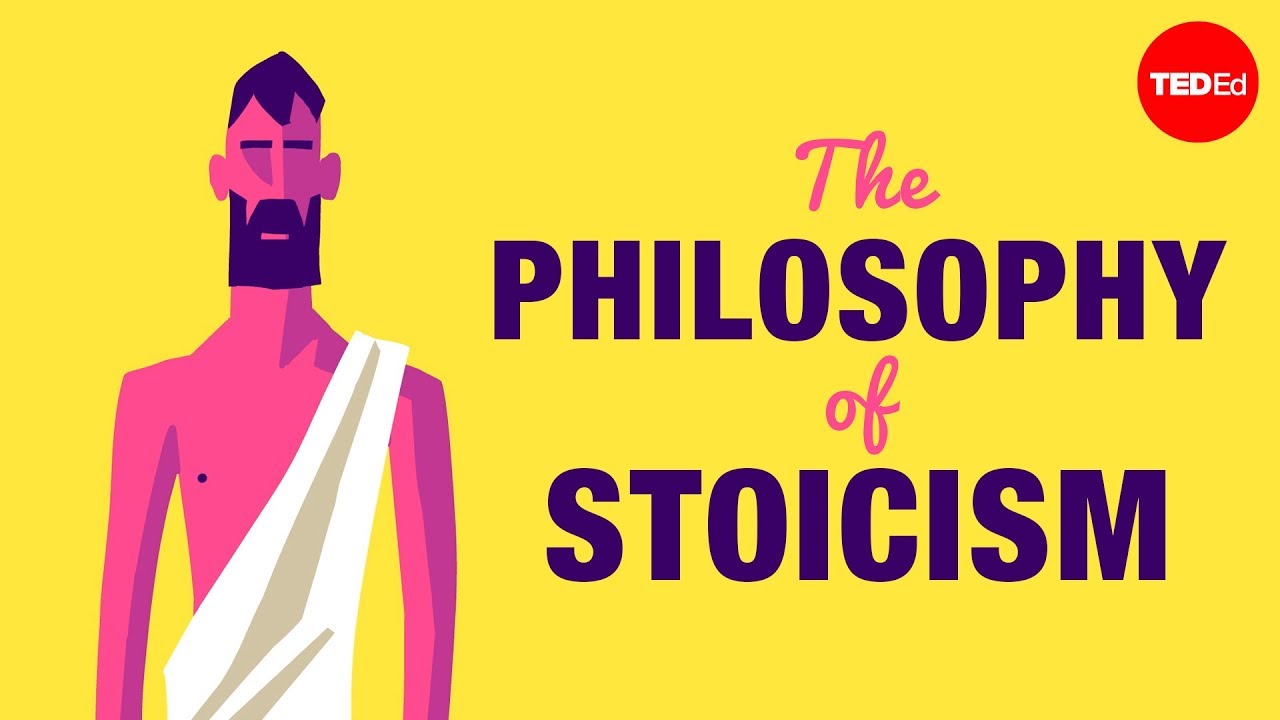
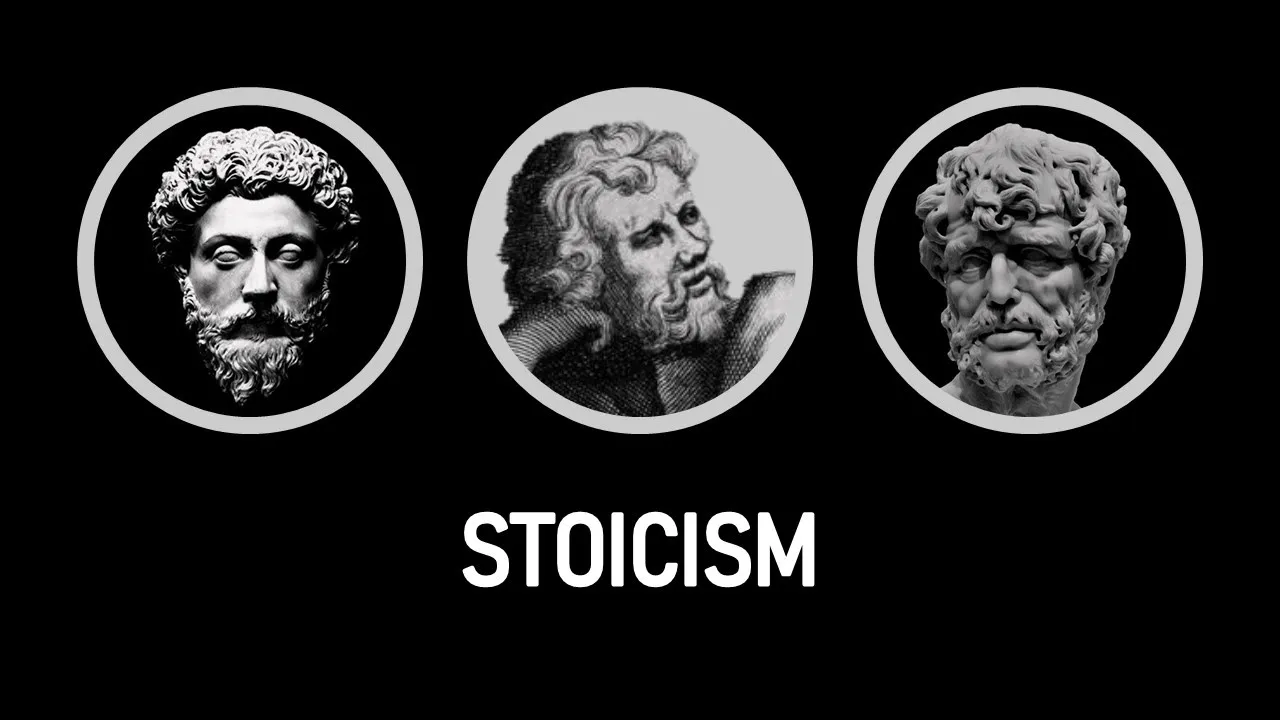
Stoicism is unlike any other philosophy in the world. Almost 2000 years have passed since its origin its teachings still remain relevant in today’s contemporary world and they continue to astonish us with their timeless wisdom. We have control over how we approach things rather than imagining a perfect world, a utopia the Stoic practices realism and pragmatism while pursuing one’s self improvement through virtues such as: Wisdom: understanding the world without prejudice, logically and calmly Courage: facing daily challenges and struggles without complaints Justice: treating others fairly and temperance: voluntary self-restraint or moderation People who cultivate these virtues can bring positive change in themselves and in others.
Today, we colloquially use the word stoic to mean someone who faces pain or hardship without the display of feeling someone who remains calm under pressure avoiding emotional extremes. While this notion is important to Stoicism, the philosophy goes beyond just an attitude. Stoicism can help us find calmness in a world filled with pain, anxiety, and insatiable desires.
To Stoics, we live in a reality that does not care about our personal opinions we cannot ask it to remove the pain and suffering. But this does not mean we are helpless there are two domains of life: the external, the things that happen in our lives which we cannot control, and the internal, how our mind reacts and interprets the external reality, which we can control. Focusing on the things we cannot control will make us endlessly unsatisfied.
We must then focus solely on what we can control. Our sense of joy comes from the pursuit of the meaningful things in our lives not superficial things. A truly satisfied person is someone who can live without the things that he desires or feels comfort with.
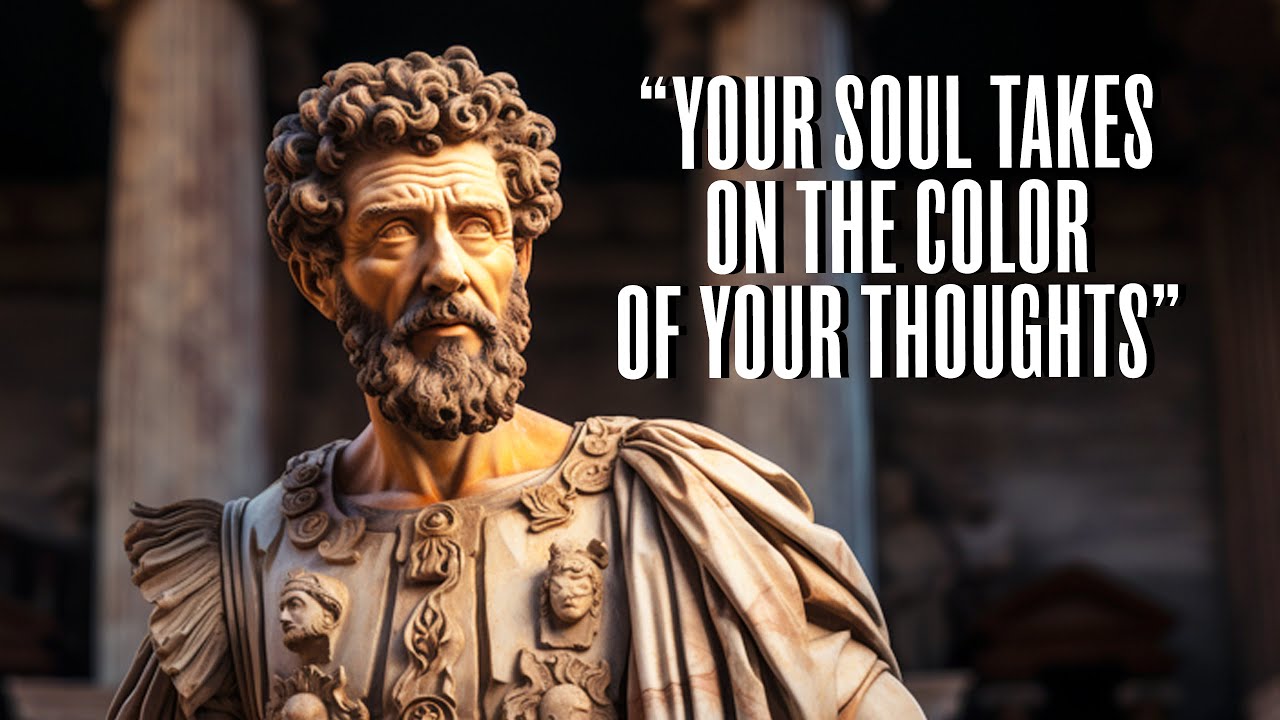
No wealth, material abundancy, fame or power has any value if the person who possesses them has not yet learned to live properly without them, it is after all temporary. As Marcus Aurelius puts it “Almost nothing material is needed for a happy life for he who has understood existence” Temporarily refraining ourselves from the things that we depend on can prove how truly strong you are without the things that you think that you need. Only then can we know that we have been using them not because we needed them, but because we had them.
We must realize that nothing is good or bad inherently, but only our judgements and interpretations of things can be good or bad. We should strive in an acceptance and indifference towards everything that happens and focus our attention on controlling our reactions to the things that happen. Acting virtuously regardless of misfortunes life might bring us.
With this we can begin to get rid of the chaos of the world and find some form of happiness and presence within our self. Life is not a sprint, we are usually unsatisfied with what our life is, and we compare ourselves to other more successful people we're constantly looking to the future potential of what our lives could be. The reality is that we always live in the present and we should not compare ourselves to others but rather focus on improving ourselves both physically and mentally It is hard since we are surrounded by a culture that convinces us that the more stuff we have and the more popular we are, the happier we will be.
It is true that material stuff brings us happiness but it is a trap. It gives us short term pleasure and a desire for more. The stuff we frequently chase in life reveal to be rather petty and insignificant in the grand scheme of things.
We must define our happiness not by what we own or achieve and certainly not by others see us as but by how we think how we view ourselves and how we live our own life through our virtues. And this can be attained by accepting reality as it is being indifferent to what we cannot control and pursuing our own self-improvement. To Stoics this is how we remain happy and satisfied with ourselves.