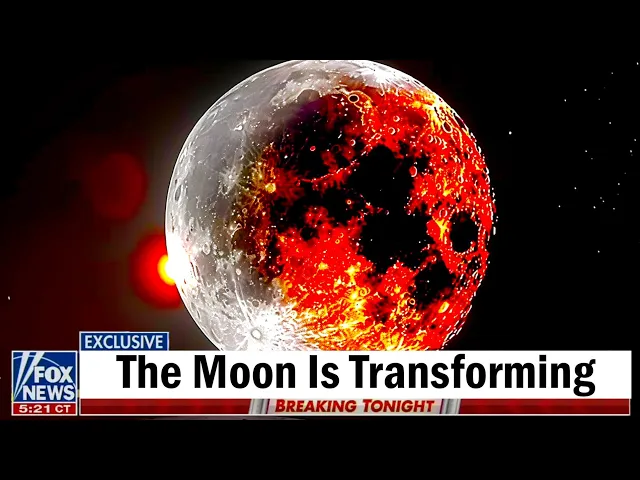
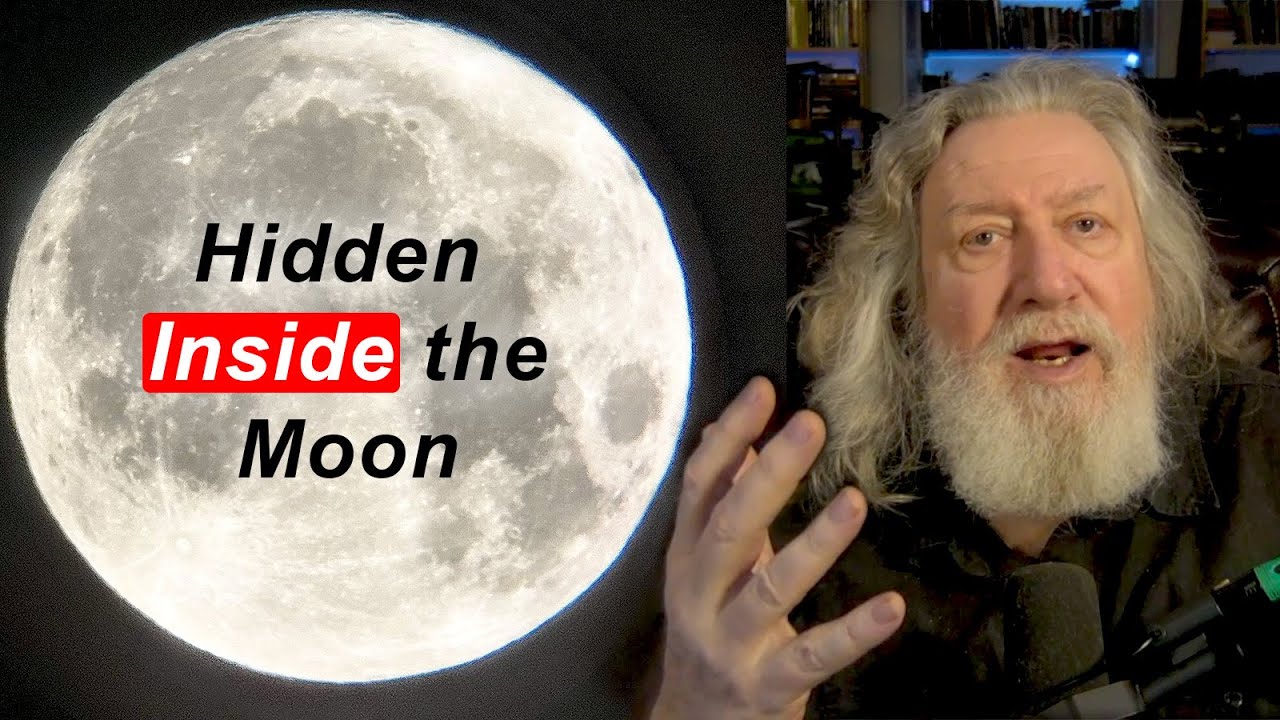
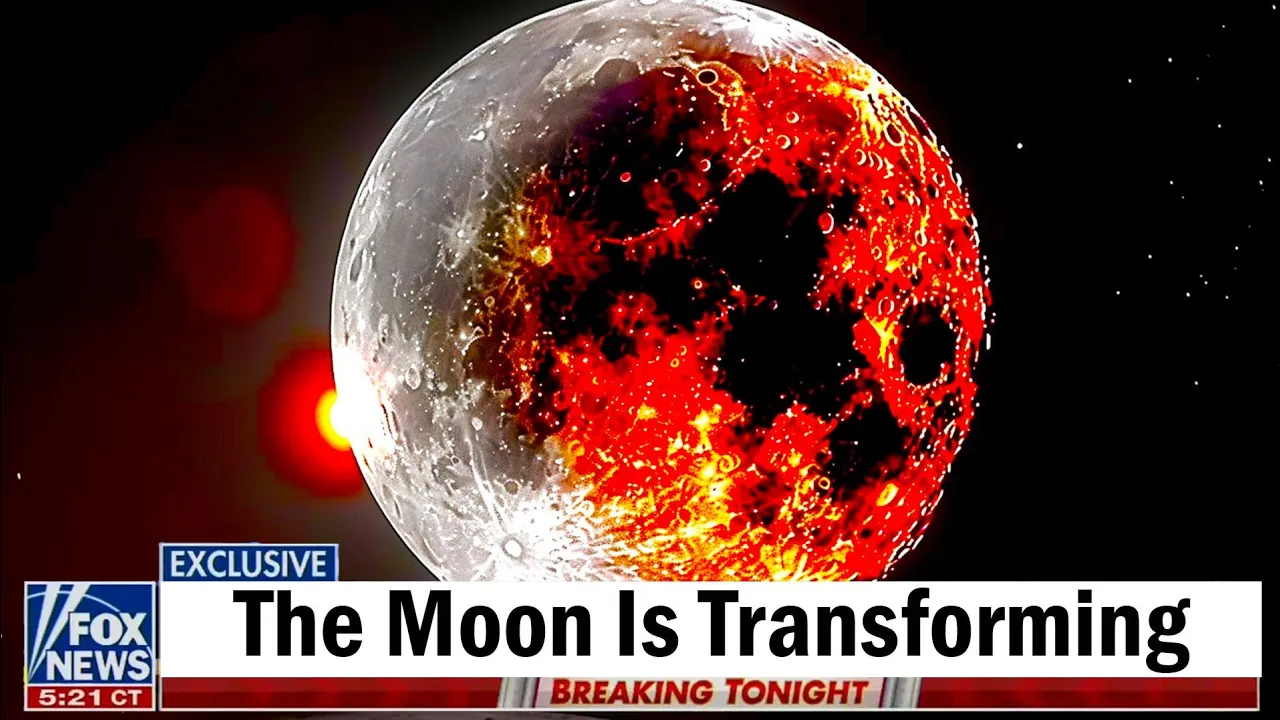
NASA warns on March 14th the moon will turn deep red and this time something strange may happen as Earth's Shadow covers the moon its strange glow will Mark a total lunar eclipse visible to Millions no telescope needed just your eyes to see this spooky sight tune in because as the moon changes something else might appear in the sky no fancy equipment needed to see it either if you've got eyes and a patch of Sky you're good to go but if you want a closer look a pair of binoculars or a telescope will give you an
even better view the best part you won't have to battle a crowd to watch it this isn't some rare Comet that only the lucky few get to spot it's a full-on Celestial event visible to anyone in the Western Hemisphere who bothers to look up but what happens next will leave you staring in awe first the penumbral Eclipse begins that's when the moon ENT as the outer part of Earth's Shadow and honestly it's not much to look at just a slight dimming that most people won't even notice next things get interesting the partial eclipse kicks in
as the moon starts slipping into the darker part of the Shadow it'll look like something's taking a bite out of it slowly covering more and more then the main event totality this is when the moon is completely engulfed in Earth's shadow and turns that Eerie burnt orange red that color it's basically every sunrise and sunset on Earth all happening at once reflected onto the moon talk about dramatic lighting once totality ends the whole process plays in reverse slowly revealing more of the Moon as it moves out of the Shadow until it's back to normal and
the eclipse is officially over but there's more while you're out there gazing at the sky keep an eye out for some planetary cameos Jupiter and Mars will be hanging out in the Western sky shining bright enough to be noticed even without a telescope plus the moon itself will be drifting through constellations Leo and Virgo which will be easier to spot thanks to the dimmed Moonlight during totality now let's get into the real fun because this isn't just about staring at the sky there's a whole lot more going on and once you under understand the science
and history behind it the experience becomes even Wilder lunar eclipses have fascinated humans for thousands of years ancient civilizations saw them as Omens some thought they meant a king was about to fall While others believed they were warnings from the gods the incor believed a Jaguar was eating the moon and would come down to earth to Feast on people next that's why they would shout and bang on drums to scare the Beast away pretty dramatic right meanwhile in ancient China they thought a Celestial Dragon was attacking the moon so they made all kinds of noise
to drive it off basically a lot of yelling and banging things together these stories show just how spooky lunar eclipses seemed before people understood what was really happening and get this the moon doesn't always turn the same shade of red sometimes it's a deep blood red and other times it's more of a rusty or orange that depends on a few things like how much dust and pollution are in Earth's atmosphere at the time if there's been a big volcanic eruption recently the moon might look even darker and redder than usual because of all the extra
particles in the air so if this Eclipse ends up looking extra spooky you can thank mother nature for the special effects for centuries people have looked up at the moon marveling at its Eerie glow and the way it seems to Shi and change but every now and then it does something that makes even the most skeptical Observer stop and stare it darkens then turns a deep almost unnatural red some call it haunting some say it's a bad Omen NASA on the other hand calls it a lunar eclipse and they're already sounding the alarm for a
big one coming up on March 14th here's the basic breakdown the Earth moves between the Sun and the Moon blocking the light and casting a shadow across the moon's surface unlike a solar eclipse where you need to be in just the right spot to see it a lunar eclipse is a worldwide event if you're on the night side of the planet when it happens congratulations you get a front row seat the Moon turning red is amazing but its orbit hides something even more surprising nailing down the exact timing isn't just a matter of marking a
date on a calendar the Moon orbit is wonky not a perfect circle but an ellipse which means its speed and distance from Earth are constantly shifting throw in the fact that Earth is also dancing around the Sun in its own slightly off-kilter orbit and suddenly things get complicated that's where NASA comes in using Kepler's laws of planetary motion and Newton's laws of gravity you know the guy who got bonked on the head by an apple they calculate exactly when and where these celestial bodies will alive these predictions are fine-tuned by data from space telescopes lunar
satellites and some seriously powerful computers crunching numbers at mindboggling speeds lunar eclipses don't happen every month even though the moon makes a full lap around Earth about every 29 days that's because its orbit is tilted about 5° compared to Earth's most of the time it just misses Earth's Shadow completely but every so often it crosses a special spot in its orbit called a node where everything lines up perfectly that's when the magic happens not all lunar eclipses are created equal some are just partial where only a chunk of the Moon gets shadowed others are penumbral
which means the moon passes through Earth's outer lighter Shadow creating only a faint dimming but the real showstoppers are total lunar eclipses when the moon plunges completely into Earth's dark Umbra turning that unmistakable shade of red and why red that's because of RA scattering the same reason sunsets and sunrises paint the sky in fiery Hues when sunlight passes through Earth's atmosphere shorter wavelengths like blue get scattered away leaving behind only the longer redder wavelengths to filter through and light up the moon depending on conditions like pollution volcanic activity and even weather the shade of red
can range from burnt orange to a deep almost blood-like Crimson NASA doesn't just predict these eclipses for fun each one offers a unique scientific Opportunity by studying how sunlight bends through Earth's atmosphere and reflects off the moon scientists can analyze our own atmosphere from a completely different perspective this technique is even used to study exoplanets helping astronomers understand what kind of atmospheres distant worlds might have eclipses also serve as natural Laboratories for testing space equipment scientists Ed the precise conditions of these events to see how instruments react to sudden changes in light exposure lunar probes
and space telescopes capture data that helps fine-tune sensors improving future space missions the conditions of an eclipse are similar to what happens during deep space travel making these events the perfect chance to calibrate and refine tools for exploring the universe NASA isn't the only one that benefits from these Celestial phenomena ground-based observatories and amateur astronomers around the world take advantage of eclipses to gather their own observations citizen science projects encourage people to measure brightness levels record colors and even snap high quality images that contribute to ongoing studies the more eyes on the sky the better
the day historically lunar eclipses have freaked people out ancient civilizations saw them as Omens signals of Doom or Warnings from the gods some societies like the Babylonians actually got pretty good at predicting them using just the patterns they observed in the sky fast forward to today a NASA has taken that early Sky watching Obsession to a whole new level turning Celestial event prediction into a highly precise science but while modern science demystifies these events they still carry cultural and historical significance different societies have their own myths and legends about the moon and its occasional Crimson
transformation some believed it was being swallowed by a Celestial creature While others thought it was a sign of War disaster or divine intervention even today some groups assign symbolic meaning to these eclipses interpreting them as moments of of change renewal or Cosmic balance technology is also making it easier than ever for people to witness these events up close augmented reality apps virtual reality experiences and live streamed broadcasts bring the wonders of the night sky to those who might not have the best viewing conditions NASA's commitment to public engagement ensures that even if someone can't see
an eclipse in person they won't miss out on the experience when March 14th rolls around and you see that big glowing orb in the sky start to darken remember it's not magic it's physics and thanks to NASA's meticulous work we knew it was coming all along it's just another reminder that the universe is an endlessly fascinating place and we're lucky enough to have a front row seat picture this a lonely astronaut stands on the moon watching the sky turn an eerie shade of red no this isn't some sci-fi horror flick it's real and it's a
problem for thousands of years people on earth have marveled at lunar eclipses treating them like free Cosmic light shows but for future Moon explorers these aren't just pretty spectacles they're potential Mission Wreckers NASA warns on March 14th the moon will turn deep red and this time something strange may happen as Earth's Shadow covers the moon its strange low will Mark a total lunar eclipse visible to Millions no telescope needed just your eyes to see this spooky sight tune in because as the moon changes something else might appear in the sky no fancy equipment needed to
see it either if you've got eyes and a patch of Sky you're good to go but if you want a closer look a pair of binoculars or a telescope will give you an even better view the best part you won't have to battle crowd to watch it this isn't some rare Comet that only the lucky few get to spot it's a full-on Celestial event visible to anyone in the Western Hemisphere who bothers to look up but what happens next will leave you staring in awe first the penumbral Eclipse begins that's when the moon enters the
outer part of Earth's Shadow and honestly it's not much to look at just a slight dimming that most people won't even notice next things get interesting the partial eclipse kicks in as the moon starts slipping into the darker part of the Shadow it'll look like something's taking a bite out of it slowly covering more and more then the main event totality this is when the moon is completely engulfed in Earth's Shadow and turns that Eerie burnt orange red that color it's basically every sunrise and sunset on Earth all happening at once reflected onto the moon
talk about dramatic lighting once totality ends the whole process plays in reverse slowly revealing more of the Moon as it moves out of the Shadow until it's back to normal and the eclipse is officially over but there's more while you're out there gazing at the sky keep an eye out for some planetary cameos Jupiter and Mars will be hanging out in the Western sky shining bright enough to be noticed even without a telescope plus the moon itself will be drifting through constellations Leo and Virgo which will be easier to spot thanks to the dimmed Moonlight
during totality now let's get into the real fun because this isn't just about staring at the sky there's a whole lot more going on and once you understand the science and history behind it the experience becomes even Wilder lunar eclipses have fascinated humans for thousands of years ancient ient civilizations saw them as Omens some thought they meant a king was about to fall While others believed they were warnings from the gods the incor believed a Jaguar was eating the moon and would come down to earth to Feast on people next that's why they would shout
and bang on drums to scare the Beast away pretty dramatic right meanwhile in ancient China they thought a Celestial Dragon was attacking the moon so they made all kinds of noise to drive it off basically a lot of yelling and banging things together these stories show just how spooky lunar eclipses seemed before people understood what was really happening and get this the moon doesn't always turn the same shade of red sometimes it's a deep blood red and other times it's more of a rusty orange that depends on a few things like how much dust and
pollution are in Earth's atmosphere at the time if there's been a big volcanic eruption recently the moon might look even darker and redder than usual because of all the extra particles in the air so if this Eclipse ends up looking extra spooky you can thank mother nature for the special effects for centuries people have looked up at the moon marveling at its Eerie glow and the way it seems to shift and change but every now and then it does something that makes even the most skeptical Observer stop and stare it darkens then turns a deep
almost unnatural red some call it haunting some say it's a bad Omen nassa on the other hand calls it a lunar eclipse and they're already sounding the alarm for a big one coming up on March 14th here's the basic breakdown the Earth moves between the Sun and the Moon blocking the light and casting a shadow across the moon's surface unlike a solar eclipse where you need to be in just the right spot to see it a lunar eclipse is a world World Wide event if you're on the night side of the planet when it happens
congratulations you get a front row seat the Moon turning red is amazing but its orbit hides something even more surprising nailing down the exact timing isn't just a matter of marking a date on a calendar the moon's orbit is wonky not a perfect circle but an ellipse which means its speed and distance from Earth are constantly shifting throw in the fact that Earth is is also dancing around the Sun in its own slightly off-kilter orbit and suddenly things get complicated this is why NASA isn't just throwing together some Luna houses and calling it a day
Engineers are stress testing materials in the harshest conditions possible making sure future lunar habitats won't crack apart when an eclipse hits every single component has to survive the space equivalent to being thrown into a blast furnace and then dunked in liquid nitrogen then there's is the psychological effect a lunar eclipse means everything goes dark for astronauts living on the moon that's not just annoying it's unsettling imagine working in a harsh alien environment depending entirely on artificial light and suddenly the sky turns deep red it's a constant reminder of how fragile life is beyond Earth space
agencies are studying how these moments of Darkness affect mental health because an astronaut freaking out in the middle of an eclipse isn't exactly ideal another major concern communication during a total lunar eclipse Earth's ionosphere gets disrupted which can mess with radio signals if future moon bases rely on Earth for guidance and the eclipse cuts off communication that's a serious problem astronauts need systems in place that don't rely on a constant connection to Mission Control they'll need to handle emergencies alone in the dark and in the cold and don't forget the impact on energy storage batteries
are a lifesaver but they don't last forever the challenge is making sure future Moon explorers have enough stored power to last through long eclipses this means designing Ultra efficient energy storage systems something that's already a massive Challenge on Earth the good news solving these problems for space could lead to breakthroughs in energy storage for everyone back home there's even a theory that that lunar eclipses could affect the moon's thin exosphere in ways we don't fully understand some researchers believe that during an eclipse charged particles from the Sun interact with the moon's surface in unexpected ways
if true this could impact everything from dust movement to long-term surface changes the moon might not have an atmosphere like Earth but it still reacts to the sun's presence or lack thereof in ways we're only beginning to grasp as more Nations and private companies join the Space Race the importance of studying lunar eclipses grows any group planning to send people or machines to the moon has to consider these events ignoring them could mean Mission failure equipment loss or worse every mission that studies lunar eclipses brings us one step closer to making space exploration not just
possible but sustainable in the coming years as humans set foot on the moon again these eclipses will become part of the everyday challenges of lunar living astronauts will need to adapt Engineers will need to innovate and Mission planners will need to think ahead what once seemed like a rare and mystical event will become just another obstacle to conquer and that's exactly what exploration is about understanding the unknown preparing for the worst and making the impossible routine the moon turns red the sky darkens and temperatures plummet could lunar eclipses be the biggest threat to Future moon
bases share your opinion in the comments don't forget to like And subscribe for more