Have you ever woken up in the morning and just sat there for a while on the edge of the bed trying to summon the strength to stand up? Your legs feel a little weaker than they did last month. Your arms take a little more effort to lift.
You walk a little slower, not because of pain, but because your body just doesn't feel as strong as it used to. If that sounds familiar, you're not alone. After the age of 60, it's completely normal to experience a steady decline in muscle strength.
What many people don't realize is that this muscle loss, known as sarcopenia, isn't just about getting older. It's about what we do or don't do to support our bodies along the way. Here's something that might surprise you.
Your muscles don't just grow stronger from what you do during the day. In fact, your body does its most important work while you sleep. That's when it rebuilds, repairs, and renews your muscle tissue, but only if it has the right building blocks to work with.
And those building blocks, they come from food. Not just any food, but the right kind of gentle, nourishing bedtime foods that work quietly while you rest. In today's video, I'm going to walk with you through four powerful natural bedtime foods that can help you fight muscle loss, restore strength, and wake up feeling just a little more confident in your body, one peaceful night at a time.
And the last food, just one spoonful before bed, but the impact on your muscles might surprise you. Stay with me till the end. Before we dive in, if you're curious about simple ways to stay strong while you sleep, go ahead and like this video, subscribe to Health 365, and share in the comments.
Have you ever tried a bedtime snack that actually helped you feel better in the morning? I'd love to hear about your experience. Now, let's begin with something gentle, something green, fuzzy on the outside, sweet, and tangy on the inside.
The humble kiwi. You might think of kiwi as a refreshing snack on a summer day or something to toss into a fruit salad. But here's the part many people don't know.
This little fruit is a quiet hero when it comes to sleep and recovery, especially if you enjoy it at night. Let me tell you a story. A gentleman named George, 74 years old, widowed, a retired teacher, told me something interesting over a cup of tea.
He said, "You know, I don't really sleep through the night anymore. And when I wake up, I feel stiff, like my body's been holding tension while I slept. " He wasn't in pain exactly, just tired, drained.
His legs didn't feel as stable as they once did. His arms had lost that easy strength he once took for granted. He thought that was just part of aging.
But I asked him to try one small change. Eat two kiwis about an hour before bedtime every night for 2 weeks. That's it.
You wouldn't believe the difference. Not only did George fall asleep faster, which he hadn't done in years, but he told me he started waking up feeling lighter, more rested, and more mobile. I don't creek like an old chair anymore.
He laughed. My legs feel like they belong to me again. So, what makes kiwi so special?
For starters, kiwi is one of the few fruits that naturally contain melatonin, the hormone that signals to your brain, "Hey, it's time to sleep. " While many people take melatonin pills, kiwi offers a gentle food-based version that your body can absorb and use naturally. And studies have shown that eating kiwi before bed can improve both sleep quality and duration, especially in older adults.
But here's where it gets even better. Deeper, more restful sleep is when your body does its most important muscle repair work. While you're dreaming, your body is busy restoring worn out tissues, balancing hormones, and rebuilding strength.
But only if you actually reach those deeper stages of sleep. Kiwi helps unlock that doorway. Now, beyond melatonin, kiwi is also rich in antioxidants like vitamin C and E.
Why does that matter? Because as we age, our muscles are more prone to inflammation and oxidative stress. That's what causes stiffness, soreness, and that general feeling of being slowed down.
Antioxidants help sweep away that damage so your muscle cells can focus on recovery instead of repair. Kiwi is also a great source of potassium, which supports proper muscle contractions and helps prevent nighttime leg cramps. And if you've ever woken up with one of those sharp calf cramps at 3:00 a.
m. , you know how valuable that can be. And here's the part seniors love the most.
Kiwi is easy to digest and won't spike your blood sugar. Even though it tastes sweet, it has a low glycemic index, making it safe for people managing diabetes or watching their insulin levels. It's also naturally low in sodium, which is ideal for anyone dealing with high blood pressure.
So, what's the best way to enjoy it? Just peel two ripe kiwis about an hour before bed. Eat them slowly, maybe while you unwind with a quiet book or soft music.
It's a small ritual, but one that signals to your body, rest is coming, healing is coming. Of course, as with anything, listen to your body. A few people may experience mild stomach upset if they're sensitive to fruit acids or have existing digestive conditions.
But for most people, kiwi is gentle, calming, and well tolerated, even soothing. We've just explored the quiet power of kiwi, a gentle way to slip into better sleep and support recovery. But now, let's turn to something a little more familiar.
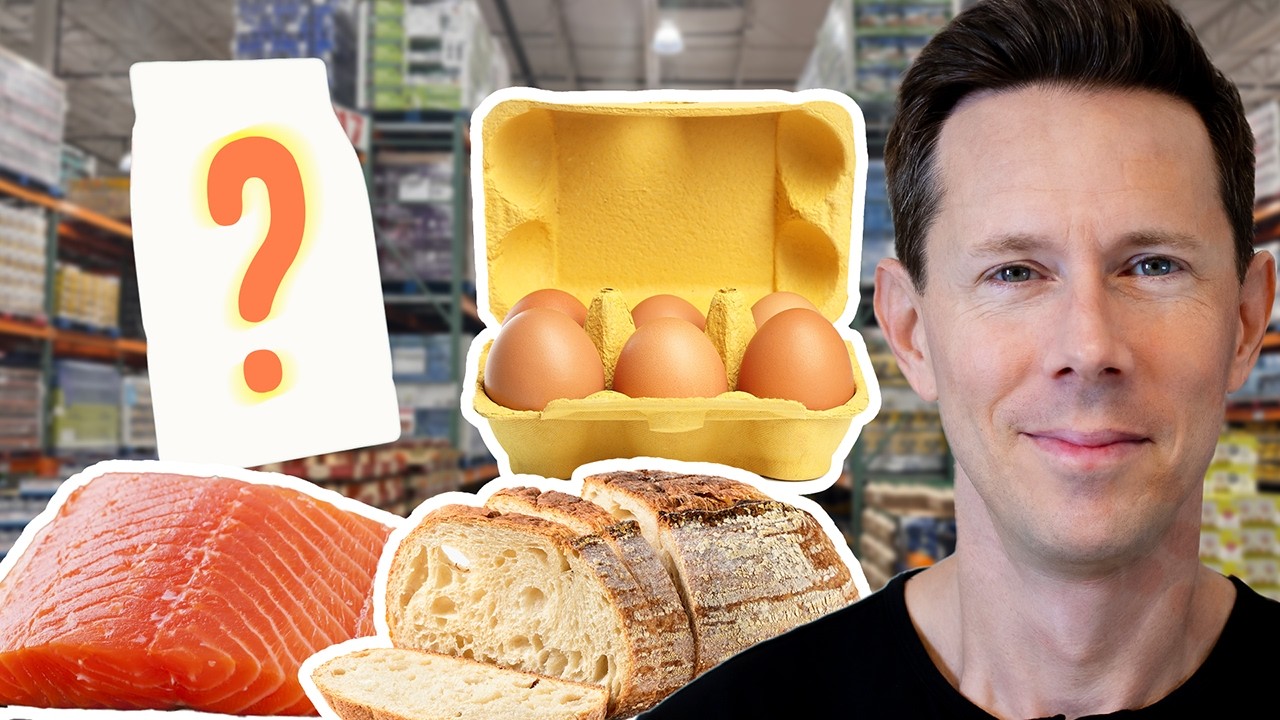
Something we've all cracked open at one point or another. Perhaps with toast in the morning or nestled into a favorite family recipe. Let's talk about eggs.
Now, you might be thinking eggs before bed. It's true. Most of us think of eggs as a breakfast staple, but here's the surprising part.
An egg before bed can do something pretty remarkable for your body while you sleep, especially if you're over 60 and trying to preserve strength, balance, and muscle tone. C. What makes eggs so powerful isn't just that they're rich in protein, though they certainly are.
Eggs offer what nutrition experts call a complete protein, meaning they contain all nine essential amino acids your muscles need to grow and repair. And they're especially high in leucine, that all important amino acid that actually activates muscle protein synthesis. That's a fancy way of saying when you eat eggs, your body gets a very clear message.
Hey, it's time to rebuild. Now, here's where it gets interesting for seniors. As we age, our bodies become a little less responsive to small amounts of protein.
A 25year-old can eat a small serving of chicken and build muscle. But someone over 60, they often need a slightly higher dose of quality protein, especially leucine rich protein, to get the same benefit. And that's where eggs shine.
Just one large egg contains about 6 g of protein with about 500 to 600 mg of leucine, enough to contribute meaningfully to overnight muscle repair. If you're someone who eats lightly at night, or if your dinner didn't have much protein, a softboiled egg an hour before bed might just be the missing piece your body needs to stay strong. But there's more.
Eggs also provide vitamin D, which many older adults are low in, especially if you don't spend much time in the sun. And vitamin D is not just about bones. It also plays a big role in muscle function and coordination.
Combine that with the choline found in eggs, a nutrient that supports brain and nerve function, and you've got a food that helps your body move and respond with more ease and confidence. Now, you might be wondering, "But what about cholesterol? " That's a fair question, especially since eggs got a bad reputation back in the day.
Here's what the science now shows. For most people, moderate egg consumption, about one egg per day, does not increase heart disease risk. In fact, some studies suggest that eggs can actually improve your cholesterol profile by raising the good HDL cholesterol.
Unless your doctor has given you specific advice to avoid them, eggs can be a very safe, very valuable part of your diet. Of course, how you prepare your eggs matters, too. A gently cooked egg, think softboiled, poached, or lightly scrambled in olive oil, is easy on digestion and retains more of its nutrients.
Avoid frying in butter or adding too much salt, which can irritate your stomach or raise blood pressure. And if you have trouble chewing, a soft egg is one of the easiest proteins to eat. No jaw strain required.
Now, let me share a real example. There's a woman named Lean I met through a wellness workshop, 68 years old, always cheerful, always bringing fruit for everyone. She struggled for years with feeling weak in the mornings.
I get out of bed and my legs wobble like cooked noodles, she once said with a laugh. She didn't eat dinner late and often skipped snacks after sunset, thinking it would help her sleep better. We added just one poached egg to her evening routine.
Not a big meal, just a warm little bite before bed. 2 weeks later, she told me, "I didn't think it would do anything, but I don't feel so wobbly anymore. I actually feel stable.
" That's what the right bedtime protein can do. It's not about eating a heavy meal at night. Far from it.
It's about giving your muscles just enough of the right fuel to repair and rebuild while you rest. Your body does the work. You just have to give it the tools.
Let's shift our attention now to something you might not expect. Something you could hold in the palm of your hand, maybe even forget in a jar at the back of the cupboard. But don't let their size fool you.
These little seeds are one of the most underrated bedtime foods out there. I'm talking about pumpkin seeds. Yes, the same little green seeds, sometimes called papitas, that you might find sprinkled over salads or tossed into granola.
But when it comes to your muscles, your sleep, and your overall nighttime recovery, pumpkin seeds carry a lot more power than their tiny size suggests. Let me introduce you to Harold. Harold is 72, a retired gardener with hands that still look like they know how to work the earth.
He came to me with a common concern. I wake up every morning with tightness in my legs. I stretch.
I move, but it still feels like I didn't rest at all. We looked over his evening routine, his meals, his sleep habits, and one thing was missing. Magnesium.
You see, magnesium is a mineral that helps your muscles relax. Without enough of it, your muscles may stay partially tense even during the night. That's why some people wake up feeling sore even if they slept for 8 hours.
And guess what? One of the best natural sources of magnesium is. That's right, pumpkin seeds.
Just a small handful, around 1 ounce, can give you about 37% of your daily magnesium needs. That's impressive for such a small bite. And when you enjoy them in the evening, you're giving your body the tools it needs to unwind physically, not just mentally.
But magnesium isn't the only trick pumpkin seeds have up their sleeve. They're also one of the few foods that naturally contain tryptophan, an amino acid your body converts into serotonin and then into melatonin, the hormone that helps you fall asleep. While tryptophan on its own doesn't knock you out, combining it with magnesium creates a powerful one-two punch for better, deeper sleep.
Better sleep means more growth hormone release, more cellular repair, and yes, more muscle rebuilding during the night, all while you rest under the covers. And let's not forget, pumpkin seeds are also a decent source of plant-based protein, about 7 g per ounce, along with healthy fats that help slow digestion. That means your body gets a slow and steady release of amino acids through the night, not a quick spike and crash.
It's gentle, sustaining, and just what aging muscles need to heal and grow stronger. Now, you might be wondering, how do you eat pumpkin seeds at night? Simple.
Keep it small. A tablespoon or two is more than enough. You can eat them plain or sprinkle them over a bit of plain Greek yogurt if you'd like a protein boost.
Some people warm them slightly in a pan to bring out the nutty flavor, but you don't have to. Just keep them unsalted. Sodium late at night isn't friendly to your blood pressure, especially if you're managing hypertension.
They're also high in zinc, which helps with cell repair, immune strength, and even hormonal balance. Especially important for men over 60 who want to maintain healthy testosterone levels, which are tied directly to muscle mass. All that from a seed.
Nature doesn't waste space. A small warning, as with all nuts and seeds, pumpkin seeds are calorie dense. That doesn't mean they're bad.
Just be mindful not to eat them by the handful, especially late at night. Stick with a small portion. Think of them not as a snack, but as a nightly tonic for your muscles and your sleep.
And now we've come to the last one, the quiet champion of bedtime strength. It doesn't have the sweetness of fruit or the crunch of seeds. It's not colorful or flashy.
But if there's one food that truly works while you sleep to rebuild the muscles time tries to steal, it's this one. Cottage cheese. Now, before you wrinkle your nose or think that's something my grandmother used to eat, stay with me because behind that simple lumpy texture is one of the most effective muscle building foods you can eat.
especially before bed and especially after 60. Let me explain why. There's a special type of protein found in cottage cheese called casein.
And quinine is different from the protein in say chicken or fish or even eggs. It's slow digesting. That means once you eat it, your body doesn't burn through it right away.
Instead, it releases amino acids gradually over several hours. keeping your muscles gently nourished all through the night. Why does that matter?
Because when you sleep, your body enters repair mode. But if you don't have enough amino acids in your bloodstream, the building blocks of muscle, your body can actually start breaking down muscle to fuel other processes. That's the last thing you want, especially if you're already dealing with age- related muscle loss.
Now, imagine giving your body a steady trickle of those amino acids throughout the night. That's exactly what a few spoonfuls of cottage cheese can do. It doesn't spike your blood sugar.
It doesn't feel heavy in the stomach. It just quietly gets to work, supporting muscle growth, repair, and strength all while you rest. A dear friend of mine, Martha, is 76.
Sharp as ever, but she'd started to notice her legs getting weaker. Climbing stairs became harder. Getting out of the car took more effort.
She'd been told it was just aging, but that answer didn't sit right with her. So, we made one tiny change. A small bowl of low-fat cottage cheese just a few spoonfuls about 30 minutes before bed.
Within 3 weeks, she told me, "It's like my body finally got the memo. I'm waking up with more energy. I feel stable again.
" That's what happens when the body gets what it's been missing. Cottage cheese is also high in leucine, that same muscle triggering amino acid we talked about with eggs, but it delivers it over a longer period of time. Think of it like this.
Eggs give you a quick push. Cottage cheese gives you a slow and steady hand holding you through the night. And if you're watching your blood sugar, here's more good news.
Cottage cheese is naturally low in carbohydrates, especially the plain low-fat kind. It won't interfere with insulin levels or cause a nighttime crash. In fact, the protein may actually help stabilize blood sugar overnight, which is helpful for people with diabetes or pre-diabetes.
If you've got concerns about sodium, just choose the low sodium version. They're easy to find now. And for those watching their heart health, opt for low-fat or 1% varieties to keep saturated fat in check.
Now, let's talk about taste and texture. Some people love cottage cheese just as it is. Others prefer to mix it with something, maybe a few slices of banana or even a spoonful of cinnamon.
If you've got a bit of leftover kiwi from earlier, it pairs beautifully. The key is to keep it light and simple. Remember, this isn't a meal.
It's a signal to your body. Here's what you need. Take your time.
Repair while I sleep. Just one spoonful can make a difference. Truly, and here's the beauty of it.
There's no prep, no cooking, no fuss. You don't have to stand over a stove or blend a smoothie. You just open the container, take a spoon, and nourish your body quietly, gently, effectively.
So many seniors think they need to do something big to feel strong again. Intense workouts, complicated meal plans, expensive supplements. But the truth is strength after 60 comes from consistency in small things, from knowing what to give your body and when.
And when it comes to bedtime, a little cottage cheese is like giving your muscles a good night hug. So, now that we've walked this quiet evening path together, let's take a gentle breath and reflect. You don't need to flip your life upside down.
You don't need to count every calorie or chase perfection. What your body truly needs, especially after 60, is something more sustainable. A few thoughtful choices made consistently with care.
And tonight, that choice could be something as small as peeling a kiwi, boiling an egg, enjoying a spoonful of cottage cheese, or letting a few pumpkin seeds soften on your tongue before the lights go out. These aren't just bedtime snacks. They're acts of kindness toward your future self.
They feed your muscles. They calm your nervous system. They support deeper sleep and stronger mornings.
And with every quiet evening ritual, you're reminding your body, you still matter. You're still strong. And you're still capable of rebuilding.
Because here's the truth. Muscle loss isn't inevitable. It's reversible.
It's preventable. And it starts with giving your body what it's asking for. Not in loud, overwhelming ways, but in simple, loving steps.
So, tonight, instead of going to bed feeling like your strength is slipping away, you can rest knowing that your body is gently rebuilding while you sleep. If this video brought you some hope or maybe a few new ideas to try, I'd love to hear from you. What bedtime food are you most curious to try?
Let me know in the comments. I read every word and your story might inspire someone else in our Health 365 family. And if you haven't already, go ahead and like this video and subscribe to Health 365.
Here, we're building something special. A place where growing older means growing wiser, stronger, and more connected every day. Until next time, rest well, eat kindly, and wake up stronger.
You've earned it.