around 10 years ago a huge just massive aquafer was discovered in the turana region of Kenya back then the country's government said this aquifer could supply all of Kenya with water for 70 years then they found another aquafer in Namibia the driest country in Africa south of the Sahara recently the US announced the discovery of five new oafers in Niger containing over 150 trillion gallons of water for a comparison Egypt's current water demand is about 30 trillion gallons per year so it turns out that Africa has had massive water reserves all this time but why
isn't anyone using them I mean it's obvious that people in Africa need water if it were all simple I wouldn't be making this video and yes I need coffee in the meantime here's an unobtrusive reminder for those who put likes don't forget to do it during or after watching see that strange Half Moon on the ground actually it's a semicircular Earth Bund with The Dugout pit that the kenyons put together this simple structure is used to collect rainwater and it's critical for the locals to have enough of it without it farming would be impossible and
people would lose their livelihoods now think about what people have to go through just to get some water even though they're actually living right above huge natural reservoirs as strange and absurd as it may sound Africa is a continent with a massive supply of water look at the map the blue spots are aquafers found on every continent containing a lot of fresh water according to scientists estimates around 30% of the entire planet's Supply on the map Africa doesn't look as dry as usual on the contrary it's full of water the researchers who created this map
say that many countries now deemed water poor actually possess a true Treasure of groundwater if you speak in numbers you'll find that the continent holds almost 9% of the world's freshwater supplies and that's Africa the dry always struggling with water shortage is Africa but this picture doesn't fit with the reality where Africa actually has 63 remarkable transboundary river basins that cover 64% of the continent's land area in other words more than half of the continent is made up of river basins that's quite a bit however the total volume of water in underground aquifers is a
100 times greater than the volume found on the surface in any case that's what scientists believe they did a bunch of different measurements and figured out that the volume of groundwater in African aquifers is about 160,000 Cub miles this is 20 times more than the volume of freshwat in Africa's Lakes the largest underground reserves are located in North Africa meaning in Libya Algeria and Chad the volume of water in these basins you know to make it easier to visualize I'll put it this way if you pumped all this water out from underground and then poured
it on the surface it had form a 246 ft thick layer across these countries until now groundwater has been largely ignored by researchers and its potential applications have not been considered but recent maps and findings might change this perspective to understand how to use these reserves you need to figure out what exactly this aquafer is to put it simply it's a layer of rock where groundwater is stored most people have probably heard of it but just to clarify it's a term used to describe water that seeped into the soil and stayed there it's not underground
rivers or lakes it's just well it seeped in since the rocks that hold the water are usually too porous water can't move through them like a river it's just there and by the way most the water we use for household industrial or agricultural purposes is actually groundwater to access it we drill Wells and then gradually pump the water out of course aquafers come in different sizes and shapes it all depends on the Rock they're located in some can be like caves and hold large volumes of water others might be a few feet to hundreds of
feet thick but with several layers like a cake aquifers can stretch out over many miles or be localized in certain areas in Africa most aquifers are found less than 164 ft below the surface in South Africa there are two huge aquafers the largest one stretches from Cape Town to the city of cabara which is 466 Mi away from it this geological formation covers a surface area of 14,300 Mi and has a thickness ranging from 3,000 to 13,000 ft the second major aquafer is the cape Flats aquafer in North Africa there are significant water reserves such
as the Nubian Sandstone this aquafer covers an area of about 770 ,000 square miles and spans across Libya Chad well I already mentioned it it contains more than 36,000 cubic miles of groundwater which is more water than the Nile River discharges over 500 years and that's just a portion of the aquafers I've mentioned covering each one would take more than just a single video water gets into these aquifers in various ways some of them fill up with new sediments While others contain old or even ancient ones take the Nubian Sandstone aquafer system for example it
also happens to be the largest fossil water system in the world as you might guess from the name fossil water is an ancient body of water that was contained in some untouched space for thousands of years water seeped into Africa's aquifer about a thousand years ago when the climate conditions were very different from today the Sahara Desert didn't exist yet and where it is now there was a tropical forest like a real one for a significant part of the paleos scene and eocene roughly from 66 to 34 million years ago most of what's now Southern
and Central Sahara had a hot wet climate perfect conditions for growing something like the Amazon rainforests in general since that time water's been underground unaware that things have changed a bit up top all right we figured out where the water comes from but how do we get it out there are different ways to access groundwater including handd dug Wells drilled Wells and even Natural Springs but if it were that simple many experts agree that large scale drilling might not be the best way to increase Water Supplies the problem is that many groundwater reservoirs aren't getting
refilled due to the absence of rain so big time drilling might quickly drain the resources even in the driest areas where there's very little rainfall now groundwater can stay in the ground from 20 to 70 years and sometimes slower methods of extraction can be more effective so correctly positioned and set up wells for moderate farming water needs and hand pumps are probably going to work well and then I came across some interesting statistics in North Africa 92% of the population have access to safe water which is pretty good but in countries in Africa south of
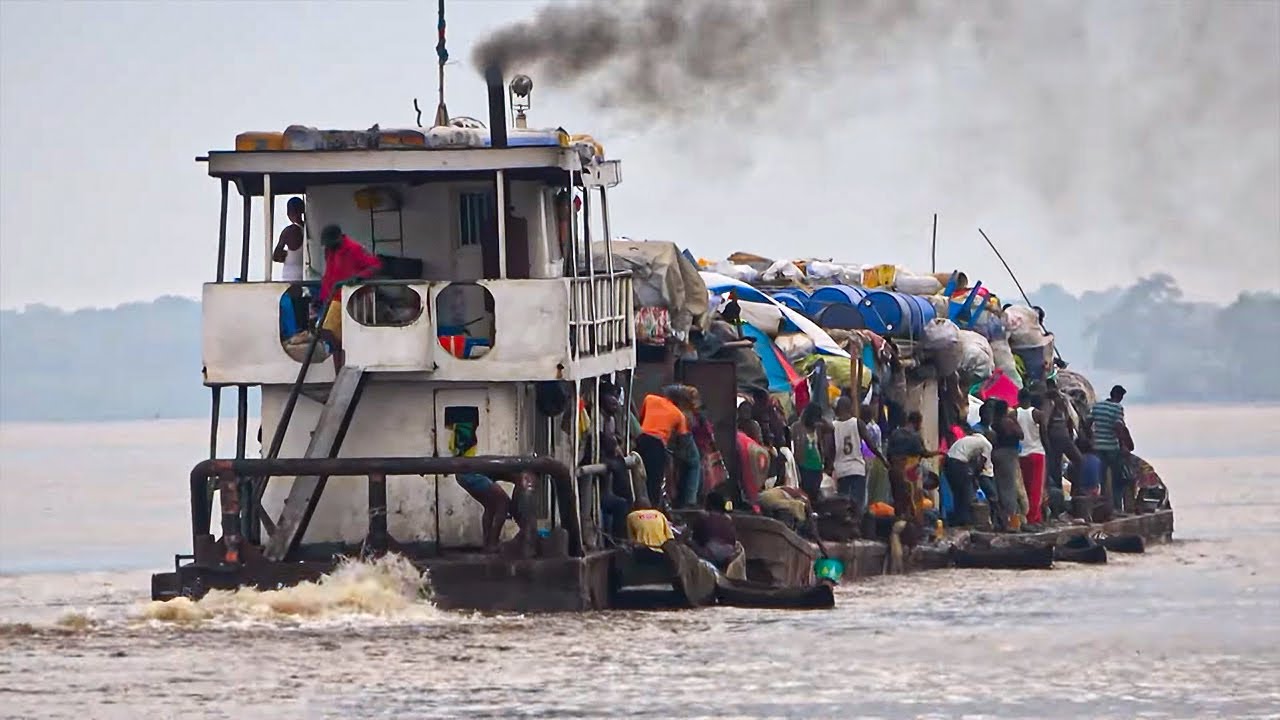
the Sahara this figure remains at a frighteningly low level 60% which means 40% of 783 million people in this region don't have access to clean drinking water at all in these areas the daily water use per household per person is also the lowest in the world it's much lower than the minimum personal and household consumption level established by the UN which is just 13 Gall a day apart from large cities and many places there's no water supply so people have to depend on the only other option fetching water often a family member had to spend
30 minutes or more to bring water home every single day in the heat to collect water they use a canister a bright yellow plastic container that used to be filled with vegetable oil if you fill it to the brim it's around 5 gallons the job is really tough especially since the canisters are frequently carried by hand with no carts and not on a smooth straight road plus there are lines for water at the hand pump you can end up spending even more time there than traveling depending on the family size and household needs like laundry
women might need to make this trip several times in a single day sometimes water is only available at certain hours so it's not just about the walk you also need to rush over time this leads to health problems particularly affecting the neck and back and all of this happens at the same time as huge volumes of water are right under these people's feet in recent years the water situation has worsened the percentage of people in subsaharan Africa with access to piped water in their homes has actually decreased from 42% to 34% mainly this is due
to a low amount of precipitation over extended periods this caused approximately 90% of Wells to dry up in countries in the region that were already dealing with a lack of water and as is often the case a shortage of something brings about Shady sellers there are now whole unregulated water markets where vendors not only sell poor quality water but also keep hiking up the prices what are buyer supposed to do when they don't have other choices but as absurd as it sounds even heavy rains don't help with the water shortage extreme rainfall leads to flooding
and flooding poses a serious threat to water supply this includes infrastructure damage pollution of water sources and ruined Drainage Systems some countries like Kenya face a higher risk of landslides during heavy rains plus during floods the sea level rises and this also leads to water pollution just when you start to wonder why people in Africa are still suffering from a lack of water despite desite its presence science comes to the rescue science reveals that the water scarcity in many parts of Africa isn't due to an actual shortage of water there are other reasons geography is
largely to blame resources are distributed extremely unevenly 54% of the continents reserves are concentrated in just six countries while the 27 countries facing severe water shortages have access to only 7% it's unfair but there's no one to blame another challenge is the extraction of groundwater while South Africa's aquifers contain around 62 trillion gallons of water much of it cannot be pumped out besides the geological imitations there are serious concerns that without water the soil will just sink if the water table is near the shore drawing it out can bring in salty ocean water and that's
it the entire Reserve will be worthless draining water from an underground cave could cause it to collapse create a sinkhole and people could get hurt as a result even River levels might go down due to depleted aquifers aquifers won't always help solve the water shortage problem either for example early research results showed that water from turana aquafer in Kenya seems unsuitable for use it's just too salty and that's not even considering that Africa's aquafer stretch Beyond National borders so water will have to be shared and when it's in short supply that sounds like a huge
problem we're talking about something on the scale of a military conflict and of course there are the issues of logistics and cost for instance the distance between the aquafer and the spot where the water is needed could become a big problem building pipelines and infrastructure is super costly so who's going to want to deal with that drilling down to reach groundwater can be quite expensive before drilling begins a kind of surface scan is performed to ensure that there are valuable Water Resources worth tapping into and then there's the cost of the drilling rig and the
worker salaries and a bunch of other smaller expenses so water quality is an issue too sometimes it's contaminated by human activity sometimes water acquires traits from the surrounding soil like having too much iron I've already mentioned the potential salinity also if you drill deeper than 165 ft a manual pump just won't be enough to remove the water you'll need an automatic which means additional costs at depths greater than 330 ft the cost of drilling Wells increases significantly due to the need for more complex drilling equipment the cost might be around $130,000 for one well though
access and infrastructure Ure issues could drive this number up so due to the lack of investment underground water sources remain unused or even unexplored there's no cash for infrastructure no experts and no idea about what to do with these vast aquafers but still there's some good news it's expected that by 2036 $274 million will be invested in the development of these aquafers in South Africa if all goes well they'll provide about half the volume of water in the Berg River Dam which supplies almost 20% of cape towns water countries that share the northern aquifer have
already agreed on Fair usage it's a bit simpler there digging riverbeds versus drought right now while you're watching this video southern Africa is battling one of the worst droughts in recent history about 70 million people are left without enough food and water and where Rivers used to be there's just beige sand to get even a little bit of water people are digging into the riverbeds and it helps along the riverbed there are pits large enough to hold a bucket people drink this water use it for washing and water their livestock with it and to get
this water locals have to spend even more time and effort every day imagine having to walk 3 hours to get a bucket of murky water horrible Cape Town Water Crisis from 2015 to 2018 Cape Town experienced a drought that happens once every 400 years it put the city with a population of about 4.6 million people on the brink of day Zero the point when Cape Town would run out of water as in completely at that time Cape Town was on the brink of running out of water authorities considered turning off the water supply which would
have made it the first major city in the world to completely deplete its Municipal Water Resources and this isn't the kind of first in the world that's something to be proud of the residents narrowly avoided this Fate by drastically cutting back on their water use and then the rain started the richest city without water in March of this year residents of Johannesburg Africa's wealthiest city faced a severe water shortage during a scorching Heatwave local businesses and even hospitals were hit hard nurses complained to the media that they couldn't even wash their hands the water shortage
wasn't because there was no water instead the issue came about due to problems with the country's electricity Supply a lightning strike hit a crucial pumping station causing a power outage and that was it thankfully everything got fixed in the end you owe me just one like see you later