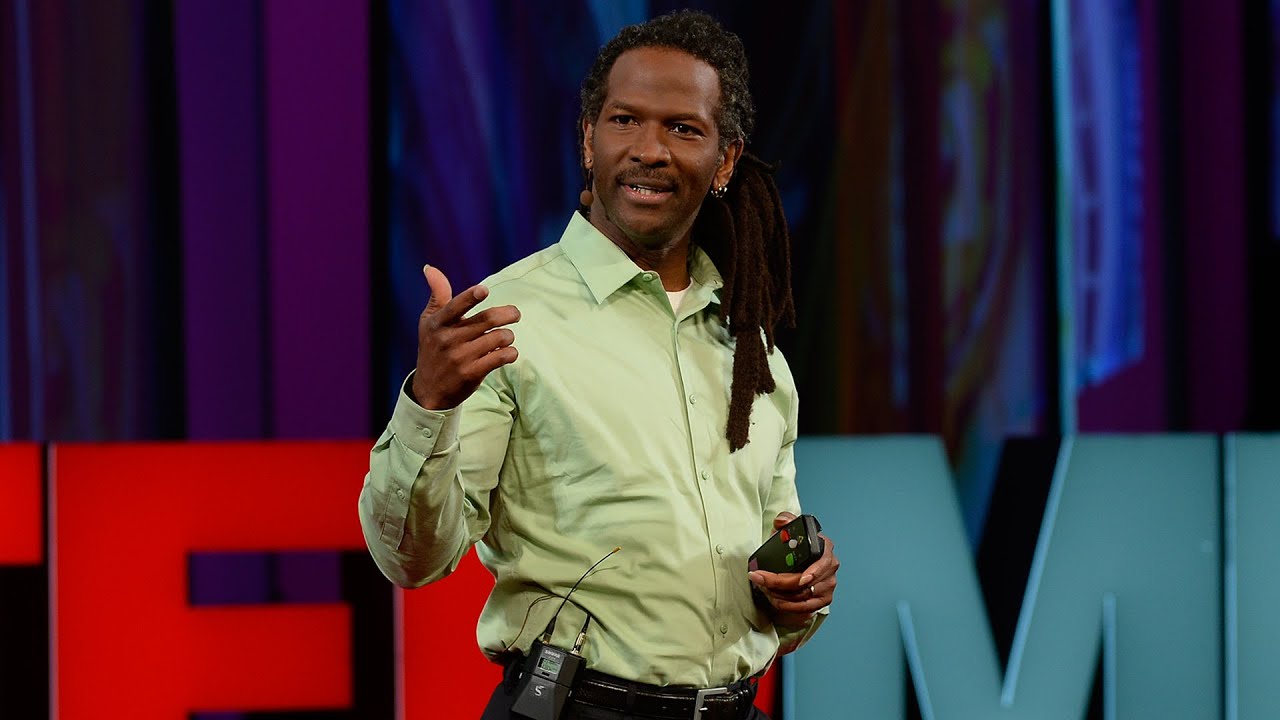
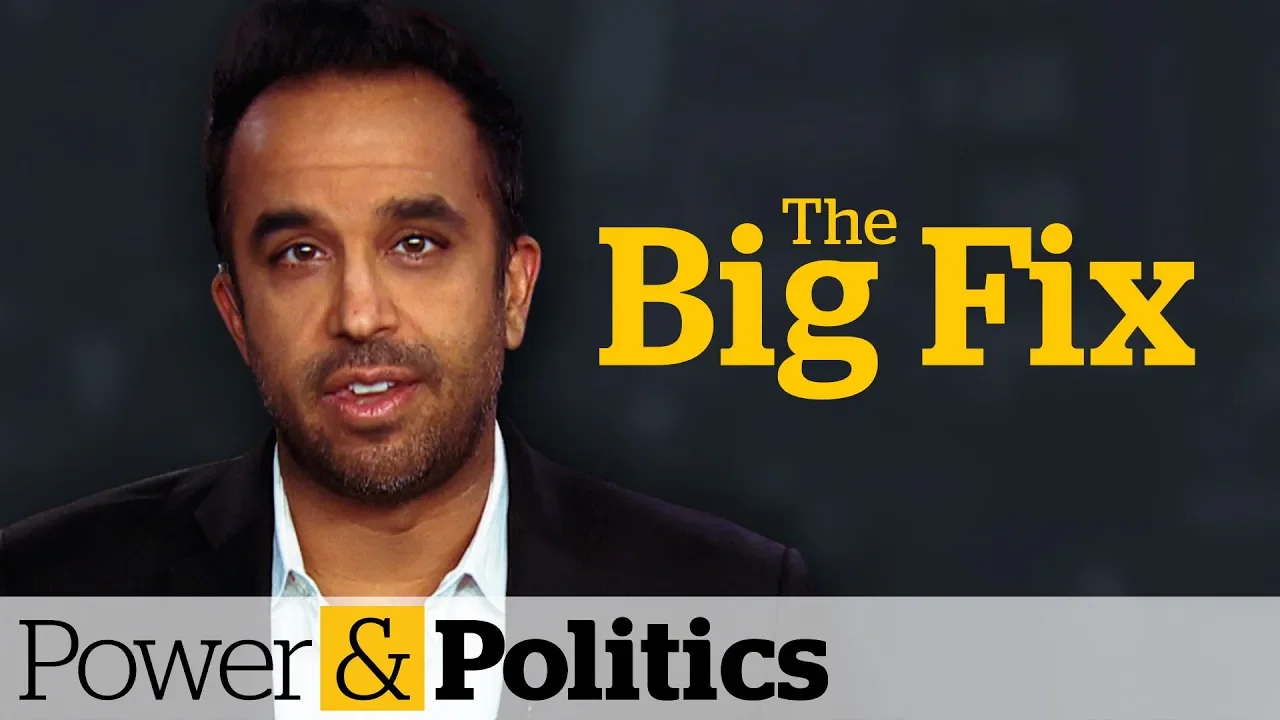
biggest problem facing Canadians is cell phone addiction Neil Patricia thinks a lot about how to be happy he's a New York Times bestselling author motivational speaker and founder of the Institute for Global happiness his work there focuses on the relationship between leadership and business and you guessed it happiness attitude awareness and authenticity his TED talk the three A's of Awesome has over three million views Canada's biggest problem according to Patricia that we're addicted to our cell phones here's his big fix hi mister piss Rita nice to see you thanks for making some time for us
today thank you so much for having me Bashi so I want to start off by asking you why you feel cell phone addiction is the biggest problem facing Canadians well cuz don't we live in the most abundant time ever in human civilization give her to every other generation we are living longer we have higher education rates we have more wealth than ever before unfortunately we also have the highest ever rates of anxiety loneliness suicide and depression when you look into the data you discover that part of this is because of the ascendance of the smartphone
we have lower connection we have higher lonely that's we are staring at our screens all the time and we are all super addicted look if you drink a bottle of wine before bed every night slept with a bottle of wine within 10 feet of your head while you're sleeping and drank a bottle along when you got up in the morning we call you an alcoholic we are all doing that with our cell phones and we don't seem to see that we are a phone at all it's right now it's dramatically reducing our mental health is
it the phone itself or is it the platforms on the phone or is it a mix kind of it's both right now five years ago we used our cell phones for 18 minutes a day this year we use our cell phones for over five hours a day we also are looking at screens over eleven hours a day we use them in the classrooms we're using them in the cars or using them in work we're using them everywhere and the devices are as you probably know made to be addictive right the studies show that when you
look at cell phones you are disconnecting from people around you you aren't having as many in-person conversations and things like your heart rate and your anxiety rate increase yeah I wanted to ask you what you think the or what is the correlation from your perspective with all that you described and those anxious feelings because I think a lot of us I've sort of submitted to this idea that yes we're not talking in person but we are communicating constantly on on the phones yeah the research that I'm quoting comes from dr. Jean Twenge TW en GE
from San Diego University she has shown that anxiety rates have been bubbling up and down pretty softly over generations but suddenly over the last five years they spiked by thirty percent based on the research this is largely due to the ascendance of the smartphone look I'm talking because I'm not the preacher I'm in the parish I'm addicted to I would have to yank this thing away from me with helmet night I'm super addicted so I know that this is part of the problem look we don't have anything to worry about these days we live in
the safest time ever to be alive no one's getting forcibly shipped off to war we've got no major famine none giant Great Depression and yet we feel worse today than ever all these spikes in our mental health rates are mental illness rates are directly correlated with our phones and if you look around if you look at what people are doing and how they're using them we realize that we're looking with their heads down look there's three problems with cell phones I'll lay them out for you right now number one is there's a physical problem when
you look at a bright screen within an hour of bedtime you do not produce as much melatonin the sleep hormone you do not get as deep a restful asleep so you wake up you're tired you're groggy what do you do you check your phone again number two is psychological when you look at yourself when you're comparing everybody else's greatest hits with your director's cut no matter how good your lunch with today somebody's got a lobster buffet in the Maldives right now your lunch suddenly sucks everything about you sucks you look uglier you less followers less
friends and the third problem of course is productivity McKinsey reports that we spend 31% of our day bookmarking prioritizing and switching between tasks we're not actually doing anything anymore we're just deciding what to do if you've ever stared a Netflix screen for half an hour with your spouse trying to decide what TV show to watch and then throwing in the towel because you can't figure out it's time for bed you know what I'm talking about like you're in my house every night yeah that's what we're all doing and those are problems all start with the
letter P right there's physical there's psychological and there's a productivity problem okay let's talk about the potential fix what is it from your perspective three things we need to do invest in activity invest in nature and invest in reading on activity right now according to the government you can stop exercising when you're 14 years old that's when you can take your last mandatory gym class great night that's what I took my last dream class and like I did like most of my peers that I invest in my studies my academics put my head down study
chemistry cuz I'm supposed to go to med school the Mayo Clinic says we need an hour of physical activity today you know what you can't do when you're running text you can there's a school in Tirana Branch high but probably not very successfully exactly right now we need to make gym class mandatory for every single year in high school as a start we need to have more physical activity in our schools and our young people and get rid of our cell phones there's a school in Toronto progressive private school called Branksome Hall I've talked the
administrators there they have recently started a stronger band and limitation on cell phones between and during classes this year the administrators have told me at this school they have seen more social connection higher rates of activity and less cyber bullying unsurprisingly in the students just within the first year of this policy interesting and do you think then that when you talk about those three imperatives that it's the provincial government where a political show so I'm trying to think of you know what who drives the the change if the change is necessary is that the provincial
government should it be spearheaded federally well what's your take on that well I see when I talk to parents they say oh well you kids are allowed to have phones in the classroom and they talk to administrators they say well parents want them for content in them kids for emergencies we a leadership position you want to go provincial you want to go federal whatever we should not have cell phones in our classrooms they are inhibiting our behavior and our learning we need to get back to focusing and being able to talk to our peers instead
of texting with them I would I would encourage all levels of government to ask people to limit I won't say ban cuz too strong word limit cell phones especially in the classroom and between classes let me put a quick dip in the back in the gym class instead like me I could pour me a quick devil's advocate question to you here because kids would argument I think and some parents would argue as well that this is the way the world is so kids should acclimatize and and it can be used as a learning tool your
response to that absolutely can be used as a learning tool however it is not the de facto way of learning we learn by conversations by questioning by inquiry by having group discussions by you challenging a teacher being challenged by a teacher is a learning not a learning replacement use them as a tool that was a great word used tool not a replacement that's why I said not ban a limitation and what about the other two imperatives that you listed off nature more nature and more reading who should be leading the charge on that nature we
all have MD D right now we have nature deficit disorder you know we have a lot of in Canada nature I have a hiking trail a kilometer from my houses down 10th row I didn't know it existed since the advertiser parks market them have a park passport federal government please we have amazing national parks talk about them get them out there again let's create more imperative to get back in the nature don't put cell phone towers anywhere near these places let's protect the sanctity that we have and get people outside more look when I was
a kid everyone had castes he had a broken arm you had a broken leg now everyone just as black bags in other eyes from playing fort night get outside we have n DD trees released a chemical called fight on sides when you breathe in the chemical released by trees you reduce your cortisol and your adrenaline in your body you literally feel less stressed federal government's number one line item on budget is guess what health care and guess what's rising mental health issues you want to help people feel better get them outside more let's learn to
walk around again you're making me want to actually go into the Nate into nature which is shocking but what about reading you know this is the problem we all think that we don't have enough time to read books yet according to the University of California we've never read more words per day than today the average person reads a hundred thousand words a day now it's like a 200 page book it's just called Instagram comments blog rolls Twitter feeds news headlines Twitter like all that stuff that's what we're reading plus the average knowledge worker gets a
hundred and forty seven emails a day so when everyone says they don't time for reading I say bollocks to that start or finish your day with twenty pages from a good book what kind of book fiction why fiction because according to the 2011 annual review of psychology reading fiction especially literary fiction opens up the mirror neurons in your brain the part your brain responsible for empathy compassion understanding we want to grow good citizens we want to grow great people we need to be reading fiction how does the government do this we need to invest in
our literary festivals I'm talking things like lit fest in Edmonton WordPress and Calgary were on the street in Toronto get people excited about reading and we have to recognize our independent bookstores as the cultural tapestry of our land these are small hard-working mom-and-pop shops who struggle to make ends meet let's recognize independent book search for what they are invest in the independent bookstore community through tax subsidies and things like that so that we can create places and havens where all the thinkers of all past generations come independent book sirs are the place to be invest
in your independent bookstore okay I'm gonna leave it there thank you very much I enjoyed listening to your bigfix thanks to Neil pus Rita thanks for having me hi I'm Basha Capello's host of power in politics see more of our show by subscribing to the CBC news channel or click the link for another video