Brazil needs to become the environmental economic powerhouse, the new ecological economy, the new green economy, which also includes the social aspect. What will be the economic basis to drive a new cycle of development in Brazil? It was industrialization from 1930 until the 1980s.
It was agribusiness in the more recent decades. And what will this economic base be in the coming decades? The vision of development at the time of the military regime ignored environmental protection.
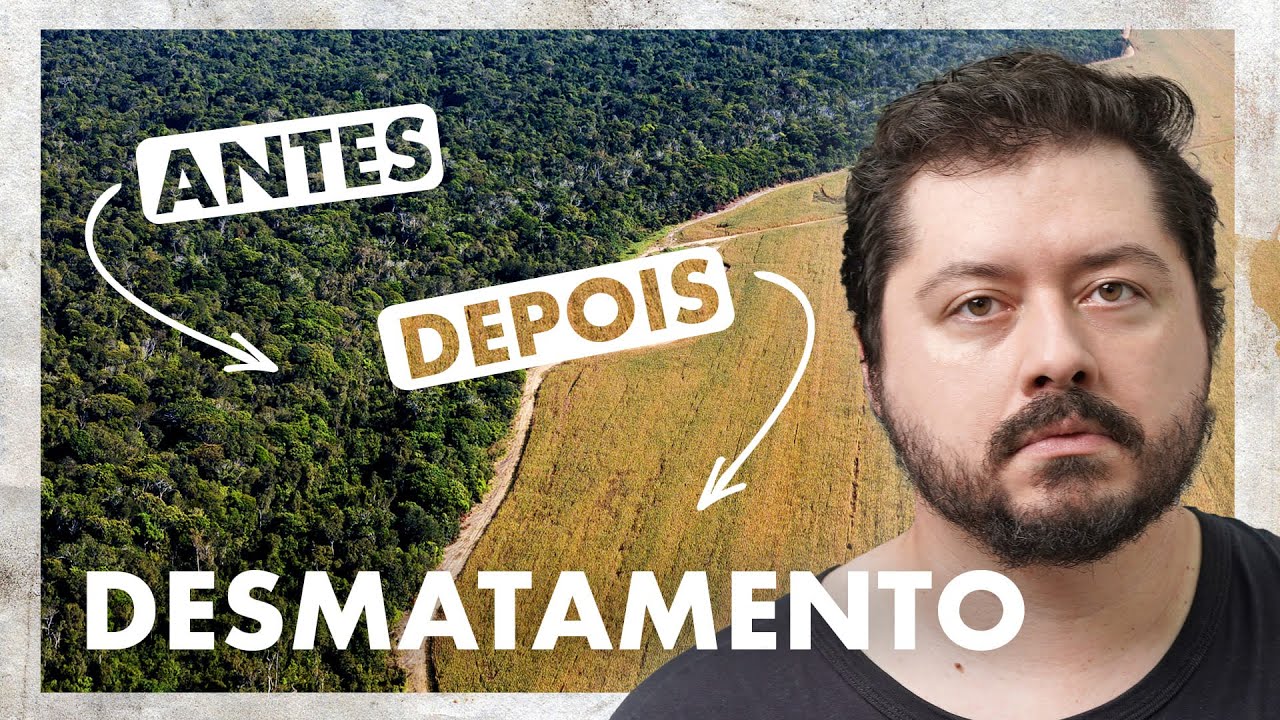
It was a model of territorial occupation encouraged by the State. In the Amazon, in order to own land, people had to commit to deforesting 50%. The military dictatorship entered into crisis and this model also entered into crisis.
The new democratic constitution in 1988 made room for other ways of treating development. Development had to presuppose social justice, participation and democracy. Otherwise there would be no point because it wouldn’t amount to anything.
At this moment, we had a policy of commercial opening, privatizations, to attract external capital and modernize structures. And in the 2000s we entered another moment in which the big question becomes addressing the social debt that had not been resolved in the 1990s, with industrial policies, agricultural policies, development policies, investment in infrastructure and everything else. This model worked until around 2012-2013.
And since then we have been once again in a situation of very low economic growth and, in my opinion, in a certain crisis of what development model the country needs to pursue. The current model of development around the world is a model that is unsustainable. The concept of sustainable development has a relatively long history.
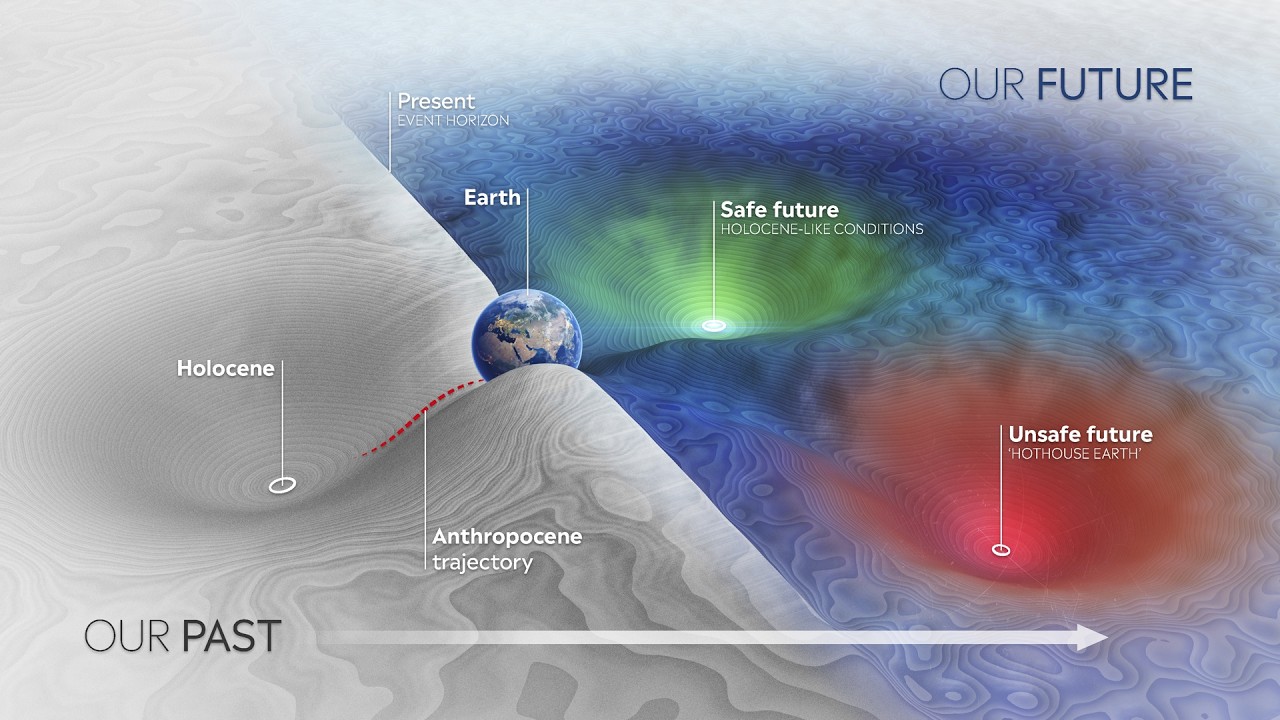
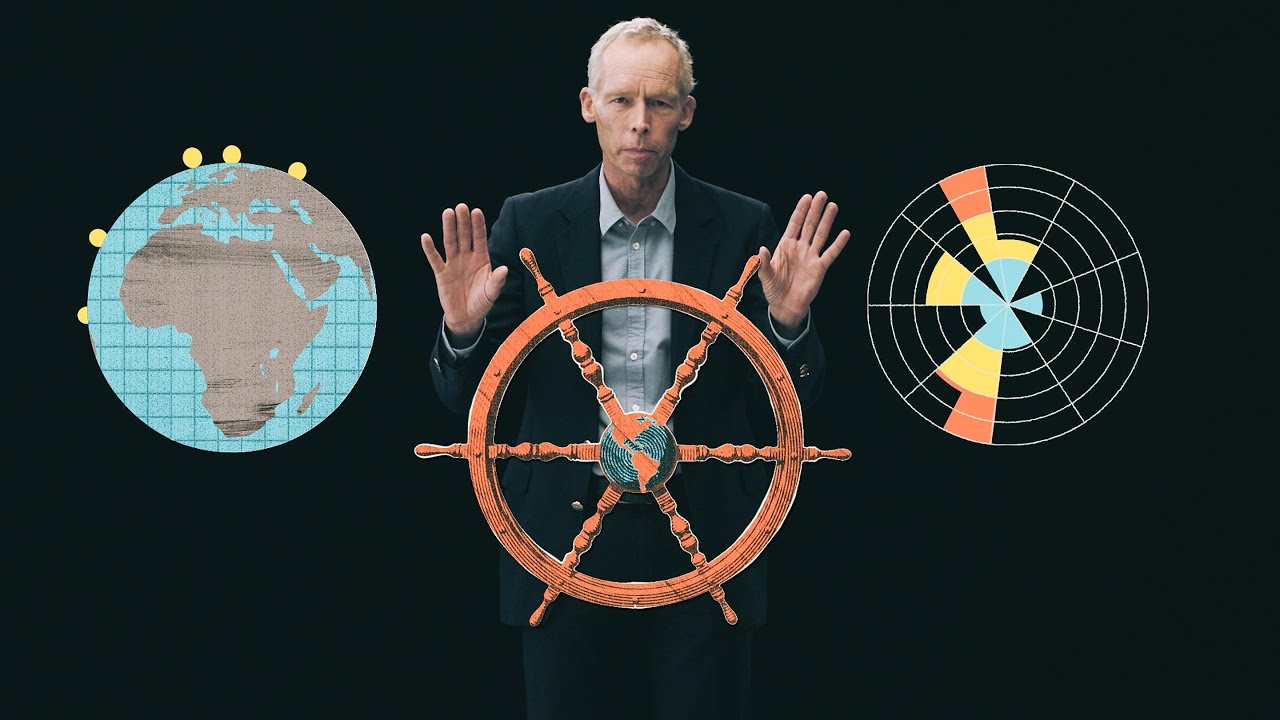
It is a combination that minimizes environmental impact and promotes the prosperity of current and future generations. Ultimately, sustainable development respects planetary limits so that the Earth's balance does not suffer radical disruption. And the most important of these planetary elements is climate change.
In 1988, the Intergovernmental Panel on Climate Change was formed, made up of scientists from many countries, and they came to an agreement. They managed to create a collective vision that it was the human presence that was altering the climate balance. This boosted a process within the United Nations that was consolidated in the adoption of the Framework Convention in 1992, in Rio de Janeiro.
Since 1992, Brazil has been a leader. Brazil is leader in the negotiations, first at the convention and then in all COPs, year after year. Kyoto came many years after the Framework Convention.
Kyoto meant setting goals, defining actions, saying who was going to start doing their homework, who had more obligations. At that time, developed countries were required to reduce emissions. eveloping countries refused to adopt targets because they claimed: “the developed world has progressed at our expense, their economies have progressed and were responsible for a lot of emissions.
So we need to have our chance, our turn. ” Well, Kyoto proved insufficient and, every now and then, science continued to hold warning signs. In 2015, the Paris Agreement was an incredible milestone.
Because this is the first time that, within the scope of international negotiations, two agendas that until then had been treated separately were united. The environmental agenda, which had its forums, a specific UN agency, the United Nations Environment Programme, and the human development agenda. After Paris, the countries defined some agreements to be able to deliver that Paris ambition.
Homework. Countries had to map how much they were emitting, reduce emissions by a certain date, set a target for developing countries, not mandatory, "but almost". In the Brazilian case, we made an economy wide commitment.
There are countries that said only “in the energy sector, I’m going to do x”. So there is an agreement that is legally binding, but with a decisive vulnerability because nothing happens when the target, established by the country itself, is not met. In that sense, it is a fragile agreement.
And it could not be otherwise because we are very far from consistent global climate governance. In Paris we also focused more on financial mechanisms and market mechanisms because the cost of conversion is high, we are talking about a gigantic energy transition and changes in land use. So it means changing how we produce, changing how we consume, reducing plastic consumption.
Another important point is the global carbon market, which was finally negotiated in Glasgow. When we arrived in Glasgow, the scientists were blowing their whistle, loud and clear “we can't continue like this, we have to expand our ambition”. So Glasgow made a big call to broaden ambition.
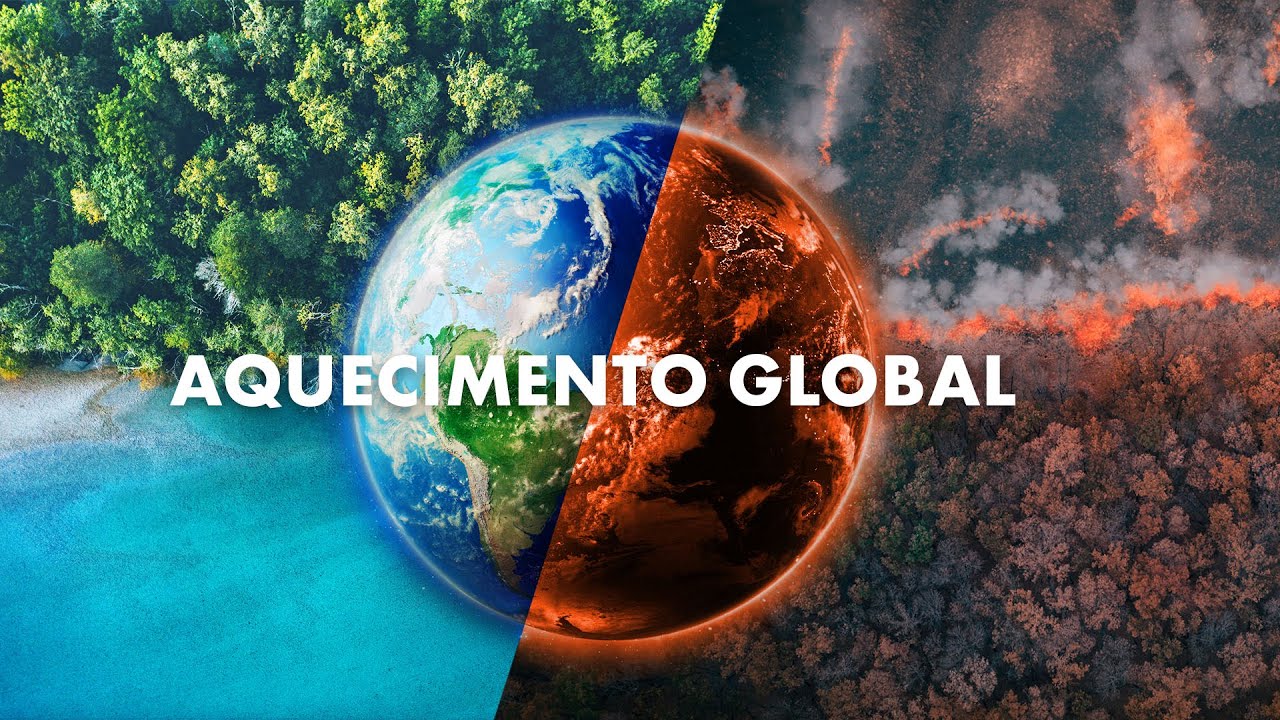
For the first time the IPCC affirmed and quantified: the increase in temperature is being caused almost entirely by man. In the August 2021 report there is a number, for example: the world has already increased its temperature by 1. 09 degrees Celsius from pre-industrial levels.
Of these 1. 09, 1. 07 was caused by the man, there is a written calculated number.
And Brazil is very behind. Brazil went from being the leader to rock bottom. We know what we inherited from four years of neglect, not to say total irresponsibility in relation to environmental, social and climate issues.
So in Glasgow there is a call for more ambition, and at the same time we started talking about a loss and damage mechanism, because not only were we not reaching the objective, some countries were starting to go underwater. Brazil is one of the main responsibles for global warming. But the government doesn't want to hear about it.
That puts a finger on Brazil's wound. The post-Glasgow situation, that Brazil will inherit, and lead from now on, because we are going to have a climate COP in the Amazon, led by President Lula, has to be a total change of path. We now have to start thinking about carbon negative.
For those in the know, it means the following: it is no longer enough to reduce what we emit. We start to have to absorb carbon to go negative. Someone has already said that Brazil is at the same time a villain, victim and solution to climate change.
We have a development model in which, especially in recent decades, there is increased dependence on the commodity production sector. This commodity production sector has been advancing in areas that are very sensitive to the climate agenda. There are realities that are established.
And the extreme events are coming in an increasingly faster, more accelerated and more intense frequency. Brazil has a very large contingent of people living in vulnerable conditions, in risk areas, in situations in which a climate catastrophe simply ends their lives. Climate change is very socially unfair.
Extreme events hit much harder the poor, peripheral, black population, women heads of families, who are the face of our poverty. Right now there is already a vast array of extreme weather phenomena. Climate change is already here.
They used to say “first, we take care of mitigating, reducing emissions and then we will think about adaptation”. Adaptation is more than urgent. So we have to do both things at the same time, everything at the same time.
Brazil has already created an adaptation plan, but has not yet financed its adaptation plan. The same happens in many countries Extremes floods, heat extremes that break the asphalt, these all require adaptation measures. Another fundamental thing is Civil Defense, a major strengthening of Civil Defense.
Civil Defense in Brazil is, in general, deficient. In the last decade, the National Center for Monitoring and Alerting Natural Disasters was created in Brazil. This Center should be warning all decision makers about where the extreme weather elements are so that the entire population and government agents can organize themselves to face extreme situations.
It is underfunded, underequipped, but it has the best of Brazilian technology and science. I think we are very capable of leading this global transformation process. Are we heading in that direction?
I don't think so. Or if we are, we are still very timid and tremendously slow. This is a crucial decade.