What's up brand builders Stephen Houraghan here at BrandMasterAcademy.com and in this video you're going to learn how to develop a competitive position for your brand so you can outmaneuver the competition with an alternative approach to give your audience an option they'll leave your competitors for now i recently posted a video on what competitive positioning is if you haven't seen that i'll leave a link in the description below but ultimately this is a term that is used interchangeably with many others the likes of competitive positioning positioning strategy brand positioning differentiation strategy market position key differentiator these
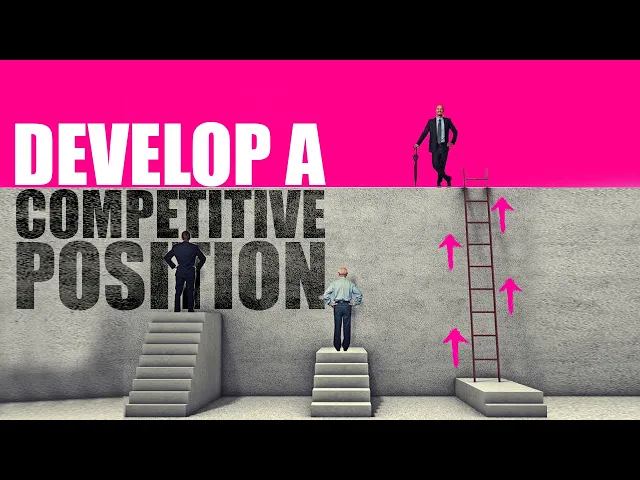
are all terms that are used interchangeably that often get confused from you know what's the difference from one to the other but ultimately anytime you hear reference to these words they're talking about the same thing that is how is your brand going to be different from your competitors what is the difference that you're going to make in their lives and what is the value of that difference to your audience finding your competitive position your unique difference is all about finding that reason to give your audience to choose your brand over your competitors so how do
you define a competitive position for your brand well let's cut to the chase here although competitive positioning is a lot easier to understand than some would make out finding that competitive advantage and staking a claim for it is not there is no silver bullet or quick fix that guarantees success but there are proven processes that will maximize your chances of finding a unique competitive advantage that your audience will gravitate towards step one segment your audience now when it comes to defining a competitive position there is a rule that cannot be overlooked you cannot mean all
things to everybody and this means that the more generic or vague you are about who you're targeting the less likely you are to resonate with that audience and stand out in the market now the first step to doing that is excluding who you're not trying to target by segmenting your audience using key categories for example instead of targeting women you might target single stylish professional women in their 30s step number two develop a buyer persona now developing a buyer persona allows you to become a lot more specific about who you're targeting now the buyer persona
is a fictional character that represents a specific segment of your target audience now if you're targeting multiple segments within your market then you would create multiple buyer personas now as you move through the rest of these steps your buyer personas will be brought to life step number three uncover your market demographics the demographics of your audience represent the circumstances and situations that begins to illuminate your buyer personas with some key information the demographics you aim to uncover include information such as age gender ethnicity geographic location marital status income homeownership status children now although this information
doesn't give us too much in terms of who they are as a person it does paint a picture of what their life looks like step number four uncover your market psychographics now all demographics paint a picture of the situation and circumstances of your audience's lives psychographic detail goes a lot deeper into who they are as people psychographics outline the behaviors and preferences of your audience and give you your first insight into their mind psychographic information can include interests hobbies lifestyles sports music food beliefs values religion and after extracting this information about your audience you'll have
a much deeper insight into their core desires and the characteristics that they're attracted to step number five evaluate the competition now this step is all about recon and research your audience is already flirting with your competitors or at least they're aware of their presence and the potential value they can bring to their lives researching your competitors is certainly about understanding what they're doing well but more importantly it's about uncovering where they're leaving gaps in the market your audience may be aware of shortcomings in the marketplace or they maybe not either way if you want to
effectively position your brand you need to uncover the gaps and opportunities you can exploit to turn the heads of your audience away from your competitors towards your brand and step number six evolve gaps into ideas carving out a unique position in the mind of your audience is no easy feat there's no beautiful patch of grass on a sunny hillside untouched waiting for your brand to go in there and roll out the picnic blanket identifying a small patch of grass in the form of a gap is only the first part as well maybe your audience isn't
getting the customer service that they hope for or maybe they're not happy with the time that it takes for the outcome that they want but gaps are not fully formed ideas using creative and strategic thinking you need to take that gap and turn it into something extraordinary and step number seven define your competitive advantage so once you've evolved your opportunity into a fully formed idea it's time to get clarity on how you want that idea to sit in the mind of your audience positioning is a battle for the mind and the idea of your brand
lives in the mind of your audience so the reality is you don't have control over how your audience perceives your brand but what you do have is the influence and that influence comes in the form of the position itself the messaging around that position and the characteristics your brand displays at every single touch point and step number eight craft your positioning statement a positioning statement is often misunderstood as an external piece of communication that the brand might put on their website but the truth is the positioning statement is an internal document that outlines some key
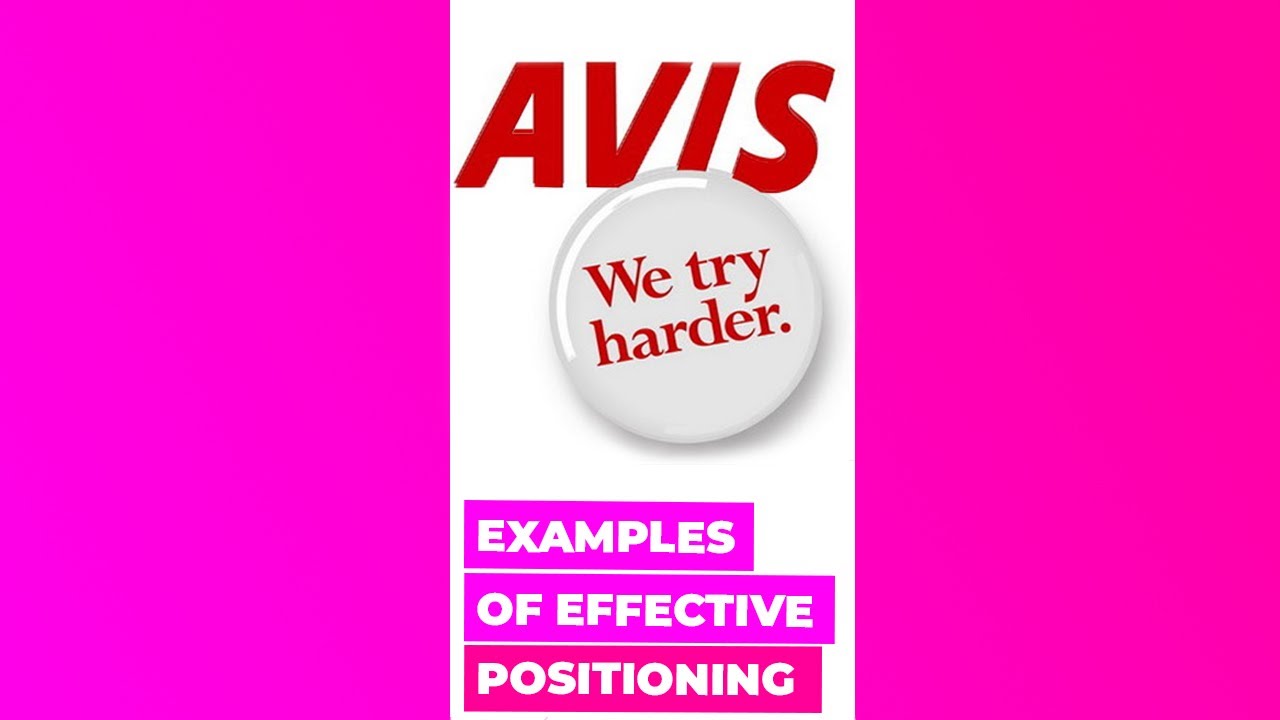
information including the audience the challenge and the pain points the key benefit the competitive alternative and the unique point of difference the positioning statement acts as a compass for all brand communication so you can effectively shape the messaging of your brand and in turn that shapes the perceptions in the mind of your audience now of course there are many examples of effective positioning but one of the most memorable come from a car rental company back in the 60s now in the early 60s Hertz dominated the car rental market and were trailed by a struggling avis
who was losing market share but rather than trying to compete with Hertz head-on by claiming that they were the best they assumed their second-place role and turned that into a competitive advantage with their slogan we're number two so we try harder with a simple adjustment of how they presented what they did for their customers Avis turned a losing position into a profitable one which has gone down as one of the best examples of positioning in history now when you sit down to define your competitive position it might seem that every blade of grass is taken
when it comes to defining that position in the market but know this in 50 years new brands will be breaking into markets far more saturated than what we see today and they'll be doing it through competitive positioning they'll look back at the 20s and wonder if brands back then ever knew how easy they had it the point here is that there will always be a way to distinguish one brand from the next the challenge is to think outside the box and look into the mind of your audience and find a sunny patch of grass that
you can call your own now i'm gonna leave another video up here that will help you dive deeper into brand strategy but if you want to become a master of brand make sure you hit that like and subscribe and I'll see you in the next video
![What Is Brand Positioning? [With Examples]](https://img.youtube.com/vi/Rcv-J6534oE/maxresdefault.jpg)


![9 Effective Brand Positioning Strategy Approaches [In 2023]](https://img.youtube.com/vi/HuXyBR_ZvPI/maxresdefault.jpg)