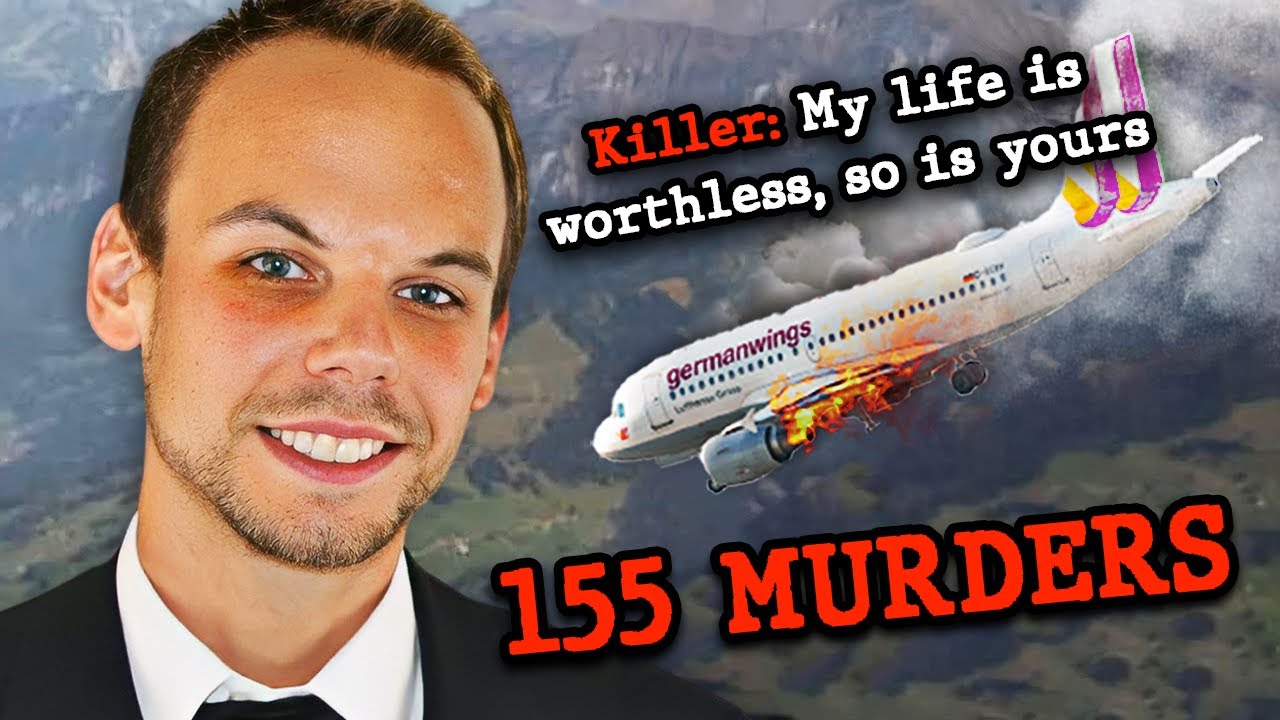
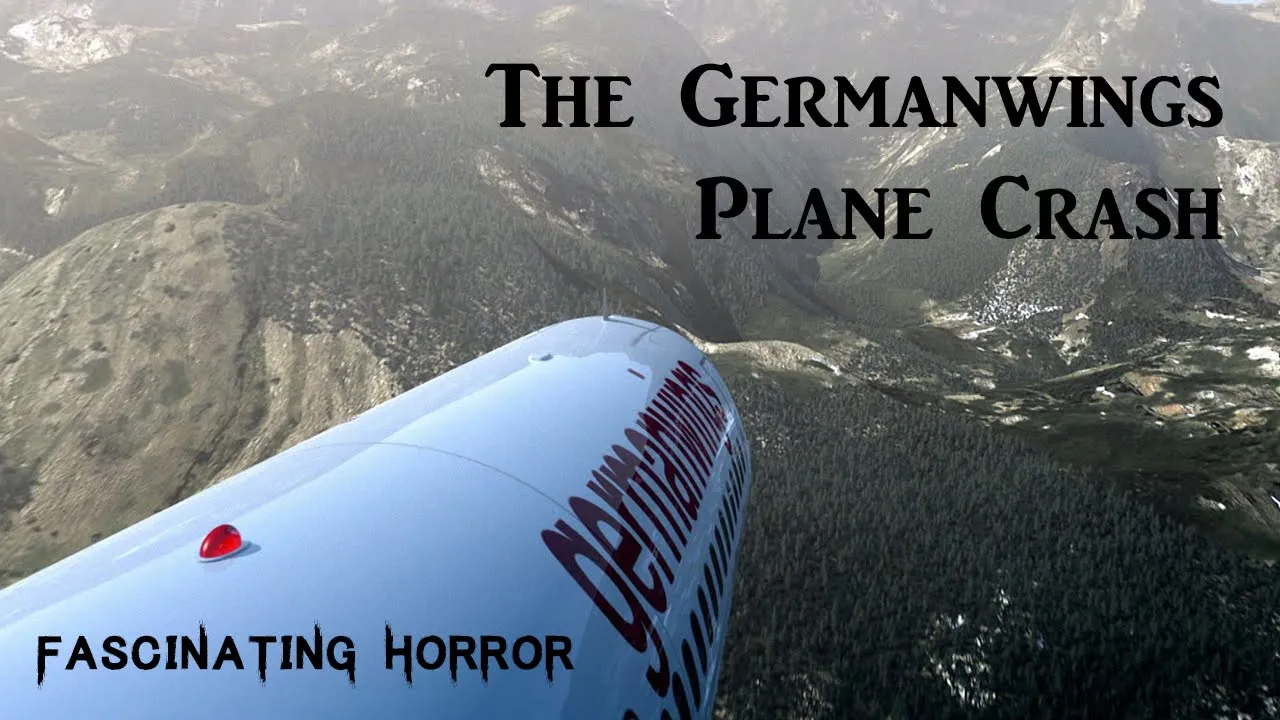
On the 24th of March 2015 at around 10:41am Germanwings flight 9525 crashed in the French Alps resulting in the death of every single person on board. An investigation revealed that the crash was caused deliberatel, but not by sabotage or a terrorist attack. In the case of the Germanwings disaster the crash was caused by the co-pilot Andreas Lubitz, who purposefully and calculatedly flew the plane into the side of a mountain.
Germanwings was a popular low-cost carrier owned by Lufthansa which operated multiple routes within Europe. Germanwings flight 9525 took off from runway 07R at Barcelona El Prat Airport at 10:01am local time, approximately half an hour late. It was bound for Düsseldorf Airport where it was scheduled to touch down at 11:39am local time.
On board were 144 passengers, two pilots, and four members of cabin crew who altogether represented more than 18 different countries ranging from Japan to the Netherlands. After an uneventful takeoff the pilots on board confirmed instructions from Air Traffic Control at 10:30am. At 10:31am the aircraft left its assigned cruising altitude of 11,600 meters (or 38,000 foot) and without approval began to descend rapidly.
Air traffic controllers swiftly declared that the aircraft was in distress after finding themselves unable to contact it. The plane's descent lasted just 10 minutes. During this time a French military Mirage jet was scrambled from the Orange-Caritat air base to intercept the aircraft.
Before it could do so, however, the aircraft had descended to 1880 metres (or 6,175 foot) and subsequently crashed in a remote part of the Alps northwest of Nice killing everybody on board. At the time it was unknown what exactly had happened on board, but a subsequent investigation revealed the entire chilling narrative. The flight's pilot in command was 34 year-old captain Patrick Sondenheimer, with 27-year-old Andreas Lubitz as co-pilot.
Cockpit voice recordings revealed that Lubitz was initially polite to Captain Sondenheimer during takeoff but became somewhat short-tempered when the captain began the mid-flight briefing on the planned landing. When the captain stepped out of the cockpit to use the toilet Lubitz locked the cockpit door and then disabled the lock. Captain Sondenheimer requested re-entry using the intercom.
He knocked on the door with increasing urgency but received no response. Attempts were made by the captain and the cabin crew to break down the door, but like all cockpit doors in the aftermath of the 9/11 terrorist attacks it had been reinforced to prevent intrusion. As Lubitz steered the plane steadily towards the ground the cockpit voice recorder captured the frantic attempts to break down the door, constant calls from Air Traffic Control, and Lubitz's own steady breathing.
He made no other sound. He did not speak a word. In the final moments before impact the voice recorder captured only the final screams of the passengers as they realized what was about to happen.
While the facts of the matter were clear enough one question remained: why? Why had Lubitz done this? A search of his home and a thorough psychological profile provided some answers.
Lubitz had recently been declared unfit for work by a doctor but had not revealed this information to his employer. He was also taking prescription medication which he had not disclosed to his employer and suffering from a psychosomatic illness - that is an illness which manifests with a range of symptoms but which cannot be traced to any particular cause. In Lubitz's case the main symptom was a powerful and unfounded fear that he was going blind.
Lubitz consulted more than 40 doctors about this but none were able to uncover a problem with his vision or a reason for his extreme fear of the same. Terrified that his encroaching blindness would cost him his pilot's license Lubitz became suicidal. The investigation determined that his situation was worsened by the fact that there was no specific insurance for pilots covering the risks of loss of income in case of unfitness to fly.
To be declared unfit to fly would have ruined him financially. Worse still, at the time, there was a lack of clear guidance in Germany as to when a pilot had to disclose a medical condition and when a pilot's confidentiality should be respected. This meant there was little pressure for Lubitz to disclose his medical issues and no way for his employer to find out about them unless he did disclose them.
Lubitz, it emerged, had run searches on a tablet computer for "ways to commit suicide" and "the security of cockpit cabin doors". Chillingly he had also practiced the sequence of commands he would use to crash the plane whilst alone in the cockpit on the outbound flight he had worked just before Germanwings 9525. Lubitz was thoroughly prepared.
Once he began his suicide attempt nothing could sway him from his plan, and nothing could save the 149 people he took with him to the grave. In the immediate aftermath the parent airline of Germanwings, Lufthansa, canceled a number of flights solely because so many of their pilots were grief-stricken or too distressed to fly. They retired the flight number 9525 permanently and brought into force regulations to require that two pilots were present in the cockpit at all times during all flights.
Many other countries brought in similar legislation to echo this. While these changes make an exact repeat of the Germanwings crash unlikely, the incident nonetheless made many people painfully aware of how precarious flight can be. On board a plane the lives of hundreds are placed in the hands of just one or two individuals - strangers, at least as far as the passengers are concerned, but strangers who we implicitly trust.
. . never knowing what might really be happening inside their heads.