I know you've heard the name many times, whether in football, in the context of Pablo Escobar, or perhaps its vibrant nightlife. This is Colombia, a country located right in the heart of the Amazon with a population that has been yearning for happiness for years. Colombia is a country five times the size of its neighbor Ecuador, with a population of 52 million.
It boasts an immense land area of 1,142,000 square kilometers and has a rather diverse geography. For instance, the country's north faces the Caribbean Sea, while its west is bordered by the vast Pacific Ocean. To the north, it shares a land border with Panama.
To the south, you'll find Ecuador, and to the east, Venezuela. Additionally, hundreds of rivers crisscross the country, contributing to its fertile lands. Regarding the geography of the country, it's worth noting that not every corner of this massive land area, which exceeds 1.
000. 000 square kilometers, is inhabited. Settlements are primarily concentrated in the northern and western regions of the country.
The southeastern and southern parts of the country are entirely covered by the Amazon rainforests, where there are no signs of human life. Only a few primitive tribes lead secluded lives within these forests. Today Colombia is the second most populous country in South America after Brazil.
The fact that the country is crowded has literally made this place a center of attraction and it contains various beauties. Here's one of those cities, Medellin. It's situated in Colombia's interior and lies to the north of the capital, Bogota.
It gained its initial fame, or rather notoriety, primarily through the negative image associated with Pablo Escobar. When viewed from above, the city's skyline may remind you of Hong Kong. The fact that a population of nearly 3 million resides in this relatively small 382 km² area has led to the construction of tall, vertical buildings.
Until about 30 years ago, Medellin was known as the world's most dangerous city. Even today, there are slum neighborhoods, but the once powerful organized crime cartels are nearly non existent. This city, once the stronghold of the cartels, is now one of the most visited tourist destinations in Colombia.
People visiting this country invariably make a stop in Medellin and pay a visit to Escobar's grave. The founder of the Medellin Cartel, Escobar, became the subject of numerous TV series and movies worldwide. Afterward, he was taken out of the picture by U.
S. backed agents. Following Escobar, Medellin and Colombia embarked on a rapid process of renewal to rid themselves of the negative image they had acquired.
Over time, they have succeeded in erasing some of the previously held negative perceptions. Streets that were once too dangerous to enter have now become tourist hubs. The city is teeming with street artists and graffiti on almost every corner.
Particularly, there's a district in the city called COMUNA 13, and daytime life in Medellin revolves around it. In fact, COMUNA 13 is among the most photographed areas in the country. It's a place where you can easily mingle with Colombian locals.
Additionally, Medellin is a very warm city, and when people here want to escape the heat, they flock to shopping malls. Malls and fairs in the country are bustling at all hours of the day. Medellin, therefore, attracts tourists from all over the world.
One of the most significant reasons for this is the extreme devaluation of the Colombian currency, the Peso. According to the official exchange rate, 1 dollar is approximately 4,200 Colombian Pesos. You can get a hearty meal anywhere in the country for as little as 12,000 Pesos.
So, an outsider can fill up for just 3 Udollars and stay in luxury hotels for around 35 dollars a night. If you were to ask, the average person living in Medellin and the capital, Bogota, can earn as little as 300 dolllars a month. The minimum wage in the country is just 261 dolllars.
So, local people do not enjoy as comfortable a life as tourists here. The country has an Uber system, and for about 3 dolllars, you can get anywhere you want in Medellin without having to deal with crowded public transportation. But if you take regular yellow taxis, you might end up paying a lot more.
Locals, on the other hand, prefer to use motorcycles, as buying a car is not easy for most Colombians. People can't save much, and what they earn goes towards their essential needs. This is why Colombia is like the Thailand of South America.
Here, both eating and having fun are incredibly cheap, and unemployment is high. For example, there are many street vendors. You might think the cost of such a lemonade from a street vendor is almost nothing, at 3,000 Pesos, which is less than 1 dollar.
The city center is lively, with street vendors and crowds of people everywhere. The most challenging part for shop owners is that Colombia is near the Ecuador line, so the weather is very hot and humid. This country gets sunlight at a very steep angle because of its location, which makes it even hotter.
Given that the city is quite crowded both during the day and at night, you really need to be careful with your wallet and bag in Colombia. There are many pickpockets in the country, so tourists often don't carry their wallets with them and only take the amount of money they plan to spend when they go out. In fact, you can sometimes see the police apprehending people even during daylight hours.
In Medellin, there are street dancers like this in the middle of the city as well. Whenever the traffic lights turn red, they dance in the middle of the road and then ask for money from the cars. It seemed a bit like a futile effort to me, considering the effort involved.
Some others jump in front of cars and clean windshields to try and earn a living. At night, when you stroll the streets of Medellin, you can see that people's lives are lived on the streets. Almost every place is crowded, and there are thousands of people who come to Colombia just for the nightlife.
Colombian people are really friendly and love to have fun with latin dances. When you go to there you can find yourself in unlimited fun and have to chance to meet friendly local people. This country is one of the countries that promise the most fun and happiness, not only Latin America and also in the world.
For example, if you are man and you go up to a local person in the evening and try to talk to her, she will most likely smile at you. If you are a slightly well groomed and nice person, she will give you a chance to meet her. If you are inclined towards completely natural relationships, you should definitely dance with Colombians.
Latin dances unique to their geography are one of the most important details that connect people in the country. The music doesn't stop until 5 in the morning and they are dancing all the time. You may have seen different styles of entertainment in different parts of the world before, but trust me you will not find the pleasure you get from Colombia anywhere else.
And here is the capital BOGOTA, with its colorful cityscape! A city of 7 million people where cable cars run over it. Located at an altitude of 2650 meters above sea level, nestled among the mountains, just like in Medellin, street art is highly valued here.
Due to its location, Bogota is now in one of the most inland and central regions of Colombia. The city's operation gives a much smoother and more metropolitan atmosphere compared to Medellin. It's safe to say that Colombia's main business field operates through Bogota.
At the same time, those who want to study at a university in the country primarily come to Bogota. The SANTA FE street, which is referred to as the most dangerous area in Bogota, is where illegal activities take place, and most people dare not enter. Of course, Colombia is not just about cheap food and a lively nightlife.
There are many other factors that make the country stand out. For example, here's a special place in South America where you can feel like you're in Norway. It's the GUATAPE village, just a 2 hour drive from Medellin.
A green paradise where mountains meet lakes. The most striking feature in the region is this huge rock formation. It's believed to have formed millions of years ago.
Nowadays, it serves a tourist purpose, and of course, there's a fee to climb it. What if I told you that this magnificent lake view was artificially created? Although it looks so natural when you look from above, it was actually created by Colombians.
In the 1970s, this area was turned into a lake, and it provided electricity to Colombia with a dam. Colombia's villages like this have some unusual local markets. First and foremost, people in these local markets are determined to make music, even in the markets.
But that's not the strangest part. People in the markets are selling and eating alligator heads and fish of a kind you've never seen before. They say these fish grow in the Amazon rivers.
Additionally, Colombians, unable to afford ready made cigarettes, smoke rolled tobacco. These tobacco products are made by the vendors and sold to the public at much cheaper prices. Although Colombians are warm and friendly people, especially in rural areas like this, they eat whatever they can find, even turtles.
You can find a live turtle at the market, grill it, and eat it. In my personal opinion, the reason for consuming things down to worms must be due to economic hardship. Otherwise, it's hard to understand why people would eat worms or turtles.
On the other hand, there is a river in Colombia like nothing you've ever seen before. This river is located in the middle of the Amazon forests and has a completely red appearance. The reason for this is a red plant that grows inside the river, which is not found anywhere else in the world, according to Colombians.
Discovered in 1969, the river has been named the FIVE COLORED RIVER since that day. If Colombia hasn't piqued your interest enough so far, there is another place in the country that is truly unique. Imagine a tiny island in the middle of the sea with no land connection.
The island is teeming with people, and every inch of the island has a shanty. There is no municipality in the area, and the locals govern themselves and establish their own rules. In fact, there is not even a police officer who can reach the area if a crime is committed.
In case of illness, there is no hospital they can urgently go to either. They have to treat themselves or embark on a long journey to the mainland. There are 1,200 people living in this tiny settlement.
Moreover, you won't find chain stores, supermarkets, or shops of any kind on the island. The island is named Santa Cruz Del, and it exists independently from life on Colombia's mainland. The only way to reach the area is to take a boat tour from the mainland to the island.
The maximum amount of time that someone who doesn't live on the island can stay there is 10 days. The island residents do not want anyone to stay longer than 10 days. There is only one hostel on the island, and there are no other options.
The island's inhabitants' sole source of income is catching fish and selling them in Colombia. As you might expect, the main food consumed by families on the island is fish. They meet their electricity needs through solar panels installed on the island.
There are over 200 solar panels on the island, and they even have WiFi internet. So, while they live in isolation from Colombia's internal affairs, it cannot be said that they lead an isolated life from the modern age. However, they do not have a sewage system, and the islanders are forced to use the water they catch fish in for their toilet needs.
This makes the place uninhabitable in terms of hygiene. Now lets take a more indepth look at life in Colombia and talk about daily life here. This is also the land of poverty and criminal organizations and most beautiful women in South America.
Streets are marked with sharp contrasts on one side, there are wealthy families and luxury cars, on the other side beggars and homeless people greet you. When you walk streets, you can't help but feel like someone is examining you. The kind of discomfort and insecurity that leaves you unsure of what they think of you.
However you are equally eager to explore and understand the country, to spend time in Colombia and immerse yourself in their lives. But you must exerciese caution in Colombia, there is no guarentee that a person who warms you heart at first won't attack you with knife for your expensive watch. Don't place too much trust in your car either.
They can follow you closely on their motorcycles and corner you at the first opportunity. The concept of crime in this country has claimed the lives of thousands over the last 30 years, tearing families apart. This is why people in Colombia live by the slogan "Live each day as if it's your last and cherish what you have.
" Some are genuinely desperate here, sleeping on the streets over a piece of cardboard. This desperation eventually matures them in their outlook on life. For instance, Colombian children, compared to the offspring of wealthy families worldwide, tend to be more mature and composed.
They are cautious of their actions and think about the consequences, often reflecting the attitudes of their families. Therefore, families moving from Europe to Colombia might admire the characters of Colombian children. Another aspect that delights those coming from Europe and America to Colombia is the weather.
Colombia is a place where, while you may be wrapping yourself in blankets at home, you can feel comfortable in just a simple t shirt. The weather here is neither extremely hot nor unbearably cold. The sky can be overcast, but that doesn't necessarily mean it's cold.
You won't break a sweat from the heat, nor will you freeze from the cold. Moreover, this is a paradise for those earning in dollars and euros when it comes to services. For instance, in the United States, you might need to pay around 15 euros per hour for a cleaner you call to your home.
But in Colombia, if you want to do this, you can have someone do all your house chores for a daily rate of 15 dollars, not per hour. In Europe or America, someone coming to your home might be reluctant to iron your clothes or cook for you, or they might have other terms. In Colombia, a trustworthy person does all these tasks willingly in one day.
This is truly an incredibly cost effective service. However, in your daily life, especially when dealing with Colombian men, there's a problem you might encounter. Adult individuals here, especially men, hardly ever admit their faults.
For example, you purchased a service from a store, but they didn't fulfill it as you wanted, or a taxi driver took you to the wrong place. If you wish to discuss the issue, making yourself seem right is incredibly challenging. This is not something they particularly enjoy in their culture.
In Colombian culture, people don't like blaming each other, and they don't appreciate confrontation. Therefore, if you encounter issues with individuals, you should never adopt an accusing tone. This could strain your relationship with Colombians.
Especially, never use profanity with a Colombian. Of course, swearing is not socially accepted in most countries. However, in some places, people are more relaxed with each other.
For example, they might share a glass of wine and engage in emotionally charged conversations, sometimes even using strong language metaphorically. The other person won't necessarily take this literally and may attribute it to their companion's state of inebriation. But in Colombia, you need to maintain your composure, even if you're somewhat intoxicated.
What I'm trying to say is that here, foul language is seen as an aggressive expression. However, there's a fact to acknowledge. Especially in the last 10 years, there's been significant migration from the United States and Canada to Colombia.
People who barely made ends meet in their own countries have found paradise in Colombia. The upside of moving to this country is that everything, from opening a bank account to renting a home, progresses much faster and smoother than in the United States and Europe. Especially if you have a strong passport, obtaining a residency permit in Colombia is by no means a dream.
Beyond this stage, immigrant individuals meet with local citizens with whom they can interact and gradually form a community, adapting to the culture and lifestyle of the country. These are people who leave their home country behind to fit in with Colombia's way of life. For example, retired American soldiers often make Colombia their first stop.
With their retirement pensions of 2 or 3 thousand dollars, they can't achieve the same living standard they could with 6 or 7 thousand dollars in their home country. Therefore, they save a lot in Colombia. The only issue is that the rate of fluent English speakers is low, so when they first arrive, they face a language barrier with local people.
Over time, however, Americans and Europeans learn Spanish. But of course, some opportunistic Colombians take advantage of this. If this country is famous for one thing, it's the level of sophistication in scams.
In this country, if you shop on person focused or less reputable platforms outside of well known websites, you can easily get scammed. It could be about a phone, renting an apartment, or almost anything you need. Colombian scammers, once they understand your needs, write Hollywood quality scripts to lure you into their traps and get money out of you.
For instance, if you like an apartment you find on the internet, they'll show you official looking documents and take an upfront payment. But when you actually go there, you realize that the apartment doesn't even exist. Local people are really good at being convincing, and if they sense you have money, rest assured they will do anything to get into your good graces.
But there are also some people who, even with limited means, are willing to help you. They might go out of their way to bring you the only spare tire from the other end of the world or assist with your problems. Especially Colombian police can help with the language barrier because foreigners can easily get lost in Colombia due to the language problem.
There's also an illegal drug market in the country. Typically, they come to a venue with their partners in 5 6 cars and sit down. The people sitting right next to you could be gang members, but you might think they're just an ordinary group of friends.
Interestingly, the mistresses of Colombian cartels often have extremely curvaceous bodies, a tradition that dates back to the Pablo Escobar era. As the cartels continued to accumulate wealth and plastic surgery advanced, there have been gradual transformations in the body shapes of women in the country. Colombian women began resorting to artificial breasts and buttocks upon the requests of wealthy and influential figures like Escobar.
The cartels would shower these women with heaps of money, and they would successfully get the procedures done. So, most of the women you'll see when you visit Colombia have actually undergone plastic surgery, my friends. These women are carrying on a tradition that began 20-30 years ago and continue to enhance their figures, which attract more attention from local men.
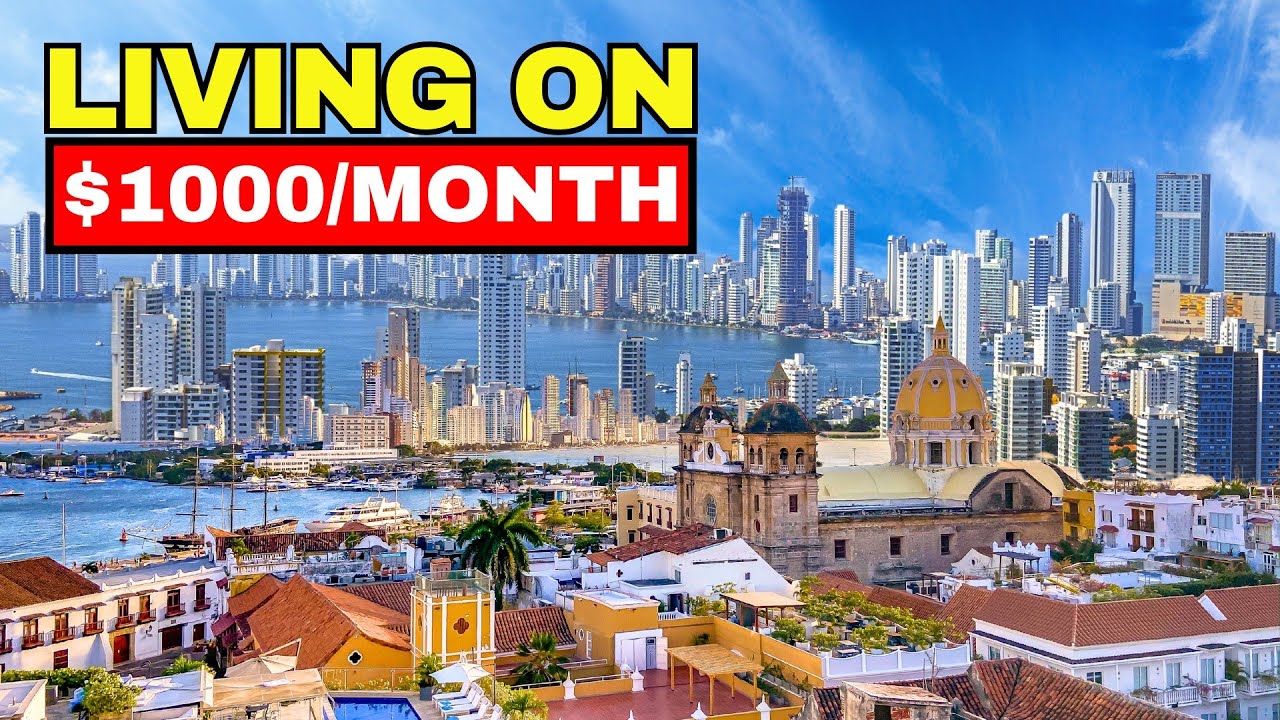
One of the cities where this situation is most prevalent is Cartagena. This city is located in the northern part of Colombia, not far from the capital city of Bogota, and it's even further north from Medellin, which is one of the most well known cities in the country. Cartagena is known for some of the wildest scenes you can imagine.
The city faces the Caribbean Sea, and when you visit there, you can feel the distinctive scent of the Caribbean Sea deep in your bones. Indeed, this is the ultimate destination for elderly tourists from the United States and Europe. When you stroll through the streets of Cartagena, you might suddenly encounter Venezuelan refugees trying to sell you various items.
They often offer souvenirs, bracelets, cigars they claim are genuine Cuban cigars, and more. Generally, despite the country's lower purchasing power, they are very fun loving, and you'll often see a perpetual smile on their faces. Additionally, just like the constant image enhancement tendencies seen in Russian women, you'll find the same in Colombian women.
They genuinely consider themselves beautiful, and when you visit the country's beautiful spots, you'll frequently see them taking photos. What we can say definitively about all Colombians is that their desire and ability to derive joy from life are significantly different from people in the rest of the world. They can find happiness in very small things, and even for no reason at all.
Each of them is full of gratitude for their modest lives. Moreover, in Colombia, the family structure often includes at least three children, and in some cases, this number can exceed five. Colombians appreciate extended family setups, often living with their grandparents without isolating them.
So, if you visit any Colombian family, you'll most likely meet at least 6 7 people in the house. In fact, it's noted that 30 years ago, Colombian families typically had more children, with each family having 8 siblings. Even now, many people have a lot of young children, and unfortunately, some are coerced into begging by their families.
Another thing to note is that beer is a highly consumed beverage in Colombia, almost as common as bread and cheese. For instance, they have a national drink called "AGUARDIENTE," and you'll see people enjoying this beverage with great enthusiasm in most places you visit. People here can sit and have drinks for extended periods, not out of distress or boredom, but because they genuinely enjoy it.
This isn't limited to just men; even women can spend an entire day in a café with friends, sipping drinks joyfully. On the flip side, in cities like Cartagena, the desire to earn money is so strong that locals are willing to showcase their talents for a share of your money. For example, someone might suddenly appear and, for a fee, perform a rap song.
Women, on the other hand, often appear almost scantily clad. This place is essentially Colombia's city of indulgence, and there's a pronounced supply and demand dynamic. Until 9 PM, life goes on normally in the authentic, historic streets surrounded by old buildings in Cartagena.
Street artists add a musical charm to the city. However, after 10 PM, the city's enchanting atmosphere transforms itself into a city of indulgence. During the day, in this tourist city, you can take bicycle tours to explore the magnificent Spanish architecture and find true serenity while strolling through the city's streets.
Even if you do nothing more than observe the daily lives of the local people, you won't get bored. As an outsider who has traveled to Colombia, the daily routines of the local people can be incredibly fascinating. Each person has their own routine; some are off to open their shops, some are busy painting, and others are out for shopping.
This city, once invaded by many pirates and empires, is now a tourist paradise where Colombian locals and foreign tourists mix and become friends. It offers not only the city's architecture and nightclubs but also various beaches you can reach by boat. However, it's important to note that taxi drivers in the city do not always use the meter, so be aware.
If you don't negotiate a price for your destination when you get into a taxi, you might be in for a surprise. After taking you to your destination, the driver might name any fare they please. The only route where taxi drivers generally stick to a fixed fare is between the city and the airport.
I think it's a good idea not to appear too wealthy in Cartagena, or at least during the day, you can dress casually and negotiate for the services offered by local people. As for the culinary scene in the country, it's safe to say that Colombia is teeming with fish markets and individuals engaged in fishing. People here have a strong affinity for fish, and you'll find plenty of fish markets both in rural areas and cities.
Street food abounds, where alongside fish, they grind maize to make various types of bread and even prepare soups. Fish is often enjoyed in a crispy, fried fashion. There are many more aspects to talk about when it comes to Colombia.
If you enjoyed the video, feel free to like it and subscribe for more content. Goodbye.