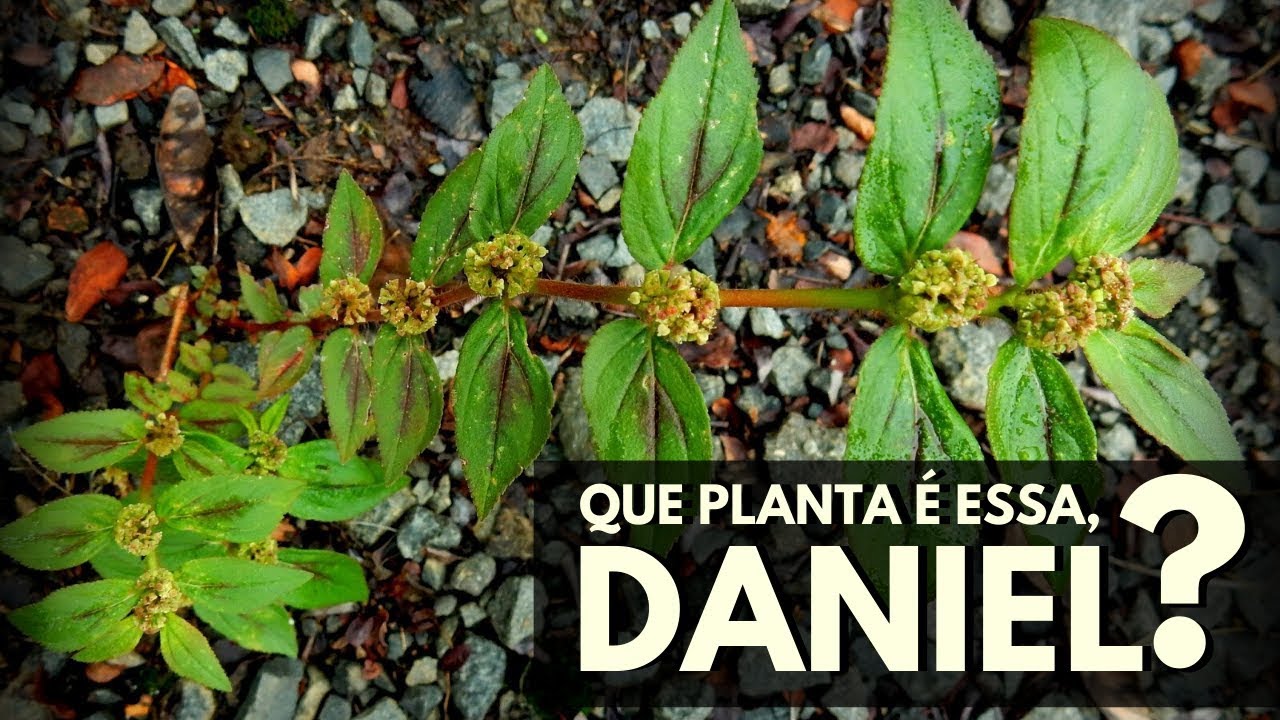
[Music] Today's video is about Santa Luzia herb, this little plant that loves to grow in gaps in sidewalks and makes many people angry because it is so difficult to pull up, but despite being considered a weed, it is also used as a a medicinal plant because it contains many medicinal properties I will talk about all of this later on, first I will present the main characteristics of this plant so that no one has doubts when recognizing it. Santa Luzia herb has the scientific name Euphorbia hirta, it is a plant native to Brazil and several other countries in the Americas. In addition, today this plant is introduced as an invasive plant in various parts of the world.
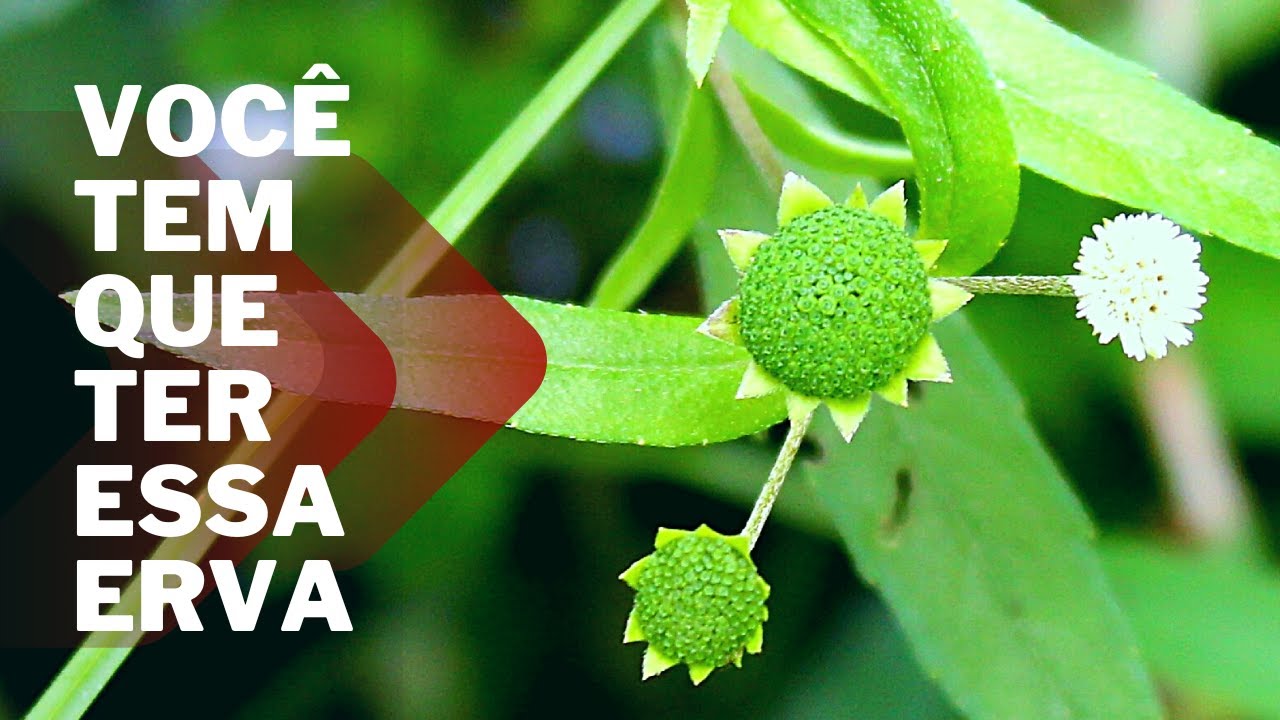
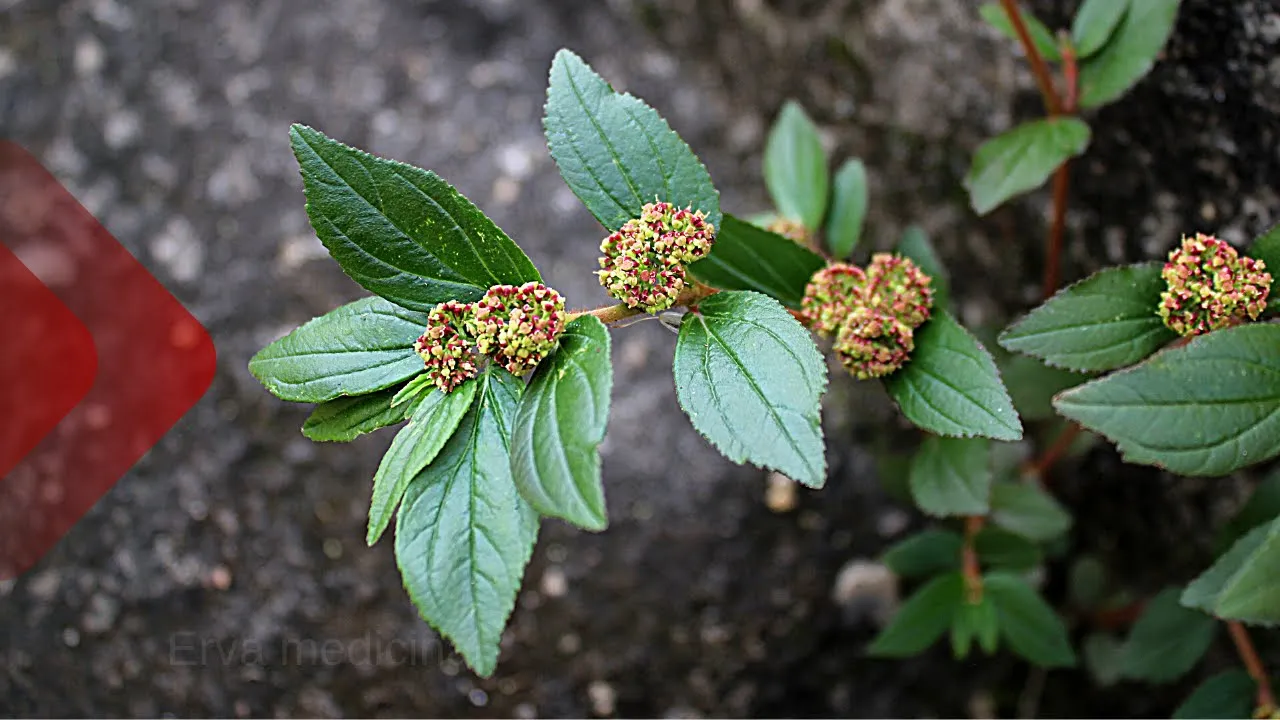
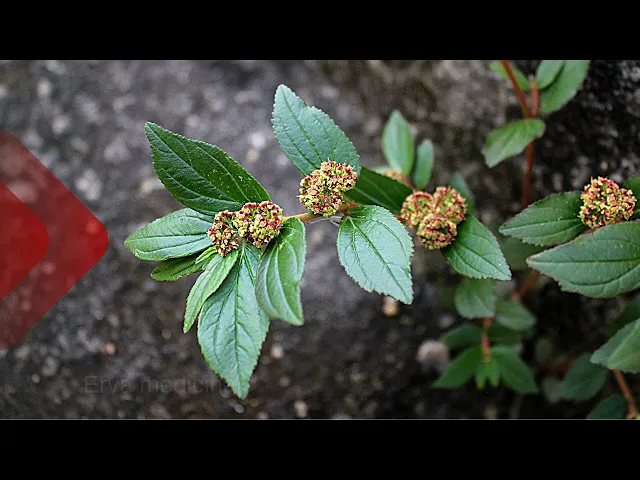
Santa Luzia herb is a ruderal plant, that is, it grows in streets, vacant lots, in the garden and often in gaps in pavements. That's because she's very rustic, tolerant of full sun and nutrient-poor soil. This herb has a reddish stem with hairs and another characteristic is that it almost always has multiple stems its leaf is dark green, has a serrated edge and is a little rough due to the hairs they are arranged opposite to each other the whole plant exudes white and milky latex when it is damaged and its inflorescence occurs in a glomerulus that gathers tiny flowers that give it a globular appearance.
It is important to note that the inflorescence occurs at various points on the branch. So the set of these characteristics is enough for the correct identification of this plant. Now I'm going to talk about the benefits of Santa Luzia herb.
According to ethnobotanical records , this plant is used in popular medicine in the form of tea and compresses to help fight bronchitis, asthma and other respiratory problems, fever, dengue fever, malaria, boils, warts, intestinal worms, skin problems, kidney stones, different uses, among other uses in studies, the plant extracts showed many important activities, including antioxidant, anti-inflammatory, antibacterial and antifungal, antiretroviral, antimalarial, antiallergic, antispasmodic, analgesic, sedative, antidepressant, antidiabetic, hypoglycemic, diuretic, activity that increases breast milk and antifertility activity, that is, in continuous use this plant can cause infertility. But while toxicity? this is a doubt that many people have, is Santa Luzia herb toxic and safe for consumption?
I found two studies that evaluated the toxicity of this plant, one of them, in Malaysia, where this plant is also widely used as a medicinal plant, acute toxicity studies were performed with extracts from various parts of the plant and administered to rats. The researchers concluded that the roots and flowers showed toxic values, while the leaf extract proved to be safe for human consumption. Another study, this time carried out in Africa, at the University of Ouaga, researchers evaluated extracts made with the whole plant and concluded that the aqueous extract is practically non-toxic and safe for oral use.
So there are the main characteristics and benefits of Santa Luzia herb. Enjoy and watch the other videos of medicinal plants that are appearing here on the final screen, thank you for watching and until the next video!
![Autor da Própria Saúde - Erva de Santa Luzia [Alergia, febre, diabetes, ansiedade, câncer]](https://img.youtube.com/vi/FEv-kpCMCoI/maxresdefault.jpg)