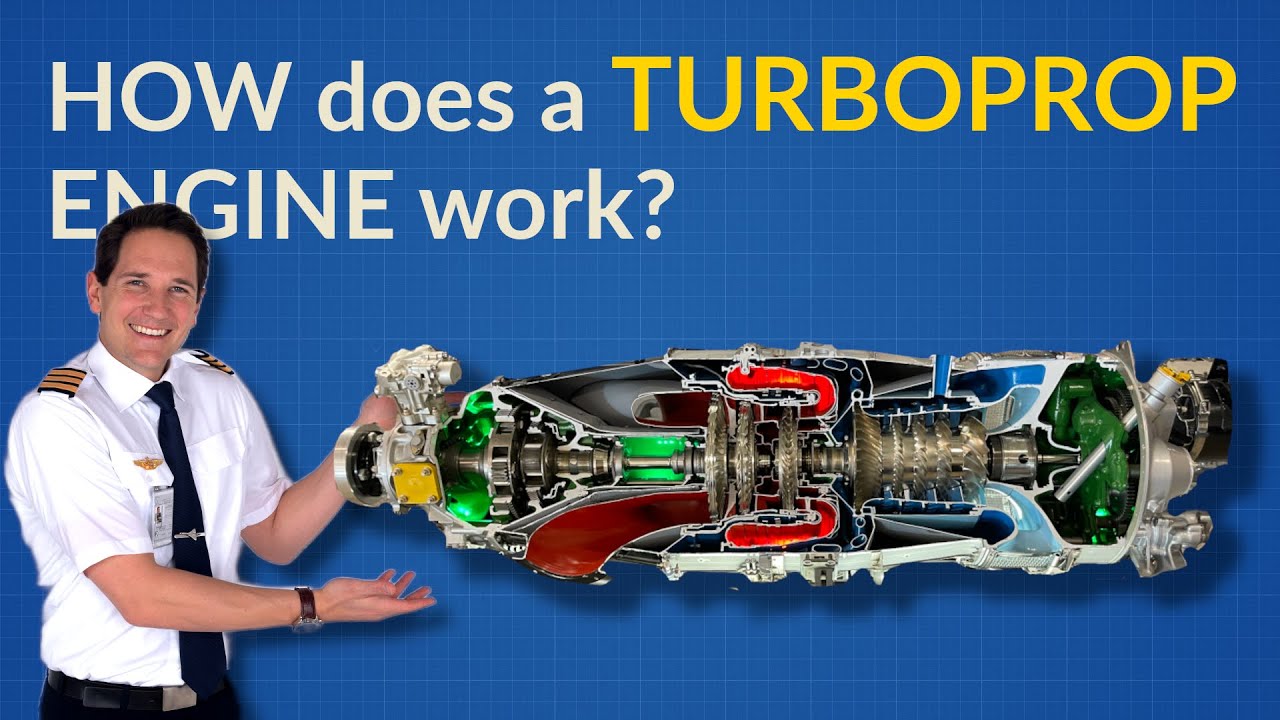
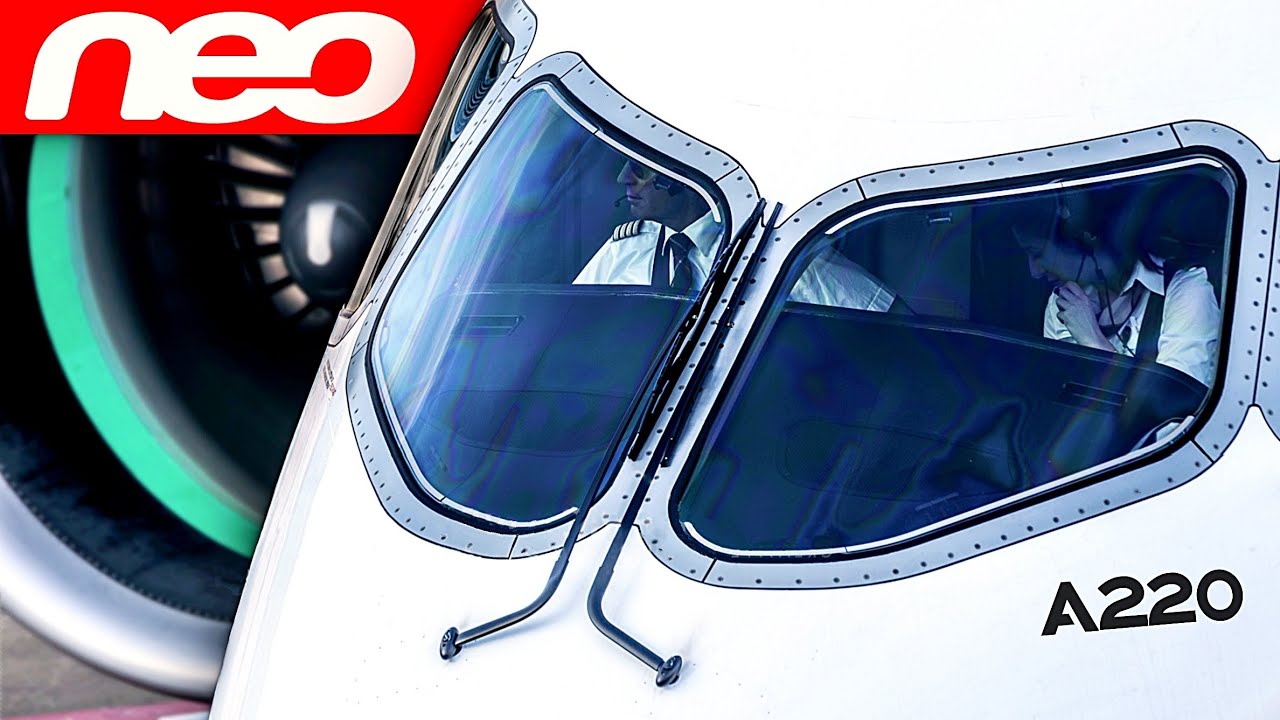
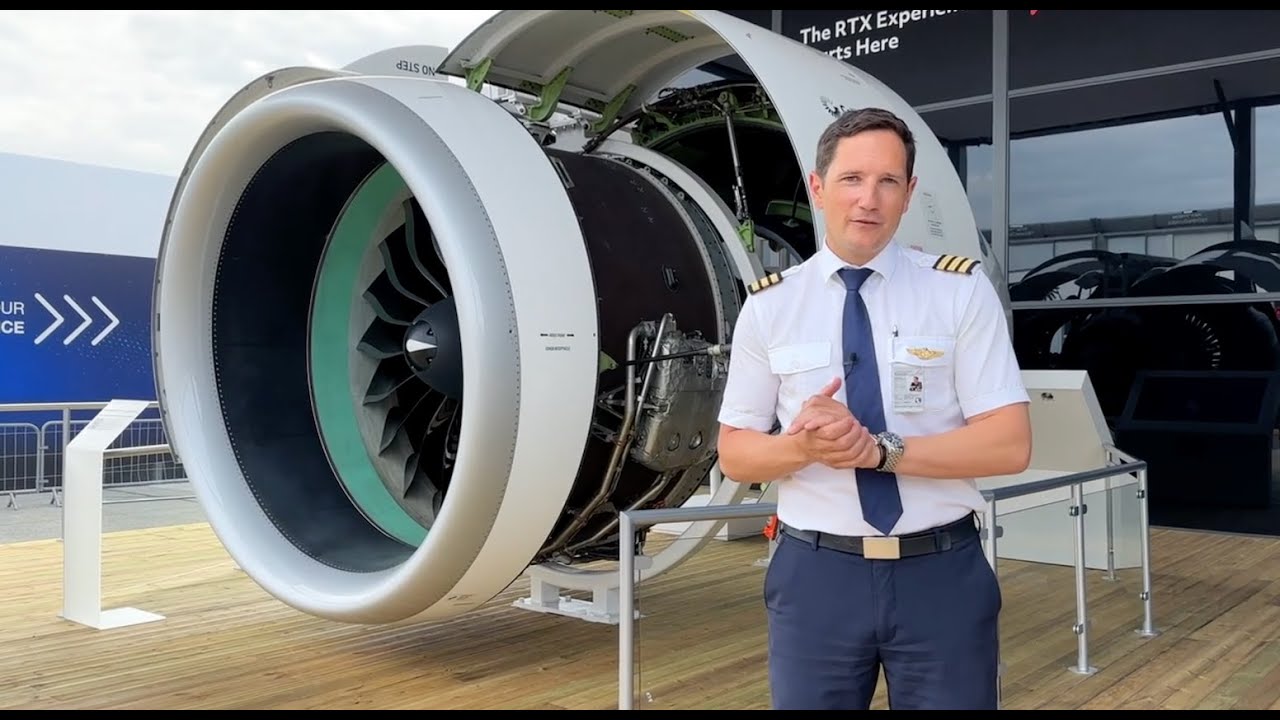
the more efficient and advanced an engine is the more it becomes attractive to aircraft manufacturers engine manufacturer Pratt and Whitney is well aware of this fact and has set the bar high with an engine that is set to tick all the boxes from performance to sustainability and even efficiency it is an engine well set to revolutionize commercial Aviation and cause unease among Rivals one that took Pratt and Whitney two decades and10 billion to perfect so what is this engine all about and will it succeed in dis rting the aviation industry stay tuned Pratt and Whitney's geared turbofan also known as the gtf is a high bypass engine family this engine is a result of a program by Pratt and Whitney that was started in 2008 with the PW 1,200 G being among the flagship engines the engine is in the 14,000 to 33,000 lb force and is meant for single Isle aircraft such as the Airbus a 320 Neo family the Airbus a220 and the andrier eets E2 what makes the geared turbo fan different from the traditional turbo fan engines the main difference is seen in the connection between the engine components in the traditional engines there is a single shaft that connects all components together forcing them to operate at the same speed on the other hand Pratt and Whitney found a way to bypass this kind of connection rather than use a single shaft the geared turbo fan has a gearbox between the fan and the low pressure core with the gearbox every section of of the engine can operate independently at its optimal speed the engine is configured in such a way that the large front fan rotates at a slower rate to facilitate maximum air intake efficiency while the core its compressor and turbine operate at faster speeds to enhance the thrust generation process in short the idea is to introduce three to one reduction gears on the shaft between the fan at the front and the compressors and turbines in the rear therefore enabling every component to turn at the most efficient speed the effectiveness of fitting the gear turbofan with a gearbox can be seen clearly for instance an Airbus a 320 that runs on previous engine Generations consumes up to 20% more fuel than one that is fitted with the geared turbo fan engines this means that it also emits 20% more carbon dioxide per trip than a geared turbofan powered aircraft in other words a geared turbofan powered aircraft saves up to2 5% Fuel and emits 25% less carbon dioxide per seat the geared turbofan engine has also contributed towards saving 1. 7 billion gallons of fuel and reduce carbon emissions by a whopping 17 million metric tons it is possible to see this effect by comparing an A320 with its competitor the 737 the A320 Neo Burns about 9. 9 lbs per mile this is an impressive record considering that the 737 Burns between 10.
1 and 13. 6 lb per mile depending on the specific variant in a move that further positions the geared turbo fan more competitively in the aviation industry Pratt and Whitney has already successfully tested an update to the engine with 100% sustainable aviation fuel this update is known as the geared turbofan advantage and the successful test is expected to further enhance the performance and sustainability levels of the engine speaking about this achiev Chief sustainability officer at pratton Whitney Graham web said operation on 100% sustainable aviation fuel is a key component of the industry's commitment to Net Zero carbon emissions by 2050 and the completion of these tests get us closer to that goal Airlines will be happy to know that the use of 100% sustainable aviation fuel will not require any form of modification to the engine thus making the crossover to this kind of fuel less costly also with passengers craving for better cabin experience geared turbo fan powerered aircraft are the best to help Airlines deliver just that with a 75% smaller noise footprint this engine is the best bet for Airlines operating single aisle fleets as it guarantees better traveling experience for passengers for many years single Isle aircraft have been known to cover shorter ranges probably up to 5 hours the reason behind this was mainly fuel consumption which greatly impacted the range that these aircraft can cover however with the geared Turbo fan all this is about to change with reduced fuel consumption this means that Airlines can easily use single aisle aircraft fitted with the geared turbofan on transatlantic flights something that was initially a reserve for larger aircraft that burned up to 20% more fuel Pratt and Whitney confirmed this after sending teams of its employees on a tour from Connecticut to too France in an Airbus A320 Neo this flight is minute shy of 8 hours assuming an average flight speed of 500 m hour without an ounce of doubt the geared turbofan engine is poised to alter the Dynamics of transatlantic flights with more Airlines set to start deploying single aisle aircraft on these routes already the likes of JetBlue and Hawaiian Airlines have already started these kinds of flights and with time more are expected to jump into the bandwagon with all these upsides favoring the engine the aviation Market also seems to be leaning more toward it this can be seen in some of the recent air shows where clients have placed orders for the geared turbofan a typical case is that of the Singapore Air Show where the company closed deals with Sabu Pacific air jetsmart and Via jet air in addition to that the company reached a business agreement with jetsmart for a support package that would see it become the Chief Inspector of geared turbofan engines within the airline however it has not always been Rosy for Pratt and Whitney with the geared turoa it all started in 2023 when the engine manufacturer discovered that the geared turbo fan engines manufactured between the fourth quarter of 2015 and the third quarter of 2021 contained a contaminated powdered metal that had the potential to interfere with engine functionality specifically the contaminated metal was found to be the main culprit of cracking in the stage one and stage two discs in the high-press turbine initially the company attempted to downplay the issue claiming that all was fine and that they would need to just do the checks at regularly scheduled maintenance visits how however Pratt and Whitney seem to have had a change of tune in mid-september the company said that 200 engines would need to be pulled out of service and inspected before their scheduled regular maintenance this was taken to mean that the cracking could culminate in problematic results before regular maintenance checks beyond that number Pratt and Whitney announced that another 1,000 engines would need to go through inspections more news would follow on September 11th there would be an additional 600 to 700 shop visits required for inspections running between 2023 and 2026 to put it into perspective it is expected that on average there will be 350 grounded airplanes through 2026 this means that one-third of Jets running on these power plants are sitting idle this issue has come at a costly expense for pratton Whitney its parent company RTX has been charged 5.