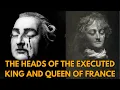
One of the most shocking moments in History saw the French King Louis XVI being executed on the guillotine in the centre of Paris. The executioner who performed the job to take off the Kings head during the French Revolution would ensure that his head was taken off cleanly, but then the question came as to what to do with the king’s wife, the Queen Marie Antoinette. She was left a widow, and was imprisoned in tough conditions inside of a Paris prison until she was brought to trial and was accused of a huge range of scandalous offences.
But on the same guillotine in the same place as her husband had been executed on months before, the Queen’s head was taken off. It was a time of great fear in France, and the executions of the King and Queen showed the anger that the population had. But in this video we’re going to be looking at the work of one woman who held the heads of the King and Queen after they had been cut off.
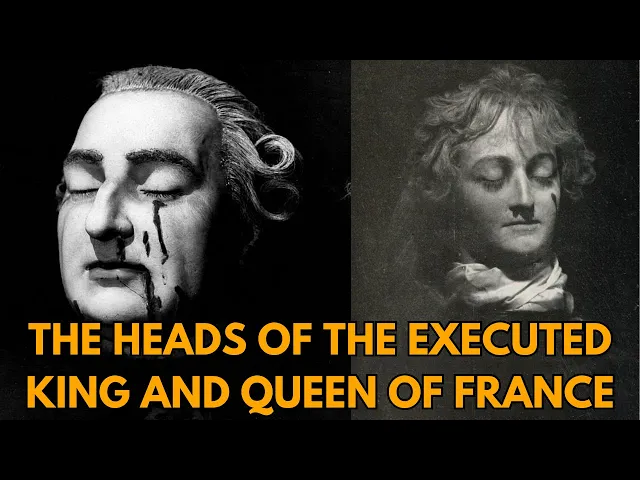
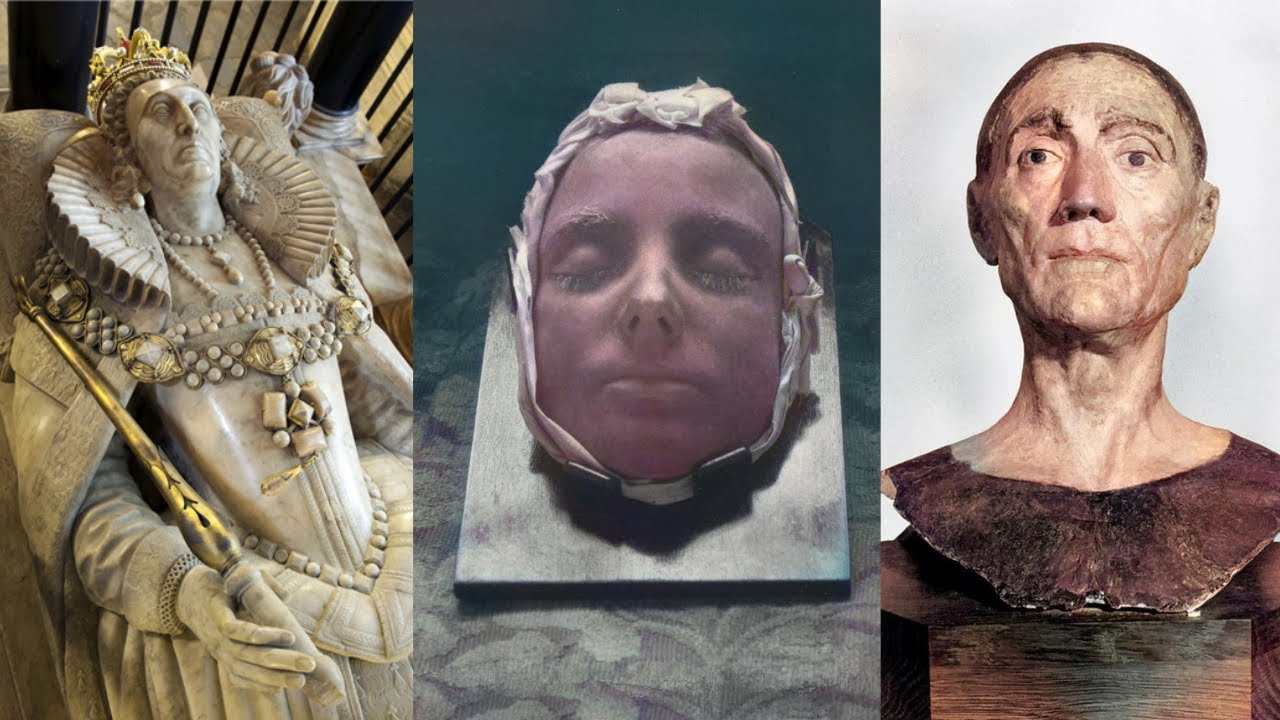
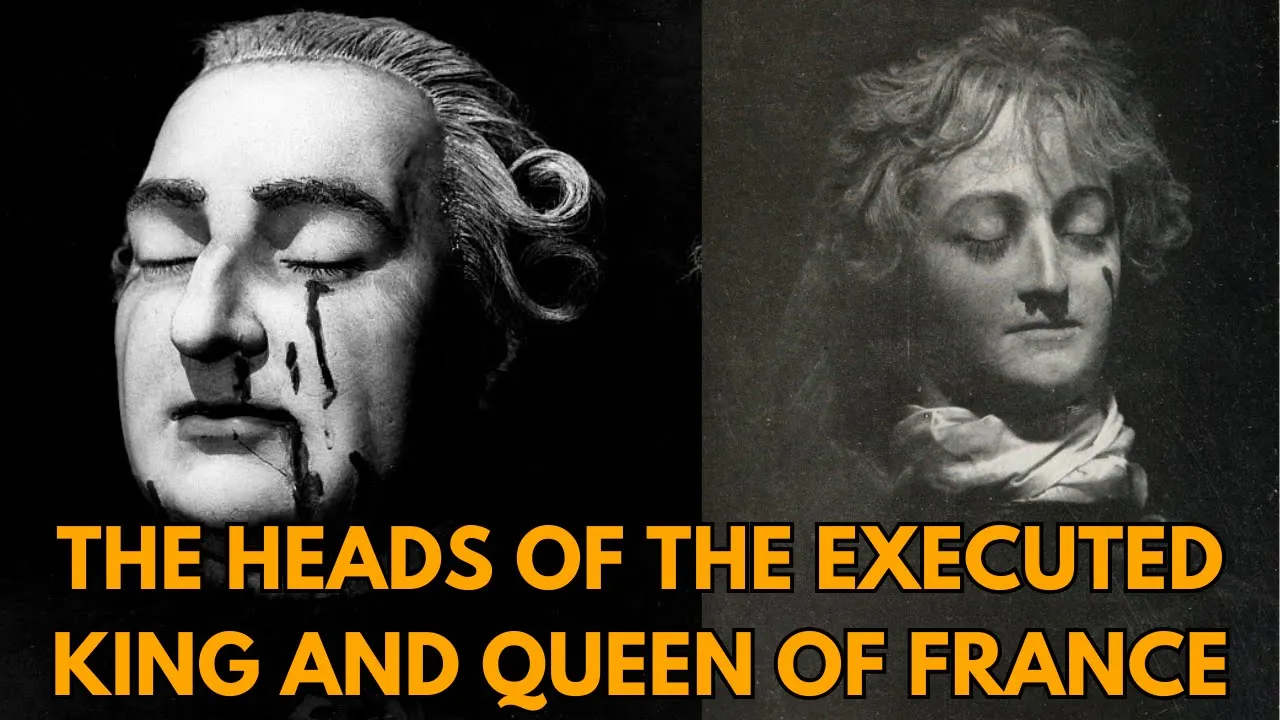
Madame Tussaud is known today for waxworks, but she would following the executions take the heads of the King and Queen and cast masks of their executed heads. This is the heads of the Executed French King and Queen. On the 16th October 1793 inside of Paris, Marie Antoinette the Queen of France was executed on the guillotine.
Months before her husband King Louis XVI had also met the same fate and he had been executed on the same device of death. But to many across France, Marie Antoinette was a figure of loathing and she was a woman who would whilst people were suffering rub their poverty in their faces but living a very indulgent lifestyle. But the death of Marie Antoinette was a shocking one, but what happened to her head following the execution?
Inside of the Conciergerie, Marie Antoinette’s fall from grace was huge. He was held inside of a prison, and the final 11 weeks of her life were sent inside of this cell. She was a woman who was Austrian, and an Austrian Princess and but in the years before her death she embraced great frivolity of the French royal court.
She would become Queen four years after coming to France, and she was 18 and was frustrated by the face her husband had opposite tastes. But Marie would at court spend her time gambling, partying and buying lavish gifts and items, and she became known as ‘Madame Deficit. ’ But she did have a good heart, and she would adopt some poor children, but despite having a soft heart she was considered a scapegoat for the problems across the nation.
Millions of people were suffering and the Diamond Necklace Affair made things worse. A countess tricked a cardinal into buying a hugely expensive necklace on the Queens’ behalf, and many believed Marie tried to get her hands on the necklace without paying for it, and this ruined her reputation. But the the French revolution would come, and the French rose up storming the Bastille and taking up arms and they would riot inside of many major cities over the price of bread, and they would march to the gates of Versailles.
The royal couple wouldn’t be officially arrested until June 1791 when they tried to flee to Austria controlled Netherlands. The royal family were held in the Temple and France declared a republic. This was an end to the monarchy which had ruled for almost 1000 years in the country, but in January 1793 King Louis XVI was sentenced to death for treason against the state and the French people.
HE was allowed to spend some time with his family before he was executed in front of a huge crowd in Paris. But Marie Antoinette following her husband’s death was left in prison, and she would be transferred to the Conciergerie months before her death which became known as ‘the antechamber to the guillotine,’ and she would held for 2 months before she was placed on trial. He was 37 years old, and her hair was white and her skin was pale.
She was subjected to a 36 hour trial, with 18 hour days. But huge accusations including incest were levelled against the Queen, and Marie would deny these however these accusations shocked the court room. She was graceful in court, but it did not save her from the executioner’s block.
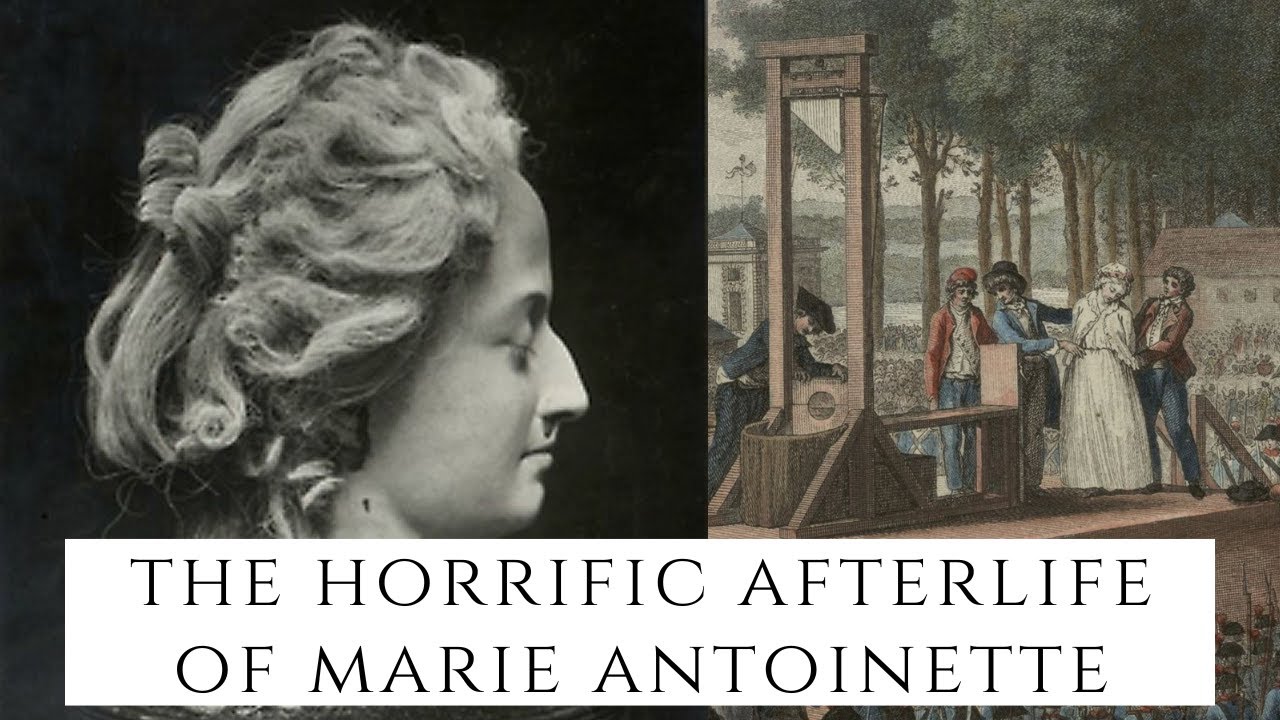
In the hours of the 16th October 1793 she was found guilty of high treason, depletion of the national treasury and conspiracy against the security of the state. Shortly before her execution at the Place de la Revolution, most of the Queen’s white hair was cut off. At 12:15pm she walked onto the scaffold to greet Charles Henri Samson, her executioner who had also took the life and head of her husband the King months before.
He was in a black mask, and he probably never believed that he would have executed the Queen of France who was his former employer. Marie was dressed in white, and she accidentally stepped on the executioner’s foot, and she whispered to him ‘Pardon me sir I did not mean to,’ and this was her final words. Quickly Sandom strapped her to the wooden board, and slid Marie under the blade before he released it.
Her head was taken off in one quick blow. Sanson then held up her head and declared ‘Viva la Republique. ’ But following her execution, Marie Antoinette’s remains were taken around half a mile north and they were taken to the graveyard behind the Church of Madeleine.
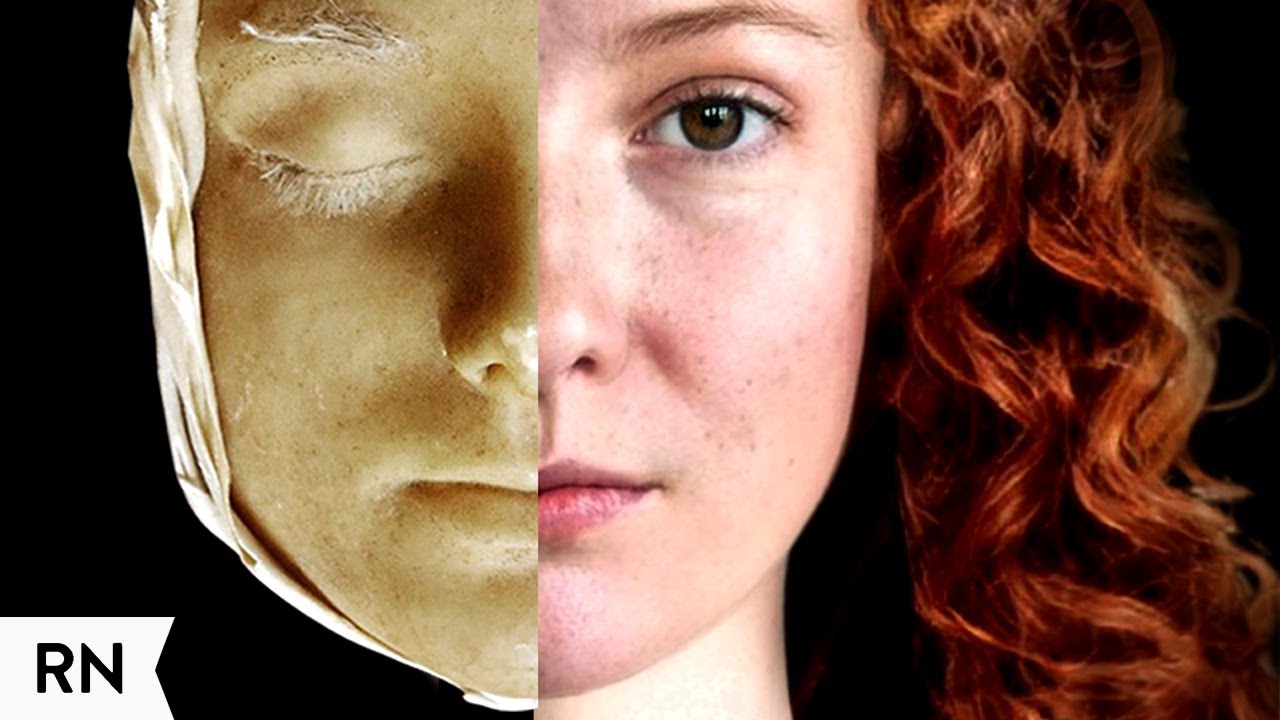
However at the time the gravediggers who had been burying many victims of the guillotine were taking a lunch break, and whilst the Queen’s remains were about to be interred this allowed Madame Tussaud to then sneak in and take a plaster death mask and cast of her head. Following this her body was then thrown into an unmarked grave, and this particular cemetery would be filled the following year by enemies of the revolution. Marie Antoinette then had her head it’s believed also thrown inside of the unmarked grave.
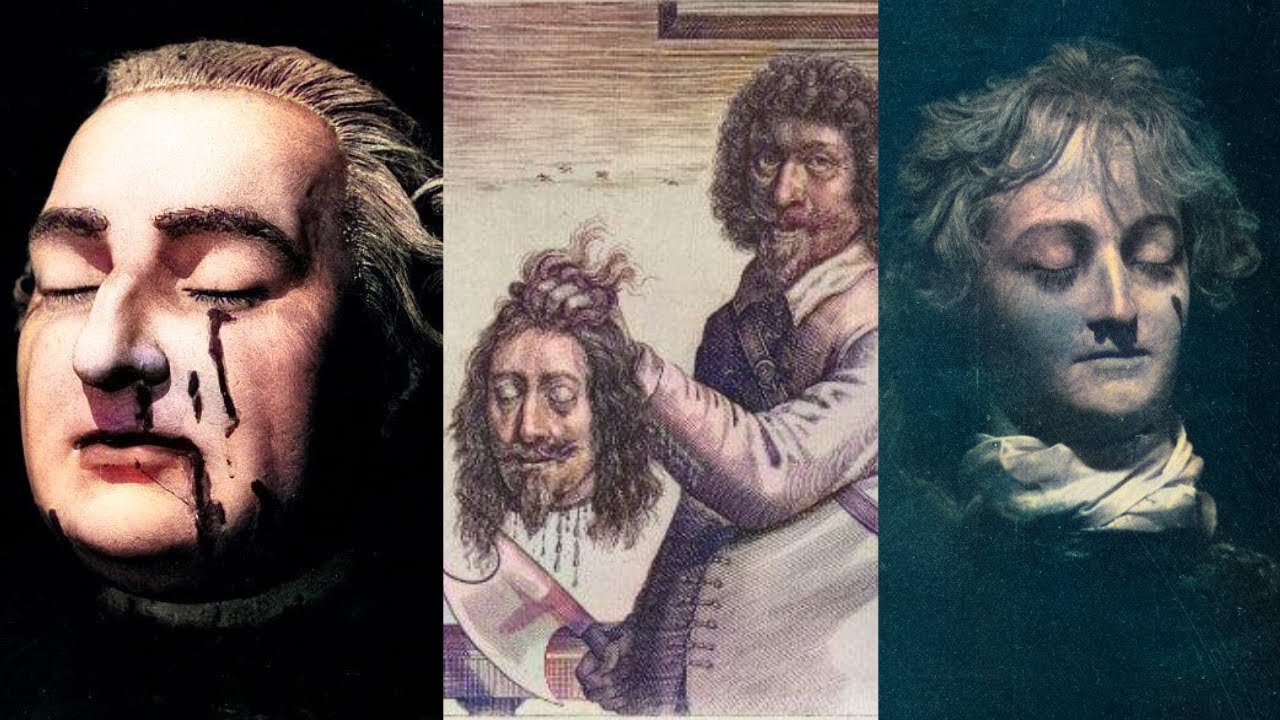
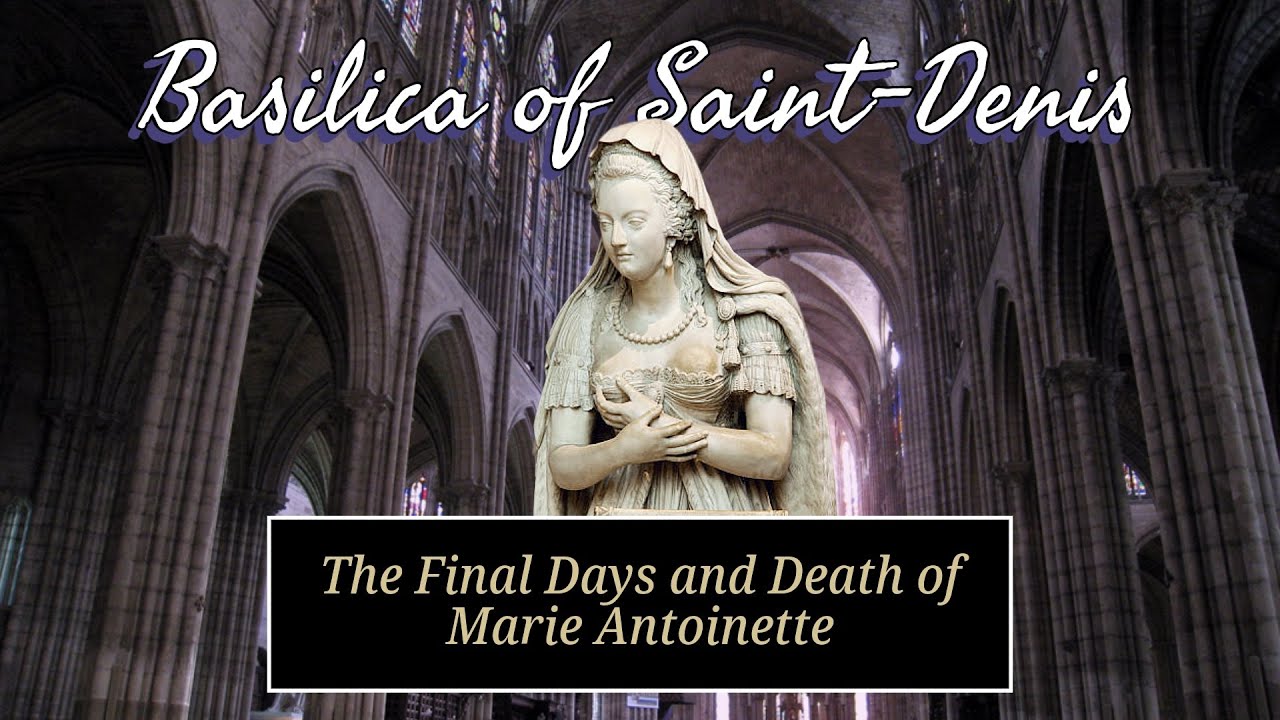
But we know that Marie’s body was exhumed on the 18th January 1815, and then they were given Christian burials of the royal remains in the necropolis of the French Kings at the Basilica of St Denis. But from her death mask, Marie Antoinette would be brought back to life by Madame Tussaud who utilised the plaster cast to make a model of her head and it would show the French Queen with short hair and with her eyes closed, with her lips also pursed together with marks on her face. This is the closest we have of the Queen of Frances’ head and what it looked like following execution.
Marie Antoinette to many people was a symbol of what was wrong with the old regime and with the monarch of France. It was a royal family that placed further financial problems onto the nation, and Marie was used as a scapegoat for this. She was a woman who had a taste for dine things,a nd she spent huge amounts of money on renovating royal palaces with the best furniture from across Europe.
But she would brutally lose her head on the guillotine like thousands of other people and her husband would during the French Revolution. Those who witnessed her execution would not forget the moment they saw the French Queen lose her head. The French Revolution was a pivotal moment in History as the civilian population around the country rose up and sought to abolish their monarchy.
No-one would have anticipated the bloodshed that occurred after as the Reign of terror emerged across France, with around 17,000 people being led to the guillotine inside of different cities and towns. Dozens a day were being executed as figures such as Robespierre wanted to stamp out every piece of monarchist sympathy as they could. But this was in the aftermath of the execution of the French King Louis XVI, and he was a king who was not perfect and he attracted a huge amount of hatred and criticism from his subjects.
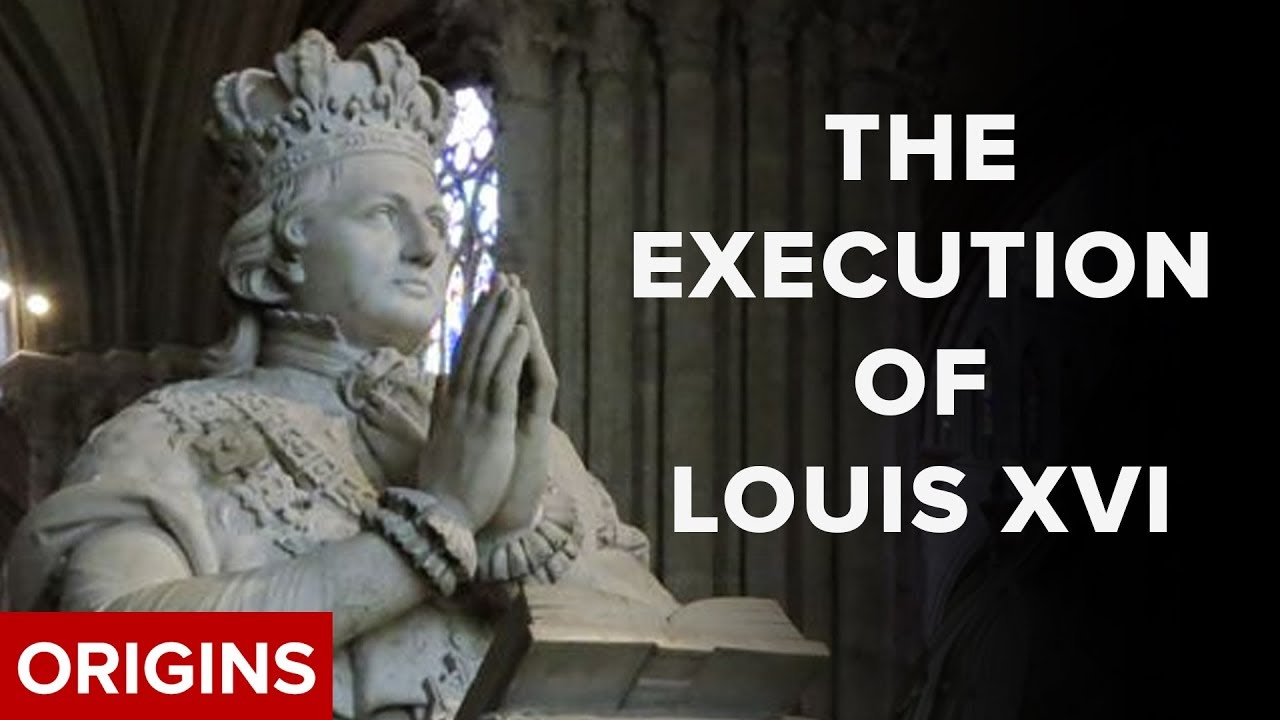
But Louis XVI would be led to the guillotine himself where an executioner took his head clean off. But following his death, a mould of his head would be cast and this was done by the infamous Madame Tussaud, and it shows a rather haunting image of the King in his final moments. King Louis XVI was the last king of France and along with his wife Marie Antoinette the Queen, the royal couple attracted a huge degree of criticism.
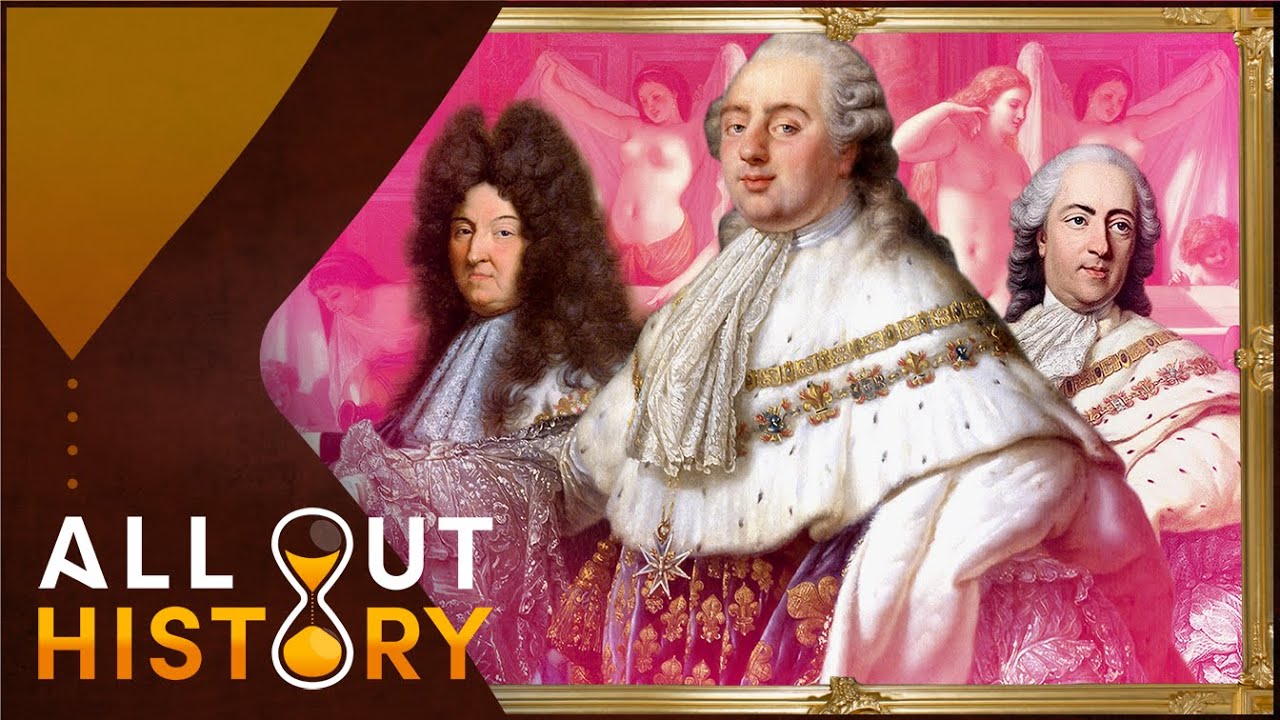
Whilst the French people were starving due to the rising prices of bread, the monarchy were spending lavish sums of money on furniture, parties and they were gambling away huge amounts of the treasury. Because of the anger, revolution broke out with key events such as the Storming of the Bastille destabilising the monarchy and eventually, the King and Queen and royal family were taken into custody. There had been conversations across Europe regarding saving them, but the increasing tensions towards them saw the King brought to trial.
He was forced to abolish the monarchy and France became a republic. Louis was himself brought to trial, and he was brought from the temple prison to stand before the National Convention. He was accused of high treason and crimes against the state, and on the 15th January 1793 721 deputies and members of the convention voted on what to do with him.
693 declared that he was guilty, but the men then had to decide what to do with the King. 361 of them voted for execution, and Louis XVI was condemned to death by one single vote. The immediate execution of the king was then arranged and this would the final decision.
His execution took place on the 21st January 1793. On that day Louis woke early in the morning. His valet helped him dress and he then visited an Irish priest to make his confession.
He would hear his last mass and receive communion, but Louis was advised to not see his family as it would be too tough. HE then confided his final wishes to the priest, that the royal seal was to go to the Dauphin and that his wife and Queen should receive his wedding ring. Following the blessing he went to meet the commander of the guard.
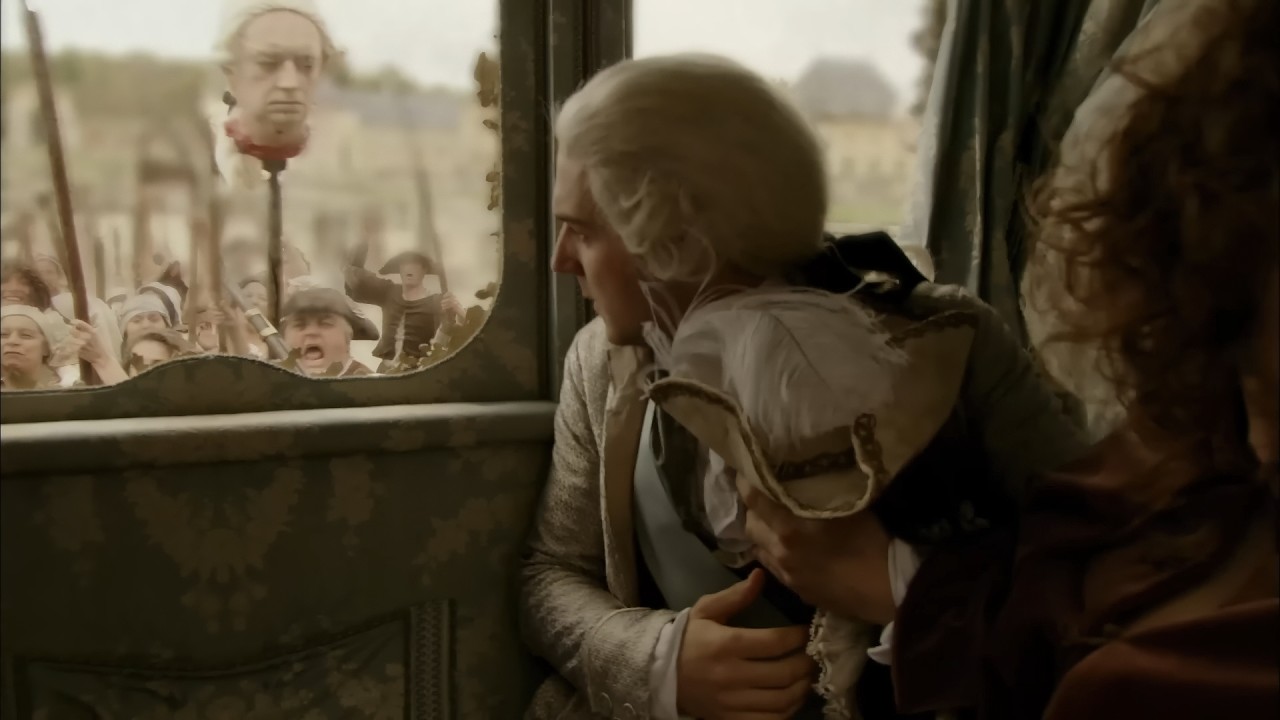
In the second court, a green carriage was waiting for him and he then sat in it along with the priest and two guards who sat opposite. The carriage then left the temple at 9am, and for over an hour the carriage which was led by drummers would process to the place of execution. The drummers played to drown out the sound of any support, and the route to the guillotine was lined by 80,000 soldiers of the National Guard.
They were also escorted by cavalry soldiers with their sabres drawn. One supporter of the royal family had gathered a force of 300 men in the neighbourhood of Rue De Clery, however he was then discouraged as the men changed their support. At 10 o clock, the carriage carrying the King emerged at the Place de la revolution and went towards an area where the scaffold had been erected and where the guillotine was sat upon.
The guillotine as a device was created to execute people as quickly as possible and the King would give his approval to this the years before, but he would never have imagined that his royal patronage would lead to him losing his head on the device. In the square were many guards who surrounded the scaffold with guns and a crowd carrying pikes and bayonets were also found. His confessor wrote of the journey, ‘The path leading to the scaffold was extremely rough and difficult to pass; the King was obliged to lean on my arm, and from the slowness with which he proceeded, I feared for a moment that his courage might fail; but what was my astonishment, when arrived at the last step, I felt that he suddenly let go my arm, and I saw him cross with a firm foot the breadth of the whole scaffold; silence, by his look alone, fifteen or twenty drums that were placed opposite to me; and in a voice so loud, that it must have been heard at the Pont Tournant, I heard him pronounce distinctly these memorable words: "I die innocent of all the crimes laid to my charge; I Pardon those who have occasioned my death; and I pray to God that the blood you are going to shed may never be visited on France.
’ Louis XVI then disembarked his carriage and coach, and he was then approached by the Executioner Charles Henri Sanson who would perform the job. He would to begin with not allow the executioner and his assistants to bind his hands together and tie them, but he would then give over when Sanson suggested using a handkerchief rather than rope. The executioner’s men then quickly cut his hair and removed the collar of his shirt, to ensure that nothing got snagged in the blade of the guillotine that would prevent a clean cut.
He was then led up the scaffold. Whilst on it, he shouted to the crowd and proclaimed that he was innocent, but then a drum roll was ordered to drown out the final sentences and to send him towards his death. The executioners then fastened the King to the guillotines bench, and they then positioned this beneath the devices to hold it into place.
Then rather rapidly the blade was released and the King’s head was taken off. One eyewitness stated that the blade did not severe the neck, but due to a misalignment, the blade went straight through the back of his skull and into his jaw. But then Sanson grabbed the severed head from the basket which it fell into and he showed it to the crowd as the people rushed forward to dip their handkerchiefs in the blood of the deceased former King.
The executioner would later state of the execution, ‘Arriving at the foot of the guillotine, Louis XVI looked for a moment at the instruments of his execution and asked Sanson why the drums had stopped beating. He came forward to speak, but there were shouts to the executioners to get on with their work. As he was strapped down, he exclaimed "My people, I die innocent!
" Then, turning towards his executioners, Louis XVI declared "Gentlemen, I am innocent of everything of which I am accused. I hope that my blood may cement the good fortune of the French. " The blade fell.
It was 10:22 am. One of the assistants of Sanson showed the head of Louis XVI to the people, whereupon a huge cry of "Vive la Nation! Vive la République!
" arose and an artillery salute rang out which reached the ears of the imprisoned Royal family. ’ Another witness would state, ‘Here are some unknown details. The executioners numbered four; two only performed the execution; the third stayed at the foot of the ladder, and the fourth was on the wagon which was to convey the King's body to the Madeleine Cemetery and which was waiting a few feet from the scaffold.
The executioners wore breeches, coats in the French style as the Revolution had modified it, and three-cornered hats with enormous tri-colour cockades. They executed the King with their hats on, and it was without taking his hat off that Samson, seizing by the hair the severed head of Louis XVI. , showed it to the people, and for a few moments let the blood from it trickle upon the scaffold.
But then after the execution at some point Marie Tussaud or Madam Tussaud was then employed to make a death mask or whole body cast of the executed King Louis XVI. She would also do the same for Marie Antoinette and other prominent French politicians, and she would have done this before his body was interred. This is interesting as the King’s remains were immediately transported the the Church of the Madeleine as he was not allowed to be buried alongside his father.
He was buried in a sense as a commoner, but at some point Madam Tussaud would have had her hands on the head of the dead King. This would have been done possibly whilst he was still on the scaffold in the seconds after, or inside of the cart when his remains were taken to the church. With Marie Antoinette she would have to sneak in the graveyard to do this.
But the Head crafted of King Louis XVI would show him in his final seconds and the countenance of the King following the blade falling. It was said of his burial, ‘Arriving at the cemetery, I called for silence. A detachment of Gendarmes showed us the body.
It was clothed in a white vest and grey silk breeches with matching stockings. We chanted Vespers and the service for the dead. In pursuance of an executive order, the body lying in its open coffin was thrown onto a bed of quicklime at the bottom of the pit and covered by one of earth, the whole being firmly and thoroughly tamped down.
Louis XVI's head was placed at his feet. But King Louis XVI’s death was a momentous moment in history as it signalled the intent of the French Revolution. His wife would also lose her head on the guillotine, but thousands more would who supported the monarchy.
It was a brutal time across the land, and those who would witness executions would see the streets of cities and towns running red with the blood of the victims. Thanks for watching To support please make sure to subscribe.