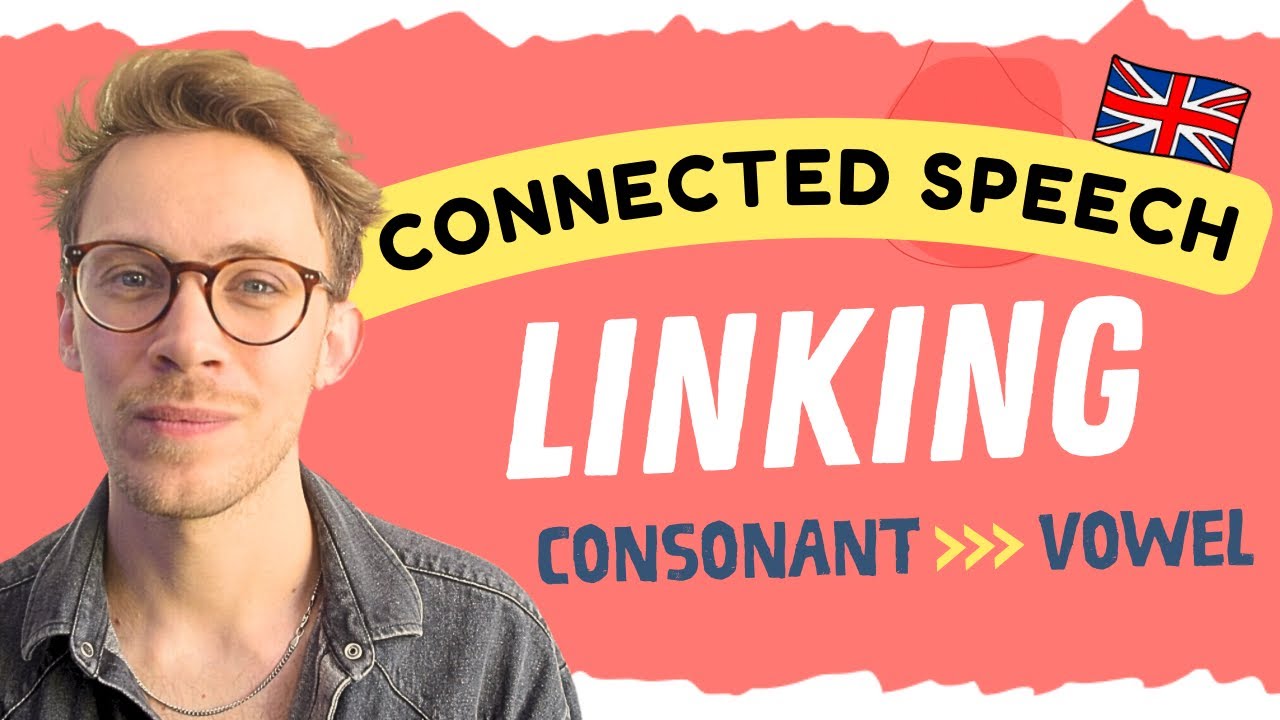
hello everybody this is Elliot from etj English how are you all doing today great to see you again now today's English lesson is a little bit more about the way we speak okay I want us to sound as much like a native as we possibly can and now myself being a native English teacher and also specializing in the way we speak I think that I should be able to help you with some of these tips today okay so what we're talking about is connected speech and this connected speech this is just the basics but it's
still an advanced lesson okay so with connected speech you don't really want to learn this until you know you're pretty good at conversational English now a lot of speakers they sound a bit like robots when they speak and that's fine you know that's because you haven't learned how to connect your English yet to sound more like a native and what I'm going to do is teach you the basics of this to sound more like a native when we're asking very common questions or answering very common questions in daily life okay so this is just the
part one I'm going to be creating um some future lessons about connected speech and it's going to get a little bit more difficult so let's learn the basics right now about connected speech so first of all I want to tell you that we're not going to sound like the queen okay I don't teach that I don't teach Posh English I teach what I like to call normal English the type of English you would hear let's say 80% to 90% of the time that you're here now I have a more southern accent people in the north
will sound very different to me but we all do use this schah sound I've talked about the schwar sound in a previous lesson and now I'm going to be talking about how we use it to connect our speech so I'd like to ask you a quick question I think now think about how I say this question question then I'm going to slow it down and then I'm going to teach you how to sound like me what's your name what's your name now did you notice the way that I asked that question it almost became one
word this group of words became almost one word and the reason why we do this is because um if you want you can call us native speakers quite lazy we like to connect our words and let things out quickly when we're talking fast asking normal questions it sounds very normal to us if we connect our words so the word you often becomes y what's your name what's your name what's your name now remember the intonation in this how I'm asking my question as well what's your name okay we need it to sound like a question
ination in questions is something else I'm going to explain in a different video today we're just focusing on this connected speech so just think about how it becomes from what's your name to what's your name now to practice this practice going what's your what's your what's your name and if you can't do that practice going what's your name what's your name what's your name keep going faster okay so let me ask you another question what do you do what do you do so now we've kind of got like a do do you once again the
U becomes awah so is this a common Trend that's starting to happen now yes it is changed the the the U is starting to change it's it's adding awah sound because the schwar is our British sound Americans won't really use this schw they would probably say what's your name or we say what's your name what do you do okay so think about her if you want to sound British the schwar is your friend and you have to learn it let's practice this one what do you do what do you do what do you do okay
what do you do and the question what do you do if you didn't know it means what do you do for a living do you work do you go to uh school do you study and it's a very very very common small talk question that we'd be asked maybe at the start of a conversation when we meet somebody so let's just go through a few more really quickly notice the schwar sound notice how I make this sound and let's see if you can do it it too practice with me where do you live where do
you live where do you live where do you live why'd you do that why' you do that why' you do that why' you do that or we could say why did you do that there's a lot of D why did you do that you know there's a lot of D's so let's probably stick with the why' you do that so it almost is like a j j why' you do that why'd you do that you see so we can play around with this um but these are the kind of basics of it and you'll pick
up most of this okay you will pick up most of this if you watch TV if you listen to the news if you listen to people speaking English okay because it's so common this kind of you becoming awah and that's the basics of what I'm teaching today we will move on to the more advanced stuff in the future this is just the beginning I want to talk about one phrase that has way too many T's in it and it's a question what do you want to do today what do you want to do today why
don't we just make it a bit more natural and easier what do you want to do today what do you w to do today what do you want to do today you see how we've linked a lot of different words there added awah in there and it sounds perfect okay it sounds British and that's what we want not what do you want to do today too many you know we want to make that schah we want to make it sound beautiful and British that's that for you if you have already written down these phrases so
you can practice them good if not I recommend you you watch the video again and write down all of these phrases practice using them practice doing it and this will really make your speech sound more briti cuz I know some of you really want to sound British and you really want to improve your ination okay and this is the way to work it if you want to sound more natural when you speak and less like a robot then you want to connect your speech okay so I hope you enjoyed this video guys don't forget if
you want to book a Skype lesson with me just go and go into the description box below and click the link and I can help you improve your English speaking today or if you want to pass the iots exam I can help you with that too thank thank you very much for watching please give me a big thumbs up the more thumbs up we get the more likely I'll do a part two of this connected speech cheers guys thank you very much and I will see you all in the next lesson bye