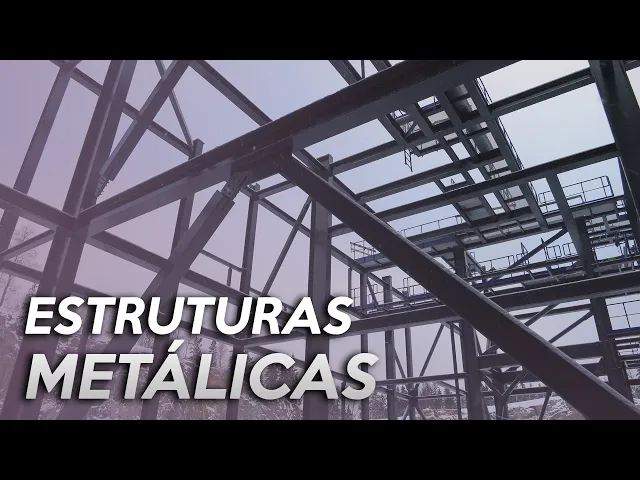
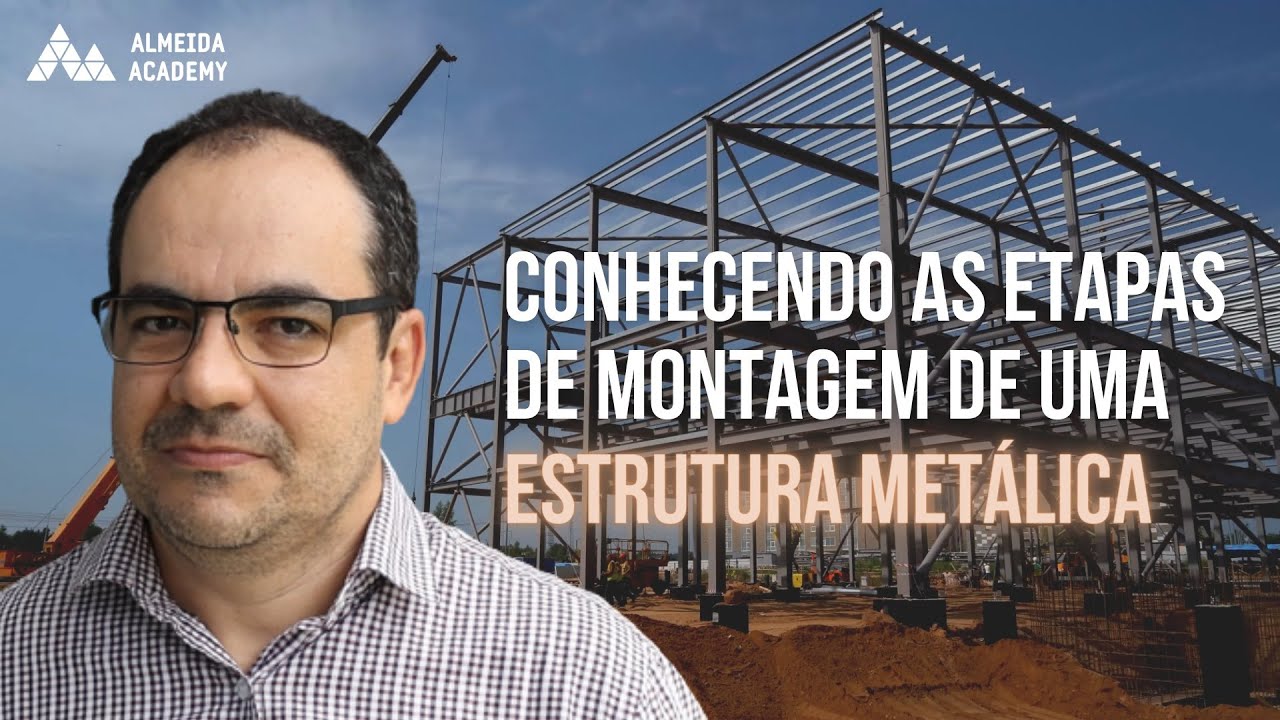
If you want to reduce the cost and execution time of your work, it may be time to think about using metallic structures. What's Up Engineering lovers, my name is Igor Felipe and today we are going to present some reasons why steel is widely used in civil construction and what we need to execute metallic structures. The use of steel in civil construction is an example of innovation that has made great strides.
In conjunction with other compounds, it was possible to build larger spans, taller buildings, slender beams and pillars and much more. But before we move on to this topic, take the opportunity to leave your like and subscribe to the channel if you are not subscribed, closed? Brazil is among the 10 largest steel producers in the world.
There are now 32 plants in Brazil producing steel, Steel has been used in civil construction since the 18th century, but only after the creation of reinforced concrete at the end of the 19th century, did it really enter this sector with full force. This insertion was what allowed the development of taller buildings and more modern works. We have a video on the channel that talks about why we use steel in concrete and I will leave a card at the end of this video.
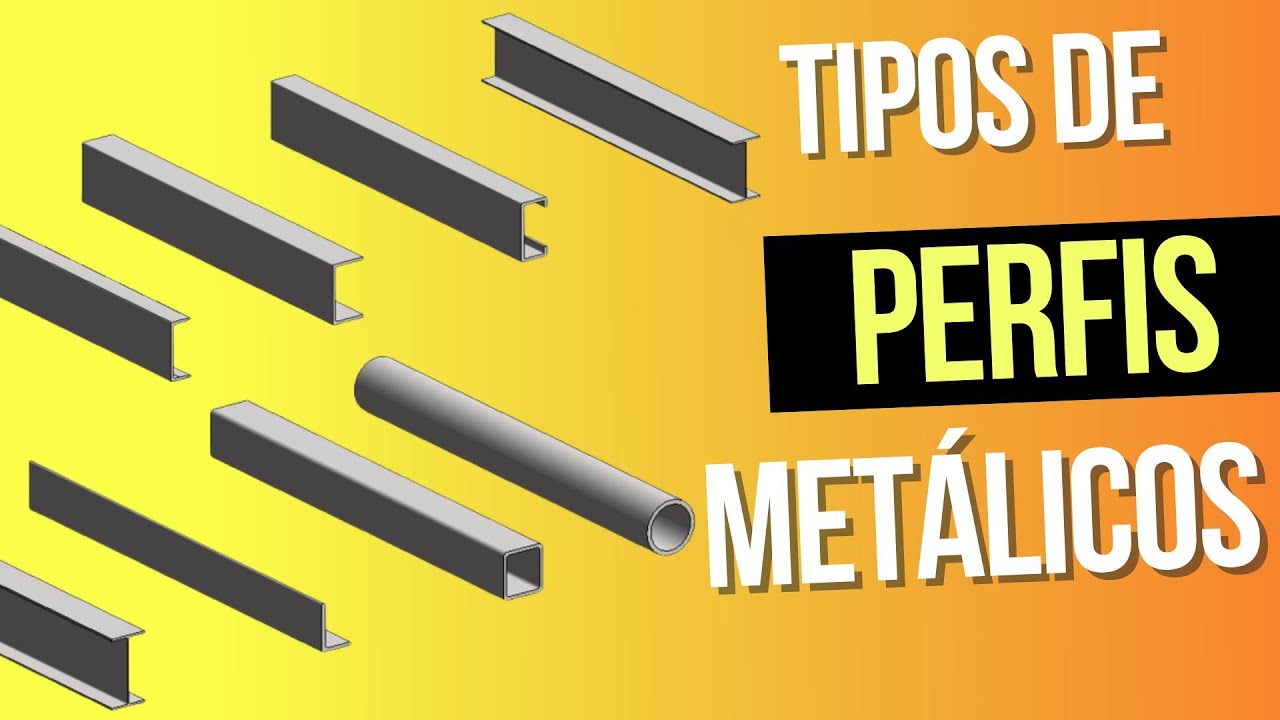
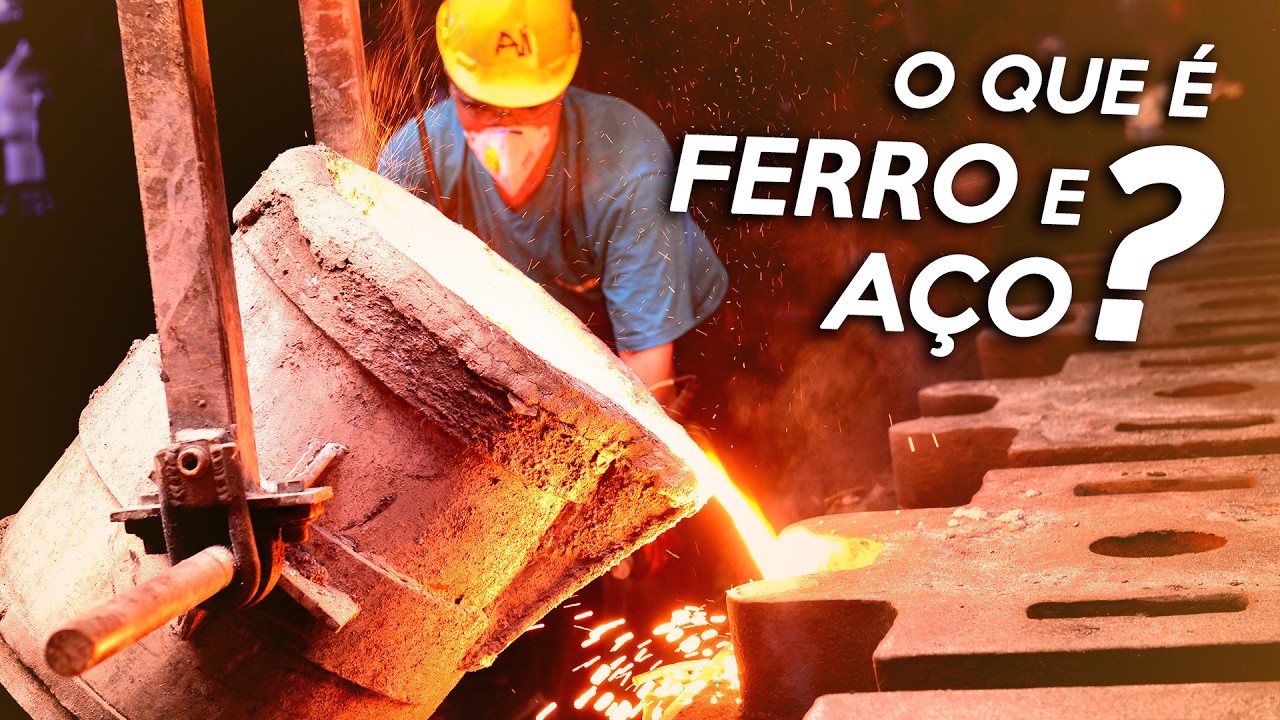
Nowadays, there are several types of steel with very specific properties. But we don't use steel just inside reinforced concrete. This material is also available in several formats in the steel industry, such as plates, tubes, cables, bars, profiles, metal tiles and several others.
Once we improved the steel production processes and controlled its composition, we started to use only steel in the building, giving space to the metallic structures. These structures bring advantages in planning, execution, cost reduction and with a much higher quality. Steel, being a prefabricated and recyclable material, allows a reduction of waste, which generates savings in relation to the other types of inputs used.
The time required to complete the work also decreases, as the parts arrive at the installation site already ready and in the projected sizes. And metallic structures are up to 30% lighter than reinforced concrete. This allows for a reduction in the loads on the structure and on the foundation, since the structure's own weight ends up being less.
And it's not just the weight, but the use of metallic structures allows for an optimization of the space, since the section of columns and beams tend to be smaller than the equivalent in reinforced concrete. The use of steel also makes your work less aggressive to the environment because it is considered a sustainable and recyclable material. But the metal structures require a good planning of works so that you can effectively enjoy all its benefits.
For that, I raised here some points that you should take into account in your work, for the use of metallic structures. The first point to be taken into account is the structural behavior. It is a diagnosis of the efforts that your structure will be submitted to after it is finished.
All buildings must withstand wind loads, own weight, overloads, thermal effects and a series of internal and external efforts that must be considered. Raising all possible loads of the structure is of utmost importance so that we can analyze it as a whole. The second point is the type of material.
Steels have nomenclature that differentiates them in relation to their properties and characteristics. We can see this difference in reinforced concrete, where we usually use CA-50 and CA-60 steel within its composition. These types of steel used in concrete have different characteristics and the choice of material type is very important for calculation purposes.
As in reinforced concrete, metallic structures also have different materials with different values and characteristics, such as ASTM-A36 and SAE-1020 steels. Having defined the type of material to be used, we proceed to the calculation of efforts and analysis of the structure. Using programs, we can create three-dimensional models of the structure like this.
Here you can upload all loads, dimensions of structures, type of material, size of profiles, and several other factors. Finally, it carries out the analysis of the structure to find out if it supports the parameters raised and can make adjustments if any characteristic deviates from the expected. From this calculation and analysis, the engineer defines the types of metal profiles according to commercial standards and also the necessary welds and screws, as well as several other parameters.
There is another point that is also taken into account, which is the degree of aggressiveness. Its construction needs to resist long-term environmental influences. However, each type of environment has a certain degree of aggressiveness.
A well-known example is the salt air in coastal areas, which easily destroys steel if it does not have good protection. Therefore, there are several types of steel and coatings resistant to oxidation, such as stainless steel and metallic and non-metallic coatings and even primes and paints. This type of composition or coating will protect the structure of the compound from oxides and the weather caused by nature.
So in addition to specifying its dimensions, the engineer must also define parameters that guarantee the integrity of the structure. Another point to be defined are the types of connections. Each connection, or as we call it, the structure's nodes, has different loads and, consequently, need different connections.
You can define that a structure can be welded or screwed, but changing these connections can directly impact the behavior of the structure. Then, the types and quantities of screws and their diameters, the types of weld and various other information for these connections must also be defined . And not only are these points taken into account, but several others as an example, the torque required on the screws to ensure their stability.
Or do you think it’s just getting to the structure, tightening the screws with your screw-tightening machine and it’s great? No, in many cases, the torque of the screws is extremely important, especially in structures that will suffer from vibrations and resonance points. But although the metallic structure is more complex and millimeter more accurate, it has high strength, durability and quality.
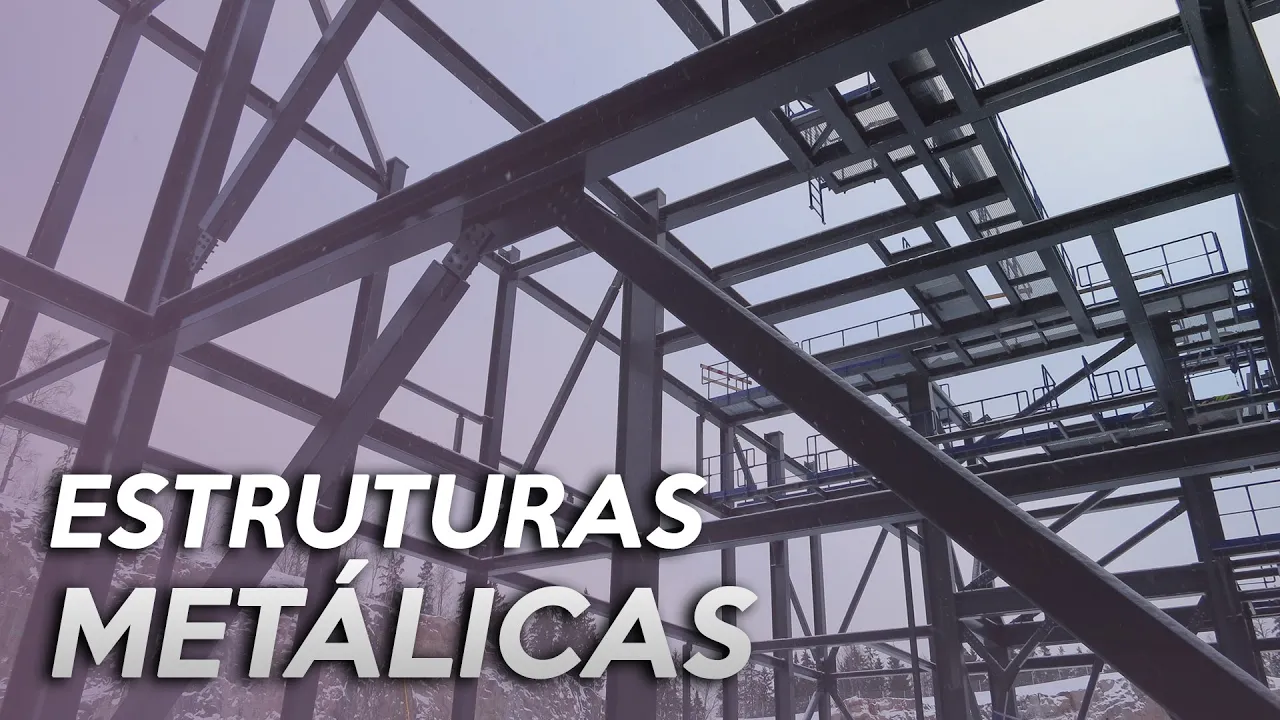
Its assembly even looks like an assembly of lego pieces already defined in the design phase and guarantee a quick execution and organization of the construction site. As I said earlier, we can use the steel inside the concrete too, and the video I said, is here on the side and there is another video that you may like as well. Enjoy this little ending to leave your like if you haven't clicked and take the opportunity to share this video with your friends.
That's it my friends, all the best and see you in the next video.