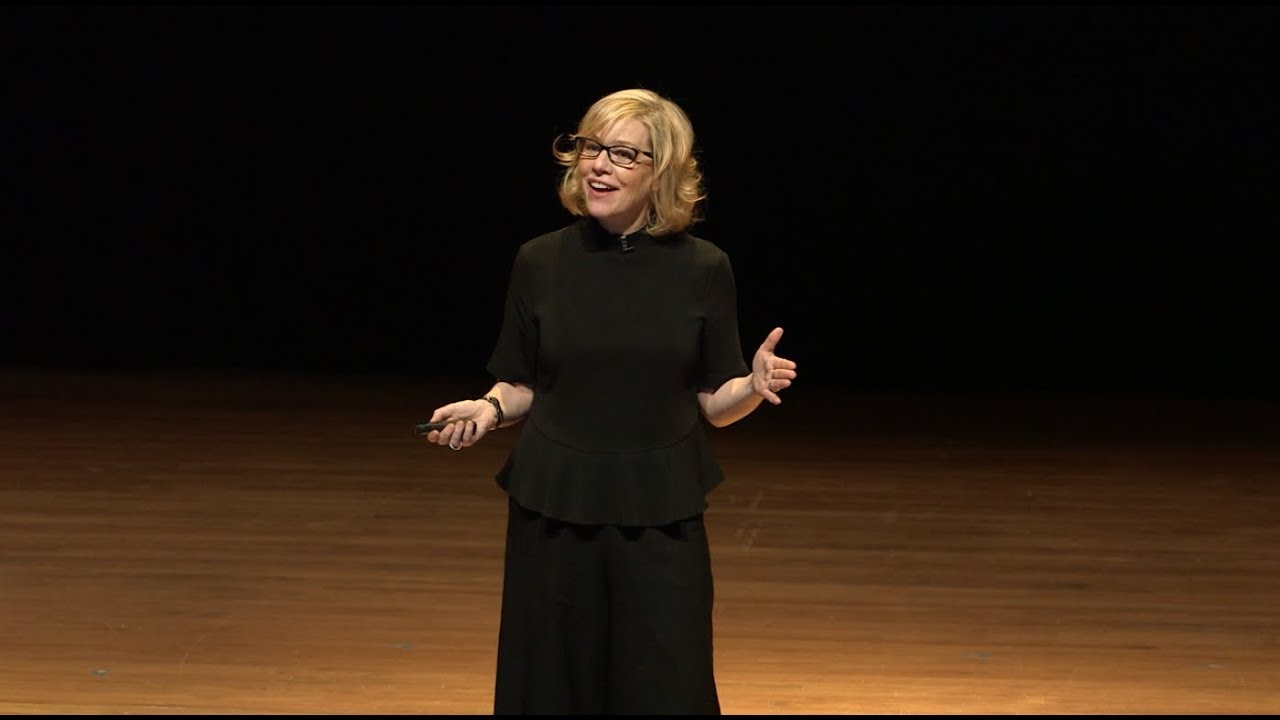
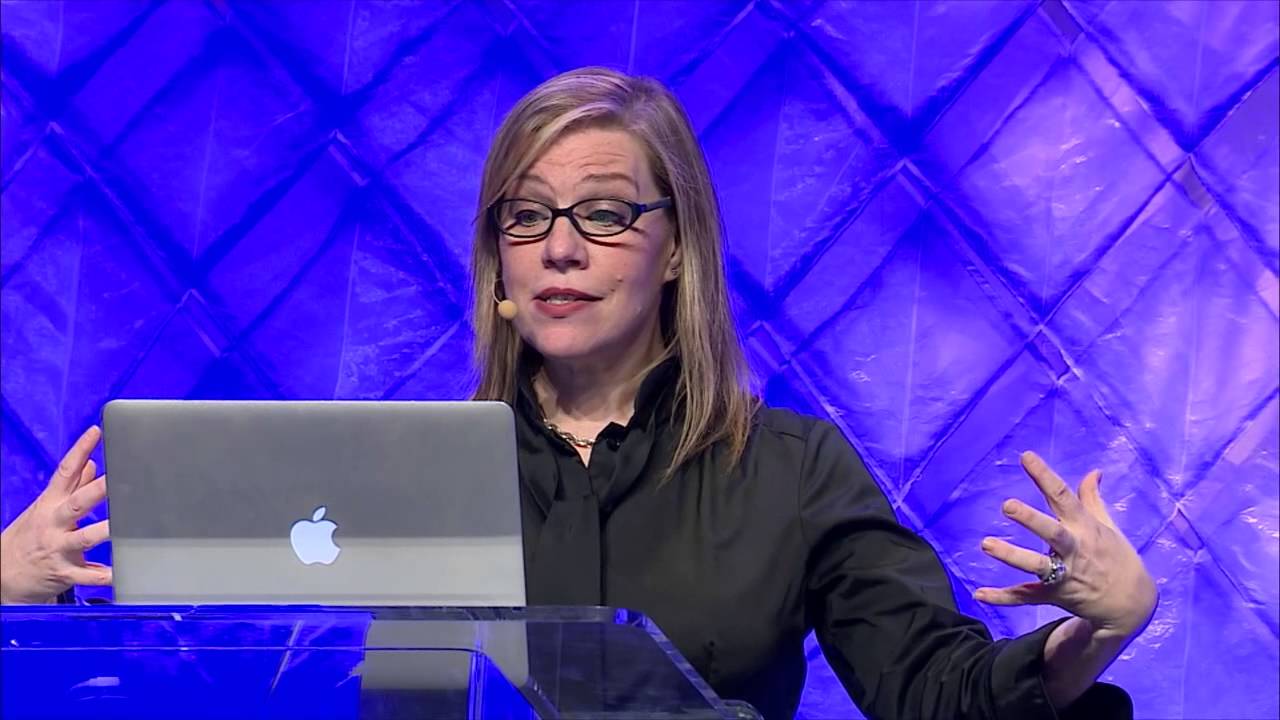
thank you all for being here I want to start by reminding us of this this is the Big Bang so I really am giving you a complete history of branding like completely we're going all the way back to the Big Bang 13.8 billion years ago we burst forth the universe burst forth universe that we know burst forth and created everything that exists as far as we know 380,000 years ago we had the first visible light the first visible light that was created started 380,000 years ago isn't that attractive scientists determined this was the earliest time
of visible light I'll show you how earliest time with visible light I wanted to sort of mix it up move around a little bit keep you interested it's all this science stuff so fifty thousand years ago as we're getting closer and closer to right this moment fifty thousand years ago our brains reorganized was a genetic mutation a spontaneous genetic mutation that resulted in the brain we currently have today that scientists have called the big brain bag they also call it the leap forward because that is when our brains really took the shape that we currently
have today and we moved forward into becoming the modern species that we now are so this great leap forward was the result of all of the things that we do today that are considered cultural universals the things that compel us to live the things that compel us to behave the way that we do that brain reorganization is a brain that is called the triune brain three parts of the brain in one and that three part brain is the reptilian brain the part of the brain that sits right on top of the spinal cord and is
responsible for all of our involuntary action our eye blinking or breathing or heartbeat all of those things are controlled by the reptilian brain and then the middle part of the brain is also called the mammalian brain or the limbic brain that part of the brain is responsible for all of the feelings that we have of connectedness to each other our feelings of love all mammals rear their offspring live we don't hatch eggs we don't eat the eggs unless they're chicken eggs or something like that and then the New York cortex which is the part of
the brain that all of us love it's all about abstract thinking and poetry and music so at that time 50,000 years ago that big brain bang that Great Leap Forward resulted in what is called cultural universals and that means that everybody no matter their orientation no matter their gender no matter their class their race all people engage with these behaviors those cultural universals our language art music cooking and self decoration so very shortly after the Great Leap Forward we started using these behaviors to create the world that we now currently live in first we started
to craft stone tools to make it easier for the hunters and the gatherers to bring back prey for us to be able to sustain ourselves where it really gets interesting for us as designers is about thirty eight thousand years ago thirty eight thousand years ago the first drawings on the walls of the caves of Lascaux were drawn and here we were as a species first documenting our reality we were first documenting our memories our behaviors the things that we were engaged in and I find it somewhat interesting that we've gone now to the walls of
Facebook from the walls of less cow to the walls at Facebook I think those are very deliberate words that have been used two months ago I got the opportunity to see what was crafted with some of those stone tools in an effort to create environments for us to live in to protect us from varying environments varying weather and those are the environments in Petra Jordan which were environments created right into the rocks went to the mountains in Jordan that allowed us to create essentially two and three-bedroom homes and these exists these are real these are
remnants of our history in becoming human ten thousand years ago we started as a species to array ourselves with makeup makeup was first used ten thousand years ago but we weren't using makeup for beautification and seductive purposes we were actually using makeup to array ourselves to be more pleasing to a higher power that we considered to be God now it's interesting that we as a species many of us agree that there is this higher power what we don't agree is who or what that higher power is and so shortly after we started to array our
selves with makeup in an effort to be more pleasing to a higher power we created symbols to signify what that relationship was and those symbols after we were beautified became the first symbol to signify a belief to signify a way of thinking at that time we manufactured meaning around something that we then agreed meant something we are the only species on the planet that have manufactured meaning around a symbol and then collectively all agreed on what that symbol means and those were our first brands our first attempt to manufacture meaning around something that did not
empirically exist that fostered a mutual agreement that then began a sense of belonging now we didn't all agree that those symbols meant the same things that those symbols were all inclusive that they should be everybody's symbols and so as a species what did we start to do we started to fight we started to fight our first wars were religious wars because we couldn't agree on the agreement that others had about what those symbols meant I often think that if we actually knew empirically how the universe began we wouldn't be fighting religious wars so what's interesting
about this particular time was that we started to create Flags the first flags were used on the battlefield because there were no such thing as mass manufactured uniforms we created uniforms way into the future 10,000 years ago we used flags to signify where on the battlefield we belonged it was sort of like going to a basketball game and having the Clippers on one side and the Lakers on the other that's how we sit if I'd where we belonged we developed crests and shields to signify lineage but the actual word brand doesn't show up in our
history until about a thousand years ago a thousand years ago the word bronde was used in the ten ten anglo-saxon poem Beowulf and it literally means to mark or to destroy by fire cattle ranchers then appropriated that word to use as a symbol of ownership on cattle y'all with me going fast a hundred and forty three years ago modern brands were born brands became legally recognized in the United States on January 1st 1876 anybody know what the first registered trademark in the United States was that isn't one of my former students bass ale I think
this is really quite magnificent about what this means about us as a species and about us as Americans many of us that the first trademark brand in the United States was not an American brand and was an alcoholic beverage so this is the first registered trademark in the United States and what's interesting about Bassel is that emblem that piece of iconography is still there iconography to this day and here is the first example of product placement official product placement I definitely got any money for this but you can see the bass L here and then
over there on the corner Picasso and Braque also did abstract expressionist paintings with pastel it was that popular at the time so 1876 this was a line in the sand that ushered in an entirely new stage of branding and the branding that we now know it today the first brands were really about consistency they were about familiarity they were about recognizability they were the first piece of consumer protection you believed that they would be safe you expect did a certain promise of that relationship when you tasted a coca-cola in say Pasadena and then went to
New York you'd expect that that coca-cola would taste the same way this was when a label was really the paramount expression of the relationship that people had with their products and what's interesting is that people were willing at that time to pay a premium for things that were manufactured and it's interesting how now 143 late years later we're much more interested in paying a premium for things that aren't manufactured wave to the second stage of branding started about in the 1920s this is what I call the an through the anthropomorphize a ssin of brands this
was sort of like the dot-com boom when everybody was registering their URLs now that we have the dot design we can have a little bit more ability to be differentiated but at this point there was very little points of difference between the second wave of brands that came out from the first all the first wave brands were the first to market second wave brands were all copy mostly copycat brands and so the way that they created a relationship with the consumer was actually with a character that people could project their ideas and their hopes and
dreams about what that brand could be people were so convinced that these characters were real that somebody actually called General Mills to ask Betty Crocker's hand in marriage I'm not joking this is an actual ad that I was able to find that brags about the fact that this man sight unseen asked Betty Crocker for her hand in marriage we go into wave three and this is the 1960s when a brand became a status symbol it became an emblem that signified who you wanted to appear to others as and so we saw all sorts of ways
in which brands started to create a sense of cachet just by being associated with the brand so he had brands like Volkswagen we had brands like Levi's I was a young girl in the 70s and wanted a pair of Levi's death currently I thought that somehow having that little red tag on the back of my butt would somehow make me cooler to a group of people that I thought were cooler than me my mother was a seamstress she had we had no extra money she had no desire to go and buy me a pair of
dungarees that would be more expensive than the ones that we could get at motels without the tag and because she was a seamstress she offered to sew a little red tag on the back of the pocket for me not understanding that that would actually be worse than not having a pair of Levi's she finally broke down she finally relented and bought me a pair what I imagined was in the triple markdown area of the Walt Whitman mall on Long Island where I was living she came home with a pair of lime green corduroy bell-bottom Levi's
but I didn't care my love affair with work my love affair and worship of brands had finally been fulfilled with these pair of pants that I wore every day for the rest of seventh grade we have a brand like Nike which is now a tribe which is just the association with the brand gives us a sense of being fitter than we might actually be so at this point branding turned into belonging it was belonging to a tribe to a religion to a family and the branding demonstrated that sense of belonging both for the people who
were part of the same group and also for the people who did not belong people like me that felt like I was a misfit in seventh grade that sense of not having the Levi's meant that I was inferior 25 years ago our world became technologized remember what happened we started going online my first email address was in aol.com email address what were we doing back then online there really wasn't quite the same environment that there is now what were we doing online well some of us were shopping welcome to Earth's biggest bookstore some of us
were playing games the largest commercial enterprise online at that time was porn 18 years ago six weeks after 9/11 the world changed yet again and this little device was born the iPod what happened when the iPod came out I think we forget what happened when the iPod first came out yes it's changed our worlds yes it's given us a whole lot of abilities that we might not have had but in the immediate years after the iPod came out from 2001 to 2004 anthropologically something really interesting was happening I'm gonna show you some newspaper articles that
I found at the time suddenly we were being called a culture of isolationism the iPod was isolating us the iPod era of personal media choices was turning us into what was being called an isolation nation this was from a blog I'll read it I came across an interesting study published in The Washington Post it says Americans are far more socially isolated today than they were two decades ago and a sharply growing number of people say they have no one in whom they can confined no one with whom we can confide in the mid in the
early stages of the 21st century it was further underlined bold italic in the New York Times in December of 2004 James Katz a communication professor at Rutgers University attributed the iPods popularity to a trend in the American culture card withdrawing from the public sphere or the public culture into one's private space where you can have complete control over your entertainment the iPod psychologically depopulate social space view it increases isolation anime now humans are happiest we are happiest when our brains harmoniously resonate with others when we first have babies babies love to have skin on skin
contact that's how their neural pathways are able to grow and develop in the most healthy way possible so if in 2004 we were living in this isolation nation that we were making ourselves this was the reason that civilizations seemed to be doomed because of our limbic brain because of this need we have to connect because we're happiest when our brains resonate harmoniously with others we did something actually rather remarkable and in 2005 we created a way to be able to connect in the device in the device and the first brand that was able to do
that was MySpace anybody remember MySpace I see some hands man al whoohoo immediately after that we went into this avalanche of brands fostering a sense of connectivity online and it's not just online it's offline as well brands like uber brands like we work brands like Airbnb create this environment where we can actually share with a real person in real life so we people talk about how we're addicted to our phones how we're addicted to our devices we're not addicted to our devices we're not addicted to our phones we're actually addicted to the feelings that we
get of connectiveness while being in our phone so we're actually able to have our complete control over our environment while still being connected to others but these connections now have up ended branding as we know it these connections have upended branding as we know it and for the last 10,000 years since those first experiences of arraying ourselves with makeup to be more beautiful to a higher power for the last 10,000 years brands were owned by the corporation and pushed down to the consumer the brands that were owned by the corporation's were controlled by the corporation
manufactured marketed designed and sold with all the power in the hands of the corporation but the discipline of branding as we now get very close now into current times the discipline of branding has changed more in the last two years than ever before branding has now become democratized brands can be created by anyone and shared by everyone so what was once a top-down equation corporations push the brand down to consumers to people we now have a reverse bottom-up brands are being created by the people for the people and I'm going to show you some examples
of some of the most effective and powerful brands today brands as movements so now I take us to November of 2016 November of 2016 two young women here in California in protest to some of the things that our president said about women's anatomy created a hat that suddenly went viral Krista sue and Jana Wyman created this hat as a response and by March of 2017 became one of the most recognizable symbols on the planet as a comparison it took 100 took 35 years for 150 million Americans to own a television set it took seven years
for 150 million people to own a cell phone and it took two months for 150 million people to wear a pink pussy hat so today here we are today I believe that branding is now a profound manifestation of the human spirit we we have the power to further our humanity with the constructs that we create and the things that we mark and the things that we make and the things that we design the most powerful brands were creating are not created by corporations their movements created by people for people Malcolm Gladwell said never before have
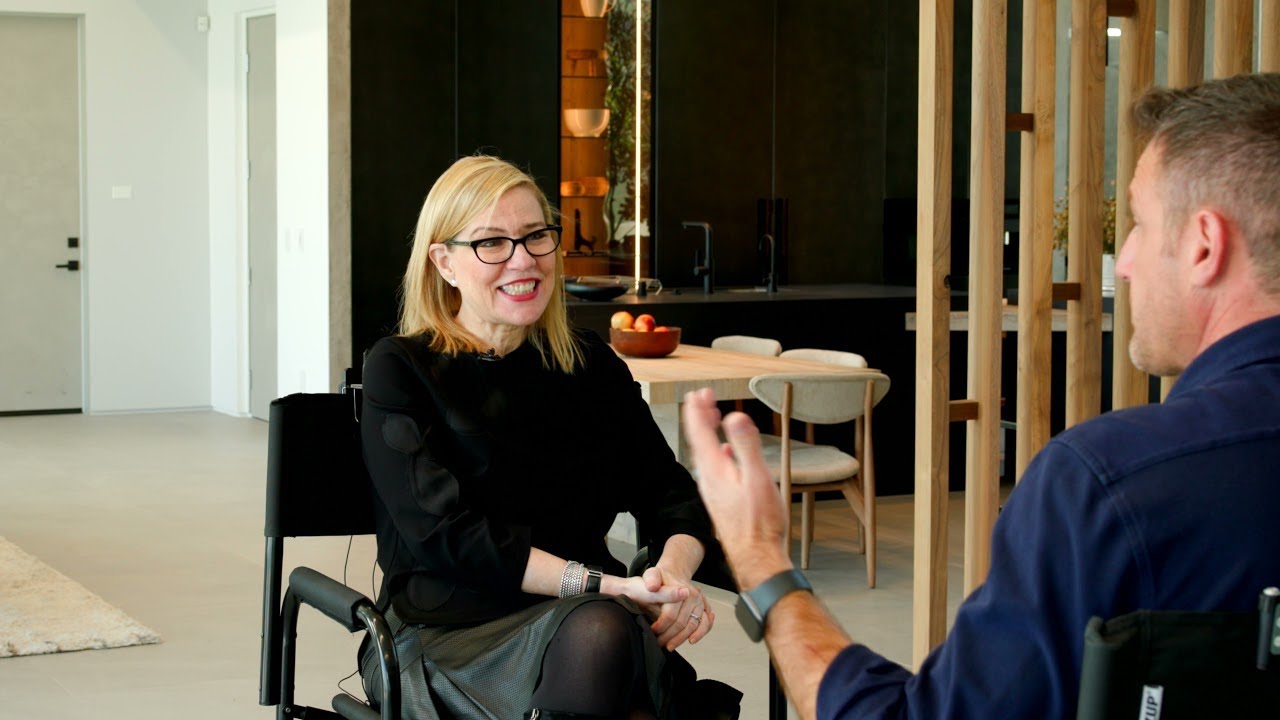
we had the kinds of communications technologies in the hands of those who have the greatest desire to innovate who do you think that is that is us that is us that is you so let's make the world that we want with the movements and the brands that have the power to change everything thank you so what can you talk a little bit about your criteria for making this list so you you you've started from the very beginning and gone up to today how did you decide what to include and maybe even more importantly what not
to include well I didn't really decide to include or not to include what I did was look at the history of branding I started first with all the sort of modern brands I mean this really came this this notion of being able to understand the history of branding started quite innocuously my then high school aged goddaughter and this was in I want to say 2005 or 2006 so quite some time ago asked me why I thought myspace was so popular and I didn't know I actually thought it was really ugly and really hard to navigate
and it didn't make any sense to me and I felt that as somebody that was working in the field of branding and heading in a consultancy that I probably should know why it was so popular and so that led to my first body of research which ultimately became a talk that I had been giving for the next I don't know 10 years or so because it was changing so often and then that I realized was just the beginning it was just the tip of the iceberg to understand and how and why we create the brands
that we create I mean I believe that branding is manufactured meaning brands don't exist on trees they don't grow in the ground they actually come from us from our brains from our ideas and that manufactured meaning is then the communication of that meaning is what I believe design is that communication of that manufactured meaning and most brands now have to have some type of very deliberate differentiation in order to succeed so that is part of what we have to do as consultants is create that deliberation that difference to be able to express what is unique
about this particular entity that wouldn't exist without this manufactured meaning around it so what I had to do was really look quite objectively at everything that had been happening and start to connect patterns and start to connect ideas and it was really powerful for me to realize that when we started to self decorate that that self decoration was in regard to our being able to express something not to our peers for cachet or for prestige in the way that we do now or for positioning which is also how we do it now but really to
be able to signal to God that we were devout I was on a National Geographic expedition or through January and was in 11 different countries and saw Muslims Hindus I saw Buddhists I saw Christians and what was interesting to me was how completely and thoroughly devout they all were I went to Tibet and went to patola Palace where all of the dalai lamas lay and rest and there were people that the the I would say the Potala Palace is probably at least 2 or 3 times the size of the Staples Center and there were people
crawling on their hands and knees dragging themselves they had kneepads on to protect their bodies from the ground in seven degree weather at a hundred and thirty I'm sorry 13,000 feet above sea level which is like roof of the world essentially and they were they were dragging themselves around in devotion to God to the Dalai Lama so what is this belief that we have that is so powerful to connect us to something larger than ourselves that really began moments after the Great Leap Forward and we still do that today we do it in our relationship
to God we do it in our relationship to each other with symbols we wear wedding bands we have tattoos we do all sorts of things to signify our connections to others and and I think that's a profoundly human thing we're the only species on the planet that does this we're the only species on the planet that manufactures meaning from nothing yeah so when you say manufacturer meaning I mean a lot of times that can have a negative sound to it manufactured I mean only if you think the word manufacturer is a negative one I don't
really I mean it's just the the creation of meaning yeah but it is very much a machine it's not something that again exists it's manufactured from nothing right and so I think that there that requires enormous imagination so no it's certainly not a negative thing it's just I think an accurate thing about what we do so in traveling around the world in that recent National Geographic trip what would you say is one of the the biggest impacts that was made in your point of view on brands and branding I don't know that I would say
that it had an impact of brands and branding as much as it did have an impact on why we do the things that we do which obviously include branding I mean it was very interesting to me to see the level of devotion from people all over the world Jews Christians Muslims Hindus Islam I mean I saw every religion in sort of full regalia and at the same time I had recently seen a really spooky movie called mother by Darren Aronofsky and I'm not there's no spoilers here in the movie Javier Bardem plays God and the
point darren aronofsky was making was that god is not a benevolent being that God is actually a narcissist that requires worship and I thought about that a lot as I traveled because what compels us to want to find some answers to why we're here and how we're here and for me I would love to know that I could only start at the Big Bang I'd love to be able to start even earlier to figure out how that happened and then how we got here I mean there's so many mutations that resulted in our being here
right now in this place and I believe that the condition of branding now reflects the condition of our culture how we treat each other how we talk to each other how we label each other these are all this is all these are all the very basic tenants of branding I'm not really talking about the day-to-day shopping kind of branding I'm talking about how we designate meaning through language and symbols and words great so you talked about the most recent brands being driven by the people so there's a lot of people here what should we keep
in mind if we want to be included in this timeline in the future well you know people talk about evil corporations there's no such thing as an evil corporation there are only evil people that work in corporations the corporation also does not exist without the people and you know I often joke that somebody out there must really love powdered peach flavored diet iced tea because it's still being sold people corporations brand managers aren't altruistically putting products out on the shelves because they have a lot of heart for them they're putting products out on the shelves
because they're expecting and hoping that people will buy them if people don't buy them they don't stay there and people like let's just hope and pray that something will change and people will realize how amazing this product is that doesn't happen they go away they come off the shelves and they get discarded so we have so much power in determining what is sold and how it's sold because if we refuse to buy something if we refuse to Haven a certain way if we refuse to behave in a way that we feel doesn't further our humanity
then those things won't exist anymore it's only when we participate in that exchange that we then suffer the ramifications so we suffer the ramifications that we create so you know one of the things that I find so interesting about how we behave is one of the things that we could easily do that we don't is change the way we buy toilet paper so there's lots of toilet paper out there you know I mean I've worked most of my career in fast-moving consumer goods and I spent a lot of time working on toilet paper really proud
of that and and we can we so there's this myriad of products out there right there are products that are recycled paper there were products without the tube inside you know what people really love what soft white toilet paper okay like crazy we can't get the majority of people to buy recycled paper it's a little bit sort of gray or a little bit brown people want soft white paper to touch their privates and there's a lot of that paper in the world in landfill so that's just an easy example you know Michael Beirut has said
that you know if you ask people which they prefer to eat would it be ice cream or broccoli and people will think that they should say broccoli because it's healthier you know people really want ice cream and they're gonna pick ice cream so we all have to sort of do that we have to engage in behaviors that that will change things individually and then collectively because it's only those individual changes now the reason why those individual changes have so much more impact now is because we can get the word out we can connect and we
can share and protest and make the marks that say trans rights or human rights or black lives matter or me too or times up and the more people that do that the more behavior that isn't in line with our beliefs will be shamed and and that's what I hope will happen right so one last question and I know this is one that everybody really wants to know so congratulations on being awarded the 2019 AIG a medal so the question is it's crazy where are you going to display your medal are you kidding I'm gonna be
like wearing it 24/7 as if I was like oh come on a ribbon that's gonna just be permanent seat with it all the time now alright you know maybe it'll put it in my hair put it in like a tattoo that would be going like oh yeah yeah that's how I'm gonna Telegraph to you good you know ah maybe maybe symbol yeah some more well thank you very much deputy