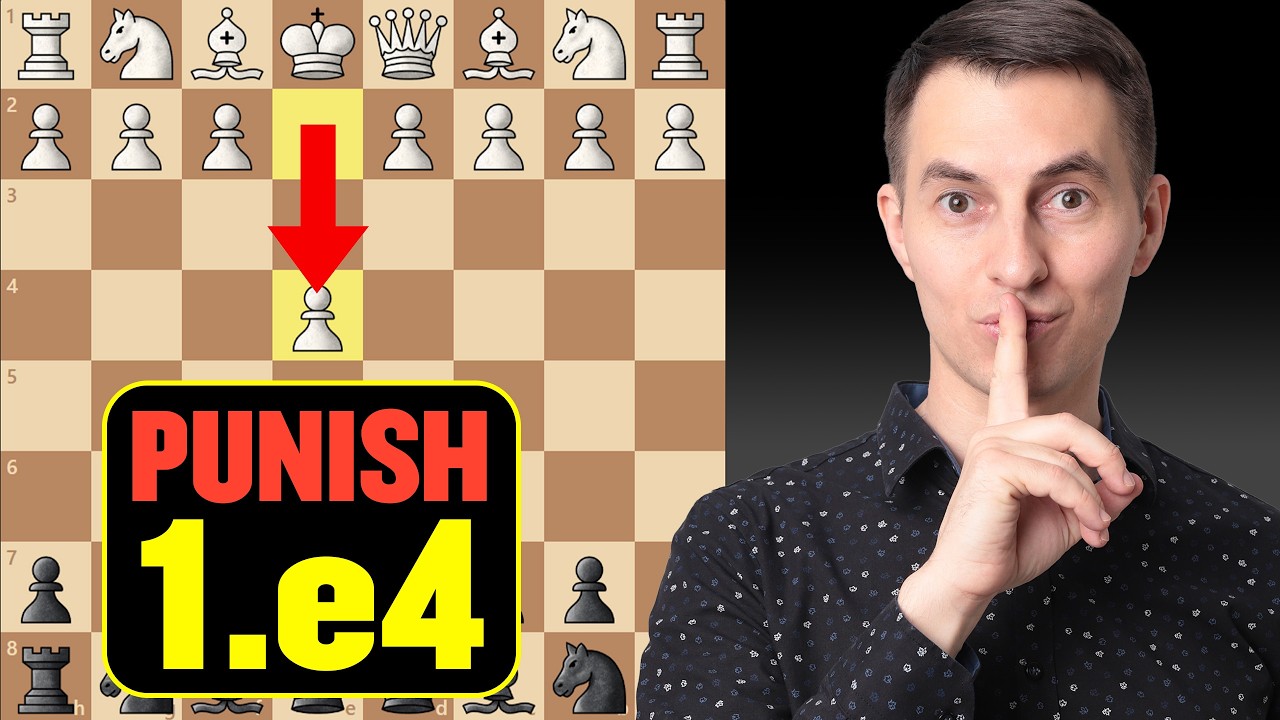
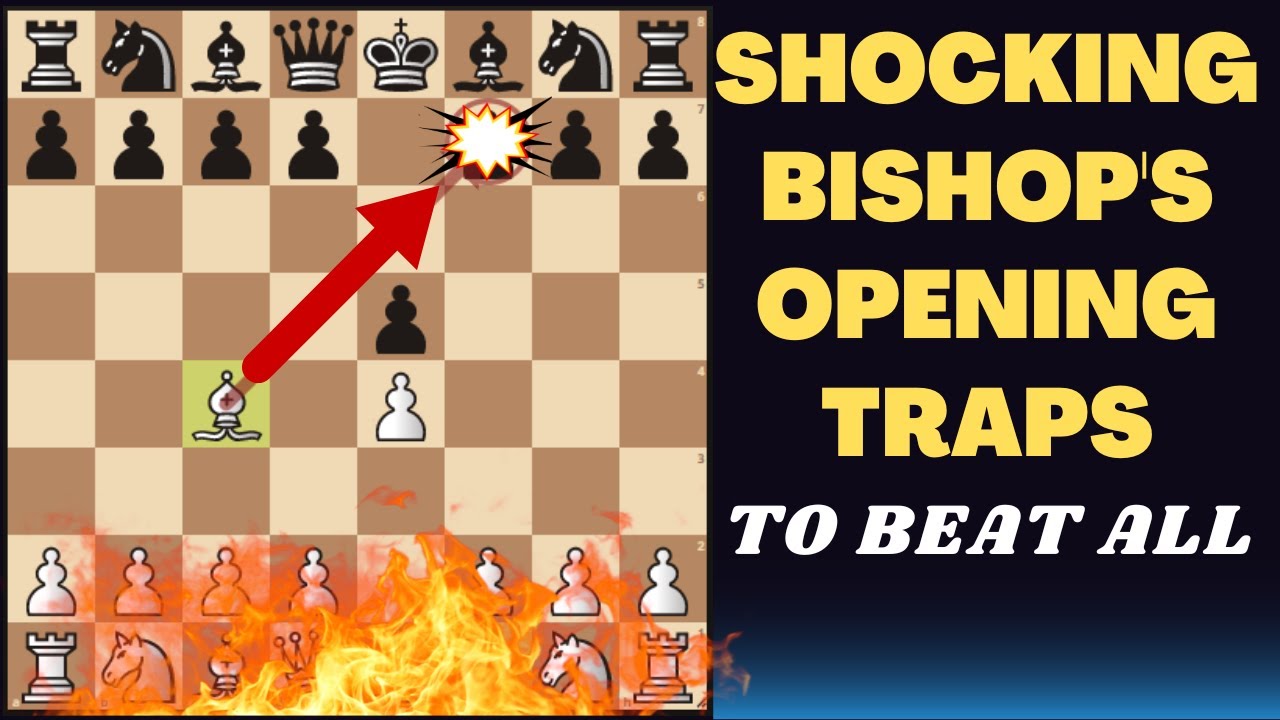
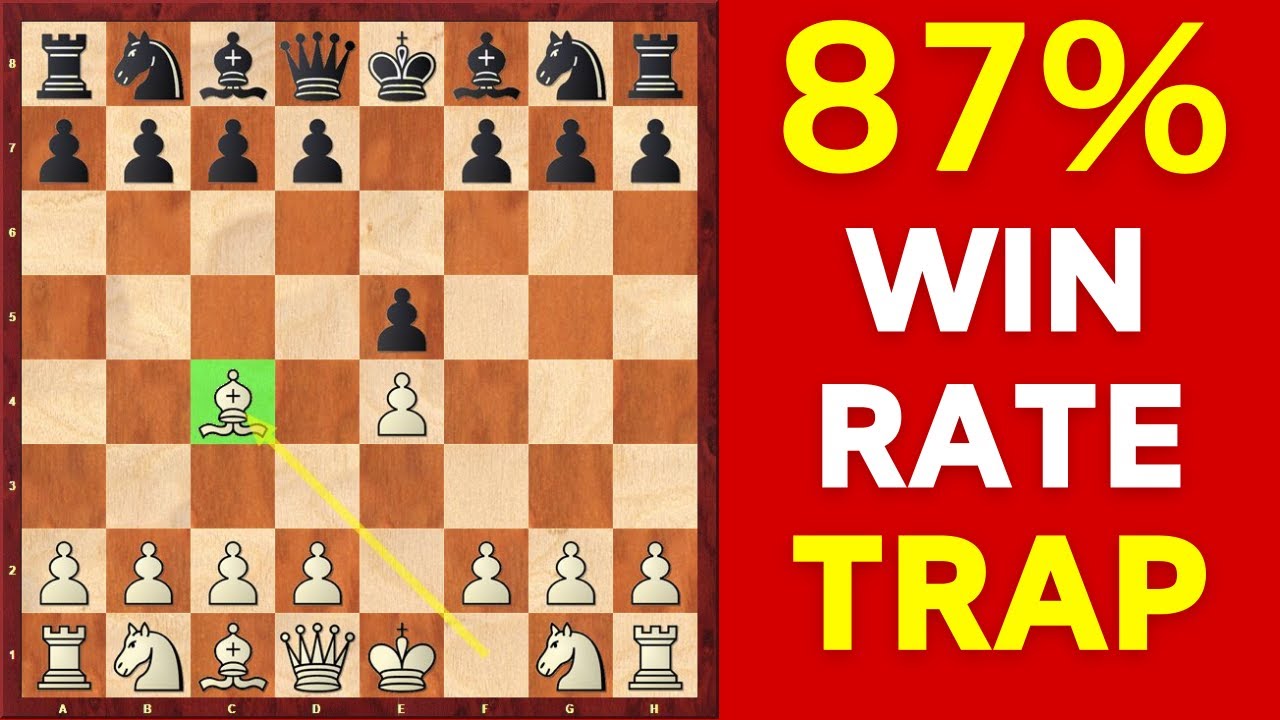
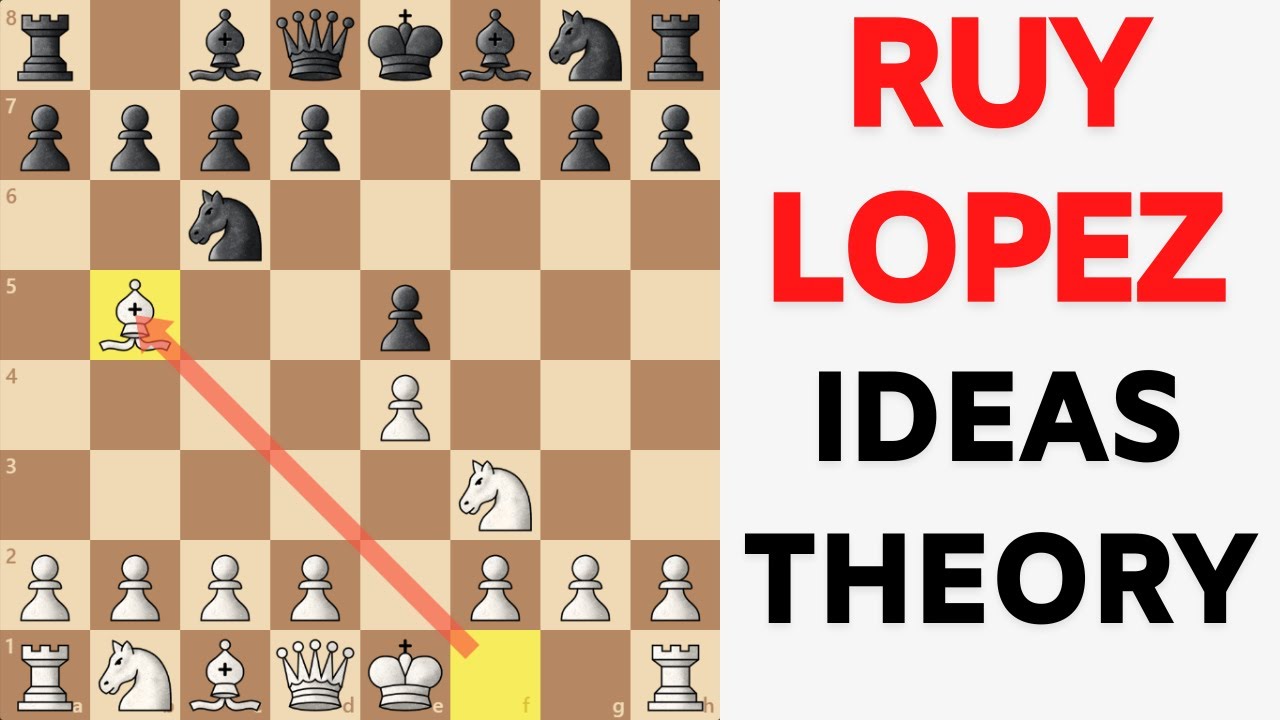
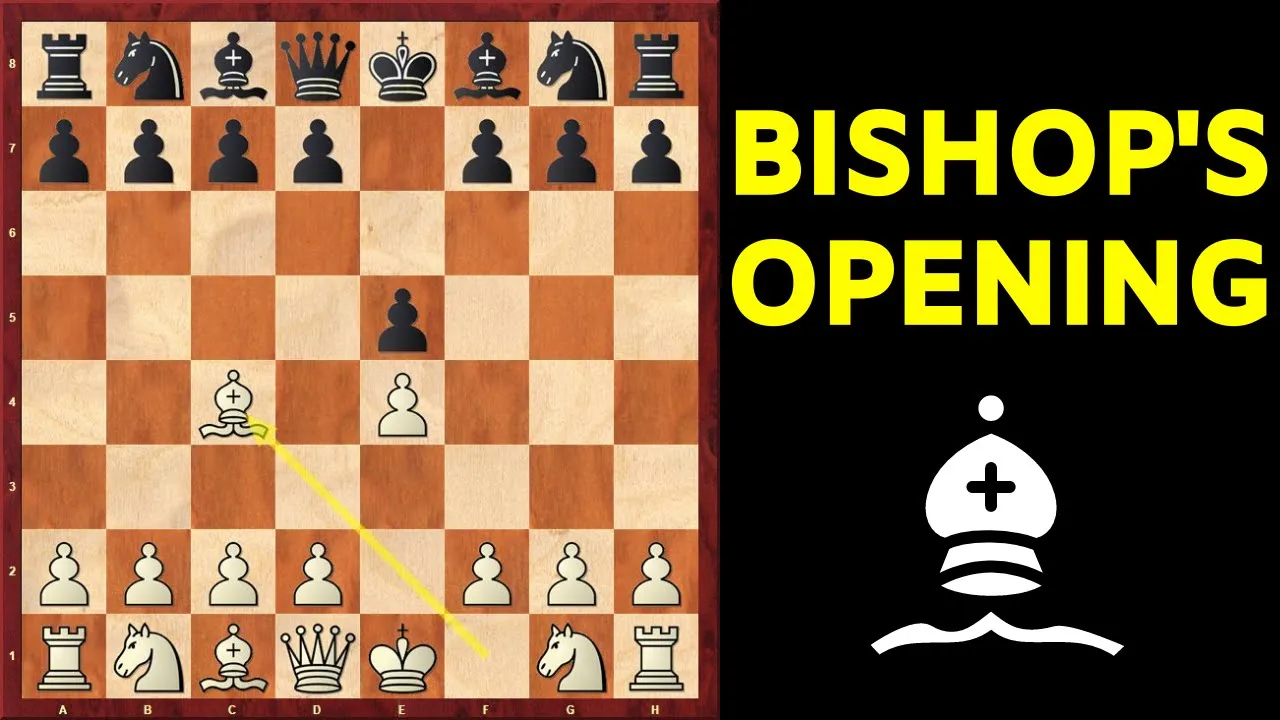
what's up grandmaster igor spironov is here and today i'm extremely pleased to share with you the new opening line which is the bishop's opening it happens after the first moves pawn to e4 e5 and there goes bishop to c4 it is not the main stream line it is way less popular compared to the mainstream move knight to a3 or maybe knight to c3 vienna game but never the last bishop c4 is perfectly sound you're developing a piece you're also taking aim at the black's weakest square f7 and from there you can obviously attack an opponent's
king also after bishop c4 you drag your opponent out of his opening knowledge and therefore he can surprise your opponent and finally there are a lot of really interesting attacking aggressive lines that you can follow up here with with this bishop's opening which i'm gonna share with you in this video so get ready grab a cup of coffee or tea or whatever you love and let me show you some really interesting opening lines that you can use in your next games we'll take a look at all the main continuations for black here and let's start
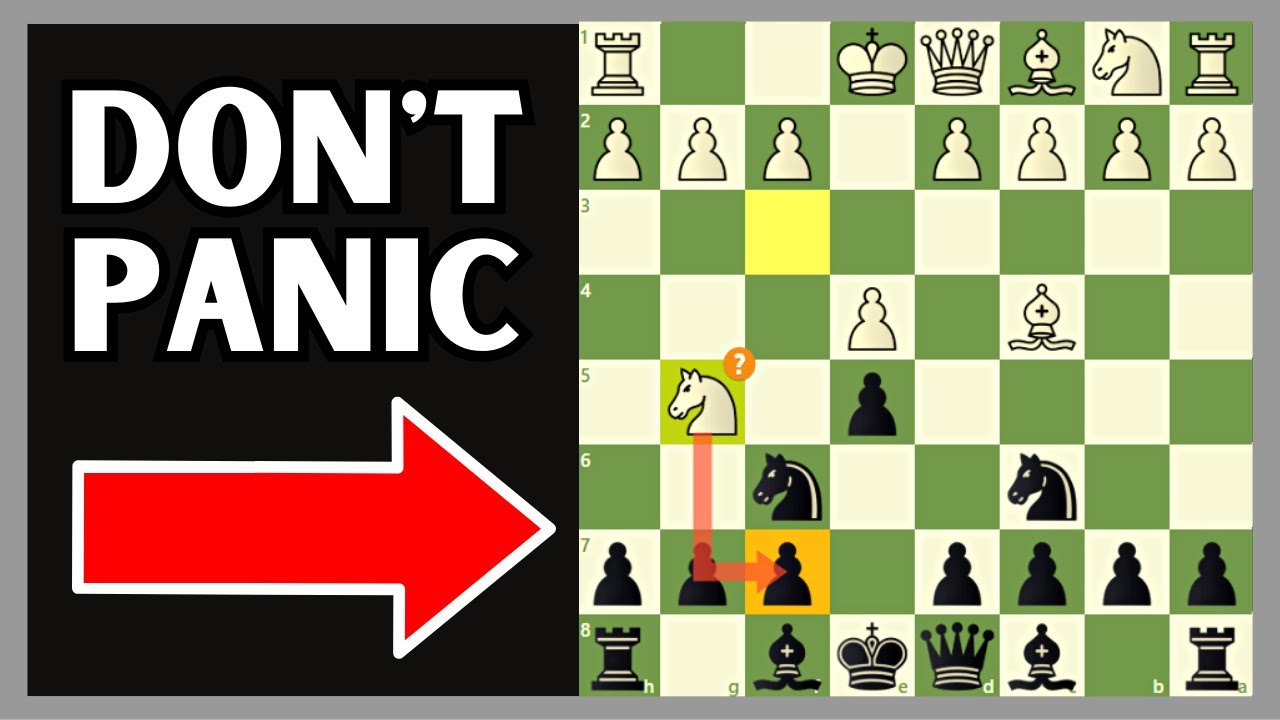
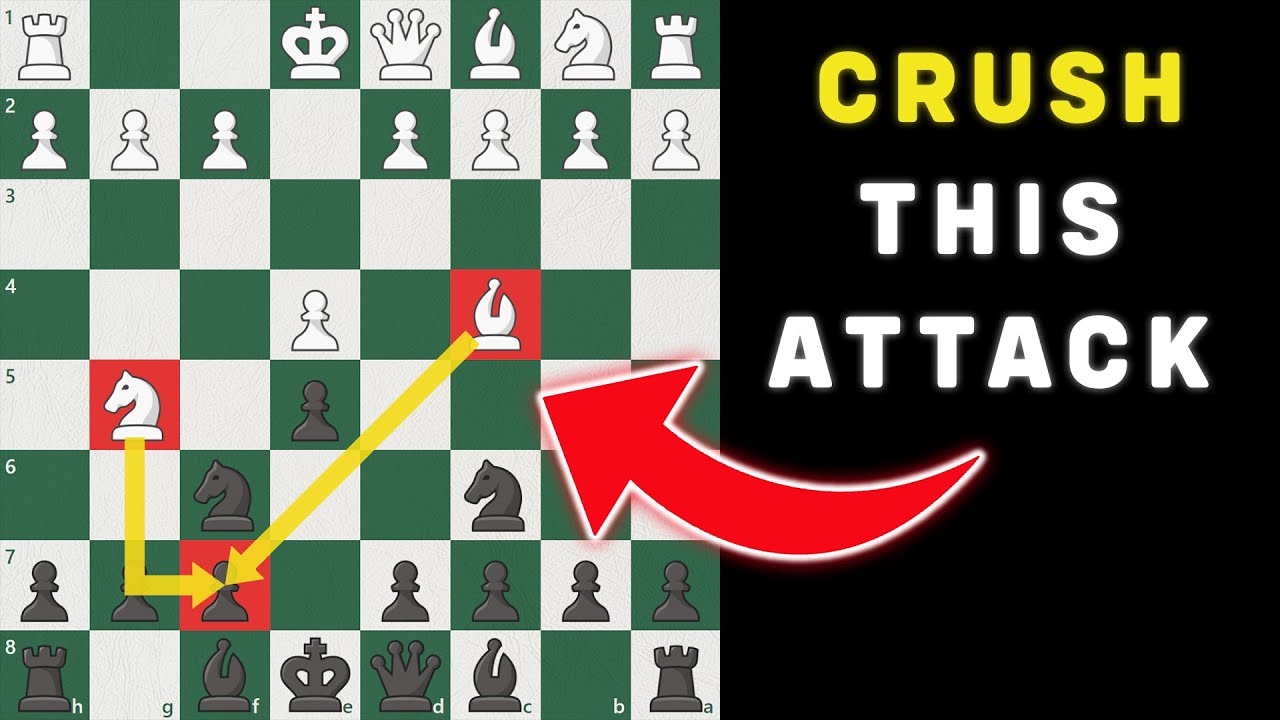
with the move bishop to c5 if let's say black is unsure how to react and he or she just plays the similar move with their bishop and right here you have a really surprising move pawn to d4 which starts fighting for initiative right away what's the point of this sacrifice of your opponent in case black captures with the pawn which is actually a mistake but it's not that easy to figure it out for black you have the really cool sacrifice bishop takes h7 check and on the next move you go queen h5 and you take
the bishop back after black powers the king you take the bishop back and as a result of this operation you weaken the opponent's kin which is currently exposed therefore you'll have great chance of attacking it in the future right now the pawn on d4 is also attacked and all in all black is already in some trouble here for example if they go knight to c6 you can play knight of three uh pressuring the pawn once again and if black goes d6 after here i mean there are different things that white can play queen c4 possibly
the the best move but you can go queen d5 which which is a little bit tricky because if black goes bishop e6 covering the king you go knight g5 with a double attack to the opponent's king and the bishop and you're just winning the game right away of course black does not have to play that badly but regardless you know the black's position is already compromising this line and uh yeah it's just an incorrect way of playing for black all right let's go once again into the bishop's opening and we have just analyzed the move
bishop c5 here we go pawn to d4 attacking the bishop and the pawn we just analyze the line pawn takes t4 which turns out to be a mistake for plaque now let's take a look at the best response for black bishop takes d4 now you go knight of three attacking the bishop black supports it by go going knight to c6 and here you castle why don't you take the bishop right away the thing is you're waiting actually for the best moment to do so because here first of all you have one idea is to capture
the bush one more idea is to jump with a knight to g5 and then with the support of the bishop you start hitting that epsilon square therefore you have two eventual threats and you're just waiting for the best one to execute in case black goes knight to f6 which is probably the best contribution the main continuation right now it's the really good time to capture the bishop because if black captures with the pawn you can now attack that f6 knight by pushing your pawn forward and black is kind of experiencing some troubles here it's as
you can see this bishop opening is really not that easy for black to handle because there are a lot of pitfalls here and if black just plays one incorrect move he can be in trouble you know very very quickly let's see what's the point first of all black certainly can't capture the pawn because there you just go rook to to e1 uh pin in the knight and on the next move let's say pawn goes to d6 you just go pawn to f4 and you grab the knight on the next move it can't go away because
of the kin which stands behind it so that is just losing let's take a few moves back therefore black can't capture the pawn and otherwise they have to move the knight away and moving it back to g8 is a very sad option and if black goes knight to e4 then you continue with queen to g4 and once again you're actually winning here because you're attacking the knight as well as the pawn g7 from there you'll attack the rook as well the epsilon pawn and once again black is in trouble let's take a few minutes back
and see if there is any way for black to stay in the game because there must be some way right it shouldn't be so bad for black and all the lines at this point when you capture the bishop the correct response for black is recapturing with the knight and after that it's more complicated for white to unleash your attack but you can still do that by playing pawn to f4 remember you sacrificed the pawn therefore you gotta play more aggressively and here you're opening up the lines for your bishops as well as the diagonal of
the line for your rook as well and here you start pressurizing the central construction the pawn and the knight of black therefore black needs to protect it and after that you open up the line for your rook and you go bishop g5 and put in the pin on black's queen and here it's already fairly clear that you have some initiative for the pawn sacrificed for example black girls costly and you can go knight to c3 you can also develop your knight to d2 or let's say even a3 saving the c3 option for the future so
you can kick the knight away but knight c3 also makes sense because the knight aims to the d5 square to strengthen your pressure over the d5 over the f6 knight and here if let's say black goes bishop e6 to develop a piece as well as the cover of that square there is a really cool thing you can do you can go knight to d5 and at first black is happy because he just prepared to grab the knight but all of a sudden you're recaptured by the pawn and you just switch to another attacking idea right
now currently this knife from d4 has no way to escape from there and white is ready to place pawn to c3 and simply win the knight because the pawn from d5 does a good job of controlling all the squares where the black d49 could eventually retreat to and so it really puzzles black quite significantly for example if black plays queen to d6 trying to also maybe attack your bishop from c5 or also removing the queen from the pin you can once again switch over uh to another fret and now you can finally take an f6
doubling black spawns and weakening black spawn structure there and after that you go bishop d3 so you switch over to the most straightforward idea of attacking the black's king now the bishop is aiming to the h7 square your queen is ready to jump somewhere there to h5 and just to check mate black and again black is in in trouble in a real practical game it's super super difficult for black to find the right continuations here for example if black just captures the pawn which is wrong you go c3 pushing the knight away and when it
goes away you have the discovered attack by bishop takes h7 followed by queen takes d5 winning the game and before we move on to the next variations let me invite you to watch my free master class the best way to improve a chess instantly because certainly known opening lines is useful to some extent but in the vast majority of the cases you still have to find the right moves yourself you cannot memorize all the opening moves yourself and of course there is no opening theory for the middle game and game stage therefore it's most important
that you know how to find the right moves yourself so i put together this new master class once again it's free where i just summarized the ideas and methods that work the best for my students for my private students for my online students and you can take a look at those three main methods that help people progress rapidly in chess you can find the link below the video and if you're interested in improving your chats you can definitely watch that master class and now let's move on with the bishop's opening once again we're in the
starting position of the bishop's opening we just analyze all the possible continuations well at least uh the most natural ones after black girls bishop to c5 and now let's analyze another common move knight to c6 in this case there is also something interesting that you can do you can go knight to c3 and at this point you're delaying development of your knife from g1 you don't play nada 3 right away because you want to save the option for you to push your pawn firstly to f4 which will allow you to have the more aggressive setup
and the start expanding on the king side you know in the early stage of the game for example black goes something like knight f6 you go pawn to d3 once again you delay development of your knight and you wait for the suitable moment and if possible you'll push that pawn forward let's say black goes something like d6 or you know any other move you can actually play pawn to f4 and after that you play knight f3 and you finalize your development but now you can see that thanks to this pawn f4 it actually helps you
to have a much more aggressive setup so from here it helps your rook to become active along the f line also the pawn potentially can be pushed to f5 to gain more space there or you can always trade off the pawns on e5 and just open more lines for your pieces and start attacking the opponent's king all in all here you have quite a promising position for example if black goes bishop g4 p near knight you just kick it away immediately by playing pawn to h3 and that's not a problem for you at all the
bishop actually cannot go back and again this f4 pawn is doing a really great job for you here because you can go pawn to g4 and after that just capture that bishop with the support of your palm therefore this option is not suitable for black and in case black captures your knight here on f3 you just recapture and after that if black goes knight to d4 it's not a problem it's just one time and i can move your retreat temporarily and then on the next move after black plays something you go bishop e3 you kick
this knight away you have two bishops you have this strong center and you have some pressure along the um these diagonal as well as along the f file against the black screen and all in all you definitely have some advantage here there we go with the one last option that black can choose in case black goes knight to c6 here we discuss that white should delay development of his knight to save the option for pushing the pawn forward let's say go black goes knight f6 pawn on d3 and here we discuss that in many situations
you can actually push the pawn forward and only then develop your knight which gives you a more aggressive attacking position but there is one little bit of a problem here if in case black goes bishop to c5 uh you know where the bishop looks at this diagonal then playing f4 becomes slightly risky for why it's not bad it's not bad at all and you can definitely play for this uh you can go for this line but in this case so i will just say that you should be prepared a little bit better you need to
know the following variations because sometimes you can get in trouble you know if you're not sure how to deal with it you can get confused and even lose the game so either you need to just spend a little bit more time and you know check this position with the computer so that you know how to react or if you don't want to dive into this complexity then you can choose a simpler option instead of playing pawn to f4 you can go up for bishop g5 which is another way for you to put some pressure on
black's position you set the pane here which can always be strengthened by putting your knight to d5 in the future to put some more pressure on the knight to f6 and here you're kind of taking advantage of the fact that the black bishop went to c5 therefore black did not put it to e7 and from isa on the bishop could have possibly you know neutralize the spin but because black already developed the bishop to another square you can take advantage of this and play bishop g5 right away a lot of players are actually getting nervous
when you have this pin and you can really make use of it for example after 903 d6 you can go knight to d5 and actually black is in some sort of trouble you can always capture that knight on f6 destroy the black's pawn structure around black's king and after that continue your attack over the opponent's king in reality to be exactly honest and objective all these ideas with bishop g5 are not really dangerous for black but the thing is most players they just don't know how to react and how to deal with it and that's
why they'll just get nervous and will probably play bad moves and will lose the game by the way in case you want to know how to deal with your opponent playing this move bishop to g5 you can take a look at the video which i recorded called breaking stereotypes where i break down why this kind of opinion is really not dangerous in case you know how to deal with it and i explained there everything in details but because it's a separate subject it's not the bishop's opening in particular i just linked to that video below
and maybe i'll show it on the screen as well and you can watch that video to know how to deal with it all right anyway just to finalize with this voration again most of your opponents are unaware how to deal with the pin and you can put them in trouble by following this line and now let's take a look at the last and the main response of black the move knight to f6 this way black not only develops knight but also attacks your pawn on e4 and therefore it's the most aggressive way of playing for
black what do you do here of course the main move here would be knight to c3 the most natural thing to do or maybe pawn to d3 but i want to suggest you another line which is more aggressive and more unknown therefore you can surprise and confuse your opponent you can play pawn to d4 which is the more aggressive way of playing for you because you start counter-attacking instead of defending your opponent what can black possibly play here in case black captures the pawn which is one of the really natural responses oh let's actually start
with knight tc for first because it's shorter enough for that will go into pawn captures d4 in case black captures the pawn on e4 which is actually a mistake white captures the pawn on e5 and all of a sudden black is in trouble even though it seems like you know it's just only a few moves well played so far and it seems like black played all the classical moves but somehow black is already in trouble because this time from e4 has no good squares to retreat to because this d6 and f6 squares are under the
control of your pawn and also you can attack black if let's say black goes something like knight to c6 alright then you have bishop takes f7 little combination it's not really the sacrifice because after king takes you go queen d5 check and you take back the knight right away this way you want that pawn on f7 black skin is exposed it can't castle anymore and you just got serious advantage here let me take a few moves back what else can black possibly play and let's say black goes pawn to d6 all right trying to develop
this way then you just go queen d5 right away attacking the pawn as well as the knight and once again your think just winning so as you can see it's actually pretty difficult for black already to deal with this variation and therefore taking that pawn on e4 is probably a bad option for black but again a lot of your opponents will definitely go for it now let's go for the main line the last line that you need to be aware of before you're perfectly ready to play the bishop's opening which is pawn takes d4 the
move that i suggest you to play here is knight to f3 more of in the gambit style because yeah if you take the pawn right away like can win the tempo by going knight to c6 and that's not what you want so you can go knight to f3 and from here you save the option to recapture the pawn by your knight but of course the question is what if black captured your pawn you left it unprotected in this case you gap through the pawn with a queen because now not black but you with a tempo
by attacking the black snipe from here there are two moves that black can play not f6 or knight d6 and 96 may seem like the way for black to win the temple back by attacking your bishop hoping that you will move the bishop away but here it's actually a pretty big mistake because you can castle and all of a sudden black is in trouble because you can attack the black skin right away straight forwardly across the e line for example if black captures the bishop you go rook e1 check and after a bishop e7 instead
of recapturing the knight you actually capture the pawn on g7 and you're just winning you're attacking the rook the only way to save the rook is to move it to f8 and after that you go bishop h6 creating a deadly threat of queen takes f8 with checkmate and winning the rook has as well notice that the black's bishop cannot recapture your queen because it is pinned therefore queen takes f8 is a is a deadly threat and actually there is no good way for black to deal with it so here you're just winning as you can
see it's a really really tricky opening and even though initially bishop c4 seems like just a development move but there are a lot of traps here and there and black should be extremely careful all right now the final line that you got to be aware of just like we discussed if black goes knight f6 the main line you go pawn to d4 surprising your opponent and then offer punk captures you go knight of three knight ac4 queen takes d4 we just analyze the line knight to d6 and there we realized that black is in a
big trouble because if his king gets exposed but what if black goes knight f6 which is the correct continuation in this case you just continue your development you go knight c3 if black goes knight c6 attacking your queen it's not a big deal you just retreat and after that let's say like goes something like bishop c5 you go bishop g5 put in this pin we already analyzed that in one of the previous lines that this pin could be unpleasant for black and then after black castles you castle alongside as well because here not only you
put your cane to safety but you also activate your rook and it's extremely active along the d-file and it's ready actually to take part in the game and even though you sacrifice the pawn but you can see that your head in development you have a lot of open lines and diagonals for your pieces and therefore it's definitely worth the sacrifice in a practical game it's much easier to play such a position as white rather than as black because you're just gonna probably take advantage of this pin and attack the black skin and for black it's
much harder to find the right moves here for example in case black girls pawn to d6 prepare and development then you go knight e4 and probably your opponent will already be significantly confused here because the knight is pinned and the knight from e4 is threatening to either capture the knight or to capture the bishop and either way you know it's something unpleasant for black let's take a move back in case black tries to neutralize the speed and please pawn to h6 instead of retreating with a bishop you have a really cool combination here starting with
bishop takes h6 all of a sudden and then you go queen g6 check really cool to execute a thing like that in a real game not just in some tactical drill where you find the winning confirmation here because the pawn is pinned black skin actually has to go to h8 that you capture the pawn the knight covers the kingdom from here you can continue your attack in different ways the best way possibly is to go knight to e4 aiming to jump with one of your knights to g5 and after that check mating and poland's king
along the way this knight is also taking black's bishop on c5 and you're just waiting actually in case black tries to cover that g5 square with the bishop you just play pawn to h4 preparing that move anyway and even if black tries to cover it once again you just jump there despite of anything and on the next move in black is finally totally defenseless now with the thanks to opening of the h file your rook starts coming into play and on the next move you just capture the knight with your queen and it is game
over that's it i hope you enjoyed this new opening weapon that you can use it's really tricky and at the same time it is solid you're not compromising your positioning anyway in case you have any questions drop them in the comments down below and you know i'll try to answer them as much as i can also you can find below the video the link to download the pgn file with all these variations which i just shown you because i understand that it's probably impossible to just somehow remember or comprehend them all in one go so
you may wish to look take a look at them once again so you'll find the link below the video also below the video you can find the link to watch the free master class which i mentioned earlier the best way to improve a chance instantly with some of my most powerful methods that you can implement to increase your rating a few hundred rating points immediately which has been done by a lot of my students so there's nothing unrealistic there at all finally i hope that you'll have a great rest of your day and keep using
these new opening weapons keep winning more games and best of luck for your next chess battles
![How to Play Against the Bishop's Opening as Black [TRAPS Included]](https://img.youtube.com/vi/w2e03LUeh6I/maxresdefault.jpg)
![Revealing My Brutal Opening SECRETS [Best Opening For White]](https://img.youtube.com/vi/Y8PVyn2Qya4/maxresdefault.jpg)