Up to the 19th century, Botany, Zoology and Geology. . .
were part of so-called Natural History. After a century of specialization. .
. scientists, armed with new technologies. .
. have felt an increased need to reintegrate these disciplines. Geogenomics is a new discipline, a new research base.
. . that tries to incorporate genomic data… which is biological, to more quantitative data… in this case, geological.
The original idea was to use biological information to. . .
answer geological questions. . .
but it goes both ways because we also use geological facts. . .
to answer biological questions. Nowadays, research groups are getting together. .
. and those which are open to the other ones. .
. are more likely to answer the questions. .
. which haven’t yet been analyzed. .
. or are on the verge of the scientific knowledge. We frequently go to the field.
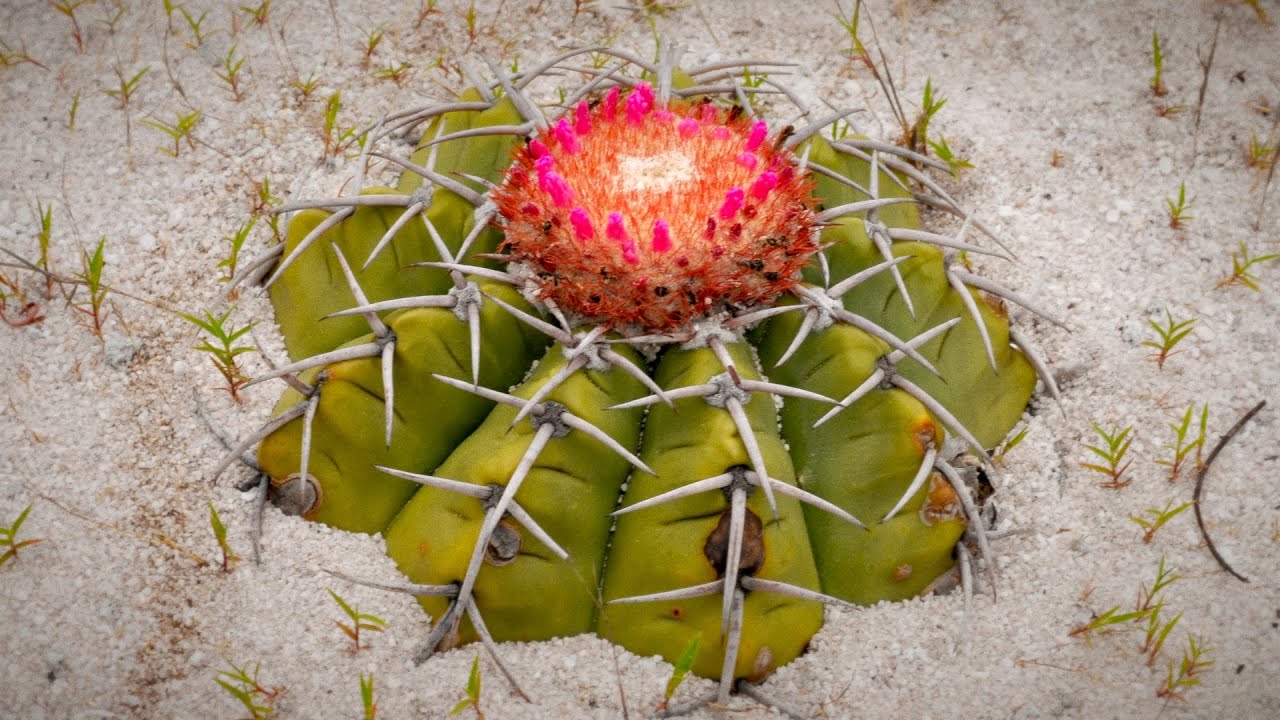
In each and every expedition we collect new species. . .
then extract DNA…. and proceed to create particular sequences. .
. in order to recreate family trees and understand. .
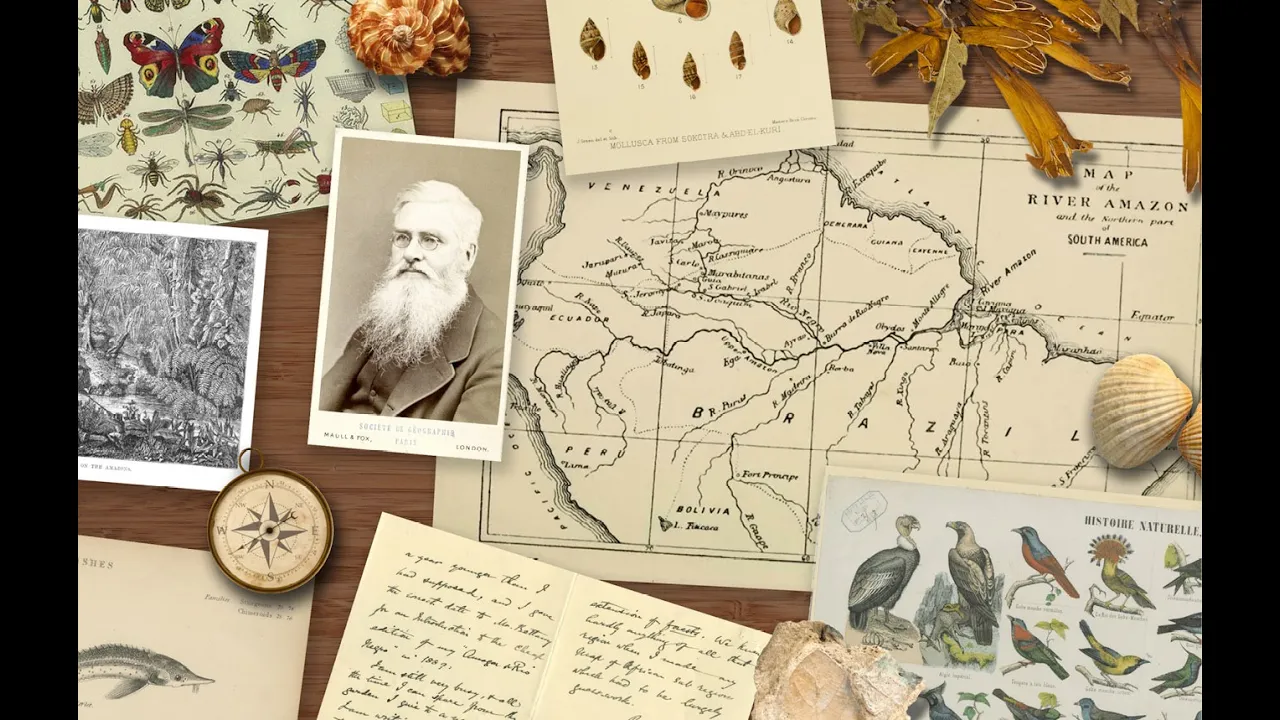
. which species are related to each other. We also use all the plants information in the herbariums.
. . as “occurrence points” to produce maps.
. . showing the distribution of each species.
We actually make prototypes which help us find. . .
the places where they might grow. . .
and then merge the maps of different species. . .
to try to understand general biodiversity patterns. This data used to be treated independently. .
. but now we’re trying to integrate it… to tell a single story. We actually combine elements of Morphology… Ecology, Genetics, field work, lab work… and comprehensive data analysis.
The larger the scope of evidence we have. . .
the more solid the panorama we will be able to recreate. We work with cave stalagmites, also known as speleothems. We calculate the age through radioactive decay.
Once the chronology is precisely defined. . .
we proceed to all the geochemical studies. . .
from the top to the base of the sample. That is, we create a geochemical curve. .
. in relation to time. Based on the Isotope Geochemistry.
. . we describe the climate changes of the past.
Then we can present these changes. . .
to those who are studying the flora of that period. For example, this. .
. is a stalagmite collected in the semiarid region of Bahia. It is from the Bahia countryside.
. . an area that today is considered scrub forest.
. . although, in the past.
. . during the period these structures were formed.
. . they required huge amounts of water.
Therefore the climate was entirely different. The study of the humid climate periods is vital. .
. to understand the relation between different biomes. There are several hypotheses that try to explain.
. . the origin of this huge diversity.
For example, a classic one involves forest refuges. During the ice ages, which were much colder and drier. .
. those forests heavily dependent on humidity. .
. nearly disappeared. Soon after there was an interglacial cycle.
. . more humid and hot.
. . during which the forests could expand.
This cycle then could isolate the forests in small pockets. Once it happened. .
. the forest-dependent organisms would also be isolated. Through time.
. . these populations start developing mutations.
. . they get differentiated.
. . to the point that they become two distinct species.
. . one in each biome.
Most of the species in the Amazon. . .
have a lineage tracing back to the Atlantic forest. We know that in the past. .
. the connections were made through the north. .
. as well as the south. In the case of the Amazon.
. . we believe rivers were a crucial barrier.
. . that led to the speciation… and the massive diversity in that area.
The most accepted hypothesis claims. . .
that the Amazon drainage was formed 10 million ago. Through this project. .
. after obtaining new geologic data. .
. as well as new biological details. .
. we realized it wasn’t the case. The species in the Amazon today.
. . many have been there for 2 or 2.
5 million years. . .
exactly the same age calculated in the new geological input. . .
to the river formation. Indeed, classic hypotheses… like the Refuge Theory are being tested. According to it.
. . the forest goes through some sort of fragmentation.
Once the forest was isolated. . .
or even got naturally savannized. . .
this isolation induced the diversification. In fact, what we’ve learned is that. .
. the most diversified areas in the Amazon forest. .
. are the ones that are more climatically stable. It is the exact opposite of what the theory says.
The refuge theory and the river barrier theory. . .
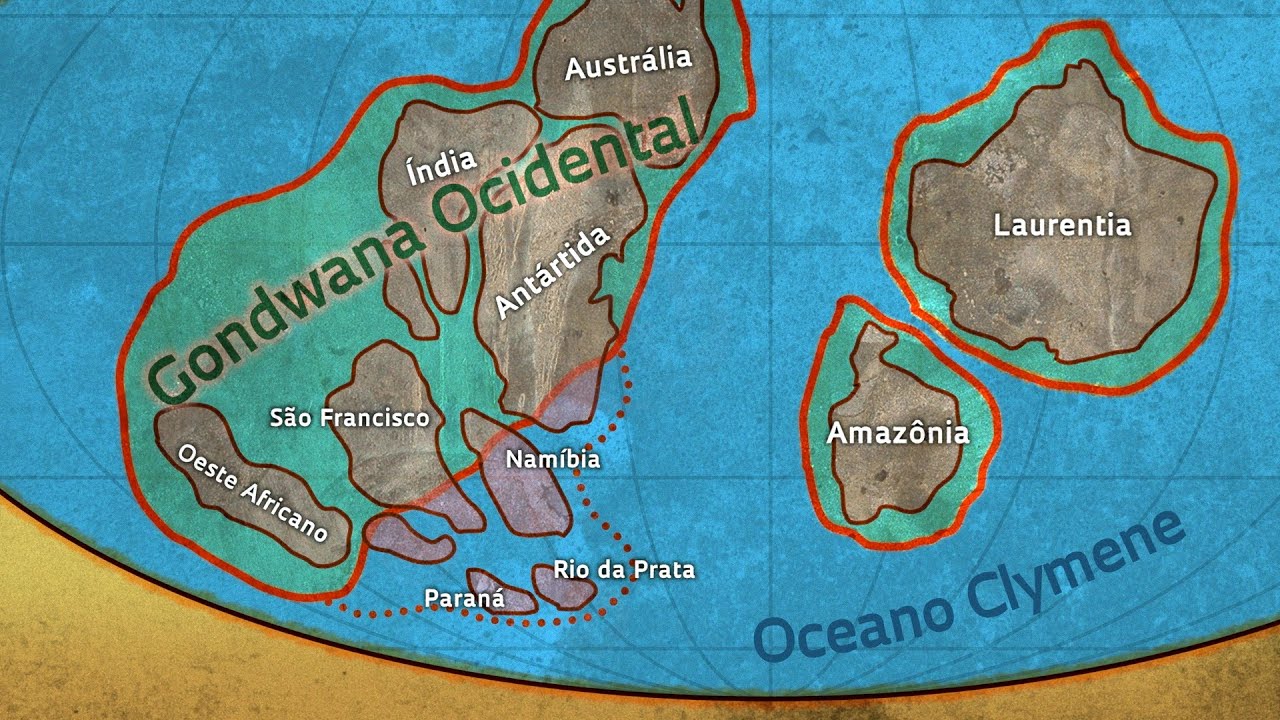
don’t necessarily have to exclude one another. The Atlantic forest history we’ve been trying to recreate. .
. shows it is much more complex than the explanation given… by only one of the two, for example. In some cases it is a bit too premature to say something.
. . like the hypotheses are being proved wrong or not.
. . but there are significant differences.
For instance, for the last 20, 30 years we believed. . .
the neotropical region was formed in a certain way. . .
but now we have data that proves the opposite. Right now it is as if there is a huge jigsaw puzzle. .
. we have some pieces. .
. we’ve managed to fit some of them in. .
. but it is too early to see the whole picture. What is the purpose of it all?
First, we’re studying our history. . .
figuring out where the species are located. . .
how they are distributed. This is the first step to use this biodiversity. One example I always like to give.
. . is the case of the plants.
When we have a family tree. . .
we know which species are related to one another. . .
it is much easier to search for chemical compounds. It is the same framework. .
. we use to examine microorganisms, organisms. .
. in order to understand the origin of specific diseases. We now have the zika virus, several other problems.
How can we find out where they came from? By analyzing the lineages to the ones we have here. One might think it is basic science.
. . but, in fact, it is the base for scientific.
. . and technological development, including new medicines.
. . and several other aspects that are vital to the society.
We have to understand. . .
the organisms that are out there, where they come from. . .
what their chemical properties are. . .
and how all this can be used for our benefit.
![[AO VIVO] BRASIL URGENTE - 03/09/2024](https://img.youtube.com/vi/ZpkenGXs9oY/maxresdefault.jpg)