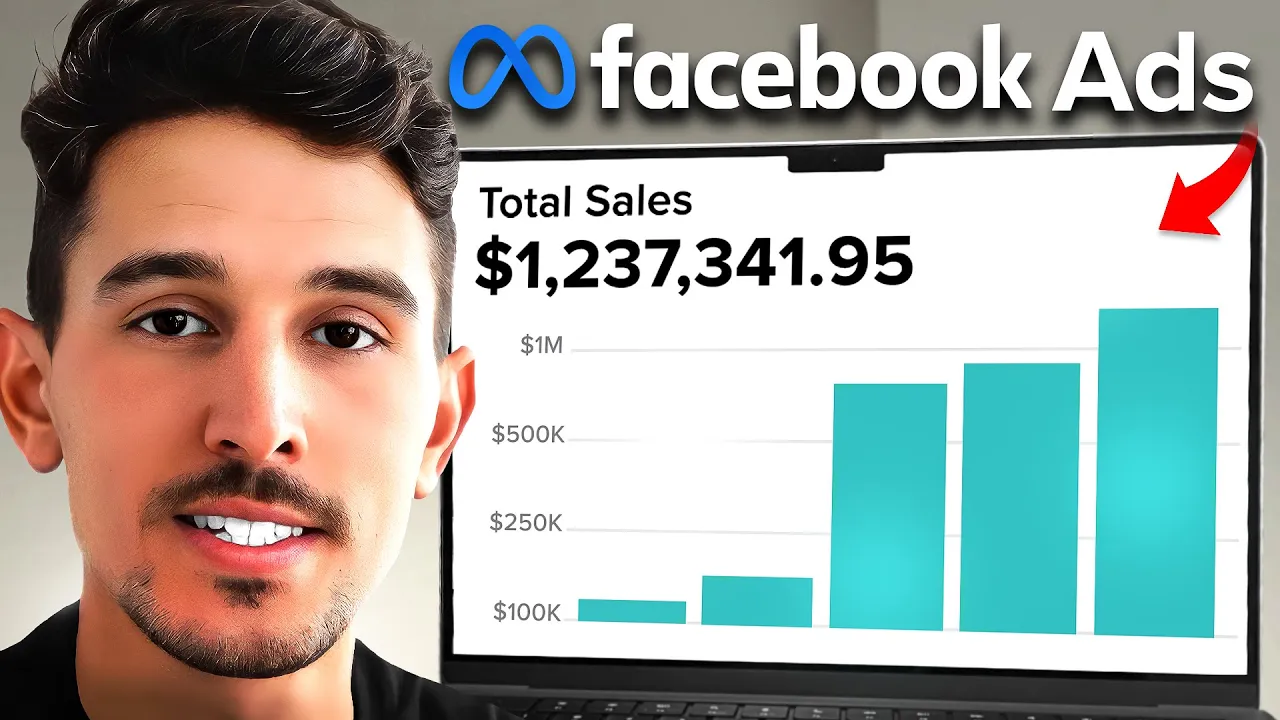
I've scaled multiple e-commerce brands from Seven figures to eight figures using Facebook ads I virtually run ads in every single industry from beauty fashion Wellness all the way to sports hydration cpg and way way more along the way I've ran ads at Vayner media one of the Premier e-commerce agencies in the entire world and then I went on to work at BarkBox one of the largest direct consumer brands in the entire United States with over a million active subscribers today I own and operate the moonlighter where we help Brands scale efficiently and profitably in this
video I peel back the curtain you are going to see my campaign setup my ad structure my ad set structure how we build audiences how we build ads the right number of ads to run the right number of audiences to run our exact graduation and scaling program that we use for all the brands that we work with I'm even going to go as far as showing you the exact columns that I'm using to optimize my accounts today so if you don't have the guts to stick around for 45 minutes or however long I actually make
this video with how much I spill then you're probably not going to make it keep in mind this is very specific for e-commerce Brands if you're running broad awareness or you're retail stores this strategy can change these are for Brands who are trying to maximize their return on ad spend right now or reduce their cost per acquisition we are going to create our campaign structure click the create button click sales and starting out we are creating a manual sales campaign we're going to call this prospecting we're then going to go ahead and create a second
campaign it's going to be another sales campaign and this is going to be an Advantage Plus shopping campaign and we're just going to rename this ASC for Advantage shopping campaign and then you guessed it we're going to create one more campaign here where we actually are focused on existing custom customers so this one here is going to be called retention right off the rip you might notice where's your retargeting why is this your setup why do you only have a prospecting ASC and a retention campaign what we have found is that Advantage Plus is better
at retargeting than an actual retargeting campaign you might ask what if there's some weird case for your brand what if you have a huge list of customers that you need to retarget that's not properly being tracked by the ASC campaign or something like that in that case keep this simple call this retention plus retargeting and then you're going to have your retention retargeting campaign your ASC campaign your prospecting campaign our primary prospecting campaign this is our main campaign this is where all the new creative gets launched this is where everything we test goes into it's
where all of our primary interest groups are it's where most of our creative goes at one point or another the second campaign is our ASC campaign the real core point of this campaign is that anything that works really well in prospecting gets graduated into the ASC campaign and then finally the retention plus retargeting campaign if you have a very specific Niche case where you need some retargeting there then you could push that in there as well how would you separate your budgets how much money are you spending per asset and why high level we just
want to spend money where it's most likely to make money what you want to do is actually back out from retention and retargeting there's a very simple formula that you can use for retention and retargeting to actually derive what you need your budget to be so I'm just going to put retention and then how to decide your budget so you're literally backing this into a frequency based on your audience size first off just take your audience size whatever you have in that specific audience that you're targeting so for example let's say your customer list is
a total of 2,000 people you take your 2,000 people and you take your average CPM in your account you can get your average CPM by just looking at your historicals going over to your ad columns it's in the preset columns performance and clicks and you can just go right here and find your average CPM if you haven't run ads before we're just going to roughly assume that your cpm's like 50 bucks just to keep it super simple so what CPM means is it's going to cost us $50 to reach 1,000 people so in this case
with an audience size of $2,000 and a CPM of $50 that just simply means that it's going to cost us a 100 bucks to reach every single person on our audience list there are some cases depending on what industry you're in where your cpm's like 8 bucks 10 bucks three bucks just know that it's not always 50 if this were the case if this were the example we would need $100 to reach our entire 2,000 person audience roughly so what we're going to want to do here is evaluate how often do we want to hit
this group in totality I'm going to assume that we only have a 50% match rate so we only have a th000 meaning we could reach all 1,000 people for just $50 how often do we want to reach all 1,000 people roughly speaking on average five times per week we're literally just Xing by five meaning you could spend $250 per week on this audience and you will hit them at least five times a pop if you have that 2,000 person audience I would then simply just change this budget to 250 because that's the frequency that I
want to optimize on you could reduce this just look at your frequency and that frequency is literally just the average number of times each person saw your ad next is your prospecting campaign this is going to be set at a CBO level your prospecting campaign budget really depends on what you're trying to do if you're only spending $100 per day I would actually recommend you don't even launch this prospecting campaign and just run this ASC campaign with the retention and retargeting however if you're over that $100 Mark you're really trying to scale your business you
found a little bit of Secrets off so like things are working for you now you really need to introduce that next level Campaign so you have levers to pull within this process expecting campaign this is going to at first represent at least 50 to 70% of our total budget so I'm going to run on the assumption that we have a total of a $1,000 budget and then we can simply take $1,000 minus the $250 we have so far which is $750 and that would be our budget that we could share across ASC and prospecting in
this case I'm going to drop this to around 600 bucks so now we're at a total of$ 850 and then our ASC campaign is going to represent $150 you might ask why on Earth do we have an ASC campaign that's supposed to be our scale campaign with only representing $150 of the budget very simple we don't have winning proven creatives yet that graduation program that I keep hinting at that's so critically important that we're going to get to by the end of this video is so critical that it's done right and that we're not taking
guesswork into what goes into this ASC campaign let's hop in to the settings we're going to start in our primary prospecting campaign this campaign of course is going to be set up as sales we are not going to be using catalogs for this example however if if you are a catalog driven brand if you have 5,000 products or something crazy use a catalog right it's totally fine we are going to use Advantage campaign budget which is CBO then here's the big part we are not going to be using highest volume or value if you're just
starting out use highest volume or value not a problem however if you are not just starting out switch to a cost per result goal and here's your definition of just starting out if your account has over 50 purchases in the last 30 days I have no problem with you switching to a cost cap right here a cost per result goal this is going to be the guiding factor for your entire account we're going to set this to a cost per result goal and that's going to be everything that you need to do on the campaign
level for prospecting we're then going to move to ASC what's weird about ASC is that your settings are actually in your adset level and your campaign level it's a little bit different but let me break it down here so for ASC of course select your Commerce account your web and Shop if you have it your cost per result goal is pre-selected so you just need to enter what your cost cap needs to be make sure your attribution setting again set to 7-Day click one- day view we want to maximize the number of signals that we
have coming into the business make sure your audience locations are correct and then for reporting if you're running an ASC campaign very very easily you can Define existing customers and engaged audiences for our case we are not going to Define anything cuz we are okay with Advantage Plus impeding on our existing campaigns we don't mind moving on down they just remove the existing customer budget cap that's kind of been replaced by this piece right here from reporting perspective and then everything else else stays the same finally moving on to the retention and retargeting campaign this
is going to be set up the exact same way as the prospecting campaign we're going to use sales we're using Advantage Plus campaign budget we are switching the campaign bid strategy to a cost per result goal and we are done I'm going to pull us back for a second now and explain the critical importance of a cost per result or a cost cap basically when we talk about cost caps there is a lot of debate in the industry if it's worth it or if it's not worth it I'm here to tell you that we've tested
this across literally dozens and dozens of AD accounts and and nearly every single time cost caps win the reason that they win is because you are actually guiding Facebook to not spend your money and not overspend I am not talking to the business that does $300 million a year already I'm talking to the business that are trying to grow very aggressively in that $1 to20 million range right now I'm also talking to you guys who are just starting out and have driven 20 30 40 sales but can't get it to happen at the cost that
you need per sale what a cost cap does is it provides guidance if we say Facebook get us a $50 cost cap or we set our cost per result goal to $50 what it's going to do is going to take the last 30 days average it's going to take your CPC your CPM your conversion rate and a whole plethora of other metrics that I literally can't even comprehend because we cannot possibly think quicker than this algorithm can it's going to determine if it could hit your $50 cost cap in the first s to 14 days
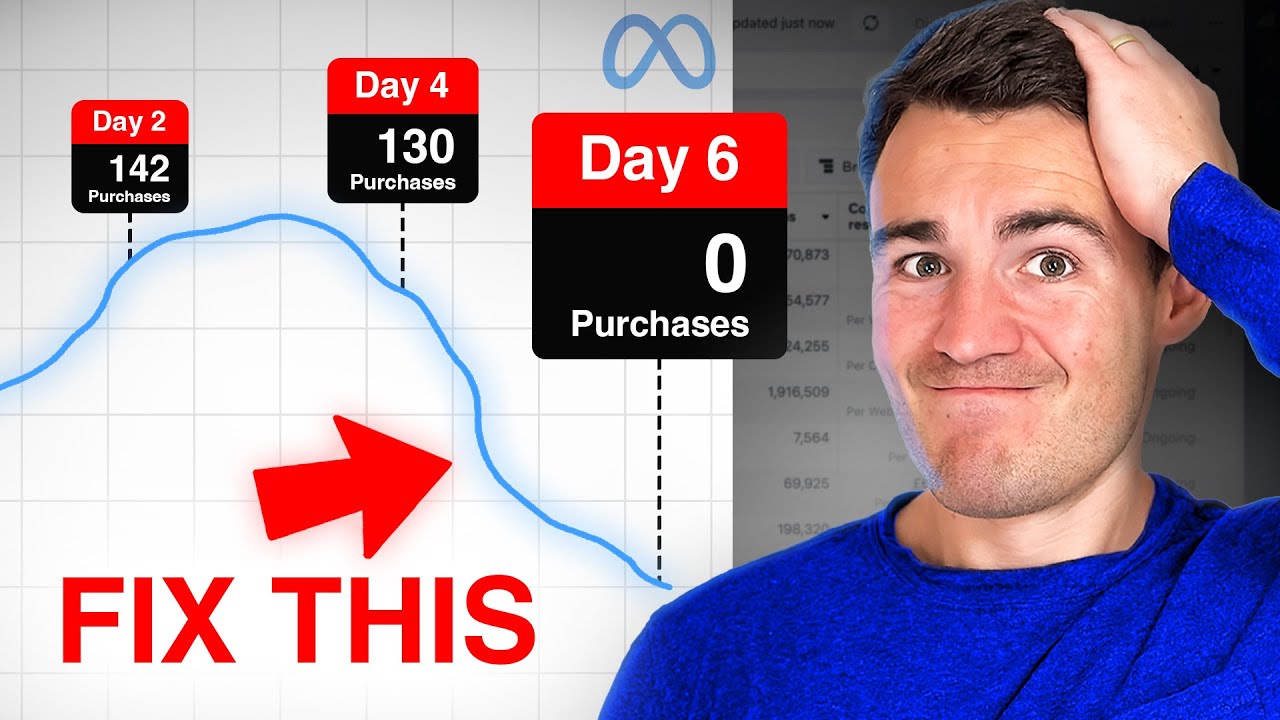
when you run a cost cap you should expect turbulence you should expect a variety of swings and weight waves during this period what this whole setup is about is getting out of that learning phase as quick as possible and letting these cost scops do a lot of the leg work for you you're going to spend drastically faster you are going to hit your targets and Facebook is not going to spend your money if it doesn't think can get the return for you if you can't get the return Facebook will not spend your money as you
can see right here meta will aim to spend your entire budget and get you the most conversions using the highest volume bid strategy that is what's default on every single campaign this first big sent here you're going to spend your entire budget and get you the most and we want to set clear expectations with all the advertising that we do this second sentence here literally wraps it up perfectly for me if keeping your average cost per result around a certain amount is important enter a cost per result goal Facebook is literally telling you on the
label if you need to get a specific row as or a specific cost per acquisition set this number because we are going to do everything we can to hit that number we're going to break down to the adet level this is where a lot of the magic happens Within this formula so the ASC campaign literally does not have an adset it is literally just a campaign with ads the campaign is the same thing as the adset they are on one level moving forward to the actual campaigns that do have adsets first starting on prospecting if
we drill down to our very first adset let's just name this we're just going to call this one keep it really simple you're going to want to run website and Shop if you could sell on the Facebook and Instagram shop you absolutely want to sell there we usually see a 20 to 30% lift by just enabling Facebooks shops and web and Shop optimizations next make sure you select your Commerce account and then because we have set a cost cap or a cost per result Target on the campaign level you have to actually set your cost
per result goal here because this is a complicated formula I'm actually going to break it down at the very end of this ad set section if you set these wrong you might not spend any money or you might overspend your money breaking down a little bit more your attribution settings are 7-Day click one day view you can't edit this you get charge on the impression we are not selecting Dynamic creative and we are not setting an end date nor are we budget scheduling or setting any spending limits on the adet for your audience controls this
is super super important because we're running a primary prospecting campaign they have changed these audience controls so drastically in the last year you could tell right away by just looking at this we can't even set our age limits to this specific audience all we are setting is a minimum age at this point if you've looked into your data if you understand what your age ranges is there a specific gender that works better is there a location that out sizes all other locations make sure you make those adjustments here and furthermore make them at the advertiser
settings level you can find your advertising settings by just going to all tools and going to add account settings this is where you're going to be able to set all your GEOS all your age limits any restrictions that you have Associated to your brand make sure you set them there moving down here we have this very sneaky setting called the Advantage Plus audience for this very first ad set which is going to be a 100% broad audience we're not touching anything we're keeping it completely blank no changes here and then if we go down to
placements this is this is where you could actually edit your placements create block lists inventory filters the only thing I care about here is that we are on moderate inventory this is excluding any sensitive content anything that's kind of just a no no we don't want to show up right beside it however if you're in a case where you just don't care run expanded inventory so that's going to be our prospecting adset settings and you're going to apply the exact same settings on your retargeting and retention campaign that cost per result goal how do we
decide what that goal actually is I'm just going to bring you a formula that allows you to know how you could derive it from different numbers so one of the most common advertising metrics is return on ad spend or Ras often times when we talk about Raz everyone understands where their Ras needs to be to be profitable for example if we're working with a brand that has a 30% margin we might know that their Ras roughly needs to be about three to be profitable if we're working with a brand who has 50% margin they need
to be at a two to be profitable and so on wherever you need your return on ad spend to be I'm going to show you how you can set your cost control to that return on ad spend very very easily just think of your cost control as the most amount of money that you're willing to pay for a new customer to purchase on your site if your cost per acquisition Target is say $100 and then slowly slowly massage it down think about going from 100 to 98 to 95 to 90 and so on what you
don't want to do is cramp yourself just for the sake of making a few extra bucks what you do want to do is work it down to a place that there is some constraint between your budget and your cost control if you want to use your return on ad spend to figure out what does your cost per acquisition Target need to be all you need to do is take your Revenue divide that by the number of purchases and then divide that whole thing again by your row as Target so if you want to hit a
2X you need to set this to a two for example if your Revenue was $11,000 and that $1,000 took a total of 10 purchases and then you divide that by a row as Target of two so you have 1,000 divided by 10 so it would equal 100 divid 2 equal 50 so that means if you set your cost cap to $50 on average that will result you in a $100 purchase and at your cost of goods and your row as Target you will then hit a 2X X row as once you figure out what your
cost cap Target is it's critically important that you roll it out across every single ad set across every single campaign I'm just going to set this to 50 because that's what we just did in that example for our actual Advantage Plus campaign we have to go to the campaign level and then set the cost per result to 50 and it will save automatically for you and same thing on retention and retargeting for this specific campaign you might want to come up just a little bit higher cuz these audiences are going to be tight and Facebook
might not recognize them in this case I would probably p this up to like 60 and usually what's going to happen it's going to overperform and then again you can massage it down to 55 50 and so on biggest question we get at the adset level what audiences do we run we want to set up a 100% broad audience it's going to be our core audience it's going to be everything that gets tossed into here it's going to be where we test a lot really important that we just set up this key number one ads
set broad audience second we're going to literally just click a duplicate button here and we're going to set up interest number one all you want to do is scroll down to your advantage plus audience click audience suggest suggestion you're going to click down on this detailed targeting you're going to click suggestions when you click suggestions you're going to see a bunch of suggestions that are specifically cater to you based on your previous audiences that you've run or just based on the targeting that Facebook can see in your account based on your creatives based on what's
run historically to this ad account and potentially even based on your pixel and sight in this case I would actually suggest you choose the very very first one be mindful of the size of the audience in this case we have like an 18,000 to 20,000 person audience that's just way too small these are all job titles on the right side here in fields of studies so I'm just going to scroll down till we find an interest which is right here this interest as you can see by the audience size we have a 55 million person
interest we don't need to Define this anymore we are using a single Interest next thing we're going to do is we are going to test one additional interest alongside this this exact interest is going to be most similar to the previous one we just created don't worry about overlap it's really not a big deal especially when we're dealing with 60 million potential people there's just so much money to be spent into these audiences the thing that I get asked all all the time how do you launch new ads into your existing campaigns or your existing
ad sets whenever you have a new ad that you need to launch in your account completely new set of ads four to six ads that you're going to launch you simply take this 100% broad audience you quickly duplicate it and we're just going to use the most basic naming convention we're just naming this broad Pack 2 you might want to add like the date these things have launched just so you can keep a good eye on things but you don't need to overwhelm yourself with this that's everything I would recommend from a prospecting perspective for
retargeting and ret attention this is where this gets way more interesting because you have to use your existing customer data to actually inform What's Happening Here If you have a business that does $500 a year and you've just started this is going to be so much different than a business that does $20 million a year I want to cater this to everyone but I want to also be realistic I'm going to hit someone who's in the 500k to a million doll annual revenue for their store right now just know that you could modify this to
be greater than that if you have bigger audience sizes or substantially smaller than that if you're just starting out the most highest value for us right now is site visitors 30 days anyone who's been to your site over the last 30 days smack it into a new audience the second one that we're going to set up is a add toart 90 days cuz these are going to be more valuable than just the site visitors over the last 30 days that's why we expand that to a 90-day window what I would say is if you're just
starting out push these two together add to car at 90 and site visitors 30 the next thing that's important here and I'm not going to go through this in extreme detail but exclude your add to cart 90 days from your site visitors 30 days this is a higher value audience and therefore it should be excluded from the other we don't exclude these from your advantage plus we don't exclude these from your prospecting we don't mind the overlap there but we just need to make sure these are here and they're visible and they're happening next piece
we are going to actually continue to quickly duplicate these and we are going to move on to the retention side of this so retention literally just stands for someone who's transacted for your business they've given you a dollar before that's pretty much it what we're going to want to do is take purchasers 180 days which is going to be the maximum amount you're pay pixel could actually handle a purchase event then we're also going to take purchasers all time this is that inflection point where if you're a really large business and you have thousands and
thousands and thousands of purchasers you then want to expand this actually to instead of just purchasers 180 days and purchasers all time we should go purchasers alltime 2X and these are going to be people who have purchased more than once from you which is going to be a substantially higher value audience than anything else across the board this is our most General setup and please be mindful you could modify this but don't go off the- walls with 36 different audiences here that are all spending different amounts per day on an campaign run a CBO campaign
keep this simple run three five six seven different audiences in total we definitely want to add to cart 90 site visitors 30 purchase all time purchase 180 and multiple purchasers if your business is big enough let's talk about ads and ad settings I'm just going to go into one random campaign and just open up a random ad here when you get into this specific ad I think there's a couple things that are just really important first off name your ad properly don't just throw a random name in there name it something that you actually know
and can identify for example if we're selling makeup we're literally just putting makeup one and then at least put the date that this was launched so you could actually identify it with something I'm just going to break down our basic settings for all of our ads and then I'm going to tell you exactly what types of ads you should be running how many ads you should be running we're using manual uploads we are not selecting multi- Advertiser ads take that off it's garbage you're going to show up next to Teemu and that's about it then
as we scroll down when you're adding your media make sure you add a combination of videos and pictures which we're going to get to so for your primary text and your headline and your description enter one of each because every time you enter another variation here you could potentially reset the ad and reset your engagement especially as you're cutting these variations out over time moving down we are selecting optimize text per person your call to action 9 out of 10 times is shop now it could be learned more and then when we go to our
destination select website and Shop very very important if you're running Facebook and Instagram shops select website and Shop if you're not set yourself a URL in your url parameters set a UTM parameter just create that string of UTM that it will attach to everything this is going to allow to see your data and what's actually working for you in platforms like Google analytics or your Shopify marketing dashboard and not just rely on the native Facebook click IDs now the big question how many ads should we be running per ad set no matter which way I
shake this out no matter how much budget I spend four to six ads is The Sweet Spot I'm literally talking if you're spending $100 a day or you're spending $10,000 a day four to six ads just seem to work the best here's my theory on why this happens I basically think that Facebook really quickly identifies two to three of those ads that just stink Cuts them out real quick they usually get somewhere between like 5% of the spend then you're really dealing with a battle between two and three creatives when you have just six ads
in there and there's two or three creatives that are battling for that top spot there's a good chance that they all get a healthy amount of spend they all get tested vigorously and it actually allows the winning ad to outperform and win what I find is that when we get to that 8 plus range or really like 10 plus range then we start start to get into that scenario a sad face here but when we get to that 10 plus range in ads we kind of just get to the scenario where it feels more random
it doesn't feel like the right creative always wins and when we look at that 10 plus ads across multiple ad sets the same ads don't always win which is a little weird when we look at the four to six most of the time the same ads win which is an indication of a strong creative and not an algorithm flaw what's the next question what kind of creative should you run for your brand so you know you can run video ads you can run Statics and then you can run catalog you absolutely have to try everything
I'm I'm just going to show you our creative Playbook this is our literal Playbook from inside of the agency so feel free to get crazy on it from a creative perspective there are basically as I mentioned three creative formats images videos and cataloges first and foremost for images what we can do here is first we could have a product on a flat background a studio product imagery shot we can have a text Bas image real ugc studio ugc and Studio model imagery there are so many differences across all of these take note of each of
these Google them there's all different kinds here similar story on the video side we have text based video which is going to be very fundamentally basic video we have real ugc so it's like actually someone who's leaving a review for you then we have studio ugc so that's someone that you paid to leave a review or paid to talk about your product moving down we have Studio model video and this is like very professional very well shot finally the catalog right and we've talked about catalog a little bit throughout this now I just want to
be really really clear what's so important when you're running a catalog ad is that you actually have the most relevant features within your catalog do not just allow the normal Shopify feed to just do its thing edit your descriptions of every single product in your Shopify store and furthermore if you have hundreds and thousands of products use God data feed use channable in terms of optimization what we do for the graduation process of ads we take those four to six ads that are running in that broad audience if those four to six ads over the
course of a 2E period outperform are average ad and now when I say outperform I generally mean number of purchases spend and row ads so once these four to six ads run for about 2 weeks if you have a very clear winner in this ad and when I say winner I'm talking it beats not only the ads within this 4 to six within this audience but it beats most of the other account so generally winner equals top 10% of your entire performance if all of this criteria is met congratulations you can graduate this ad from
your normal prospecting campaign in to your advantage plus campaign once you do that you now have an Advantage Plus campaign that has proven ads that you know work for you it is proven because they are working in a broad prospecting campaign already now what do you do with the ad set that's already working don't touch it keep your ads where they are where they're performing create duplicates of those ads potentially even using post IDs to actually scale Those ads steadily cuz we're using proven ads proven engagement proven row ads or cost per acquisition and we
are scaling them into that ASC campaign how are you actually optimizing the ads Within These ad sets so you're in your second interest and for the sake of this role play with me here instead of one ad we have four to six ads in here let's just say it's six in total all I want to look at are the core metrics I want to understand what's driving purchases what's not driving purchases that's how we're going to decide what needs to get paused and what needs to be kept just make sure in all cases every single
ad that you run has probably between 10 and 14 days to run second whenever you're running these ads if you see an ad that has a particularly High click-through rate or your cost per click is low your outbound clickthrough rate is very high one or the other but it's not converting that is an excellent opportunity for you to take that to your creative team and say hey there's something off here our clickthrough rate's really high the message is strong but we're not converting or vice versa the CPC is really low we not we're not sure
what's going on here what's even better for you is when you have an ad that converts really really really well but the click-through rate is so low cuz that just means you need to work on the hook really focus on each concept of the ad especially if you take a lot of time in creating your ad it's very important cuz that some of these little unlocks could happen so easily with just one or two iterations you don't actually need to go above and beyond and create new Creative Concepts every single day all the time I'm
actually going to break down the exact columns that we use they are preset into this account and I think these are just so important for everyone that's scaling the most critical columns that you just need to have are your fundamental setup columns delivery actions adset name bid strategy and budget that's going to be what's happening what's most fundamental here the second fundamental in terms of kpi guys are going to be amount spent purchases cost per purchase purchase conversion value which is just Revenue bras after that everything else is a little bit secondary from account to
account we might change some of these things first I love to have add to carts in every single account I run with I like to have initiate checkouts as well and I like to have cost per initiate checkout and cost per ad toart they're just going to give me really quick gut checks on creatives or adsets because generally what we see is a direct correlation to better or cheaper ad toart rates and cheaper cost per purchase rates beyond that are secondary metrics that I think everyone really should have in every single one of their dashboards
but we're not literally over obsessing about our reach or our Impressions or our click-through rates we want to pay attention when we're doing the right analysis for them I like outbound or link click CTR cost per link click frequency reach Impressions and CPM this last piece CPM I always put this at the very back end of my column set cuz it's so easy for me to do a little flick here and get a quick pulse at our CPM if there is any metric that you're thinking is not important here this one is CPM is your
measure of how expensive it is to advertise we have our column sets we've graduated ads from prospecting into ASC how do we optimize out of ASC and how do we avoid a situation where ASC just has 100 active ads in it all the time once we've graduated ads into this campaign the next most important piece is knowing when to pause them down in all cases no matter what we give every single ASC ad two full weeks to run however 99% of the time you are only taking ads that are proven and putting them into ASC
so I think I think that's so key here this will only break when you don't follow the process properly so if you're just taking ads that you think are going to do well and put them into ASC then this is going to break all the time ASC needs to be winners only it it's proven they are winners they are in the top 10% of your account period once you set this formula you go back to your ads manager and this is the easiest campaign to optimize because there's nearly no settings that you can adjust the
only two settings you can adjust are your cost per result goal and your budget because your cost per result goal is set based on what you need for your business relative to your target don't touch it if you are in a casee where your budget's not being spent or spending like 30% of your budget or something you might need to give this cost per res goal a few extra dollars to spend don't go too far you probably need to reevaluate your creative if your cost per result goal is not being hit every time you scale
you have to understand that there's going to be thousands of Impressions these are all my examples of Little impressions and some of them maybe the longer ones are worth more and the shorter ones are worth less so these all happen within one day within the next 7 Days Facebook gives us the window to to convert if any of these people convert within the next 7 days and you pause your ads too early or you pull back your budget you're going to see that these conversions start to trickle in here what I want to be mindful
of is that when we ramp up our budget for that first period of time two things need to happen Facebook needs to find more profitable people out there this is going to be expanded and there's going to be a lot less valuable people in this circle the next thing that's going to happen is a lot of people are going to enter this 7-Day window cuz a lot of people are going to click and enter that 7 day window once they're in that 7-Day window you have to be patient so if you double your budget you
should expect a significant drawback in your performance over the short term if you increase your budget steadily 10 to 15 to 20% increments especially on the ASC campaign you should see less craziness less turbulence but still expect overall a little bit of a pullback followed by overall greater exposure you could probably take this video break it down word for word and literally dissect it to apply it to your account but it's going to take you dozens and dozens of hours maybe weeks to really get this full setup in play now if you're running an e-commerce
store regardless of the size you're probably focused on a 100 different things so if you want someone to help you with your ads whether it's an entry-level expert all the way up to our complete White Glove service that turns seven figureure Brands into eight figures Brands hit us up at the moonlighters doco the links in the description and if you have any specific questions or comments let us know in the comments below hit the like button and subscribe I look forward to providing a ton more value thanks everyone bye



![The NEWEST Facebook And Instagram Ad Strategy For 2024 [Beginner Guide]](https://img.youtube.com/vi/u_QaA5Hzbvo/maxresdefault.jpg)