As night ushered in a hushed silence over Vietnam’s Mekong Delta, Petty Officer David Larsen sat nervously in a patrol boat as it cautiously made its way through the dense jungle along the perilous upper Saigon River. It was August 2, 1969, and the 21-year-old gunner’s mate was part of a team with a vital yet risky mission: to set up a two-boat waterborne guard post on the murky river and intercept hostile river traffic. Also on board was a six-man ambush team charged with protecting the pair of patrol vessels from any land-based threats.
As the fiberglass boats reached their position, they cut their engines and quietly glided toward the riverbank, where Larsen watched the six soldiers leap onto the shore and quickly disappear into the darkness of the trees, unsure what lurked among them. Waiting with anxious anticipation, Larsen wiped beads of sweat from his brow. The tension was made even more unbearable by the suffocating humidity.
Suddenly, the silence was shattered by a staccato volley of machine gun fire, swiftly followed by the thunderous boom of rockets exploding. Larsen had a bad feeling about this one. Moments later, his fears were confirmed when a distorted, panic-stricken voice came blaring over the radio: the ambush team had been seriously outnumbered and desperately needed help.
The patrol crews were under strict orders to stay on their boats come what may, but he wasn’t about to let his buddies bite the dust on the jungle floor… David R. Larsen knew exactly what he wanted to do when he graduated from high school in 1966: join the Navy. Leaving his native Kansas for boot camp in San Diego later that year, he soon found himself at Naval Station Bremerton in Washington.
From there, he set sail with the 7th Fleet aboard the supercarrier USS Ranger, crossing the vast Pacific Ocean to the coast of Vietnam. However, on January 23, 1968, just as Larsen and the rest of Ranger’s crew were preparing for some well-earned rest and recreation after a month on the combat line, the supercarrier urgently became required elsewhere. The world’s attention was suddenly diverted from Vietnam as the shocking news broke that communist North Korea had captured the American spy ship USS Pueblo along with her entire crew while engaged in an intelligence-gathering mission in the Sea of Japan.
As Ranger was one of the largest warships in the Pacific region at the time, Larsen soon found himself bound for the treacherous icy waters off the eastern coast of the Korean peninsula as part of Operation Formation Star, President Lyndon B. Johnson’s plan to present a show of force and pressure the North Koreans into allowing for the safe return of Pueblo and her crew. As the two sides stared each other down, the Cold War looked set to erupt into a full-scale conflict at any moment, and Larsen was right on the frontline.
Fortunately, the crisis moved toward a diplomatic solution, which eventually saw the release of all surviving crew members, leaving Larsen and Ranger free to return to the warmer climes of Southeast Asia to complete their tour of duty. USS Ranger returned home in May 1968, and Larsen married his sweetheart Mary Atherton the following month. Before long, however, Vietnam came calling once more.
This time, he wouldn’t just be operating off its coast but heading into the heart of darkness itself as a member of the River Patrol Force. The Navy had created this in December 1965 as part of Operation Game Warden, which aimed to prevent the flow of fighters and supplies being sent via waterways from Cambodia to the Viet Cong guerrillas in the hotly contested Mekong Delta region. Before leaving the United States, Larsen had to undergo special training in preparation for joining the River Patrol Force.
Firstly, he was given Vietnamese language classes, necessary for questioning any locals acting suspiciously on the river. However, now that he would be undertaking high-risk missions, he was also required to complete survival, evasion, resistance, and escape training to deal with any eventuality. Upon his arrival in Vietnam, Larsen was assigned to River Division 593, River Patrol Flotilla FIVE, Task Force 116, and began serving on board a “Patrol Boat, River,” or PBR, as part of a four-man crew, made up of a First Class Petty Officer who captained the boat, an engineman, a seaman, and a gunner’s mate, with Larsen taking on this last position.
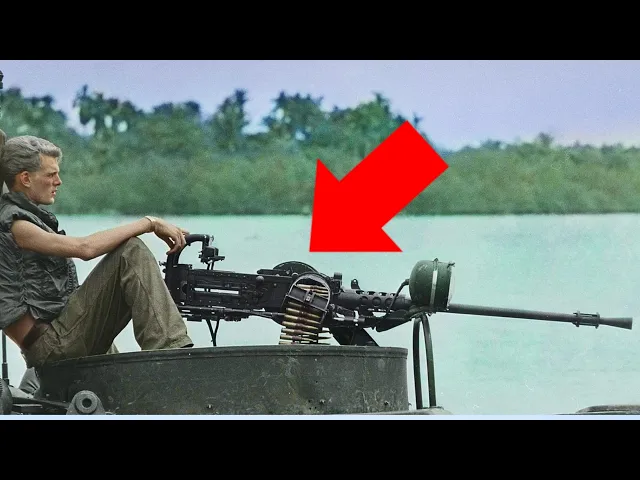
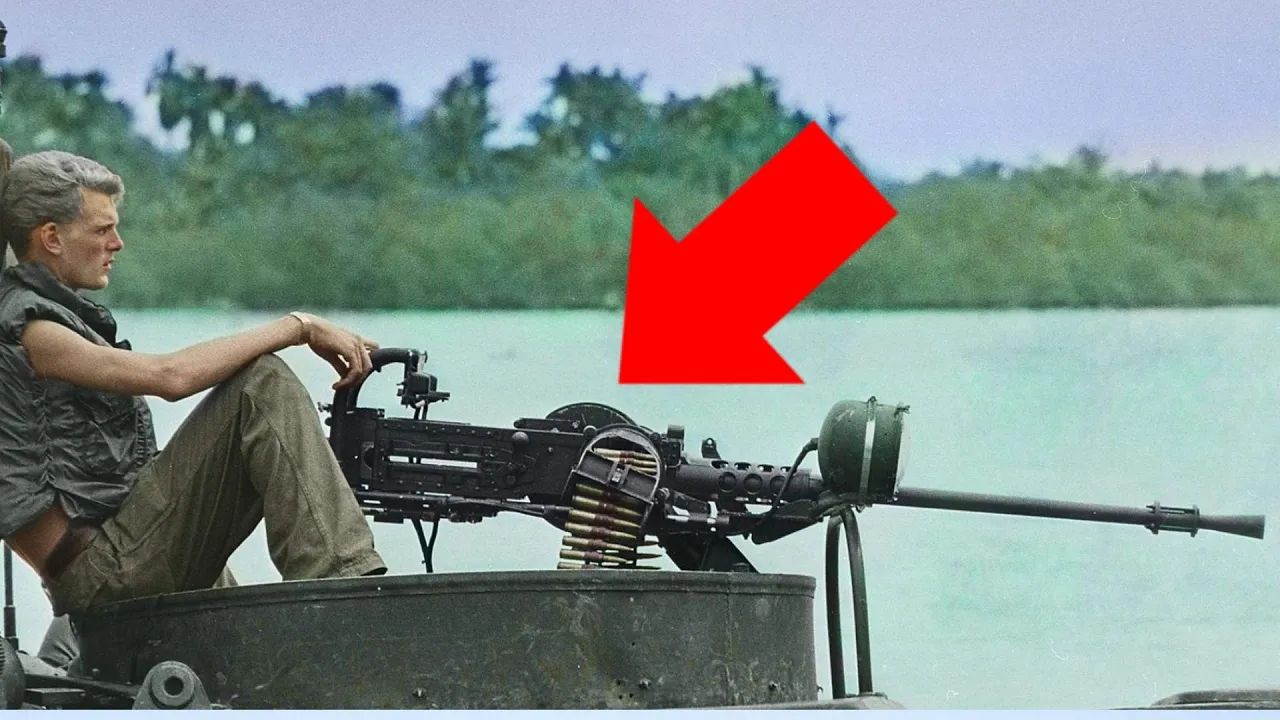
The crew was cross-trained so that they could function in each other’s roles in case anything happened to a team member. The 31-foot, 14,600-pound fiberglass PBRs would often work in pairs, with one boat stopping and searching river traffic while the other would hang back and watch for ambushes. In case things got hairy, the boats were typically equipped with two .
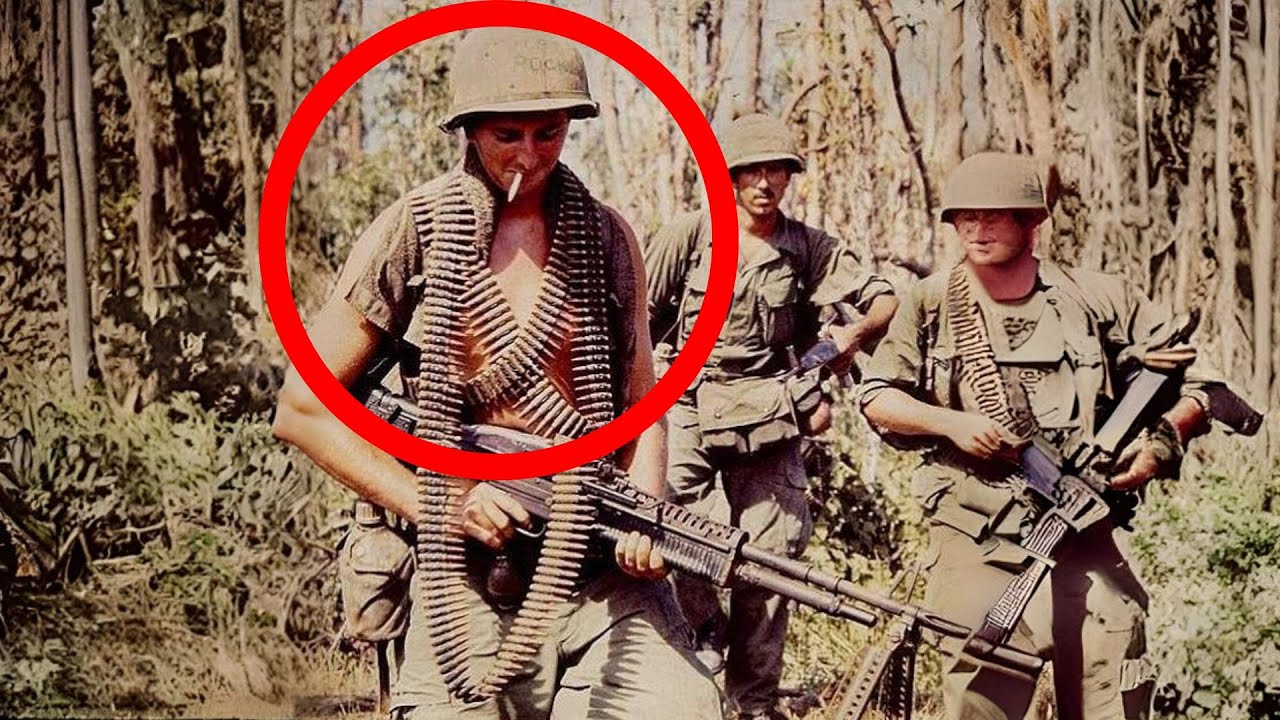
50-caliber machine guns in a turret at the bow and a third mounted at the stern, as well as pintle mounts along the side of the boat for one or two M60 7. 62 millimeter machine guns. Weighing a staggering 30 pounds when fully loaded, the M60 was nicknamed “The Pig” because of its insatiable appetite for ammunition.
Just after sunset on August 2, 1969, David Larsen and his three fellow crew members headed out on PBR 775 to set up a guard post on the upper Saigon River with another boat. As night began to fall, Larsen kept a careful watch on the turbid river for any sign of movement as the PBRs’ twin jacuzzi water-jet pumps propelled them toward their position. The dusk-to-dawn curfew was now in place, so the crews were expected to treat all traffic as hostile.
Joining them that sweltering summer evening was a six-man Long Range Reconnaissance Patrol, an elite, rigorously-trained Army unit that would function as an ambush team, hunting down any Viet Cong fighters roaming the surrounding jungle and providing additional security for the PBRs in case of attack. Before setting up the guard post, the boats dropped off the ambush team on the riverbank, taking care to do so as quietly as possible to avoid detection. Larsen watched as the soldiers vanished among the thick foliage.
The PBRs then took their positions, and for the young gunner’s mate and his crewmates, the waiting game began. Batting mosquitos away from their faces while they listened for anything that might be coming their way. Nobody knows how long they were sitting there in the darkness.
What is clear is that, at some point, Larsen and the other men on the PBRs were startled by the sound of machine guns and rockets ringing out from somewhere in the jungle nearby. The crew exchanged firm glances before manning their machine guns as quickly and as quietly as possible, poised to deal with whatever might happen next. Larsen tried to peer through the trees to see what was going on; it was too dark to see, but he could sense something was wrong.
All of a sudden, their radio crackled to life. The frantic voice on the other end was a member of the ambush team - they had engaged a group of four enemy soldiers but soon realized they were part of a much larger force and were now in way over their heads. They needed help - fast.
However, the PBR crews did not have permission to leave their boats under any circumstances. Some members of the crew began debating what to do. Larsen didn’t think twice.
This quiet, unassuming midwestern farm boy was really a man of action, and he knew they didn’t have a second to waste. They could deal with the heat from their superiors later - right now, there were some American soldiers out there in urgent need of backup, and nobody else was going to give it to them. Larsen would later say: [QUOTE] “It just comes to you that you need to do it to get the job done, and these people were hurt so I’m going in to take care of them and make sure they got out.
” Without a moment’s hesitation, he grabbed the M60 machine gun from the side of the boat and jumped onto the riverbank, almost falling into the water as he caught the ammunition belts his crew threw him. Despite being somewhat weighed down by the hefty M60 and the multiple ammunition belts, Larsen boldly charged into the jungle with only the chatter of machine gun fire and the flashes of rockets lighting up the night sky to guide him. Sprinting through the undergrowth as fast as he could, he soon found himself in the midst of the action.
As he arrived on the scene, he could immediately understand why the ambush team had called for assistance. Three of the six men had already lost their lives, and two more were seriously injured and in desperate need of medical attention. Meanwhile, the enemy appeared to number at least thirty-five, maybe even as high as fifty.
It seemed certain that the ambush team was about to be overrun at any moment. But not if David Larsen had anything to do with it. Entering the fray just in the nick of time, he quickly identified a nearby position of three Viet Cong fighters.
Letting off a solid burst of ammunition with his M60, he successfully neutralized one enemy soldier and sent the other two desperately fleeing for their lives. Yet, the courageous petty officer didn’t stop there. Determined to hold off the Viet Cong onslaught for as long as possible, he firmly stood his ground, essentially forming a one-man perimeter defensive position as he pumped out a seemingly endless stream of bullets from his machine gun.
However, the intense enemy barrage on Larsen’s position refused to let up, and, vastly outnumbered, he knew all too well that the odds were stacked against him. He didn’t know how much longer he would be able to fend off the attack. Fortunately, the fearless Larsen’s unexpected intervention managed to keep the Viet Cong occupied long enough for his crewmates to drag the wounded men out of the danger zone and begin administering medical aid.
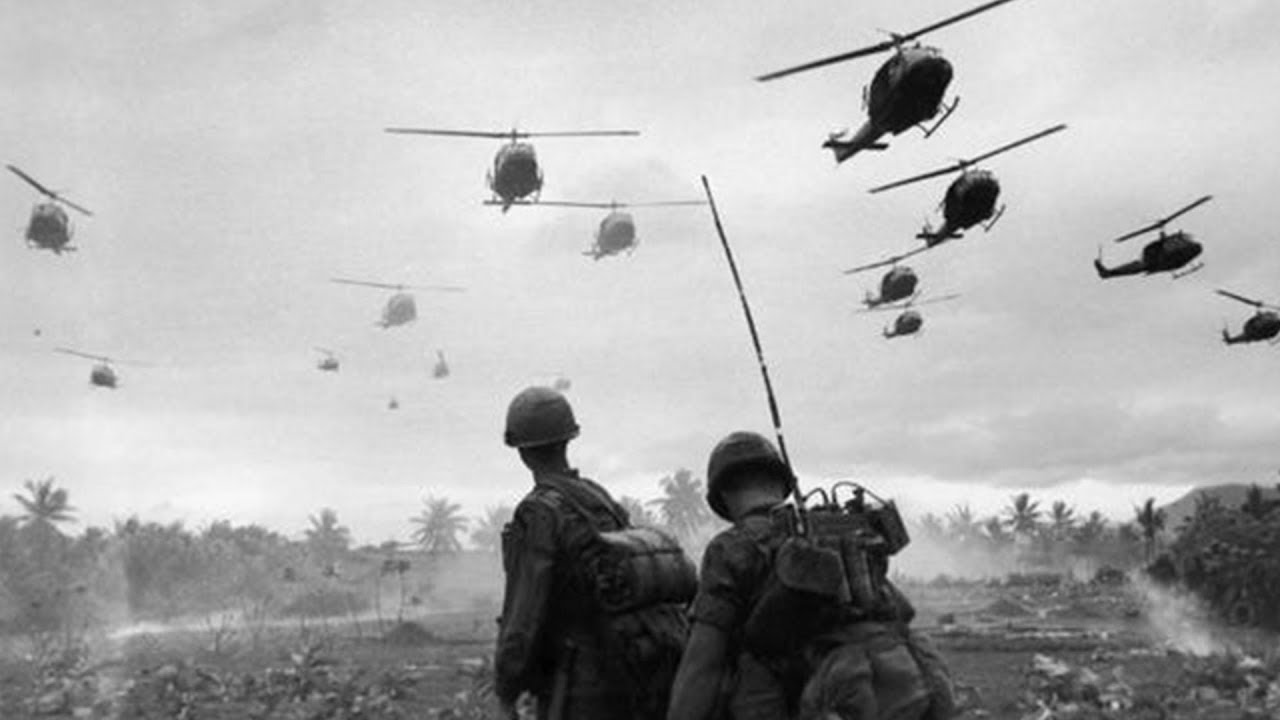
Soon enough, the comforting, heavy, thudding sound of a medical evacuation helicopter echoed over the jungle. Larsen continued single-handedly laying down machine gun fire as the helicopter found a space to land, and the casualties were hurriedly loaded in and whisked off to safety for further treatment. Larsen’s heroic actions that night successfully saved the lives of the three remaining soldiers from the ambush team, who otherwise would almost certainly not have made it out in one piece.
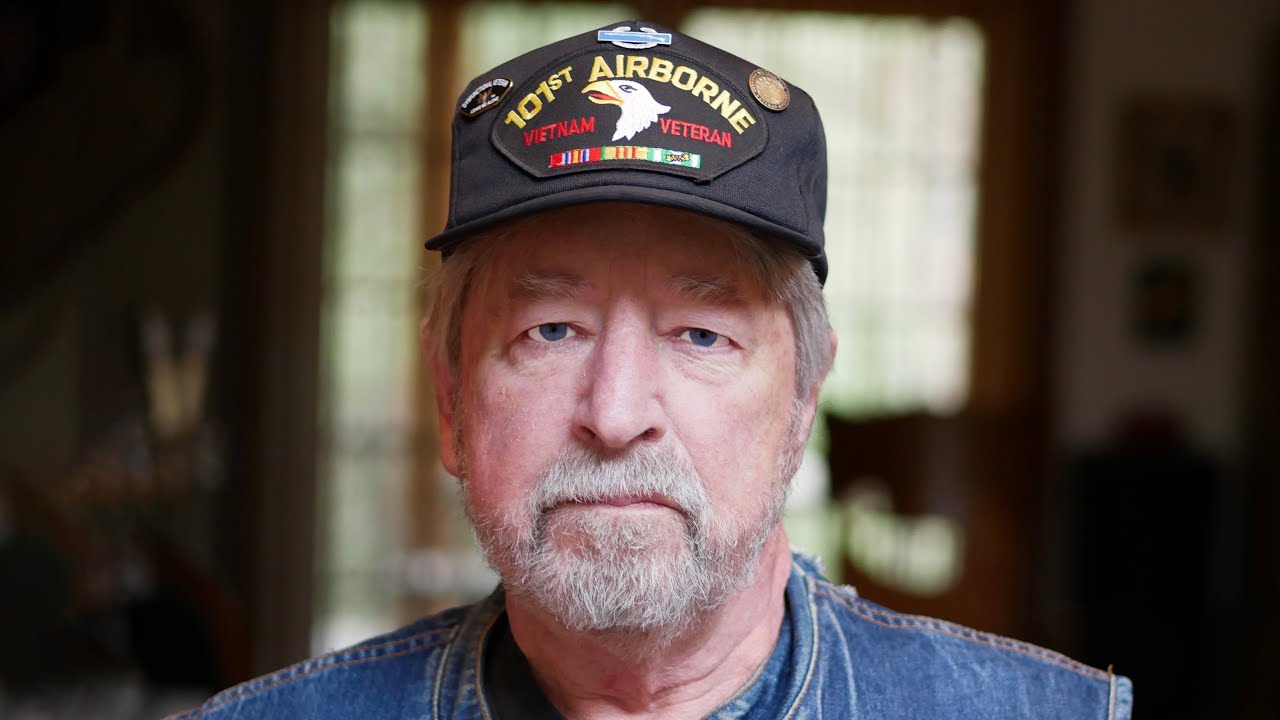
Rather than being punished for having disobeyed orders by leaving his PBR, Larsen’s dauntless bravery was recognized by his superiors, and he was awarded the Navy Cross. Over the course of his Navy career, which continued on USS Oriskany in San Diego and then as a member of the Navy Reserves, he would also be given the Bronze Star Medal, two Purple Hearts, two Navy Achievement medals, a Vietnam Camp Medal, National Defense Medal, Armed Forces Experience Medal, Vietnam Service Medal with six stars, Combat Action Medal, Presidential Unit Citation Medal, Gallantry Cross Vietnam Medal and the Kansas medal for serving from the state of Kansas. In his hometown of Parsons, Kansas, he has also been honored by the mayor of the city with a David R.
Larsen Appreciation Day and a street named after him. In November 2022, he passed away peacefully at home at the age of 75.