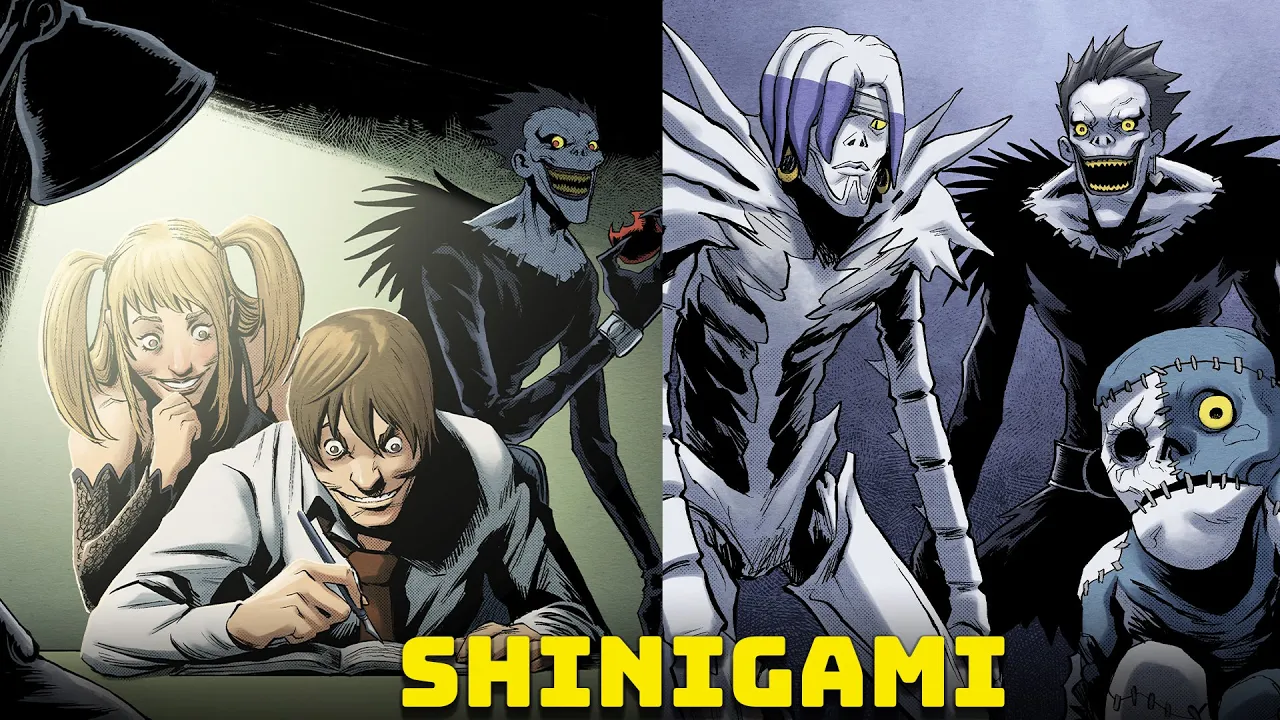
have you ever heard of Shinigami these are mysterious and mesmerizing characters from Japanese culture often featured in anime stories manga and legends the word Shinigami can be roughly translated as gods of death or spirits of death essentially then Shinigami are like Guardians of the underworld they're not necessarily scary they have unique and interesting Personalities in many stories but don't just think of them as villains they play an especially key role in Japanese culture they are responsible for guiding The Souls of people who have passed to the next World the Shinigami are tasked with making sure
that the souls of people who have perished are guided correctly to the spirit world they do not bring about death but appear when it is time for a soul to leave think of them as guides or Messengers between our world and the next they also bear responsibility for keeping the balance between life and death this implies that they need to make sure that everything happens as it should without inter ference or mistakes in some stories the Shinigami may even have books or lists with the names of people whose time to go is Drawing Near so
that they can be ready to guide them some may be shrewd and kind While others may be mischievous or mysterious this variety can make the stories of Shinigami interesting as each of them can have an unusual way of dealing with their responsibilities Shinigami were not initially depicted as physical entities in Japanese literature they were more conceptual often associated with with death and fate but not personified as specific characters this more abstract nature reflected the traditional Japanese view of death as a natural and inescapable process without the need for a specific agent to cause it as
Japanese literature and theater developed during the etto and Magi periods the Shinigami started to be portrayed more tangibly they were often connected with stories of tragic deaths acting as entities that influenced or LED individuals to meet their end in interaction with the West during the mai period and later brought many cultural and social changes to Japan this also influenced the concept of Shinigami possibly inspired by Western representations of death or the Grim Reaper the Shinigami started to be seen as specific death gods or Spirits this development reflects the blending of traditional Japanese beliefs and ideas
with Western Concepts among the most well-known Tales from them is the story of one Shinigami who came across a desperate man who was trying to reach death but the Shinigami told him that life is like a candle and is only extinguished when it burns out and that the candle representing the man's life still had a long way to burn to encourage the man the Shinigami taught him how to ward off death by driving away other Shinigami so that he could earn some money and change his life but the man soon gets greedy as he is
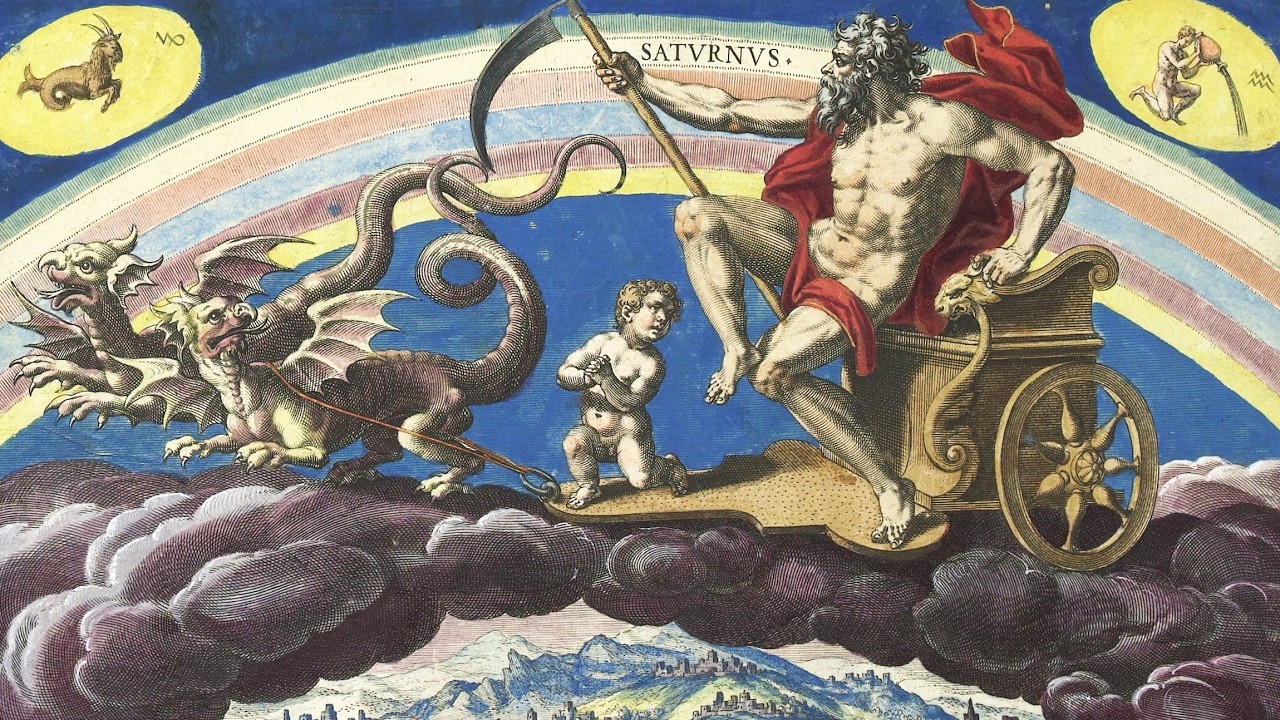
earning a lot of money with this new power and ends up burning the life candled even faster dying just when he wanted to live the most whereas death in the west is often seen as something to be dreaded traditional Japanese beliefs regarded as a normal part of the life cycle Shinigami are seen as agents who maintain this natural cycle different from the Grim Reaper who is often depicted as a terrifying entity wielding a scythe and the embodiment of death itself the shinigami's role is to ensure that people die at the appointed time despite his often
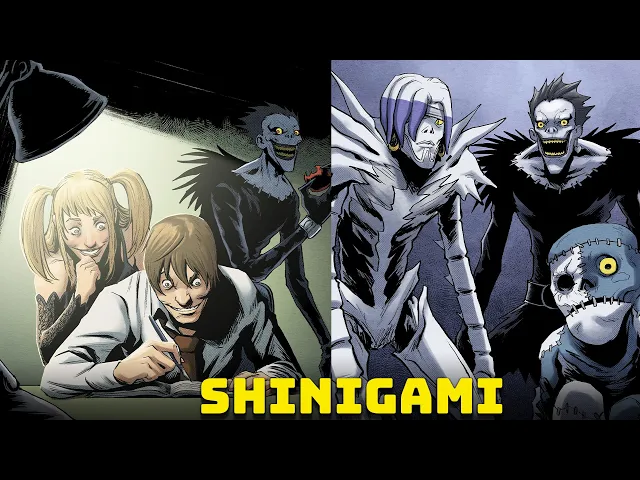
frightening appearance the Shinigami has no intentions of scaring the dying he tries to calm them down and leads them peacefully to the other spiritual realm Shinigami have been completely reshaped into complex and often charismatic figures in the 20th century and especially at the beginning of the 21st with the rise of media such as Manga and Anime a notable example is the Death Note Series where the Shinigami are depicted as powerful beings who manipulate life and death with their own distinct personalities and motivations This Modern portrayal contrasts strongly with more traditional representations and reflects the growing
influence of popular culture on mythology and folkal for