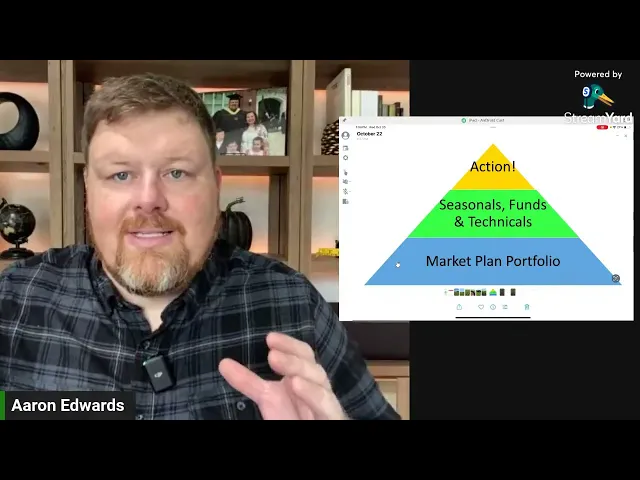
hello my name is Aaron Edwards co-founder and Market consultant of Santos Springs we offer grain Marketing Solutions to producers and multiple countries Welcome to our w2h grain marketing channel go ahead and hit the Subscribe button I also recommend tapping the Bell so you get future notifications and if you like what you see hit the like and share this video with other farmers who care deeply about their grain marketing if you are a corn or soy bean farmer your Revenue depends not only on your production but also the answer to three simple questions when how much
and how you sell one W when 2 H's how and how much our w2h mentorship provides a clear concise and custom approach to answering each one of these three questions for your specific Farm throughout the year before we start this week's content It's always important to remember that trading in Futures products entails significant risk of loss which must be understood prior to trading and may not be appropriate for all investors this commentary and the information contained within should be considered Market commentary and reflect the opinions of the author for those of you watching this with
a delay if you are a US corn or soybean farmer and want to stop being held hostage by market uncertainty let us teach you how to place each one of your bushels in a grain marketing strategy specifically designed to optimize your Farm's Revenue click on the link and we'll work together to see if our w2h mentorship is the right Nick step for your grain marketing for another edition of our weekly update on markets there this this week I believe we go down as a an important technical week and a record setting fundamental week we will
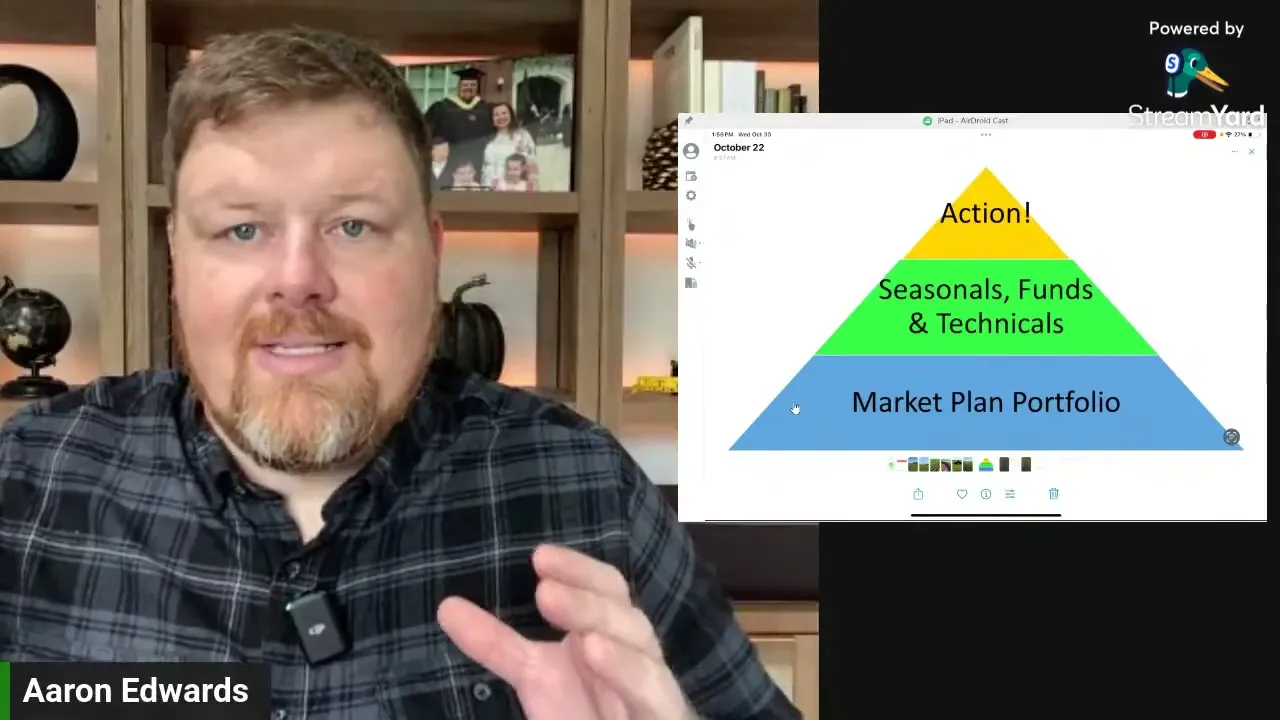
just get in just a little bit we'll get into the market update but we before we do so I always want to just start with the action plan right if you're busy you're just wrapping up Harvest you're worried about a thousand one things and you can't watch the full video want to make sure that you have the takeaway so I'm going to go ahead and pull up the the screen here and we're just going to start out with action and then we'll back into the thought process behind it and we'll fill this all out together
but if we want to look for this week if you are a corner soybean farmer and you're looking to make sales I will walk you through the justification but there is no action required this week on your selling strategy in my opinion so we'll talk about all the nitty GD we'll get into all the details but if you're too busy to watch the rest of the video can't go through that go ahead and and go on with your day and watch this when you have time later on down the road but let's it is an
important week it's just I don't see a need from a sales standpoint so let's go back to uh go back to talking a little bit about Market commentary and what we can expect so I wanted to pull up some images here let me get uh we get to this one later let's start with with this so many of you may know um this is a picture of Brazil production and let me see if I can get this to where we edit it Mark it up a little bit um well this is the main one I
wanted to show you uh there we go we get it big and then some technical difficulties here yeah that'll do it okay uh let's get this off to the side all right so if if you're watching last week this is what we had we were sitting right here at 177% it's not marking it up at the bottom we sitting here at 17 % um planted right there 17.6% planted that's soybeans in Brazil soybeans in Brazil were 17.6% planted and I had said I had said that hey you need to get over 30% by the end
of October to have a decent shot at Double crop corn so a lot of the bullish story was okay um there's 17 % planted they're behind schedule well Brazil went out and planted almost 20% of their crop that is insane in one week they planted 20% of their crop and they are no longer delayed they're actually almost three percentage points faster than their fiveyear average on planting pace so the whole story of Brazil soybean planting is late that story is in the rearview mirror um and we actually have some pictures of from down there so
let me get let me scroll through here and let's just look through some of the images this is from a customer in Brazil and a farmer these are earlier planted soybeans so this this is uh beans that were planted some time ago you can see they're pretty welld developmentally and that's his setup there it's got the bins the shop the some solar panels looking real good the beans this obviously isn't what was planted last week right these are older beans and he's proud to share the pictures he also showed this was their Terrace is they're
doing a little bit different they copied this from how they were doing some Terraces and some groundwork for uh for sugar cane in their region and they're using it the main reason to set it up this way is is to get their they have big machinery to be able to get that in and out there they are spraying so developmentally the good beans in Brazil this is about what they look like right now and all as well and in this particular region plenty of rain as well so um that's the crops crops are looking good
planting delays are over now if you know a little bit of my uh philosophy of working I would much rather watch buyers and sellers than fundamentals just looking at fundamentals it's like oh good crops no delay price down we're going to see a little bit of that but I want to there's a little bit more to understanding how prices are formed and the decision about marketing is Downstream from things that effectively help place you in a good place in the market so I want to focus in on this image we have this every week see
if we got a big there we go so this is the philosophy behind the marketing that we do and this is again this is uh this will be repetitive you'll see this every week don't worry about it I really want to emphasize it so the first thing is the first step to effectively having grain prices is having a marketing portfolio if you're watching this in real time or close to real time you and I have set up worked together to set up your specific portfolio for your specific operation and then we're going to place your
bushels in the buckets that they need to be in in order for you to have the uh to know how to manage your portfolio then based on that portfolio based on that we've established seasonals funds and technicals that's what we're going to look in today and then action I already I already the spoiler alert was I don't see a need for Action this week so no action required this week but let's look through the rest of the information and just kind of see where the markets are at and see how the markets are behaving and
how we should respond so the next image I wanted to show you this one is the net position of funds me figure out how to get our marker up here so we can show this um edit well there we go that's what we want all right so let's get maybe a blue stylus here so the first thing we want to show you from we had a record sold position this is the position of funds managed money the the only halfway decent shot we had besides you know the first of January was back here in May
when the spec funds got close to net neutral and so again you know we've seen this uptick here um they got a small position and then now there the last three weeks they've sold off and so they're pressuring it what's the worst case scenario what's like every Farmer's nightmare well every Farmer's nightmare is that we're going to see we're going to see this we're just going to see the sell off back down here is that possible absolutely everything's possible in marketing but the truth of the matter is at this threshold right about in here this
is the level where I'm willing under this this this area here this is oversold area um for for spec funds right so we're we're right just a little bit but we're we're in oversold territory in here so for me this is not an exciting position to be selling soybeans I would much rather have at least an net neutral and ideally a bot position or a fairly large bot position from the spec funds so what are the spec funds going to do and what have they done you could kind of tell this story one of two
ways you can be the pessimist and say we establish a record sold position so we can get maybe a a a blue here see if that shows up right about in here is where we established a record sold position on spec funds and the price still went down a little bit but they were already kind of on this last moved down they were already kind of getting out of it and so if you want to be a pessimist you could say we you know they sold here and then they're going to now we're at this
price level and they're going to sell again so this thing is going to absolutely get destroyed that is that possible yes that's the worst case scenario that's that's bad news so that's why we don't only look at the spec funds if the spec funds establish a neutral or a bot position then I would expect we' see this soybean Market coming up first level of resistance is the 20-day mover next level of resistance would be here these previous highs and then we're going to get this 200 day moving average coming down I'm not saying this thing's
amazing right but it wouldn't surprise me too much if in the next few weeks we don't see soybeans between somewhere between 10 and 11 uh kind of hovering I know that's a big range but it's also if it's going to be between 10 and 11 11 do you get excited about selling 990 beans no you don't right so um that's that's kind of what I expect here on the soy Market it's also important we just have this here it's important to point out a couple of things one is we've tested if you watched last week's
video it talked about a double bottom and we tested this kind of two times and then again today I'm actually going to open the trading view because I want you guys to see so soybeans I want you guys to see soybeans it's looking an awful lot if I zoom in on this this is the January contract remember a key reversal is when in the same trade trading session you take out the high and the low and then you close in the opposite direction today's looking an awful lot like we're going to get uh here in
a few minutes we're going to get what very likely is a key reversal trade in the bean Market Here's the the January the June contract if we can get it pulled up there it's looking let me Zoom this up a little bit there so looking an awful lot this is actually the July soybean contract so January contract and then here's the July contract it's looking a awful lot like we're going to get a q reversal I'm not saying this thing goes to moon but like I said um as of now do we have confirmation it's
a double bottom no but we've tested it and we aren't falling low now let's look at I also wanted to show you well we'll talk about let's see if I can scroll ahead I think I have an image of basis yeah so Purdue has a real good basis tool that I like a lot and on that basis tool you see you see that the cash markets for soybeans this is Basis this is the Ohio River basis so the export Market we can't say that there's a lack of demand export for beans is actually stronger if
you just look at the basis not numbers but just like remember I like to watch buyers and sellers actual people that are putting their money where the mouth is and buyers of soybeans are willing to pay a stronger basis on the export Market it's a similar story if you look at soybean processing which you can do on the website pretty easily but I just there's not it's not like there's no demand for beans it's not that nobody wants beans it's just planting Advanced 20 percentage points in Brazil and that has added a little bit of
weight to the soybean market so now we're going to shift gears and we're going to go back to um we're going to go back to Corn go back a couple of images here to Corn we'll start with spec uh the the position the spec fund position on the corn actually I'm going to I'm going to make this a little bigger so be a little easier to visualize there we go all right all right there we go on the corn so if we're looking at corn and let's get it where we can edit it here there
we go so if we're looking at the corn position let's get some blue similar story right back in may we got almost a neutral and then it sold way off and then here in uh mid July it bottomed out and then it's been gradually kind of steer stepping its way back up did okay and then we had a a bad sell off last week and then it's already coming up a little bit so the speculators if you kind of look at their corn position I'm not saying they're bullish they're still sold right they're make no
mistake I'm not saying that this is a bullish scenario there there's still most speculators are betting that corn will go down I'm just saying that if we look at uh let me back out of some of this below this price level right about in here right here I'm a willing this is where you buy as it to counteract you know all of these levels under this this is where we want to be buying corn because the the prices are artificially low and that's we're kind of hovering around there but if this thing goes to neutral
or positive the price is going up so that's just an important reminder as we look at the spec position of the phone funds and then let's take advantage and go ahead and look at the corn price first of all the first thing that it's important to per point out is that the corn Market in Chicago is stronger than the bean Market what I mean by that is we had these lows and then soybeans you know they made a run up here and then the soybeans came all the way back down similar to these lows here
right and then now we're like maybe they're going to go up I don't know corn let me clear that up a little bit corn when it came back down it couldn't even dropped to this level stayed here and it's already turning Corner tried to fail here couldn't really this looks to me like Corn's trying to break out to the upper side again I'm not overly bullish this is not a bullish sentiment this isn't a we're going to the Moon sentiment but our first resistance is the 208 last time we failed there but just barely it
seems like we're testing that our next resistance would be here these previous highs from October and then we do have this 200 day coming down so I'm not saying we go to the moon but um 440 to 450 I'm looking here at the March contract that doesn't seem out of the question right that doesn't seem like like something impossible to get back up to and if we break through that then we can get a little more optimistic $5 might be Out Of Reach but uh if we start stair stepping up here here that's that's going
in the right direction so that's the technicals on corn now what's making corn move up so high what's the story on corn why are we so friendly corn all of a sudden cancel that a big part of it is this Brazil it produces a lot less corn but they are one of our competitors on the export market and corn prices in Brazil are actually the highest since they have been this is in Brazilian currency but they're the highest they've been this is a continuation chart so these gaps in the chart are transitions from one contract
to the another and the price level is the highest that it's been since uh first half of 2023 to have I mean this is a this is significant rally now why is corn in Brazil and I'll go back here oh just before I do that I'll show you basis basis this is corn as well uh um yeah this one is the Ohio River so exports on Corner strong so we're seeing export numbers and we're seeing um so strong basis corn in Brazil going through the moon why is that what why are we so optimistic corn
all a sudden and the truth of the matter is Brazil produces a lot less corn but they have taken quite a bit of business from the US on the export side so even though they don't produce as much they export it the issue is um ending stops for corn in Brazil are very tight and then we had these last few days or you know week or 10 days we had their uh fat cattle in Brazil just absolutely go through the roof and so there was already tight inventories now there's this demand to say oh my
goodness we've got to put weight on cattle to take it to Market so there's this new demand for corn so if you want corn in Brazil you have to pay enough you have to pay enough for that corn to not hit the export Market that's the name of the game if you're a buyer of corn how much do I have to pay for my corn to not get shipped outside of the country because I need it here in Brazil if you're in Brazil and what's that happens I mean the flip side of that is if
you sell corn in the US they're like okay well they're trying to not export corn out of Brazil because there's domestic demand so what's going to happen to us corn experts they're going to improve and that's what we've seen this relative strength in corn last week the relative strength in corn was due mainly to the delays in planting this week There's a demand driven story for Brazilian corn which is will very likely become a a quick demand driven story for corn in the US um uh I'll go back to to sharing the sharing the screen
and we want to wrap up with just kind of our thought process here on the recommendations so what should we do we're in this scenario Ario um what should we be looking at doing well seasonally October is still a buy it's the 30th but it's still a buy for corn if we're looking at Chicago seasonally October is still a buy for beans managed money they reduce their position just below the threshold where it doesn't justify um buying corn from a managed money standpoint and from a bean standpoint they actually sold it so it actually does
J justify buying and then from a trend yeah we're in downtrends on both but I don't like selling in downtrends right I I would much rather sell in an uptrend so none of these indicators tell me that yeah I should absolutely be locking in Chicago it's time to be making sales I'm not excited about it can can you very easily come up with a bear story as to why prices should go down absolutely but I use IND ators and and seasonality and funds and and and philosophy of working that does not say hey let's Panic
sell at lows that's not the way I like to handle markets so from a Chicago standpoint we have that from a basis um let's see if we can actually corn and soybean basis is strong and strengthening also historically we would tend to see stronger and stronger bases so for me I I don't see a need oh you got to lock in these bases or you got to lock in this border of trade price I don't see a need to be taking action short term in this market environment um so the thought process technically is soybeans
are testing double bottom and seem to be trading in a key reversal today corn Market in Chicago is struggling to stay below the 20day moving average and will likely test resistance levels higher for all of those reasons that's why we came to the conclusion right at the beginning of the video no action required I don't see a reason for you to be worried about not having made sales at this point in time again this is under the assumption that we've worked together we've put together a portfolio and we are um within that portfolio we've accounted
for your cash needs your costs and all of that so if if you're just tracking your sales based on that portfolio this isn't this isn't a week that we would be adjusting that portfolio before that's the end of the the presentation so to speak but we do have a few questions that we're going to be go over going over I'll pull that up and go over the questions first question okay should I sell corn or beans should I sell corn or beans usually when that someone asked that question they're like are you more bullish corn
or are you more bullish beans but I don't really like my market opinions to be the driving force behind strategy so the answer to that for me is a little bit nuanced uh I'll I'll put two ends of the spectrum if you're short on cash you can sell less bushels and make more cash with beans that would be a reason to sell beans um a systematic problem with us Farms is that they don't typically store enough soybeans into the spring and so that's why we typically have relatively stronger basis and relatively stronger returns to investment
on soybeans than we do for corn so should I sell corn or beans I really you really need to kind of go back into your portfolio and and figure out which motiv what what's motivating the sales but again on neither Market you know my recommendation is don't sell either so um not I'm not saying saying it's a bad question it's just that's not it's not my goal to be more bullish one or less bearish another my goal is to help you build a portfolio of your bushels have a key plan for each one of those
crops and then we're going to execute based on that Foundation that bottom level of the pyramid then we're going to execute on that portfolio in accordance to systems and right now it's not really showing that we should be taking any action from an execution standpoint next question if Brazil soybean planting is caught up why is corn Market in Brazil strong so that's really good question so um if there's a little Nuance to that but so the assumption is okay the bullishness that Aaron mentioned last week was there's delays to planting and then all a sudden
the planting is cut up and corn in Brazil is even higher so what's going on well the truth of the matter is we had um last the concerns last week were supply side driven there may be a delay to planting corn so there may be less corn or even corn available later this story from this week it just happened be backtack weeks is actually in Brazil it's actually um demand driven in Brazil so there's more demand for corn this week than last week or evidence of demand people are really making sure they get their hands
on corn whereas last week there was concern about a reduction of Supply either way no matter how you slice it doesn't matter whether they produce less or export less that creates export volume here in the US and and that's why we're seeing the stability of the Corn Market again it's not that I'm bullish corn but seasonally it's October where we have a weak Market you know in speculators tried to sell it off two weeks ago realized they could it or kind of you know t their tail between their legs and and saying maybe I don't
want to be selling corn so I want to classify it as as I'm bolish corn but kind of how low can it go right it doesn't seem like it's it looks more like a stair step up the other side of harvest than it does uh you know you missed the early October chance you missed it all that's not that's not how I feel about this Market finally we got one more question oh this is a good one politics uh what always tricky to talk about politics but we'll give it a go um see will a
trump win be good for crop markets so coming up on elections if Trump wins is that good for crop markets I think the first thing you know we go back to remember 2018 trade embargo bad for beans bad for prices that that was rough and then we came out of that in 2012 with a Vengeance right so that demand was still kind of there it just took a 18 month or two year I guess uh pause and then and then we got a big bowl run uh two factors the first thing is again I don't
know right it's not no political commentary I don't know what the impact would be on markets but two things to consider number one back in 2018 I think the world realized that soybeans out of Brazil are are enough to meet the Chinese demand and probably we're seeing Chinese demand waning or that's that's probably we've already probably turned the corner there where we're going to see stability and then reduction in Chinese demand for beans and we've have seen increases to Brazil's supply of beans so I think if we have trade Wars similar to 2018 I would
be surprised if number one soybeans are the central point of that again and if they are I don't know that it would have the same effect because I think everyone in the market kind of knows that Brazil has enough soybeans to meet the Chinese demand uh second point though that I think does have a big chance of impacting it's kind of twofold right it's it's economic so inflation tends to be good for Commodities so if we have policies that tend to have an inflationary um impulse whether that's Trump or not but um there's several policies
that might have inflation pressure inflation pressure tends to be good for Commodities the flip side of that though is um last time Trump was in office he also really defended a strong dollar and a strong dollar could hurt us a little bit on the on the export side of the market so um I think that the overriding narrative is probably that we are in a world with enough supply and demand and I think that'll be the trump card and we're very likely just going to settle into those not Bor markets but more sideways uh contained
markets of trade up trade down make grain trade hands uh that's that's normal I mean we had it from what you later in 2014 through like 2020 really kind of you know just that that sideways up and down Market I think that that's going to be the predominant driving force regardless of who wins but there could definitely be some interesting stories both from an economic or inflation scene Point as well from a dollar standpoint um we'll know soon enough right we'll know soon enough and and uh get the elections behind us right now the driving
force again is Bean planning got caught up demand there's evidence of good demand for beans is also evidence of good demand for corn and technically and from a fund standpoint I think we just wait on sales so uh it's good to project out what are some possibilities so that when those headlines come our way we know what to see but my bias is always towards what do we know now and how can we take action on it so that's that's how I'm going to direct you know recommendations are always based on that philosophy which year
in and year out has good track record and good results and and that's my focus so again thank you for your time this week and uh we'll we'll shut down for today for