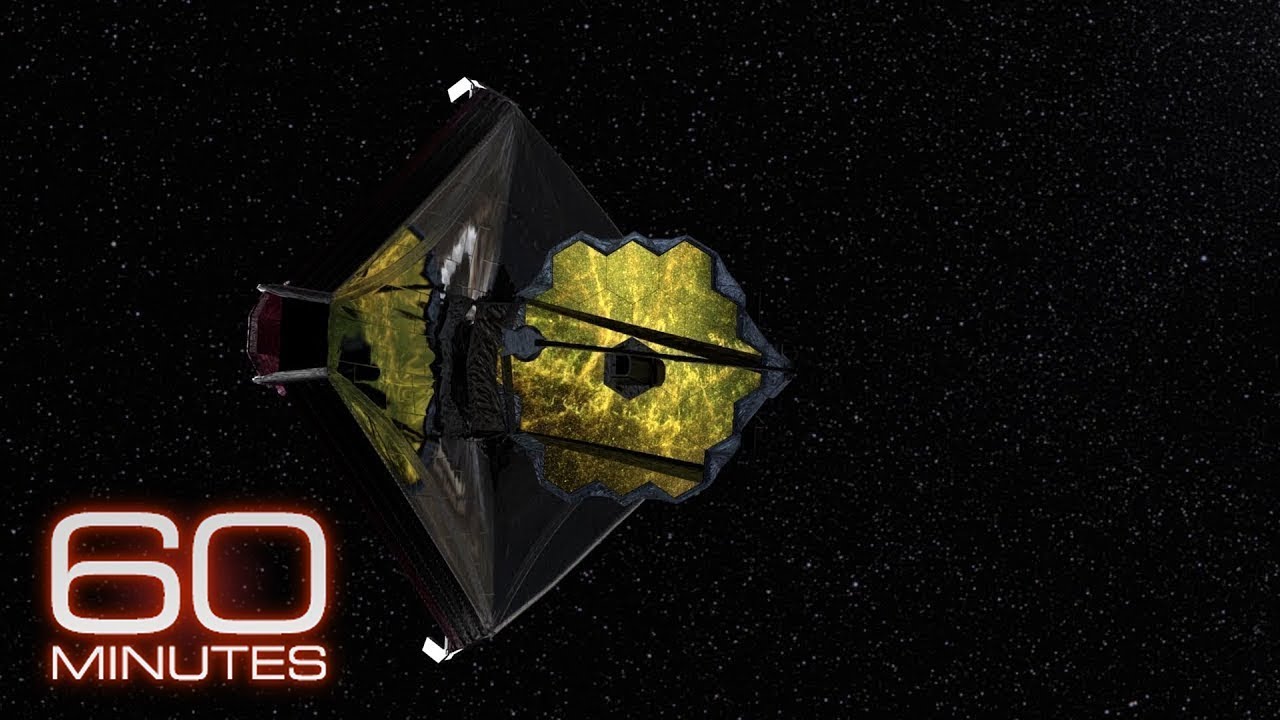
what makes Proxima be interesting is that it's an earthlike Planet orbiting the nearest star to the sun this planet is definitely the closest planet to the Sun that's not orbiting the Sun this one though is different it's special because it's really our neighbor the James web Space Telescope has been Humanity's Beacon into the furthest reaches of the cosmos it has brought us breathtaking images of distant galaxies helped uncover the secrets of black holes and revealed Mysteries we never thought we'd see within our lifetime but when the telescope turned its gaze to one of the most
tantalizing Targets in the known universe Proxima B it uncovered something so astonishing that it's rewriting what we thought we knew about habitable planets this is the story of the James web space telescope's groundbreaking observations of Proxima B and why scientists are left completely speechless Proxima B is a name that has sparked excitement and wonder since its Discovery orbiting the closest star to our solar system Proxima centor this exoplanet has been the focus of countless debates theories and dreams could it be earthlike could it Harbor life or is it just another Barren rock floating in the
endless void to understand the significance of what the James web telescope captured we first need to dive into why Proxima B has fascinated astronomers for so long Proxima centor located just 4.24 light years away is a red dwarf star far smaller and cooler than our sun and yet nestled within its habitable zone the region where liquid water could theoretically exist is Proxima b a planet approximately 1.2 times the size of Earth for years astronomers have speculated about Proxima B's surface conditions red dwarfs are known for their violent Stellar flares and scientists have questioned whether Proxima
B could maintain an atmosphere under such harsh conditions would its surface be scorched by radiation or could it Harbor an environment capable of supporting life the James web Space Telescope was designed to answer these questions once and for all when the telescope was directed at Proxima B scientists expected to gather data on its atmospheric composition they were hopeful for Clues maybe traces of water vapor carbon dioxide or other bio signatures what they didn't anticipate was an image so detailed and so extraordinary that it completely shattered their expectations the first surprise came in the form of
light analysis using its near infrared spectrograph the James web telescope identified distinct spectral signatures on Proxima B these signatures indicated the presence of an atmosphere not just any atmosphere but but one with layers similar to Earth's there was evidence of nitrogen oxygen and even traces of methane but most astonishingly the telescope detected an anomaly a unique chemical imbalance that could potentially point to biological activity at this point the scientific Community was already a buzz but the real shock came when the telescope's mid infrared instrument captured a detailed image of Proxima B's surface the clarity of
the image was unprecedented for the first time humanity had a direct Glimpse at the surface of an exoplanet in the habitable zone what it revealed was nothing short of breathtaking the surface of Proxima B was not the barren lifeless expanse many had anticipated instead the images showed features resembling rivers oceans and land masses there were variations in color and texture that suggested geological activity what stood out the most was the presence of what appeared to be reflective patches areas that scientists theorized could be water ice or even vegetation but this was only the beginning as
the data poured in researchers noticed something else in the images a faint but consistent pattern of light at first they thought it might be a glitch or an artifact of the Imaging process but further analysis revealed that this light wasn't random it was rhythmic almost like a pulse this discovery has sent shock waves through the scientific Community could it be a natural phenomenon perhaps caused by volcanic activity or some atmospheric process or could it be something more a signal maybe even a form of communication while it's too early to draw definitive conclusions the very idea
that Proxima B might host intelligent life has ignited a wave of specul ation let's take a moment to consider the implications of such a discovery if Proxima B does Harbor life whether microbial plant-like or even intelligent it would change everything we know about our place in the universe it would confirm that Earth is not unique that life can Thrive under entirely different conditions but it would also raise profound questions how do we communicate how do we share knowledge and how do we prepare for the possibility that we are not alone while the light patterns remain
a mystery other findings from the James web telescope provide tantalizing clues for example temperature readings from Proxima B suggest a climate that could support liquid water the telescope also detected organic molecules in the planet's atmosphere compounds that are often associated with life combined with the reflective patches seen on the surface these findings make a compelling ing case for Proxima b as one of the most promising candidates for extraterrestrial life but there are challenges to consider Proxima centor Stellar flares could still pose a threat to any life on Proxima B the planet's proximity to its star
means it is likely tidily locked with one side perpetually facing the star while the other remains in constant Darkness this raises questions about how life if it exists could adapt to such extreme conditions despite these uncertainties the discoveries made by the James web telescope have already redefined what we thought was possible they have opened up a new chapter in the search for life beyond Earth a chapter filled with hope curiosity and Endless Possibilities as scientists continue to analyze the data from Proxima B the world watches with baited breath every new piece of information brings us
closer to answering some of the biggest questions in science are we alone what does life look like beyond Earth and how will these discoveries shape our understanding of the universe the James web Space Telescope has once again proven to be a GameChanger its observations of Proxima be have provided a glimpse into a world that could be more like our own than we ever imagined but more importantly they have reminded us of the power of exploration and the unyielding human Spirit to seek out the unknown the journey to Proxima B has only just begun and the
discoveries ahead are bound to be even more extraordinary stay tuned because this is just the beginning of a story that could redefine our place in the cosmos the discovery of Proxima B has done more than just ignite scientific curiosity it has captivated the public imagination in ways that few astronomical Revelations have as new details emerge the significance of Proxima B becomes clearer it may represent the closest opportunity Humanity has to study a potentially habitable world to delve deeper into the implications of what the James web telescope revealed let's explore the key elements that make this
discovery truly groundbreaking and what they mean for the future of space exploration the James web telescope's detection of an atmosphere on Proxima B has been heralded as a Monumental achievement understanding an exoplanet's atmosphere is like opening a window into its environmental conditions without an atmosphere Proxima be would likely be a Barren Wasteland devoid of the stability necessary to sustain life but the discovery of gases like nitrogen and oxygen points to an atmospheric system that might even resemble Earth's atmospheric modeling suggests that Proxima B's atmosphere could include a dynamic weather system with wind wind currents transporting
heat from its day side to its night side this transport mechanism would potentially create a habitable Twilight Zone a ring around the planet where temperatures are neither too hot nor too cold such an environment could allow life to flourish in ways that defy traditional expectations but it isn't just the atmosphere that has scientists buzzing the surface conditions inferred from the James web telescope's Imaging cap capabilities hint at active geology large-scale topographical features such as mountain ranges and vast plains are visible in stunning detail what's more reflective regions that could indicate water sources raise the tantalizing
possibility of lakes rivers or even oceans water is one of the primary ingredients for Life as we know it and its potential presence on Proxima B could make it the most earthlike exoplanet ever discovered one of the most intriguing discoveries however lies in the rhythmic light emissions detected by the telescope scientists are scrambling to decode these signals as they represent an anomaly that defies immediate explanation there are many theories to consider could these light pulses result from atmospheric phenomena such as auroras generated by Proxima Cent's magnetic activity or could they be an artifact of reflective
minerals or ice formation on the surface these are plausible explanations but the regularity and precision of the light pulses have also sparked speculation about their artificial origin the idea that the light patterns might be a form of communication from an intelligent civilization is bold but not unfounded throughout history astronomers have observed peculiar phenomena only to later attribute them to natural causes yet the possibility of intelligent life on Proxima B however remote remains one of the most thrilling prospects in modern science if these light patterns are indeed a signal they may represent Humanity's first encounter with
extraterrestrial intelligence the question then arises how do we respond to such a discovery the scientific Community is divided on whether to actively send signals to potential alien civilizations or to adopt a more cautious approach some argue that broadcasting Humanity's presence could invite unintended consequences especially if the recipient civilization is technologically Superior others believe that reaching out is a natural extension of our curiosity and a necessary step in establishing Interstellar dialogue regardless of the origins of the light emissions the revelations from Proxima B have profound implications for our understanding of life in the universe the discovery
challenges long-held assumptions about about where life can exist until now the search for habitable planets has focused primarily on earthlike conditions but Proxima be's proximity to a red dwarf star demonstrates that life might Thrive under circumstances previously considered inhospitable this shifts the focus of exoplanet research in exciting New Directions scientists are now examining other planets orbiting red dwarfs which make up the majority of stars in our galaxy if Proxima B proves to be habitable or even inhabited it would suggest that the universe is teeming with potential homes for life but Proxima be's Discovery also raises
critical questions about Humanity's future in space as Earth faces mounting challenges from climate change to resource depletion the idea of finding a second home becomes increasingly appealing could Proxima B serve as Humanity's first Interstellar destination while the technological hurdles are immense the prospect of colonizing a planet so close to our own is tantalizing advancements in propulsion technology such as the development of light sails or nuclear powerered spacecraft are bringing Interstellar travel closer to reality a mission to Proxima be would represent a Monumental undertaking requiring decades or even centuries of Planning and Development yet the potential
rewards are staggering Proxima B could provide invaluable insights into planetary formation the origins of life and the potential for Humanity's expansion into the cosmos the James web telescope's findings on Proxima B also highlight the importance of international collaboration in space exploration no single nation or organization can shoulder the immense costs and complexities of interstellar research alone the discoveries made by the telescope are the result of Decades of cooperation among scientists engineers and institutions worldwide as Humanity sets its sights on Proxima B the spirit of collaboration will be essential in turning dreams into reality while Proxima
B represents a Beacon of Hope it also serves as a reminder of our responsibility to preserve and protect our own planet Earth Remains the only home we know and its unique conditions have allowed life to flourish in ways we are only beginning to understand the search for habitable worlds like Proxima B underscores the Rarity and fragility of our own existence it is a call to action to address the challenges we face on Earth while keeping our eyes firmly fixed on the stars as more data from the James web telescope becomes available the story of Proxima
B will continue to unfold each new discovery brings us closer to answering fundamental questions about our place in the universe are we alone what forms can life take and what does the future hold for Humanity Among the Stars the revelations about Proxima B are not just scientific Milestones they are a testament to the power of human curiosity and Ingenuity they remind us that even in the face of uncertainty and adversity we are capable of extraordinary achievements the journey to Proxima be is not just about exploring another world it is about discovering who we are and
what we can become the excitement surrounding Proxima B extends far beyond the realm of scientific circles it has ignited a cultural and philosophical conversation about what it means for Humanity to find a potentially habitable world within our Galactic neighborhood this discovery bolstered by the James web telescope's unprecedented capabilities challenges us to think not only about the possibilities of life elsewhere but also about the responsibilities we have as stewards of both our planet and the cosmos one of the most profound aspects of the Proxima Discovery lies in the sheer improbability of its conditions aligning so closely
with what we consider essential for Life the James web telescope has revealed atmospheric compositions that hint at the presence of stable gases and possible bio signatures molecular traces that could indicate biological processes such findings are leading researchers to question whether life in the universe is truly rare or if we've simply underestimated how adaptable life can be Proxima B's location within the habitable zone of its parent star Proxima centor is particularly intriguing the habitable zone often referred to as the goldilock zone is the region around a star where conditions are just right for liquid water to
exist on a planet's surface Proxima centor being a red dwarf star emits far less energy than our sun and its habitable zone is much closer to the star itself Proxima B orbits its star at a fraction of the distance that Earth orbits the sun leading to Unique conditions that could redefine our understanding of planetary habitability but what makes Proxima B truly extraordinary is its resilience in the face of its Stars volatile nature red dwarf stars though Long lived are known for their intense Stellar flares that can strip planets of their atmospheres and make them inhospitable
however Proxima B appears to have weathered these challenges the presence of a strong magnetic field a feature inferred from its interactions with solar winds could be a key factor in preserving its atmosphere and maintaining conditions conducive to life this resilience opens up a broader discussion about the potential for life in environments previously considered too too harsh if Proxima B can sustain a stable atmosphere despite its proximity to a highly Active Star it raises the possibility that life could exist in other similarly extreme environments Across the Universe this shift in perspective is inspiring scientists to reexamine
exoplanets that were once dismissed as unlikely candidates for habitability another captivating aspect of Proxima B is its potential to host liquid water a Cornerstone for Life as We Know It the James web telescope's highresolution imaging has revealed spectral data that hint at the presence of water vapor in the planet's atmosphere while this doesn't confirm the existence of oceans or lakes it strongly suggests that water in some form is present on Proxima B combined with its Rocky composition and earthlike size this makes Proxima B one of the most promising candidates for further exploration one of of
the most compelling questions arising from these findings is what kind of Life Could exist on Proxima B if life has evolved there it might look vastly different from anything we've encountered on Earth the planet's close proximity to Proxima centur means it receives higher doses of radiation which could drive the evolution of protective adaptations in any native organisms life on Proxima B might have developed robust cellular structures radiation resistant biochemistry or even entirely unique mechanisms for energy conversion the discovery of Life on Proxima B whether microbial or more complex would fundamentally alter our understanding of biology
it would prove that life is not a unique phenomenon tied exclusively to Earth but a universal process that can emerge under a variety of conditions such a revelation would have profound implications for Fields ranging from evolutionary biology to the search for extraterrestrial intelligence seti this brings us to one of the most tantalizing aspects of the Proxima B Discovery the light anomalies detected by the James web telescope these rhythmic light emissions have sparked intense debate among scientists and enthusiasts alike while the majority of experts believe these patterns are likely the result of natural processes such as
atmospheric refraction or reflective geological features the possibility of an artificial origin cannot be ruled out if the light patterns are indeed signals they could represent Humanity's first encounter with extraterrestrial intelligence this raises profound ethical and practical questions how should we respond to such signals should we attempt to communicate or would it be wiser to observe from a distance the implications of making contact with an intelligent alien civilization are staggering and the scientific Community is divided on the best course of action some argue that reaching out is an essential part of our quest to understand the
universe they believe that establishing Interstellar communication could lead to a transformative exchange of knowledge and culture others caution that broadcasting Humanity's presence might invite unwanted attention from potentially hostile civilizations these debates underscore the importance of careful coordinated efforts in managing the search for extraterrestrial intelligence beyond the scientific and philosophical implications the Proxima B Discovery has practical ramifications for Humanity's future as Earth faces increasing environmental challenges the prospect of finding a second home becomes more urgent while Proxima B is not a perfect match for Earth its proximity just over four light years away makes it one
of the most viable candidates for Interstellar exploration Technologic iCal advancements are bringing Interstellar travel closer to reality Concepts like light sails which use the momentum of photons to propel spacecraft and nuclear fusion propulsion could enable missions to Proxima B within a human lifetime while these Technologies are still in their infancy the discovery of Proxima B provides a compelling incentive to accelerate their development colonizing Proxima B however would be an unprecedented endeavor it would require solving a host of logistical Technical and ethical challenges from developing sustainable life support systems to navigating the complexities of interstellar communication
the journey to Proxima B would be a Monumental undertaking yet the potential rewards expanding Humanity's presence in the universe and securing a backup plan for our species make it a goal worth pursuing the discovery of Proxima B also highlights the importance of collaboration in space exploration no single nation or organization can achieve the Monumental task of interstellar travel alone the James web telescope itself is a testament to what can be accomplished through International cooperation its findings on Proxima B are the result of Decades of teamwork among scientists engineers and institutions worldwide as we look to
the Future the story of Proxima B serves as a powerful reminder of Humanity's boundless curiosity and Ingenuity it challenges us to think beyond our immediate surroundings and to embrace the possibilities that lie beyond our solar system whether Proxima B becomes the site of Humanity's first Interstellar Colony or simply a source of inspiration for future Generations its Discovery represents a pivotal moment in our journey to understand the cosmos the revelations from Proxima B are not just scientific Milestones they are a call to action they remind us of the fragility of our own planet and the need
to preserve its unique conditions for future Generations at the same time they Inspire us to reach for the stars to push the boundaries of what is possible and to continue exploring the mysteries of the universe as new data from the James web telescope continues to pour in the story of Proxima B is far from over each discover y brings us closer to answering some of Humanity's most profound questions are we alone what is our place in the universe and what lies ahead for our species as we venture beyond the confines of Earth in the end
the significance of Proxima B goes beyond its scientific implications it represents the enduring human Spirit the desire to explore to learn and to dream it is a testament to what we can achieve when we work together driven by a shared sense of wonder and curiosity and as we continue to study Proxima B and other exoplanets we are reminded that the universe is vast mysterious and full of possibilities