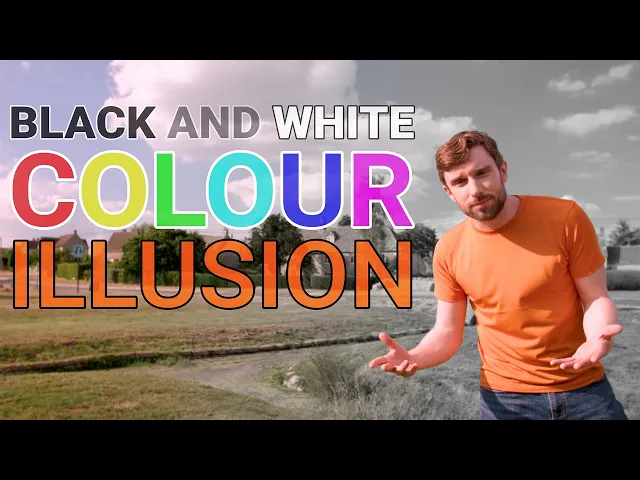
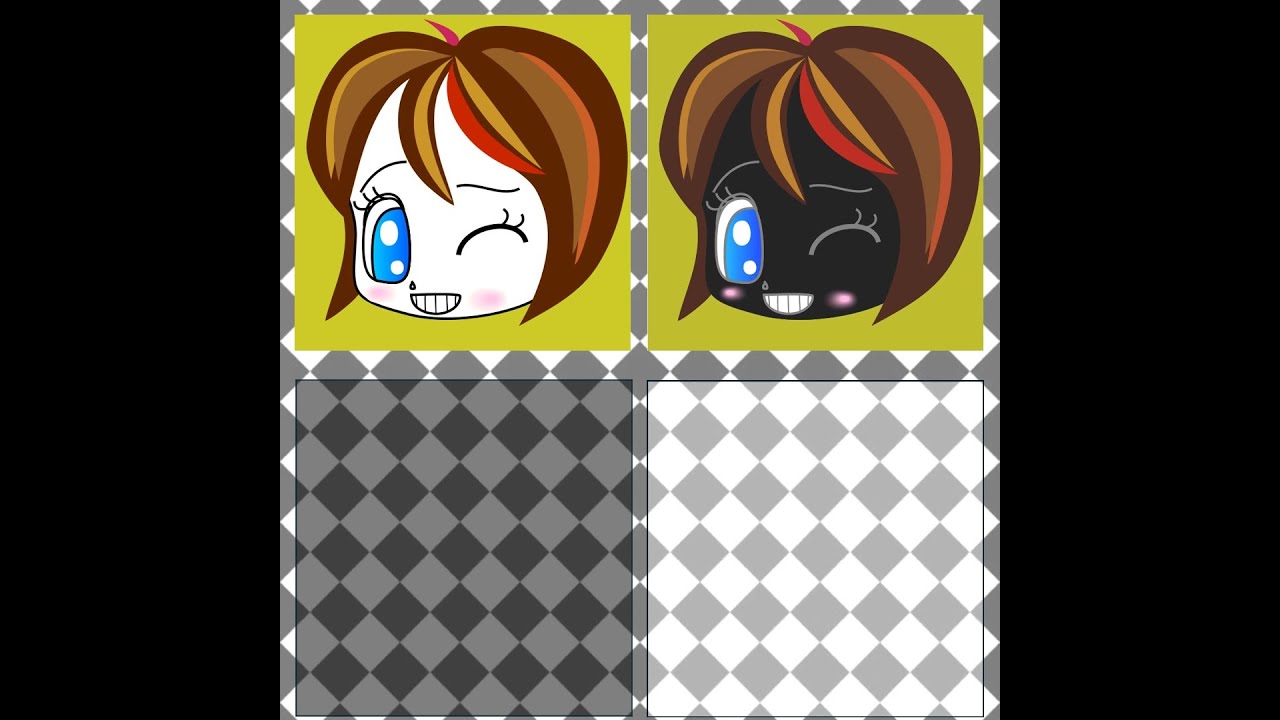
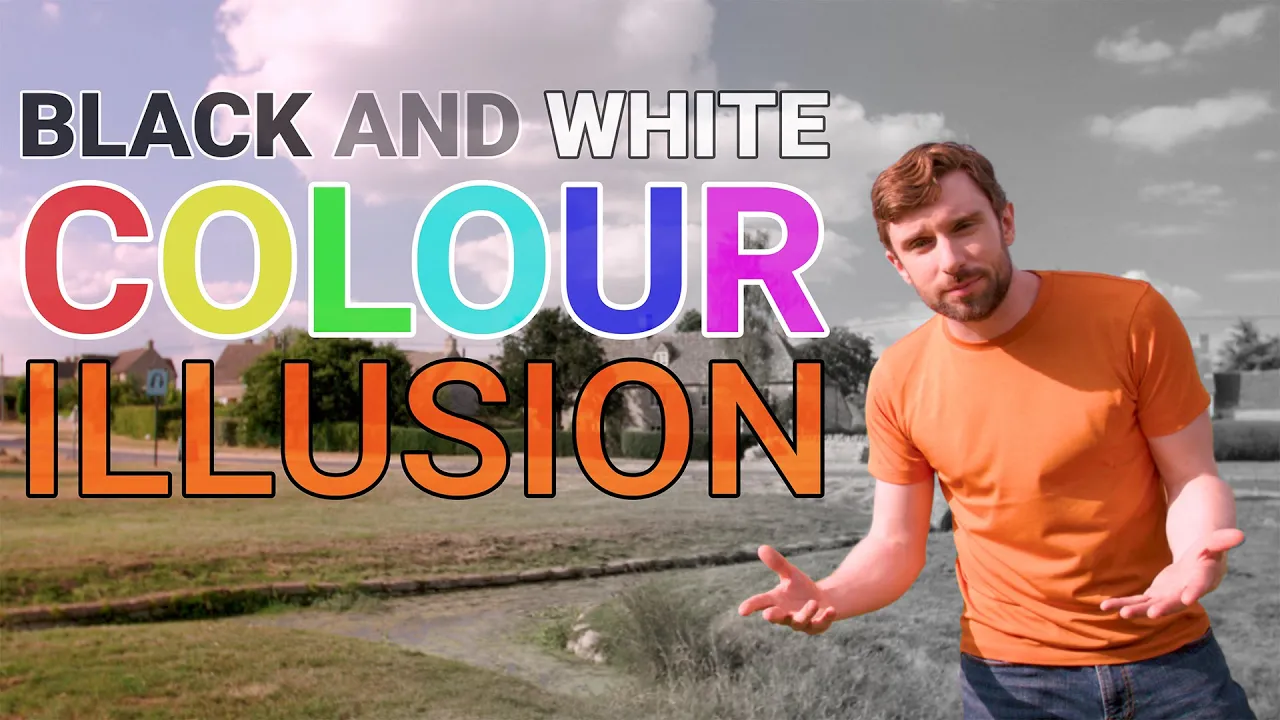
it's a beautiful bright sunny and colorful afternoon here in the cotswolds so i want to show you my favorite optical illusion and it starts by making everything black and white then i need you to stare at this dot here i need you to keep staring at the dot just keep looking at it unfortunately there's not really a shortcut for this step it just takes time for this to do its work keep staring just five more seconds and keep staring at the dot there does this image look like it's in color well it's not just let
your eyes wander a bit and it evaporates it's actually black and white let's do that one more time this time it hopefully won't take quite so long for your eyes to adapt three two one that's amazing but how does it work how does that brightly colored mess trick your brain into seeing a black and white image as color it's all to do with a process called chromatic adaptation or color constancy and that's the mechanism by which your eyes and brain work together to make sure that when you see an object it always looks the same
color regardless of different kinds of light you might see it in so if you were to look at a white bit of paper like this your brain would understand that it was white even if you saw it under very different kinds of light so even if you walk into a room that's lit by very orange lighting or you go into an office where everything's a little bit green the paper doesn't look orange or green it always looks pure white let's do an experiment i've come here into the shade and that means that i'm mainly lit
by light from the sky and that means that me and this paper have taken on a sort of bluish hue in fact if we sample a colour from this paper you can see that it doesn't appear to be white at all but it looks like a pale shade of blue and i've waited until the sun's going down so everything's bathed in this beautiful golden light and that means if we take a sample from the paper you can see it's not white but a sort of pale shade of orange i'm afraid i need you to stare
at that dot again this time your eyes are accommodating to those two solid blocks of color corresponding to the different lighting in the two clips bluish for the one where i'm stood in the shade and orangey for the sunset image just a few more seconds and bang so if you keep staring at that dot you should notice that i and this paper are looking a lot less blue and i look a lot less orange but if you let your eyes wander from that dot you can see that nothing's changed we're just as blue and orange
as before but your brain was compensating because of those colors that we showed you so this part of the visual system has a genuinely useful purpose allowing you to tell the delicious red berries from the deadly blue ones regardless of how the light changes throughout the day it basically works by subtracting the color of the light from the color of the object you're looking at meaning that you can see its true color but we can manipulate this system we can trick it to make it see colors where there aren't any you start with a color
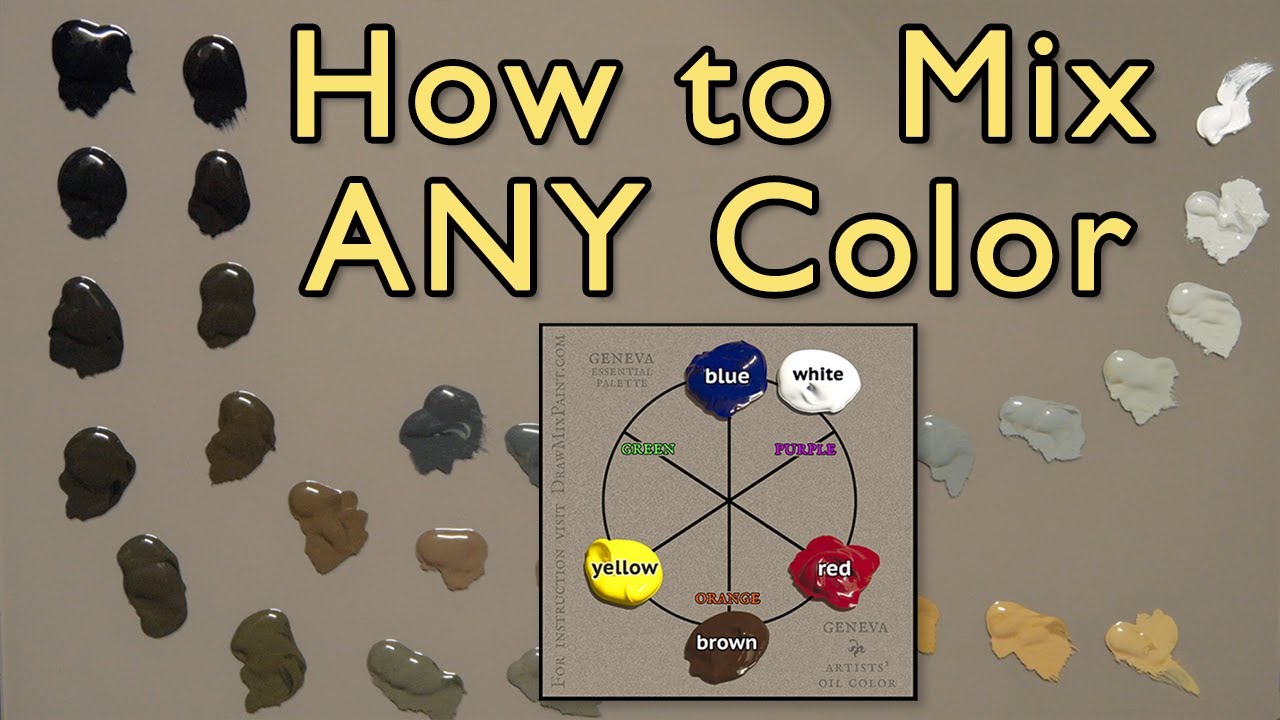
image every color has what's called a complementary color opposite it on the color wheel so we spin the colors in the image around then we make it more intense just to make extra sure that we trick your eyes next stick a dot on the image to help fix your gaze in one spot and that's it and now you understand what's happening as you stare at the dot different parts of your eye are adapting to different colours as though this scene is lit by some very weird lighting like the orange sky at the top of the
image which is dialing down the sensitivity of your eye to orange and by implication dialing up its sensitivity to blue which is the complementary color so when we switch out the image for a black and white one the grays and whites in the image now look as though they're colored and what's actually just gray in the sky now looks bluish because your eyes and brain together are subtracting that intense orange you are just staring at this effect doesn't last long it's very important that your eyes can rapidly adapt to changing lighting environments and that means
that once those bright colors disappear your brain rapidly realizes that image doesn't have any colors it's just black and white but i think that's part of the charm of this visual trick it's so fleeting and yet it allows to see a little more clearly how the process of seeing works you