hello and welcome to this edition of joint action [Music] this podcast is dedicated to all those out there who have osteoarthritis aka crumbly joints on the show we unpack the truth and demystify the myths about the disease and its management if you have joint pain and want to know more about how to manage it from the world's best experts you've come to the right place without further ado it is time to welcome your host david hunter hello and welcome to this week's edition of joint action this week we have the privilege of discussing is osteoarthritis
an inevitable part of aging and we're joined by none other than richard loso and rich is the herman and louise smith distinguished professor of medicine and division of rheumatology allergy and immunology and the director of the thirst and arthritis research center at the university of north carolina in the u.s his research interests include cartilage cell biology cell signaling aging and the development of osteoarthritis and also has a particular interest in osteoarthritis interventions including exercise and weight loss so rich thank you very much for coming along great pleasure to have you here yeah happy to do
it yeah it's a strange time in the world as we were saying before you got on the call but how things going in your medical center there in the us well i think we're fortunate here in chapel hill we have a less population dense area and so we haven't seen as many cases in in our direct area as in other parts of the united states or even in other parts of north carolina such as charlotte which is a much bigger city that's where most concentrated cases are are here in north carolina yeah in terms of
medical services what are they doing as far as medical services are concerned if patients need to come to the hospital and need to go to the clinic what happens well for the outpatients they're really trying to help keep people at home so they're doing as many video visits as possible and the patients that really need to be seen physically those are the ones that are coming into clinic but by reducing the number of people coming to clinic that will help you know reduce contacts and potential spread of the virus and i think we're learning a
lot about how we could do video visits and we might be doing more of them when this is all um over with yeah i think in many ways it's a lot more efficient for for both parties concerned you know if you can save save a patient traveling to and from the clinic and you know it's a brief follow-up visit that they can just get advice over the over the video or over the phone it's probably a lot easier for them and potentially easy for us as well yes yes and what's it what's what impact has
it had on your research work my research has really come to a halt just about because um our campus is closed right now and the only people that can come onto campus and work and say the research labs which is where most of my research is done are people that are taking care of animals for example that that need to be looked after most the other type of research that we do has to be put on hold until people can come back on campus again yes that's having a huge impact isn't it can you tell
me a little bit more about the type of research work that you do sir so as a lot of people know we don't have treatments that directly affect the osteoarthritis disease process we have medications that are used to help reduce pain and then interventions such as exercise and weight loss that help but we really lack treatments that directly target the disease process to either stop it or slow it from progressing and so my interest for the last 30 years actually now i've been thinking about it it's been 30 years has really been to try to
understand the basic biology of osteoarthritis why it progresses what are factors that we might target for new therapies and in particular how aging is related to osteoarthritis since this is the condition we see more commonly in older adults what is the aging component and could that be something that might be targeted with specific interventions i can't believe given you look so young that it's uh been 30 years rich but um i'm sure it's flown by in in no time but if you had to describe yourself in five words what would they be so five words
dedicated researcher uh husband father and recently grandfather well congratulations that's fantastic news yeah thanks that's brilliant all right so digging into i guess one of your main research areas uh which is it is really looking at aging um and its fruit and its consequences for osteoarthritis is osteoarthritis just a disease of all persons no it's not it's definitely more common in older adults and it's not a condition that you see in children but young adults can develop osteoarthritis as well particularly after a joint injury so say you know a teenager who tears her acl playing
soccer she may develop osteoarthritis in her late 20s early 30s and so depending on risk factors you could see it in in adults of all ages although obviously it is it's much more common in older adults overall yeah yeah and so with with that in mind obviously life expectancy is increasing we're seeing a lot more centennial centenarians is if you live long enough is osteoarthritis inevitable no not everybody develops osteoarthritis there have been some studies looking at groups of people over the age of 85 and even in that older age group you may find up
to 20 percent or even 30 percent of people that don't have symptomatic gospel arthritis and i think it's important to understand the difference between having osteoarthritis and symptoms versus someone just doing an x-ray and saying you've got osteoarthritis based on the x-ray because the radiographic findings of osteoarthritis are more common than the symptomatic osteoarthritis so in older adults um you do see more radiographic away even not everybody but but definitely you would see more than that than people with symptoms in a way yeah and really just to emphasize uh richard's point there i mean i
think the key thing here is pain matters uh what what is on the x-ray is not as important as what a person is experiencing and so just because you've got osteoarthritis on an x-ray doesn't necessarily mean you're going to get pain related to that um and so some commonly used terms that oftentimes radiologists and other clinicians who are describing this disease uses wear and tear degenerative osteoarthrosis are they accurate descriptors of this disease i mean some of them have age-related connotations but should we should we be using them i really don't like the use of
the term wear and tear and i think it was used a lot in the past and it had negative consequences on the understanding of osteoarthritis because if you think about your joint being something like an automobile tire that just wears out over time you know as you use it it wears down and that's what you're left with well if you think of the osteoarthritis as being that type of a wear and tear condition it means there's nothing you can do about it but the big difference between your joints and an automobile tire is that your
joints are made up of living tissues and so it's the tissues themselves that are changing and developing osteoarthritis meaning that it's not just simply a wearing down but the cells within the tissue are releasing factors that cause the breakdown of the tissue and so if you understand that you can come up with new treatments for osteoarthritis but if you think of it as just your tires are worn out you need a new tire which could be a joint replacement well then that's all you're gonna ever have to treat osteoarthritis is joint replacements um so i
think the concept of wear and tear arthritis helps back people from being even interested in doing osteoarthritis research because if it's just wear and tear and you can't do anything about it why waste your time you know studying it yeah for someone like for someone like yourself who's obviously been focused on that area for a long part of your research like particularly cell signaling and cell biology and the function of cells um if this were just a wear and tear process it would diminish to the the importance of the valuable work that you've been doing
too right right right yes and i mean i think and it doesn't give hope to patients if they think that well my joints just wearing out nothing i can do about it just when it's time i'll get my joint replaced and i don't i don't think that that's that's right yeah yeah and so when you when you dig into aging what specifically about aging contributes to the onset and development of osteoarthritis well i think there's a number of factors and you can think of them as factors that affect your entire body with aging and then
factors that affect joint tissue specifically so as we age we lose muscle strength and you know that's common to all the muscles in our body and the loss of muscle strength with aging may be playing a a a role in this in terms of changing the way that joints are loaded muscles are important in helping to support the joints as we use them and if they become weaker with aging then that'll affect your joints you know we tend to become more overweight with age and less active with age and that's not beneficial for your joints
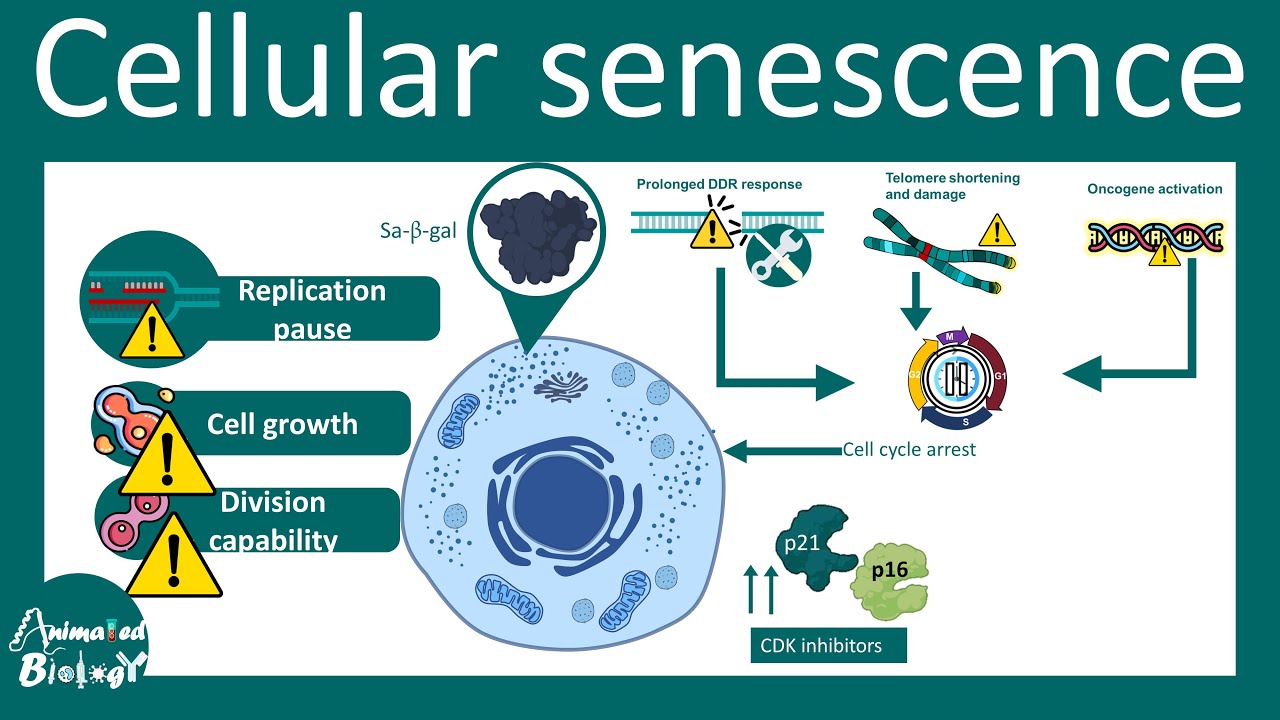
then there are other things that change with age that are more specific to the tissues and so for like within the joint the cartilage becomes more brittle with age and then the cells within the joint tissues cartilage meniscus synovium as the cells age they start to produce more inflammatory factors and those inflammatory factors play a role in the breakdown of the tissue and that's been given a name recently due to its tie-in to self-senescence and senescence just as another term for aging it's called the senescence-associated secretory phenotype and sounds like a complicated term some people
just call it sas but basically what it is as your cells age and become senescence they produce these inflammatory mediators and those inflammatory mediators are contributing to the destruction of the joint tissues and so i think by understanding what's causing cells to become senescent and what makes them produce these factors we'll have new ways of treating osteoarthritis so just recapping that a little bit so if we if we're thinking very much about muscle strength deconditioning of the of the skeleton brittleness of cartilage changes in body composition and aging of cells is there anything people that
have a predisposition to osteoarthritis or early osteoarthritis can do to modify that course themselves i think and you know lots of people have worked in this area that staying active is probably the best thing you can do for yourself it's good for your muscles good for your joints you know your joints require normal motion to stay healthy and so i think regular activity and exercise is probably the number one thing that you can do for yourself to help reduce your chances of getting osteoarthritis to reduce it from being as severe as it might be and
help with pain as well yeah yep no brilliant very thoughtful advice and so not sure whether this necessarily relates to the uh the sasp that you're referring to before the the aging senescent cells but what is there's a term that's banded around called inflammation so aging and inflammation what is that so it is partly related to the sas so it's been shown that as we age our body produces more of these inflammatory factors at sort of a low level so it's not the type of inflammation you see when you know you have a severe infection
or severe wound it's sort of a low-grade chronic inflammation and it's throughout the body so it's not just in your joints but you can measure factors in the blood things called cytokines that slowly go up as we get older and so it's this inflammatory state that's associated with aging that's been termed inflammation and it's probably in part related to these senescent cells that are accumulating in our bodies that are making these inflammatory factors and again you know from a therapeutic perspective or a modifiable perspective is there anything that people have who have osteoarthritis or or
from a therapeutic development perspective that they can do about that well in terms of therapies there is actually a very active area of research into drugs that are called synalytics and synalytics are being developed that would specifically kill these senescent cells and leave the normal healthy cells alone and it's felt that by reducing the number of senescent cells in your body that a number of different aging related conditions could benefit and osteoarthritis is one that's being studied in frost arthritis the advantage is that the treatments that are being developed could be injected directly into the
affected joint and potentially have less side effects than something that might affect all the cells in your entire body so intra-articular injections of synaptics or sort of an early phase studies and if if those turn out to be of benefit i think that'll be a new novel way of treating osteoarthritis and for those senescent those aging cells is there contribution solely deleterious do they have any beneficial effects while they're still there potentially aging such that elimination elimination could be a problem yeah that that's a great question so there is this balance between senescence and cancer
and so one of the reasons why cells are thought to become senescent is there's been damage that's done to the cell that might lead them to become cancerous and if you turn on this senescence program the cells can no longer divide and cell division is necessary for cancer so in part senescence is thought to be a way that the body protects itself from cancer and so it does have a benefit and the other thing it seems to be involved in is tissue repair and wound healing and so when there's a wound there's some senescent cells
that are present in the wound that seem to be important in the healing process and so that's why the the targets would be specific senescent cells and tissues rather than say trying to kill all the senescent cells in your entire body that probably that would not be a good idea yeah yeah that's a fascinating area so there's a lot of people out there in the general community who are very interested in i guess reducing the effects of aging reducing the effects of disease who take a lot of over-the-counter complementary and other types of medicines including
a lot of people who take antioxidants what um what role does oxidation play in osteoarthritis and is there a strong motivation to take antioxidants well oxidation does seem to be playing a role in osteoarthritis there are two ways in which elevated levels of what we call reactive oxygen species or free radicals two ways in which they might contribute to osteoarthritis they directly damage proteins within cells but also when these levels of free radicals become elevated within cells it alters their signaling so they don't respond normally to things that might stimulate growth like growth factors something
called insulin-like growth factor so the elevated levels of these free radicals alter the way cells respond to positive signals and promote their response to sort of the negative signals signals that would would cause damage to the joint so we're beginning to understand what their effects are the problem with antioxidants is that they're very non-specific and the levels that you ingest don't appear to get to the cells where they really need to have an effect and because they're not specific for the types of oxidation that seem to be important in aging overall they haven't been shown
to have any benefit so they've been they've been studied a number of different age-related diseases and and don't seem to have any any true benefit so the idea for our work and other people in this area is we'll find out directly what these excess levels of oxidants are doing and target that rather than just trying to blanket the whole thing by taking antioxidants because that so far has not been successful i mean you mentioned the the cells targeted type therapies for aging senescent cells that there's a obviously an active area of therapeutic development going on
there at the moment are there any other specific therapeutic development areas that you think are really important novel and potentially really promising targeting ageing specifically in the context of osteoarthritis well i think um the other areas that that i am familiar with that are further along are not directly targeting aging but they're targeting some of the effects of aging so for example there's a growth factor fgf18 that's being developed as a potential therapy that you would inject in the joint this is a growth factor that would stimulate cells including the chondrocytes and the meniscus to
be more what we call anabolic and one of the things that changes with phaging is the cells are less anabolic they're less able to produce tissue and so indirectly it's it's targeting something that's altered with aging but it's not targeting the aging process itself yeah i know that's that's really important and so for those of you who want to know what chondrocytes are they're basically the cartilage cells and anabolic processes that are essentially growing and repairing tissues what wasn't i smart enough to ask you about that i should have asked you about rich that's a
great question you know we didn't talk too much about obesity and body weight and it's not because you're not smart enough you probably talked to one of my colleagues about that already too but i think in terms of the aging side of that it's worth discussing because you know as we age our adipose tissue does seem to build up as we're losing muscle and that's that's fatty tissue yeah yeah and the inflammation that we discussed part of the inflammation seems to be coming from an increased amount of fat relative to muscle because fat as inflammatory
and it can produce factors that are released into your bloodstream and so that's playing a component in inflammation and so that's why weight loss combined with exercise you know is of benefit because sort of has a two-pronged effect you know reducing this inflammatory fat and also building building muscles and keeping your joints active by moving them yeah and so uh richard's been pivotal in working on those studies with our friend and colleague steve messier at wake forest and has demonstrated in trials the contribution of those inflammatory factors particularly cytokines have flown from fat and when
you lose weight you can reduce the level of the inflammation obviously has has a positive beneficial effect on on the disease on the symptoms and and on ongoing health as well um right and again the factor that's associated the strongest with inflammation it's called interleukin-6 it's a cytokine in the blood and we showed in our studies as you lose weight and you lose fat the interleukin-6 levels come down so there's a direct connection yeah and it's really really very valuable so rich are there any patient friendly resources that you think you'd like to share that
could shed further light on this topic itself sure you know for aging in particular in the united states at least we have what's called the national institute on aging and they have resources on their website that specifically talk about aging but it mentions osteoarthritis so i think it's good information and they have some patient friendly information and in particular i think it's important for older adults not to be fooled by a lot of you know these complementary alternative therapies that are being promoted that say oh we stop aging or if you take growth hormone growth
hormone is the cure to aging the fountain of youth and and the national institute of aging tries to have some information about that because i think a lot of money has been wasted and potential side effects occur from people that are taking some of these complementary medicines that are specifically touted to be sort of the fountain of youth the osteoarthritis action alliance is a is another group that has a lot of patient friendly information and they have some some information on there as well but about aging but a lot of it is is just general
information about osteoarthritis that i think can be really useful that's brilliant and we'll include the links to those in the in the show notes themselves so what's richard the biggest challenge you have within your role right now and how are you going to overcome it and i'm not thinking coronavirus related i'm thinking about your your research work specifically i think it's finding enough time to do everything i want to do um you know i'm trying to stay healthy and i'm a runner and i try to run when i can exercise get enough sleep so doing
that and spending time with my family and then doing as much of research as i want to do there's just not enough hours in the day so have to find a way to balance everything yeah balance is tough you know and when you find when you find out that magical answer make sure you let me know yeah yeah it seems like moderation is sort of the key you know you have to be moderate in what you're doing and you can yeah i think particularly particularly at times like this where you know we're home a lot
more i think that uh the positive influence and the importance of family and lifestyle is um so so incredibly important if you could do anything to improve health and healthcare what would you do i would really like to make a contribution to a new therapy that would slow the progression of osteoarthritis because i think that's just very important for our public health worldwide you know osteoarthritis is the number one cause of disability in older adults and our populations are aging and we're going to see more and more people with osteoarthritis in the future and we
really desperately need something that would directly affect the disease process so if i could make a contribution to that i would really feel like i had a successful career and hopefully we can do some of that together too rich because it's uh it's a really important goal to attain yes yeah it's going to be something that's going to require a team of investigators and i think that's to me the more exciting thing over the last 10 or so years i've seen the number of people that are working in osteoarthritis has really taken off and a
lot more research is being published in this area and that's what will really help us you know move closer to new treatments is just having the critical mass of people that are interested in in working in this and it's it's international they're great researchers in australia united states europe i mean it's it's a very international effort these days which is it's been fantastic and also makes it fun it's a great time to be involved and i i really share your excitement and enthusiasm as well if you could remove all the barriers and constraints what project
would you do well there's a project i'm trying to get funded and uh you know it the barrier right now is that um having a large clinical trial funded is a challenge and i'm particularly interested in something we haven't talked about yet which is vitamin k and it's something i started working on back when i was training as a rheumatology fellow my first research in in in joint tissues was actually looking at proteins that are called vitamin k dependent proteins and people are more aware of the role of vitamin k in blood clotting because it's
necessary for for blood clotting but there are a number of different proteins in bone cartilage and other tissues around the joint that also require vitamin k and it's been shown that a large number of people not just in the us but but across the planet are probably not taking in enough vitamin k for these other tissues they get plenty of vitamin k so they're not having a bleeding problem but for these other tissues they may not be taking in sufficient amounts of vitamin k in their diet and so there's evidence that people with low levels
of vitamin k have more disability from their osteoarthritis for physical function the disease may progress and we have some animal model data showing vitamin k might be important so if i had 10 12 million dollars which is what it might cost i'd do a large multi-center trial to really determine whether or not supplementing with vitamin k could be of any benefit we talked about supplements and i don't feel like people just need to go out and start taking supplements if you're already getting enough vitamin k it's not probably going to help it's those that are
insufficient in the level of vitamin k or in their diet that it might be of benefit and i'd love to find out if that's true or not i mean if someone were particularly interested is that something they can test for and what what are the dietary sources well the dietary sources are in particular green leafy vegetables are a really good source of vitamin k so if you're eating a healthy plant-based diet you're probably getting plenty of vitamin k but lots of people aren't doing that these days and so you know i think that terms of
testing that's one of the barriers right now it's not routinely tested for so you can't just go to your doctor's office and say i want to test my vitamin k level like you can vitamin d for example so there aren't a lot of labs that that can measure different forms of vitamin k and so it's more of a research tool right now i think that you know if we show how important vitamin k might be for the joint tissues and osteoarthritis then the test might be made you know more widely available so that people could
see if their levels are low or not i i wish you success in uh finding the funding and getting getting that done well thanks what's the most important thing you've learned in your life big global question you know i think staying positive i think is probably the most important thing as as you know as well from being a researcher you have a lot of failures mistakes things that don't work out along the way uh it's almost like when you start playing golf i don't know if you're a golfer or people listening might be golfers you
know when you start playing golf you hit the ball and it goes all over the place and then you hit one shot where it's just perfect shot several hundred yards and you're very happy with that and you can kind of forget all of the shots that went into the woods or into the pond and research is a lot like that and so i think you have to stay positive look for the successes and and try to you know look past the failures if you're going to be successful i think not just in in research but
i think it applies to lots of things in our lives if it's any consolation you've always seemed incredibly positive and optimistic to me rich so it seems like something that you've got happening pervasively well done now if listeners specifically wanted to learn a little bit more about the work that you do or connect with you online how might they do that well we do have a website at our arthritis foundation i mean at arthritis center it's the thirst and arthritis research center and so that's the best way to connect with me through our website i
am not a social media person so i'm one of the last people on the planet earth who doesn't do facebook you and i are together rich you and i too yeah and i know you're a twitter fan but currently i'm not on twitter either so it's probably more difficult to catch up with me than than other people but the people that really want to contact me can do it through our website my email address is on there and that's that's the best way to to get in touch fantastic thanks richard and just in closing if
if you had a billboard with anything on it it could say whatever you wanted what would it say and why well i think i i answered it really i would have the billboard what i was talking about i would say keep active and stay positive yeah you know keep it short and sweet yeah i know that's that's brilliant richard thank you so much for your time greatly appreciate you coming on board and i think it's hopefully very helpful information to everybody who's out there you're welcome and i enjoyed talking to you and so that's all
for this episode of joint action between now next time please do take care of yourself stay strong and stay active and thank you very much for listening it's greatly appreciated thanks for listening to joint action with david hunter if you like our show and want to know more check out www.jointaction.info [Music] don't forget to subscribe to the podcast and share it with your friends and family and please leave us a review on itunes or your favorite podcast platform if you have any questions you can email us at hello at jointaction.info and follow us on twitter
at jointactionorg this podcast was hosted by david hunter edited by vicky dwong music produced by jordan hunter you