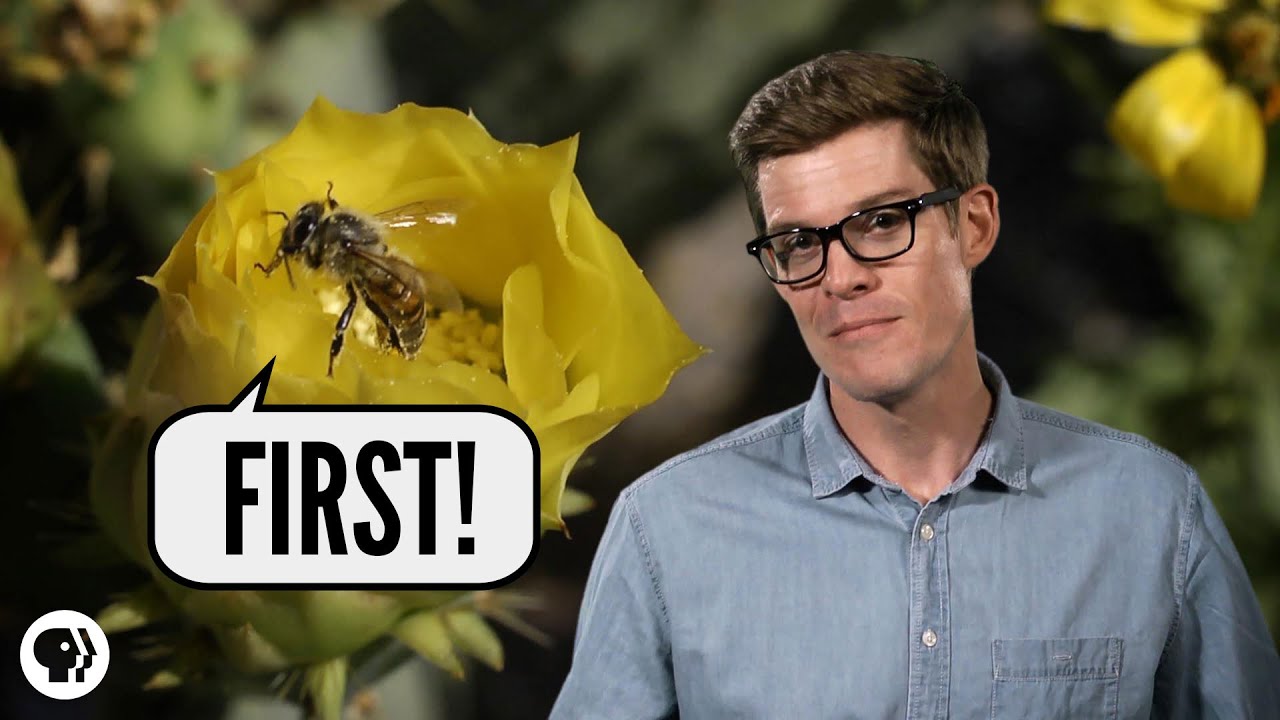
[Music] hi it's Mr Anderson and in this podcast I'm going to talk about co-evolution co-evolution is essentially when two species head down an evolutionary pathway together and so insects and flowers are a great example of that this bee is taking nectar from the flower and in return it's transferring some of this pollen down here to another flower and so the insect gets a Advantage from that and the flower gets an advantage from that and it's worked so well that half of all animals on the planet aren't only insects but are beetles which are a specific
type of insect and so insects have done very well and flowering plants have done very well as well and so um angiosperms or flowering plants make up most of the plants that you see grasses big maple trees those are all angiosperms and so they both have benefited from this mutualistic relationship and that's coevolution and so I want to think of an analogy that would explain kind of how this works but beware this is an analogy this is not Evolution or co-evolution at all but think of those first humans when they were on the planet and
they were trying to find something to eat well once they developed a primitive spearhead and could throw that and kill a mammoth that gave them an advantage gave them food gave them more time to think about technology and So eventually we came up with the wheel Which Way made us more powerful and more mobile we could move material around and with that extra time and that Mobility we started to share ideas and we eventually started to print these ideas and share them and so technology really took off to the point where once we had done
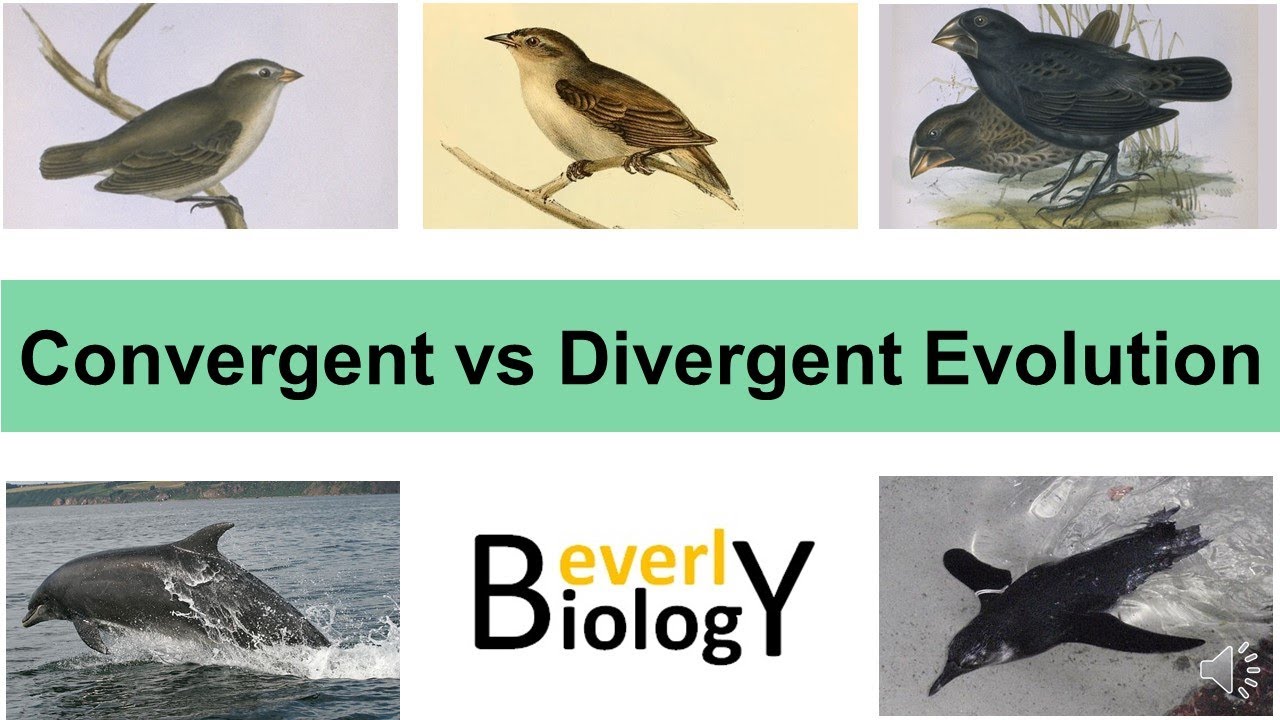
this the wheel the printing press then it wasn't long before we were in space and so you could say that humans and um technology are co-evolving with each other and they both get Advantage from that relationship so again that's simply an analogy to kind of explain how it works and so before we talk specifically about co-evolution what it is we should say what it's not and so co-evolution is not convergent evolution this is sometimes confused by students convergent evolution is when you have two species that aren't related at all and then they end up looking
like each other because they live in a similar Niche or they fill a similar role and so if you were to just look at these quickly we've got a shark a dolphin and then this is a extinct ichthyosaurus you would say well they all look very similar but they're not related at all even though there are similarities if you look at it they all have Dorsal fins they all have pectoral fins that allow them some stability um there are a few key differences if you were to look at this the Dolphin's going to have a
horizontal cotle tail and that's because it evolved from a mammal that walked on land whereas these evolve from early fishes or early reptiles or if you look at the pill bug here in this uh pill M millipede excuse me they both look the same because that gives them defense and they can roll up in a ball and so that's converion Evolution and these things normally aren't related at all another quick thing you should understand is coevolution is not between species and their environment and so if we look at the peppered moth remember during the Industrial
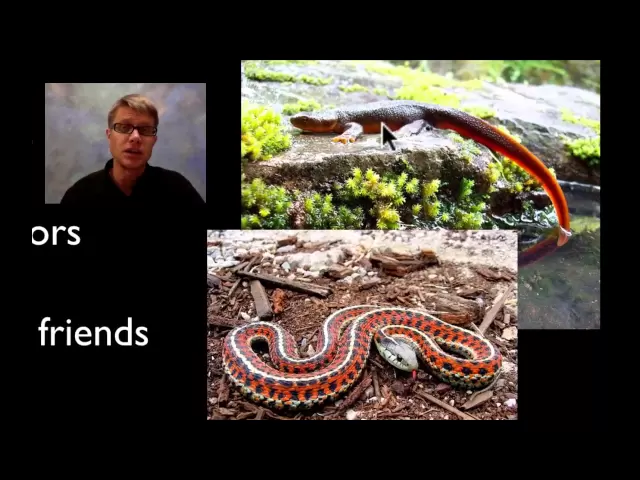
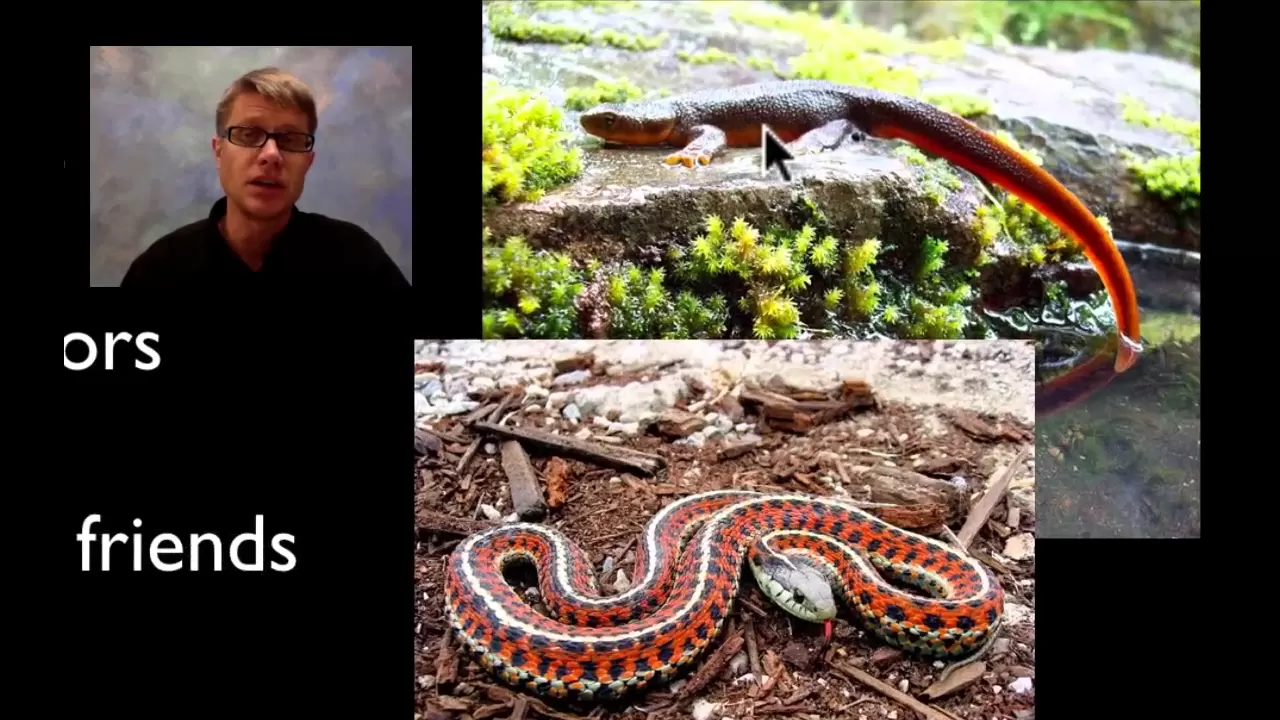
Revolution the plants were covered in soot and so all of a sudden moths that look like this dark moths had an advantage or right now with global warming as we start to have spring come earlier and earlier and earlier as species start to flower earlier that's not co-evolution with the environment it's basically adapting to your environment and then coevolution is not necessarily between friends and so so this right here is the rough skin no it's one of the most toxic animals on the planet it has a neurotoxin if you were to eat a n you
would die if we were take a noot boil it in water and then uh serve it to people all the people would die it's a nasty neurotoxin now they don't bite and so it's not a big deal and you might think well why are they so toxic well the only thing that prays on the Ruff skin noot is this garter snake and this garter snake has an evolved a resistance to that toxin it's funny though they'll eat a rough skin nud and they'll kind of enter into a coma where they have to metabolize that toxin
before they can move on and so basically it's co-evolution where the N developed toxin the Garter Snake developed resistance to that so they got more toxin more resistance more toxin more resistance more toxin more resistance and so again this is not good for both of them they're on this evolutionary arms race now something unique most of the Garter snakes around here don't look colored this bright coloration and the ones that eat the rough skin noot actually get some protection from from the toxin start to have a a brighter color and so that's not Co or
excuse me that is coevolution but it's when it hurts both of them and so basically on the next three slides I want to talk about some symbiotic relationships that evolve through co-evolution and they're just radical examples of that and so this right here is an acacia tree uh and this is an ACAA ant and here's a bunch of Acacia ants living on an acacia tree now how does this relationship work B basically the acacia tree will give off an odor that attracts female Queen Acacia ants and they'll be drawn to that plant they'll lay their
eggs inside it and they actually live in the acacia tree they they are Hollow sections of it these are the Thorns but they are Hollow sections where they live and so they get a home and they're even fed the acacia tree produces these little bodies that are con that are filled with sugar and so they have something to eat so what does the AAA ant provide to them well they provide protection if you touch an acacia tree these ACAA ants will storm all over you and bite you so it's very painful and that's going to
keep insects off and animals from browsing on the leaves and they'll also trim vegetation around it so if a tree starts to grow on to an area where the acacia tree is the ants will climb over and they'll cut off those leaves or they'll even go in area around the acacia tree and kill any plants that start to go and so basically this is pretty Advanced relationship and so it's evolved through step-by-step interactions where they're each getting an advantage uh old story is this Orchid was sent to Darwin and it had this really long reproductive
path down to where the the ovules formed and basically what Darwin formulated is that there must be some kind of a pollinator maybe a moth that has like a really long proboscis that it could actually uh uh fertilize this and help fertilize this plant Darwin dies 21 years later they develop this moth or they discover this moth rather that has this incredibly long proboscis and and and it doesn't usually look like that usually it'd be wound up in a moth like this this but this one had evolved this radically long prascus and it did that
step by step where it first of all had a slightly longer one and a longer one and now the two of them the Orchid and the moth were locked together in this co-evolutionary um pathway and eventually it just kind of got out of almost out of control and then my favorite example is this when we travel to the Amazon one of the first things you see right away are these leaf cutter ants everywhere they're basically cutting little sections of the leaf off and then return turning it to their Mound so you can see them right
here now the mound is underground it'll be in an area where there are no trees around it but basically what they're doing is they're chewing that leaf down and then they're feeding it to this the fungus and this is the ant the queen ant and so basically you'll have ants that go gather leaves but you'll also have little worker ants that are living inside and on the fungus and what they found is that the fungus never really was infected with bacteria it just grew well we thought these were like perfect farmer ants that would somehow
never be plagued by pest but when they look closer at a lot of the ants who worked in and around the fungus they found that there was this white fuzz growing on their mouth and when they looked at that under the microscope they found that there was a certain type of bacteria a streptomyces bacteria and what was what was happening is that it was actually producing antibiotics which was killing bacteria growing on the fungus and the cool thing about that is in humans and this actually is the same type where we get a lot of
our antibiotics the cool part of that is that the bacteria that live on the fungus are never going to evolve a resistance to that antibiotic because this uh streptomycin is actually alive so it's co-evolving as well and so we have all of these co-evolutionary adaptations groups that are growing symbiosis upon symbiosis and that's one of the reasons why I love biology so much it's hard to even think of all these relationships but again that's co-evolution and I hope that's helpful