foreign [Applause] a short while ago I had the chance to visit the African country of Burundi this is a country that has at several points been named the most food insecure country in the world ninety percent of burundians rely on agriculture for their food and income but climate change has disrupted their ability to do this for their own Survival while I was there I met plenty of people who told me that the crops the practices The rhythms that they had relied on for Generations could no longer be trusted what this looked like was worsening food
insecurity persistent droughts inconsistent rainfall and shorter Harvest Seasons every year up close this looked like a man named Enos who I met in the area of mootsundozi he told me of all the times he and his family would have to skip meals he told me about having to look at his children telling them he didn't know where their dinner would come from that it might have to be another day that they let go by without eating as a dad myself I realized this was an experience that no parent whether you were in Burundi California or
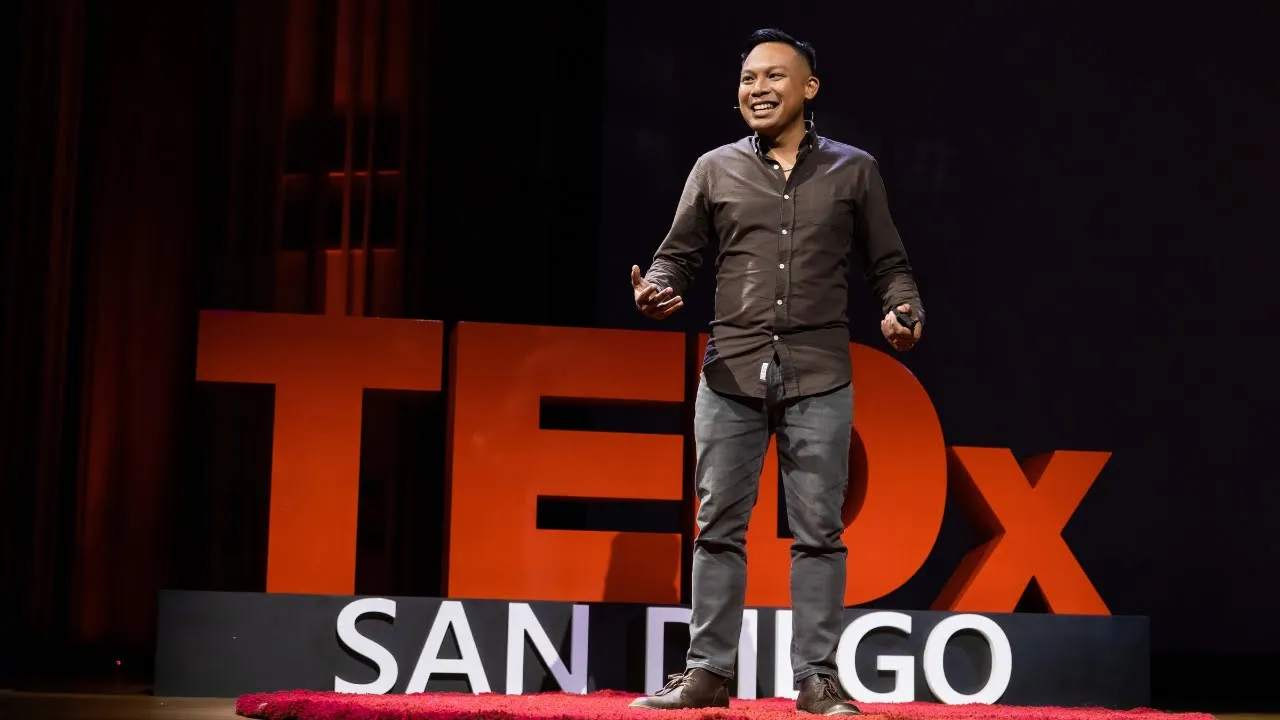
anywhere else in this world wants to have how does a story like his make you feel I am a climate Storyteller for years I've been telling stories from the front lines of climate change and this work has taken me to some of the most climate vulnerable places on Earth places like Haiti Tanzania Bangladesh and other similar settings when people hear that this is what they do they often express their own climate anxieties and then their own disappointment that there's still so much denial of the threat however I don't believe that denial is our biggest obstacle
for Meaningful action in fact the Yale Center for climate communication has found that the amount of people in the United States who are dismissive of climate change is a threat is below 10 percent of the U.S population that's it that's not a high enough number to impede action and yet we're still not acting with the urgency that we need so what does get in their way I believe that it's distance and despair see we're often presented with the climate crisis through this lens of global Trends and macro level statistics and while these things are very
helpful in the right context when there are primary lens of Engagement they create this layer of separation between ourselves and those who are the most affected by the crisis this numbs our emotional connection it deflates our motivation to act and what we're left with is a flattened image one that's only informed by the most disturbing headlines and reports things that while true often lack the depth to show us where we can go from here and what do we do next you see we can't meaningfully develop and Implement Solutions if we don't have proximity to the
ones most affected by a problem until we've heard their stories and engaged their perspectives whatever we develop will lack that touch of human empathy that's necessary for just Solutions and for lasting Solutions but how do we do this especially when the area's hardest hit by climate change are Rural and remote settings typically in lower and middle income countries storytelling I believe that storytelling can be our Bridge it's one of our most fundamental behaviors as humans we use stories and narratives to make sense of the world around us often without even thinking about it it's that
innate I'm here you can think of a time where a story perhaps it was a book or a film helped you make sense of something you were experiencing in life well I believe that stories can have a similar effect on us collectively as we confront this great threat that that is climate change going back to our story of Enos and Burundi at the time he and his family were missing all these meals their top of Mind concern wasn't necessarily their ecosystem and it certainly wasn't the broader concept of climate change it was the simple struggle
to get food on the table and all these things were connected of course but in Burundi it was very common to feel pulled having to choose between one or the other in fact a visual example that I saw constantly were sacks of charcoal that I saw being sold by the side of the road almost everywhere I went you see charcoal can be sold for quick cash and so what a lot of farmers would do was cut down the trees on their area make them into charcoal bricks and then sell them because this could answer the
question what are we going to eat tonight unfortunately it would reinvite that question in harsher and harsher ways for years to come see this is one of the leading drivers of deforestation in Burundi and countries with other similar settings without the support of trees soil erosion intensifies damaged soil can't support adequate crop growth and so we see food insecurity get worse over time the loss of trees also takes away a vital carbon sink and so you can see how this contributes to the broader cycle of climate change now most burundians were aware of the damage
that this did to their land in fact I'd say they knew this better than anyone else because they were the ones experiencing it firsthand but most felt trapped with no other options this was true for a man I met by the name of Antoine and as we spoke he was actively burning charcoal in his kiln he told me that he would gladly welcome another source of income but what he was doing was what he believed to be the only opportunity he had to feed his family this was a cycle where desperation led to degradation which
then caused further desperation however like most Cycles it could work in reverse this is what happened to Enos Enos joined many of his neighbors to form a plant with Purpose Group this is a platform I've seen set up in many of the places I've worked here members had the chance to exchange Knowledge and Skills and things like regenerative agriculture or reforestation learning from each other in a peer-to-peer like setting this also gave them the opportunity to save their money together and these savings would be used to offer members of the group loans loans that could
be invested in more sustainable practices and sources of income it simultaneously addressed economic and environmental needs sending that cycle into reverse for Enos this changed everything at first it was his techniques and his practices on his farm but then it became about his whole relationship with his land and this relationship with his community it then changed the way he saw himself and the quality of life he was able to provide for his family he told me with enthusiasm that it had been a very long time since they had had to skip a meal they now
ate three meals a day consisting of food they had mostly grown on their own garden he just told me this as we were standing looking at the Lush cover of trees around his land and it occurred to me that this was more than just three meals a day this was three meals a day for a family of six in one of the most hunger challenged countries on Earth I don't think I would feel as urgently concerned about the climate crisis if I didn't have proximity to people like Enos through the lens of Storytelling at the
same time I know that without that proximity without those stories I would not feel anywhere near as hopeful wherever I've seen a Purpose Group I've seen tree cover replenished I've seen soil Health improve and I've seen poverty cut as low as half in Thailand I've seen Villages establish fire breaks to prevent wildfires from attacking their forests in Haiti I've seen communities establish erosion barriers anticipating intense hurricane Seasons every year and doing what they can to prevent runoff and in Tanzania I've met mothers who work to protect the slopes of Mount Kilimanjaro like their lives depend
on it because if you think about it they kind of do and if these people in these places which are some of the most climate vulnerable places on Earth have not given up than those of us with more privilege and more resources have no excuse their stories hold us accountable they hold those in power accountable they show us that something can still be done and must be done and that giving up is not an acceptable policy a meaningful story well told drives action a story focused on problem solving can make Solutions visible it can re-center
voices that have been marginalized but that represent the most affected populations it can turn the act of trying to respond to a crisis into a practice of human empathy and compassion and if our biggest obstacles have been distance and despair then storytelling can move us past that towards action and towards Solutions thank you foreign