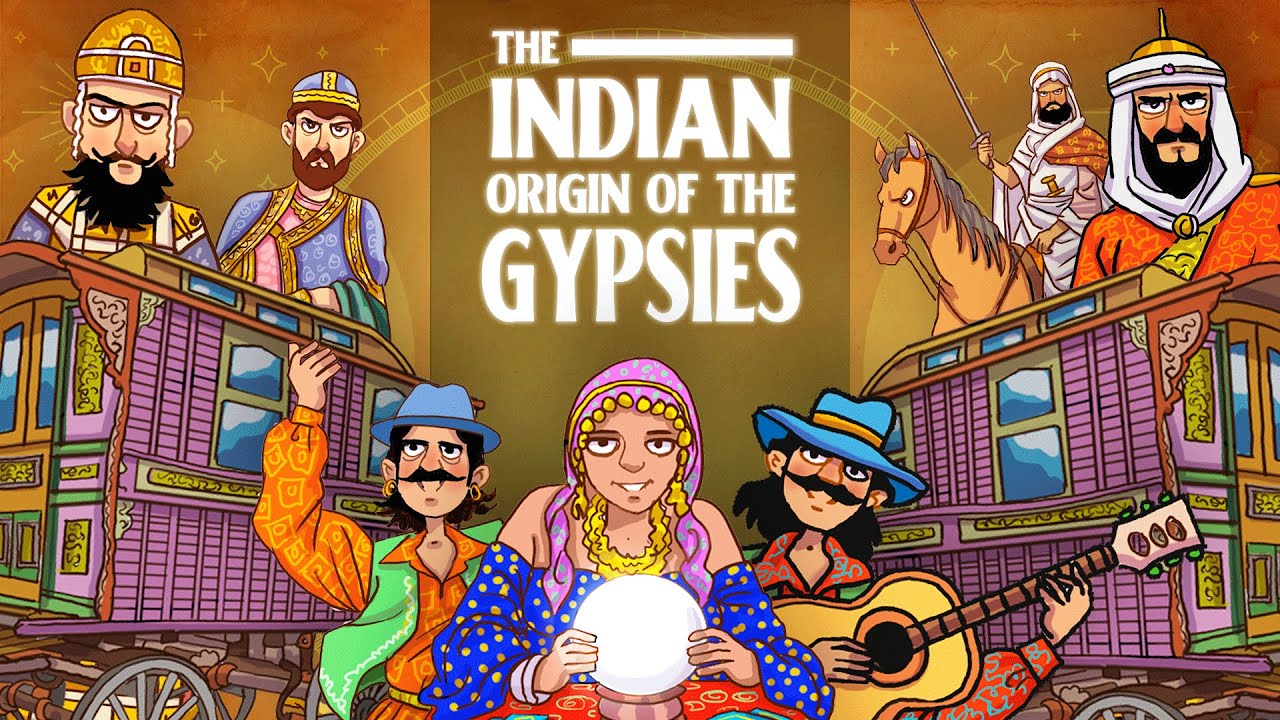
The history of the Roma people is full of mix-ups. Even the term "Gypsy" comes from a fairly imaginative leap some confused chaps made on first meeting the Roma. The Roma People's great, great, great, great, great .
. . great, great ancestors are actually from India not Egypt.
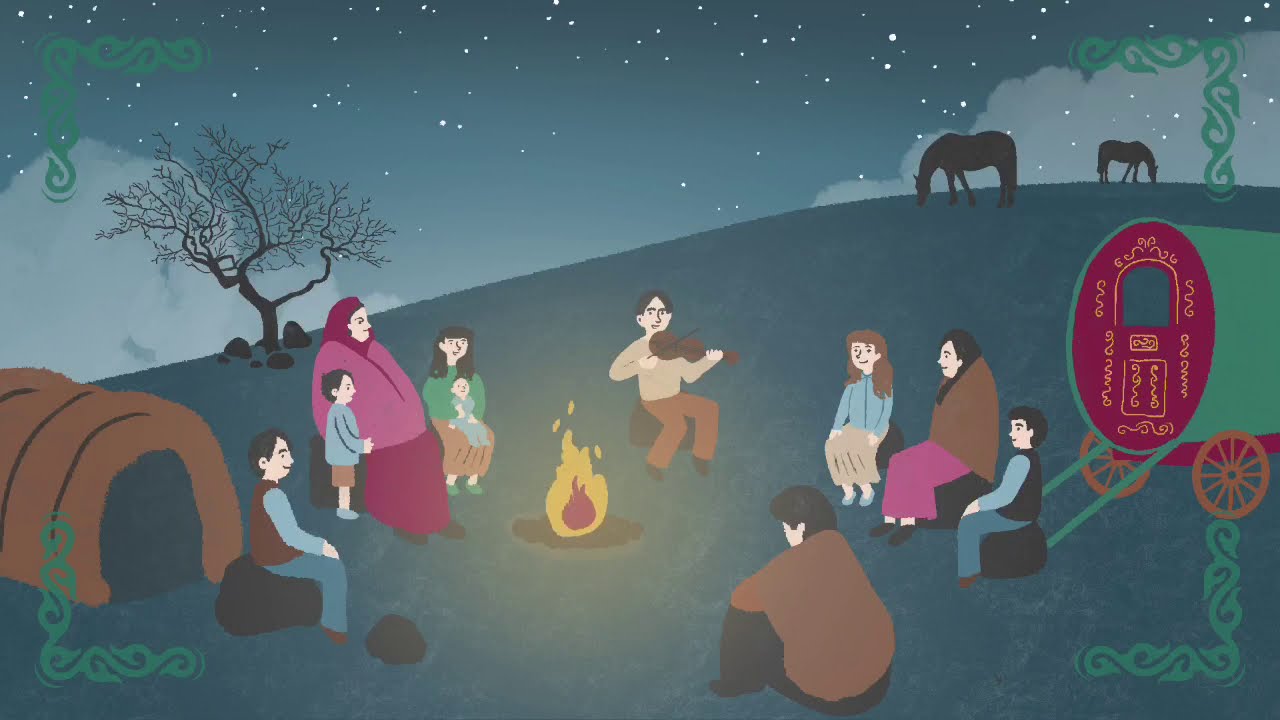
They first set off towards Europe somewhere between the 10th and 11th centuries. Then they travelled through Persia and Armenia to the Byzantine Empire of the 1100's, where they lived in tents and worked their well-worn trades. But the Byzantines were soon trampled by the Ottomans and many Roma scarpered west.
Though the Ottomans actually proved far better hosts than the dastardly Europeans. . .
The next few hundred years were a real Roma roller coaster. What is now Romania welcomed them with open arms, but these arms soon grew tight around their guests, and they enslaved them for 500 years. Then, over in Western Europe in the 1400s, the natives were initially thrilled with these "oh look new 'Gypsy' pilgrims".
. . but they soon changed their tune.
. . And by the 1700s, enlightened Spain thanked their Roma guests for giving them Flamenco by rounding them all up into forced labour camps .
. . Muchas gracias.
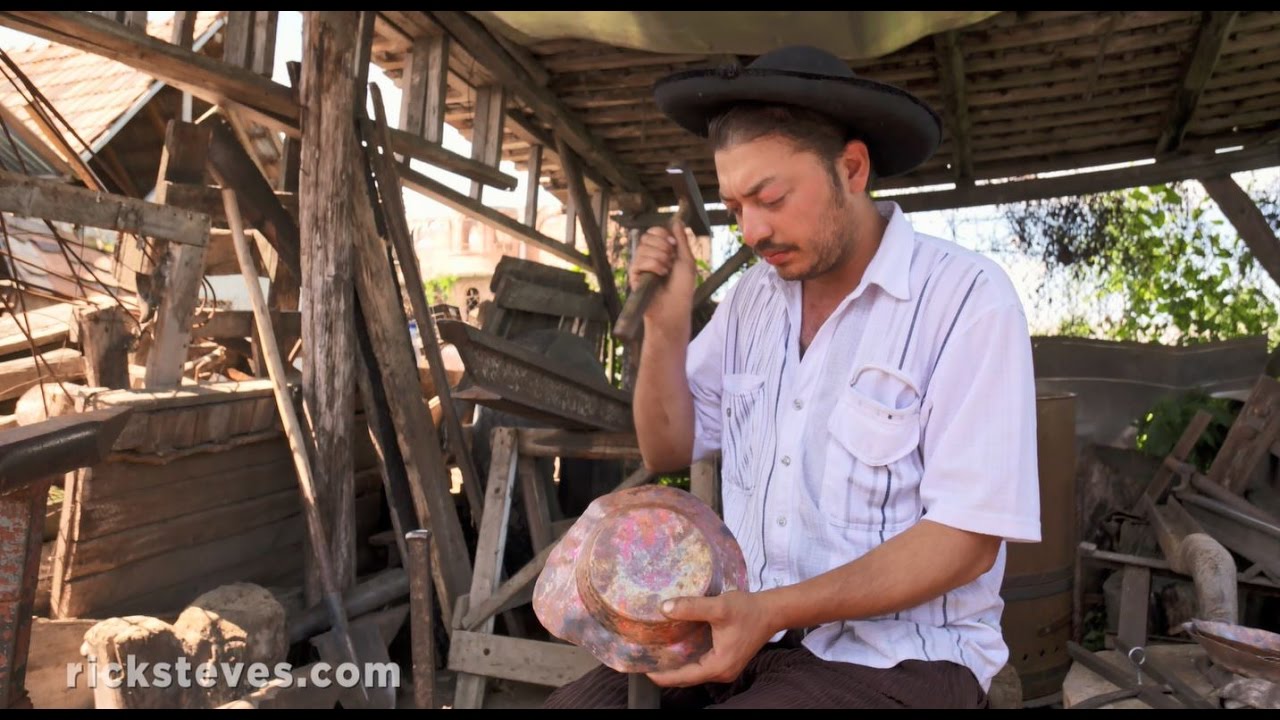
But it wasn't all doom and gloom. They became fully-fledged subjects in the unusually groovy Russian Empire. And over in Ottoman Turkey, their metal skills made them pretty handy in the navy.
It was around the time America abolished slavery that Romania got its act together and freed their Roma slaves too. Reluctant to stick around, the Roma journeyed on, reaching the Americas, South Africa and Australia. When World War I showed its ugly head, the Roma's skills in horsemanship came in very handy in what turned out to be the last truly horsey war.
Austro-Hungary soon split and some unlucky Roma found they now lived in Austria, which was then annexed by Nazi Germany where the Roma were soon being sterilised, experimented on and locked in concentration camps. The Romani word for Holocaust is "Porajmos" which means "devouring. " Estimates of the Romani death toll range from a quarter of a million to one and a half million.
Survivors had little help or compensation and those seeking justice were cast off as liars. After the war, the Roma in communist countries gained a strange equality— the exact same tyranny and censorship as everyone else. Then the Roma got organized, establishing the international Romani Union and working today on health, employment and education.
They've come a long way, from persecution and slavery, to be politicians and freedom fighters But will our Roma heroes conquer prejudice and win their freedom worldwide?