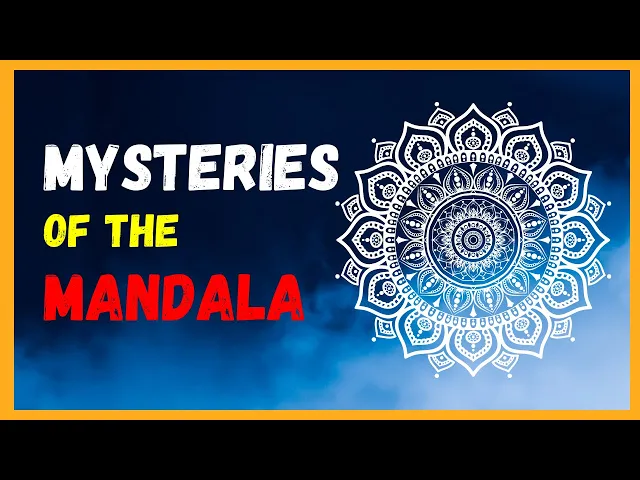
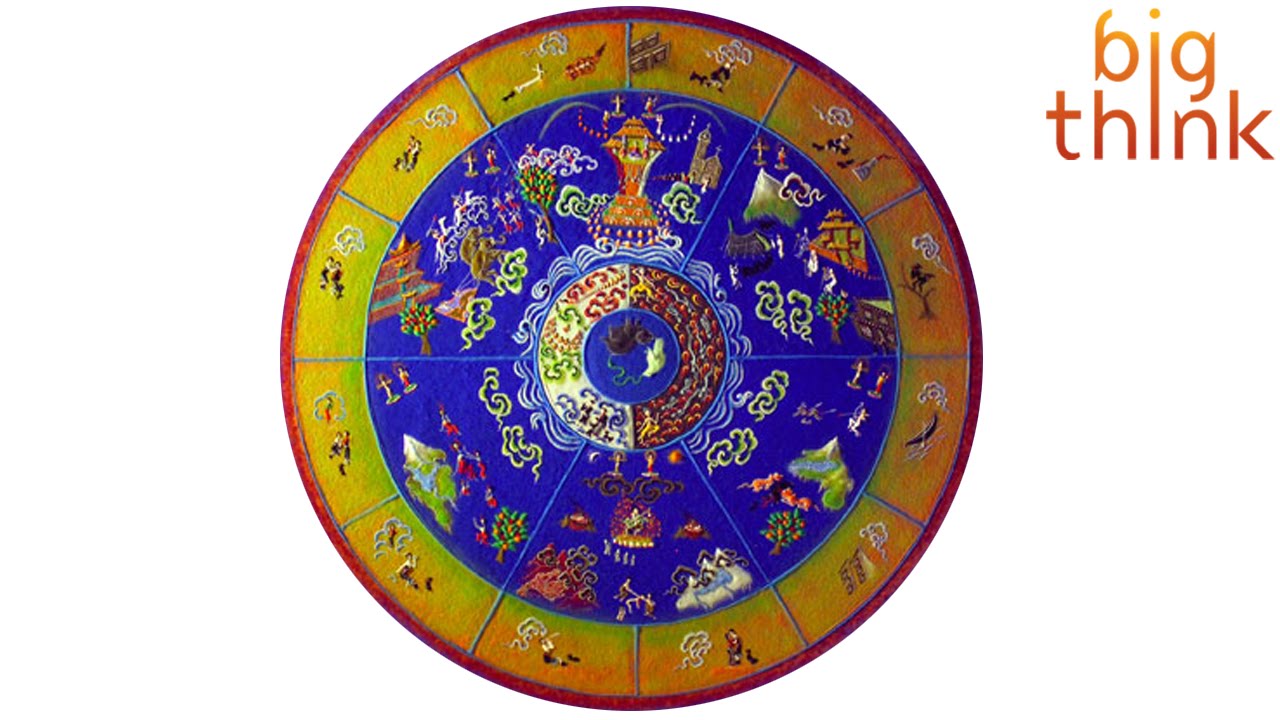
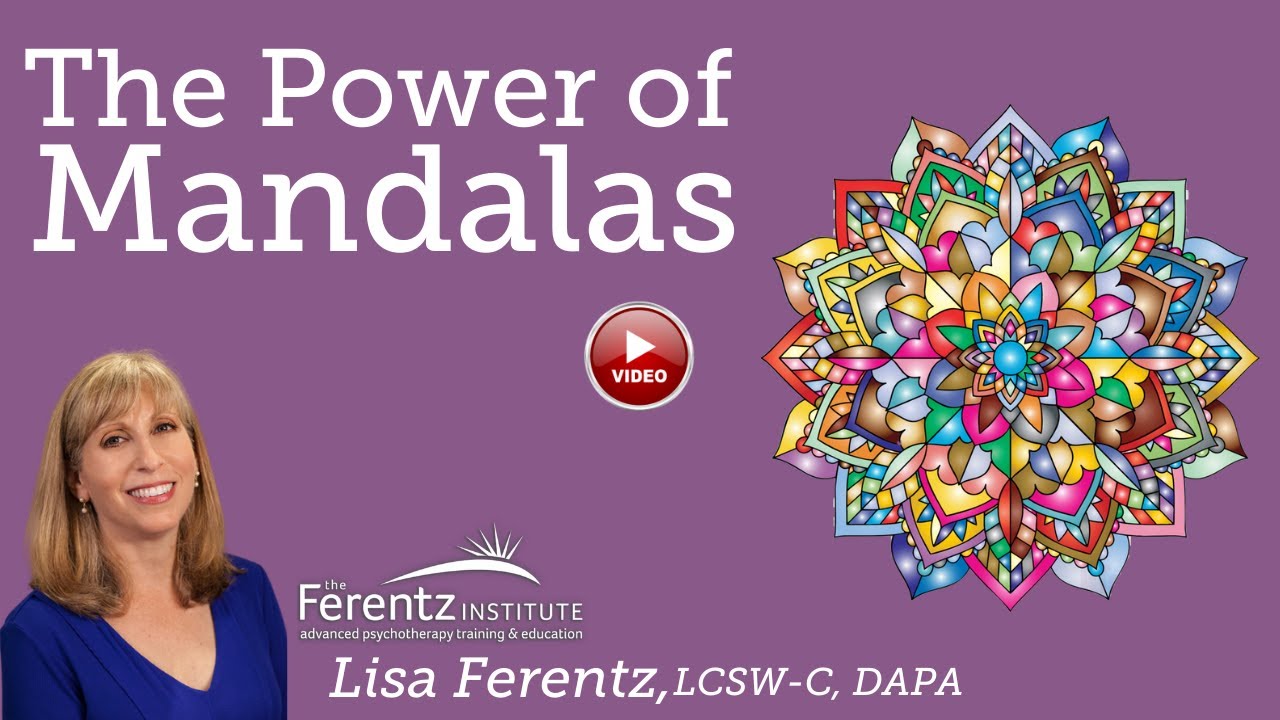
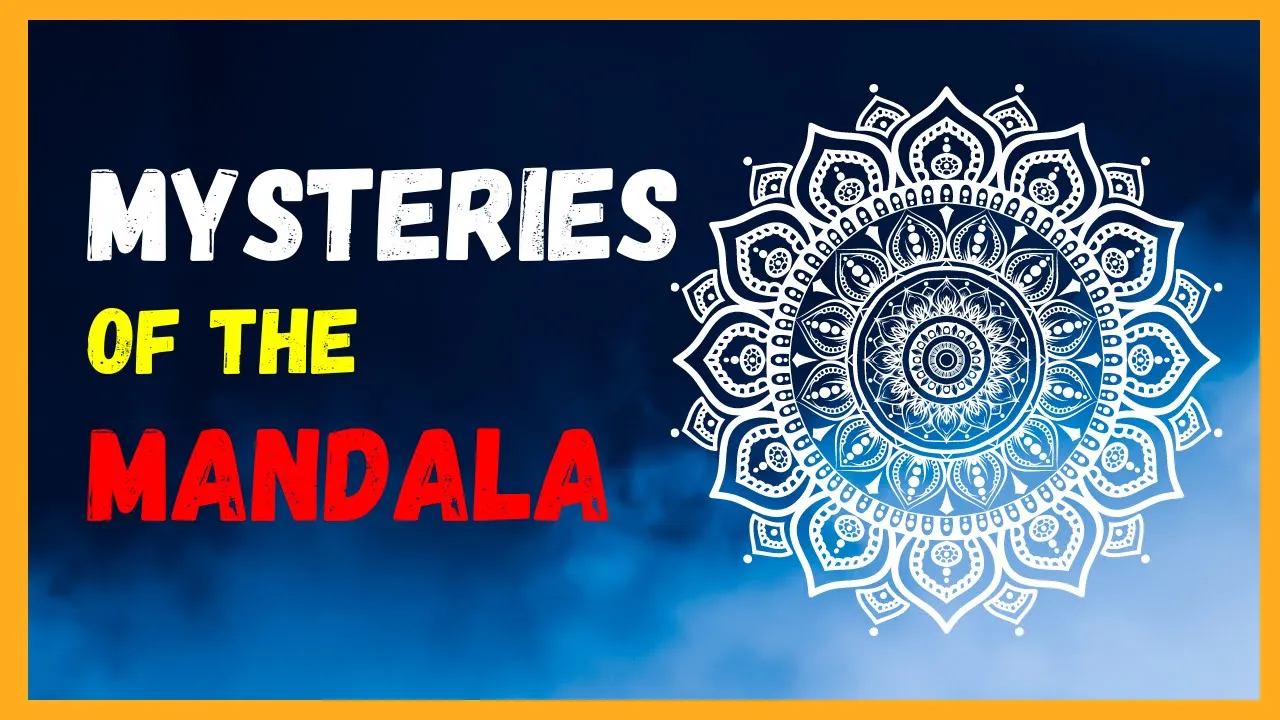
mandalas the Sanskrit word for Circle are far more than simple shapes they are profound symbolic representations of the universe and the human Spirit originating from Hindu Jain and Buddhist Traditions mandalas originated as far back as the 4th Century with the first image appearing in the sacred Hindu text the rig Veda but what's fascinating about the mandala is that its influence has transcended borders finding its place in Western psychology and Contemporary Art this makes it unique from almost every other symbol so what exactly do mandalas represent and why are they so popular today containing detailed designs
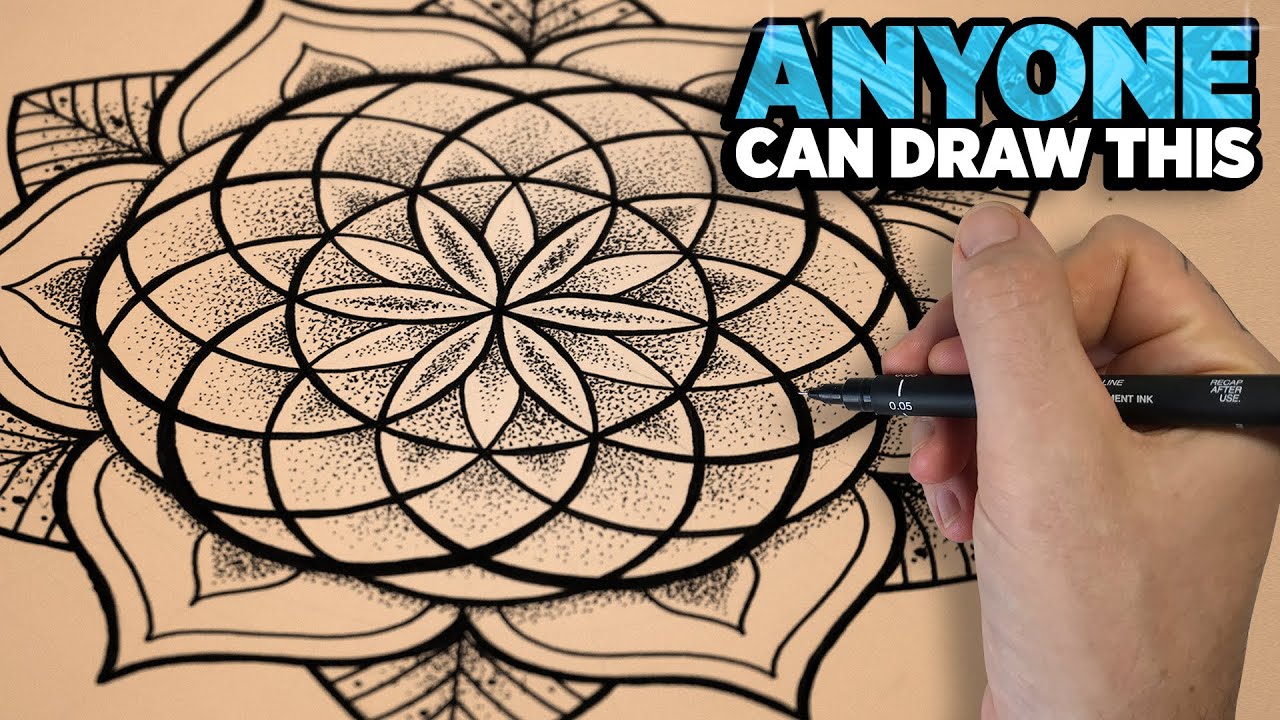
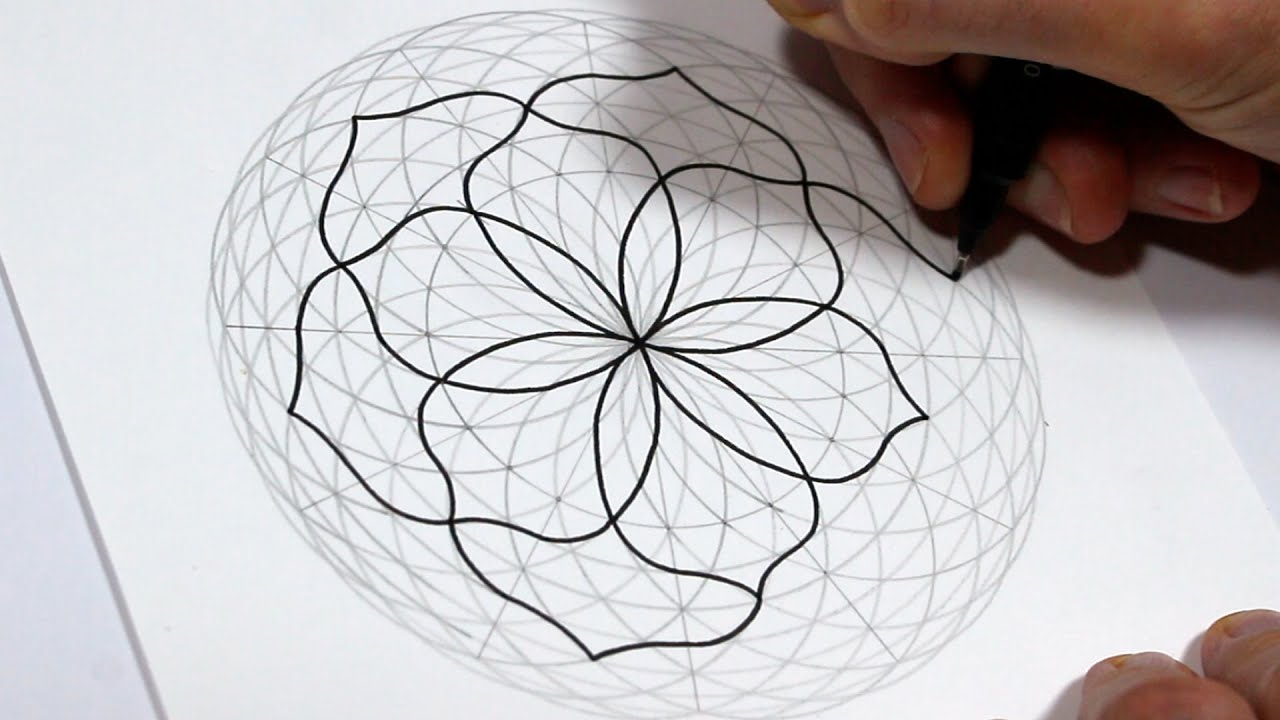
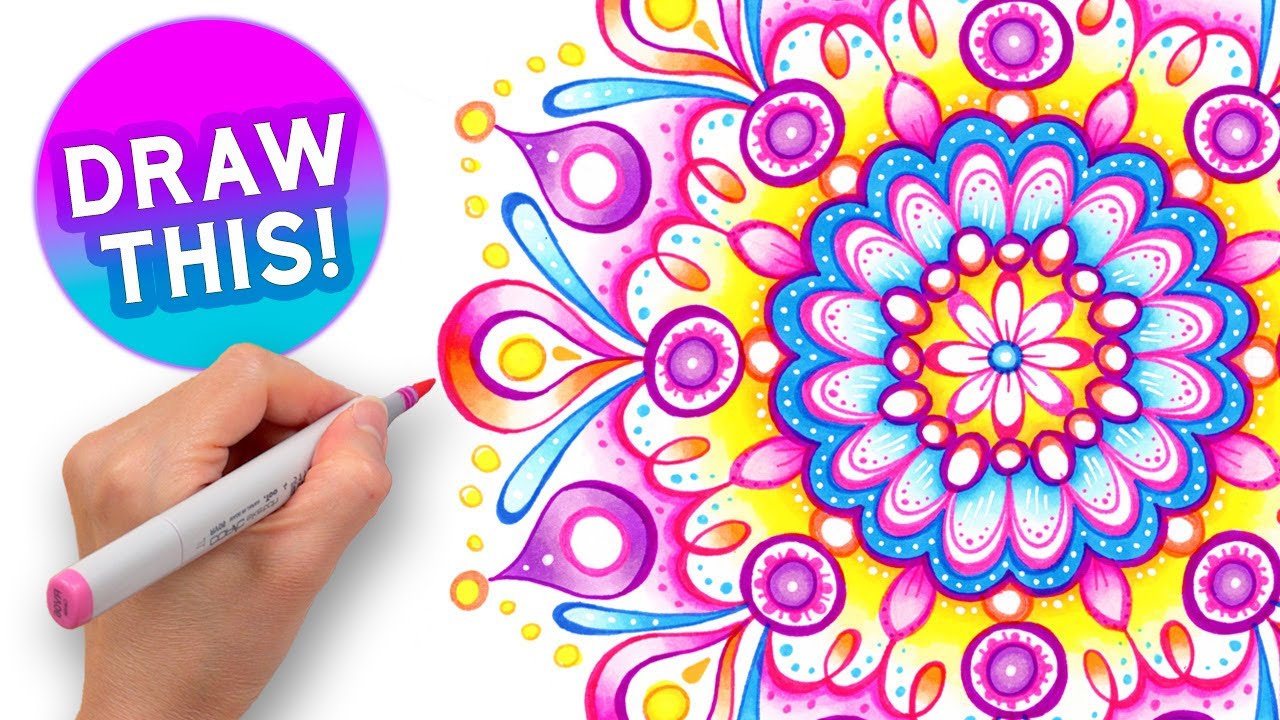
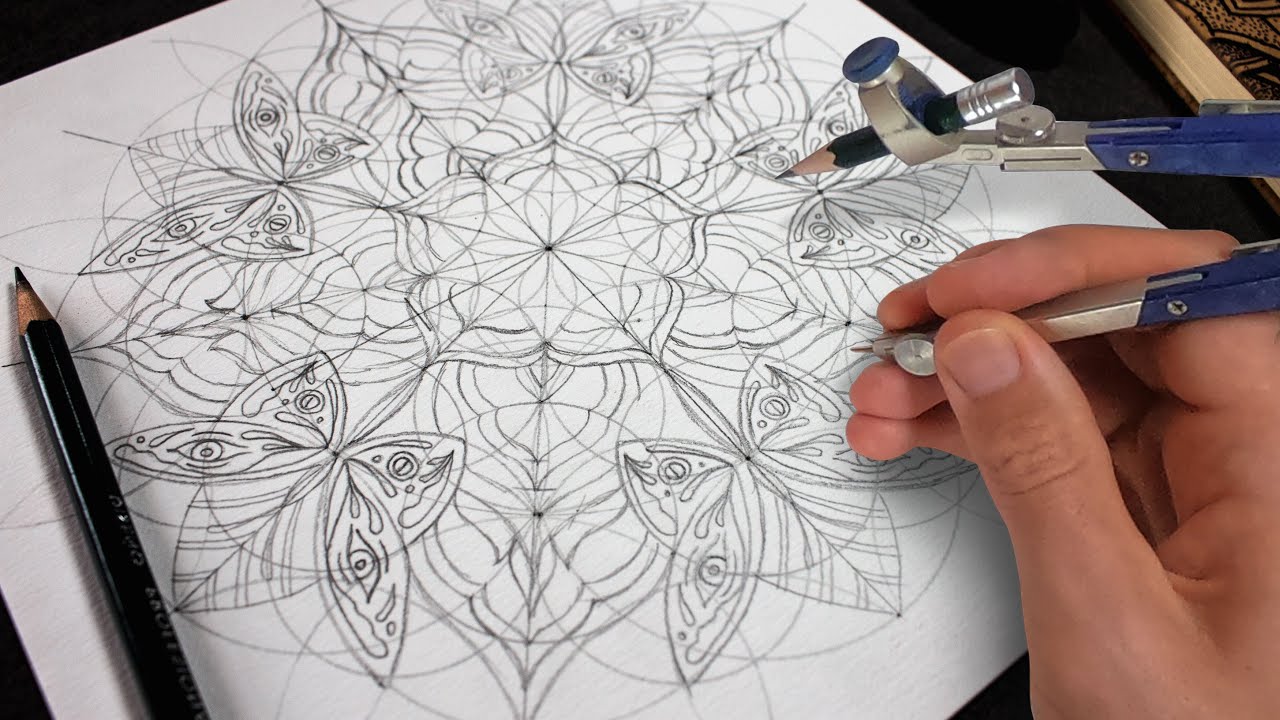
that represent the universe the Divine and the individual's Journey towards Enlightenment mandalas are typically round and always symmetrical every element in a mandala is carefully chosen for its symbolism and when taken together hold profound meaning here are some of the most common elements you'll find in these sacred patterns geometric shapes circles squares triangles and other geometric shapes are often used to create the structure of a mandala a circle can represent unity and infinity a square can symbolize the physical world and a triangle can symbolize a trinity or a balance of opposites floral patterns many mandalas
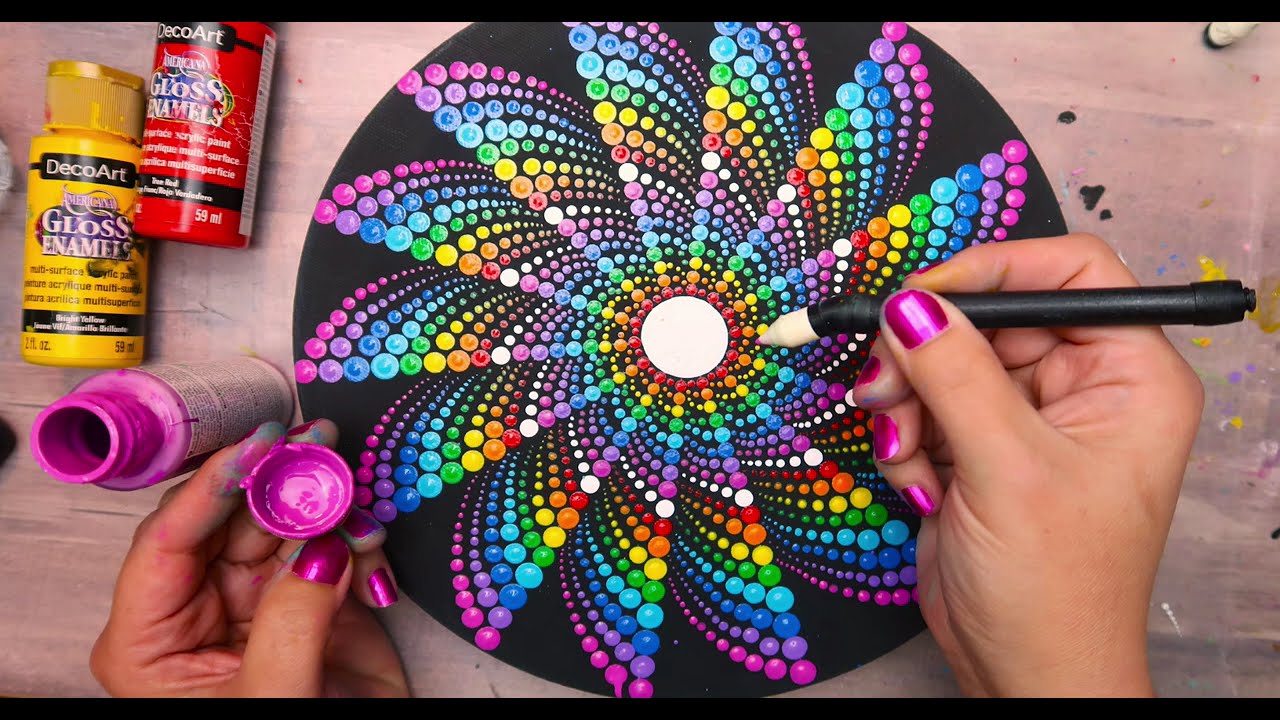
feature floral Elements which can symbolize growth life and the natural world these are used to create a feeling of Harmony and balance spirals spirals can represent the idea of journeying inwards to the self or outwards to the cosmos it could symbolize personal growth Evolution and transformation patterns dots can be used to create texture and add depth to a mandala they can symbolize the idea of unity in diversity representing individual elements coming together to form a United whole symbolic motifs mandalas can incorporate symbols that hold specific meanings in certain cultures or spiritual practices these could be
elements like the yin and yang symbol lotus flowers the tree of life and many more when these elements come together they create a powerful image functioning as microcosmic models of the universe representing the universe wholeness Unity balance Harmony meditation focus and the journey within if you look closely you'll see that the designs spiral out from a central point this symbolizes the intricate interconnections of life and highlights how we're all mutually dependent in Hinduism and Buddhism mandalas serve as spiritual symbols and tools for meditation they're used in rituals ceremonies and even architectural designs such as the
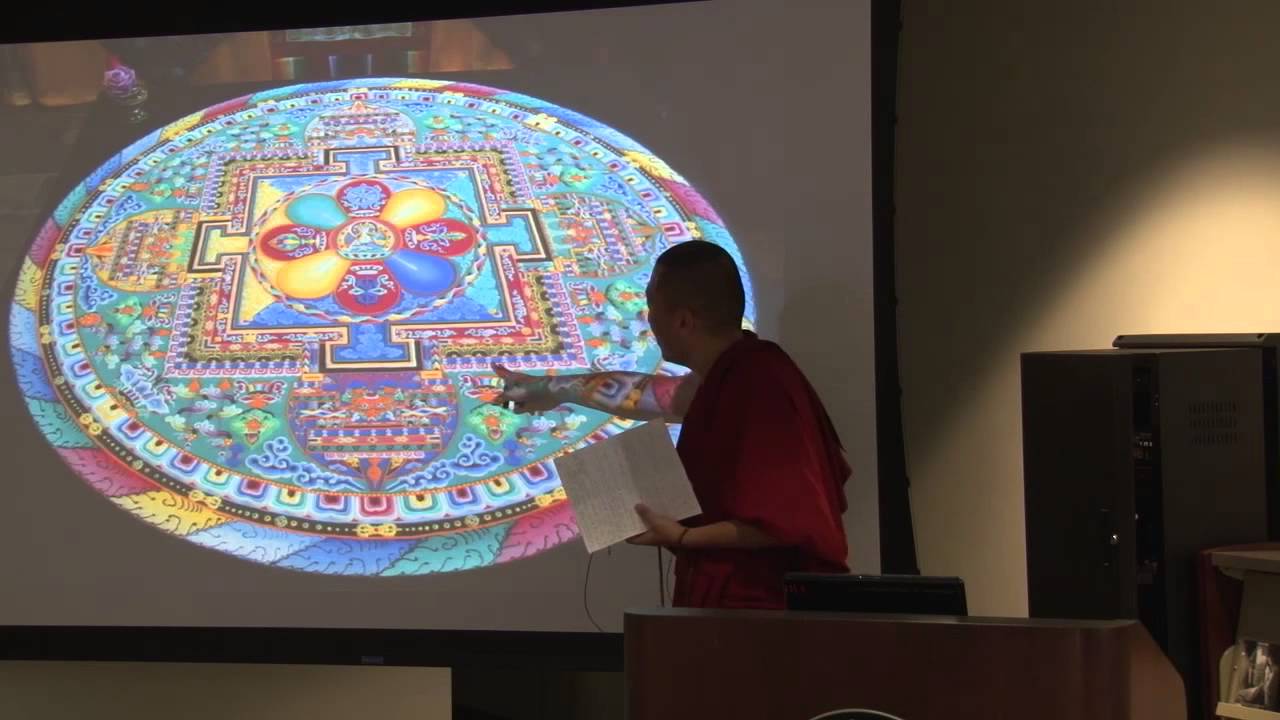
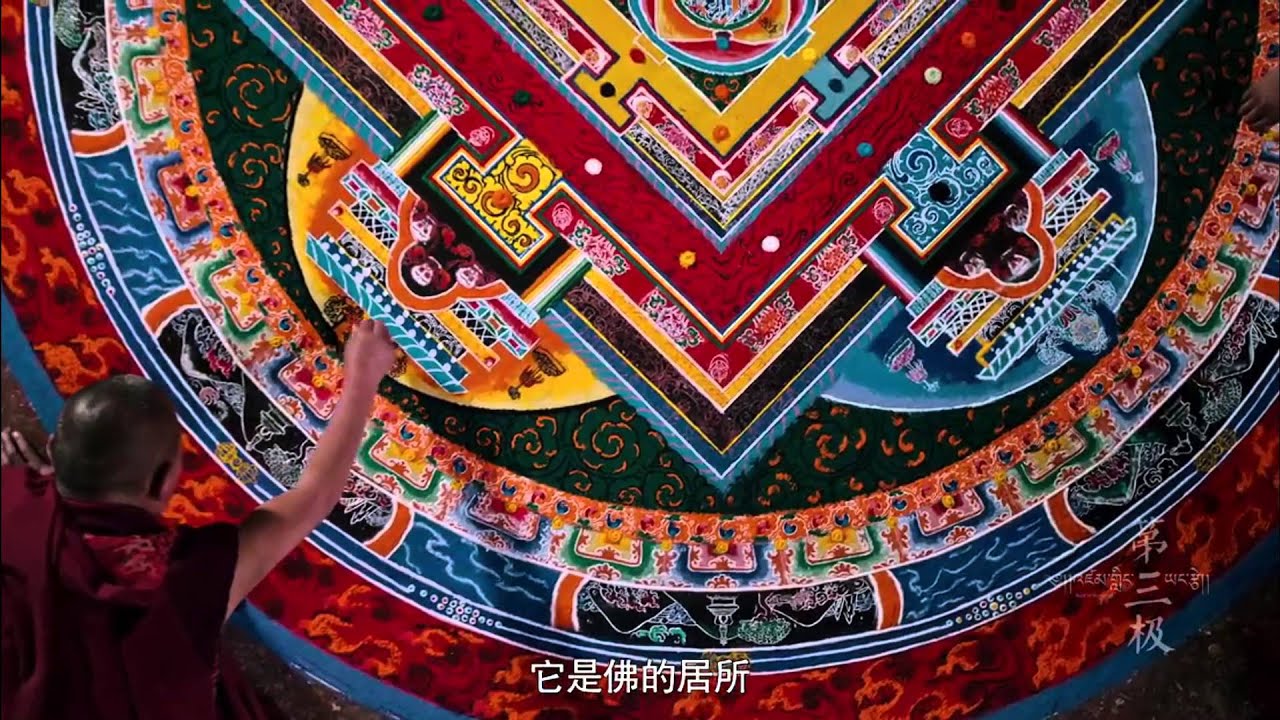
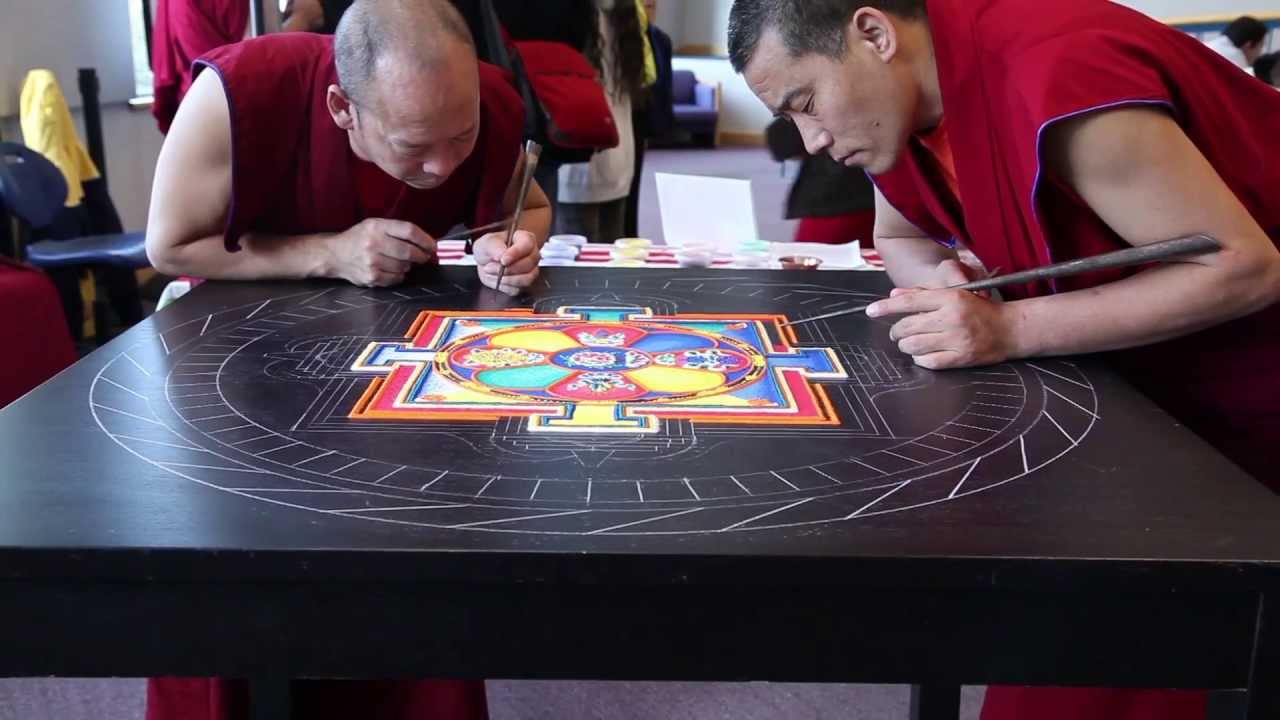
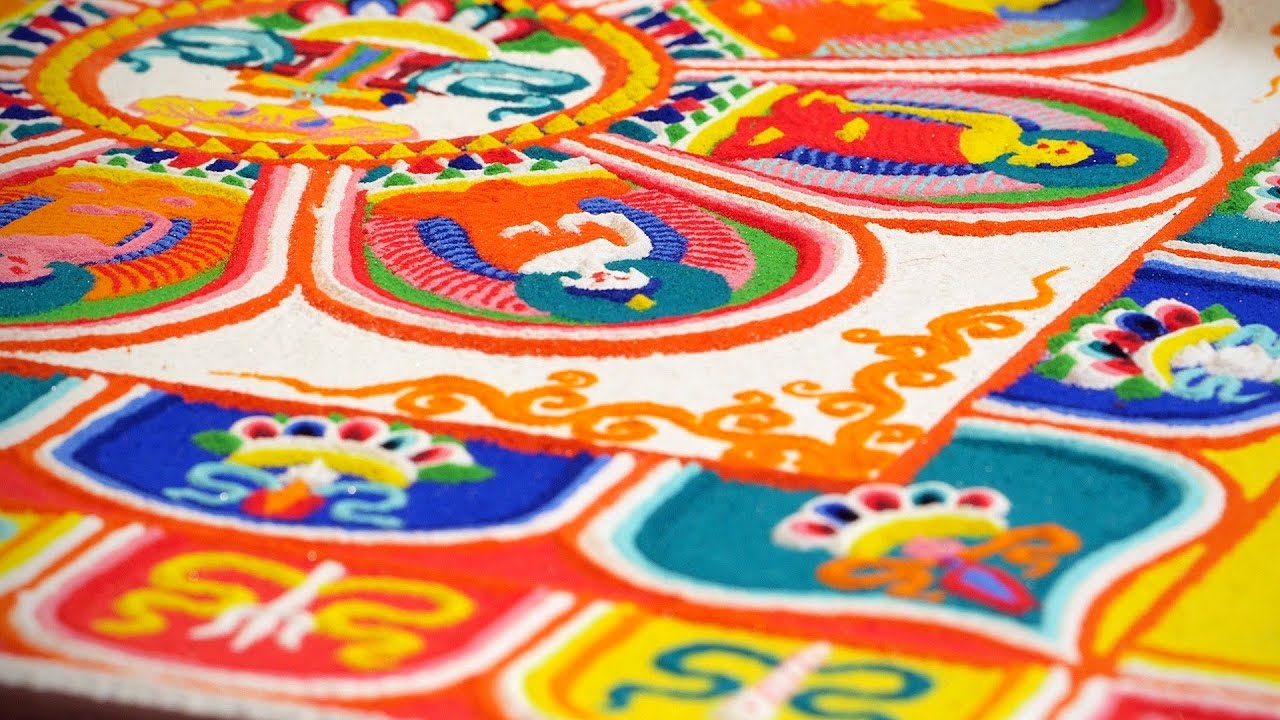
layout of certain temples Tibetan Buddhists for instance craft intricate sand mandalas while Hindu mandalas called yantres are used in rituals and meditation the process of creating a mandala often with sand can be a form of meditation itself allowing the practitioner to connect deeply with the Divine and the self these complex Creations once complete are typically destroyed in a ceremonious way to symbolize the impermanence of Life a key teaching in Buddhism though the mandala began its life in eastern religious rituals its significance has transcended these original contexts Earl young the pioneering Swiss psychiatrist introduced the concept
of the mandala to Western thought he recognized the therapeutic potential of mandalas encouraging his patients to create their own as a way to explore the unconscious mind and Achieve inner balance since then many Studies have looked at the benefits of mandalas on a person's mental state and that they can lead to psychological healing and self-exploration relaxation and stress reduction improved focus and attention positive neurological impact today mandalas are seen as symbols of mindfulness and can represent personal growth self-expression and the interconnectedness of all things they're often featured in adult coloring books as a tool for
relaxation and stress relief in yoga and meditation practices mandalas are used to promote relaxation concentration and a sense of balance they can serve as a focus point for meditation however with the rising popularity of mandalas in Western culture the accusation of cultural appropriation has risen some argue that the removal of the mandala from its original religious and cultural context strips it of its meaning and significance it's essential to approach the use of mandalas with respect and understanding of its cultural and religious Origins the mandala is a symbol steeped in history and profound meaning its Journey
from religious iconography to a tool for self-expression and mindfulness in the modern world speaks volumes about its universe reversal appeal whether a representation of the cosmos a tool for self-insight or a means to a meditative end the mandala truly embodies the idea that life is an Ever unfolding pattern of connectedness the enduring popularity and universality of the mandala serve as a testament to its profound symbolic power it Bridges the gap between the spiritual and the secular the ancient and the modern the East and the West what does the mandala mean to you let us know
in the comments below if you enjoyed this video please like share and subscribe to our Channel thanks for watching and see you next time [Music]