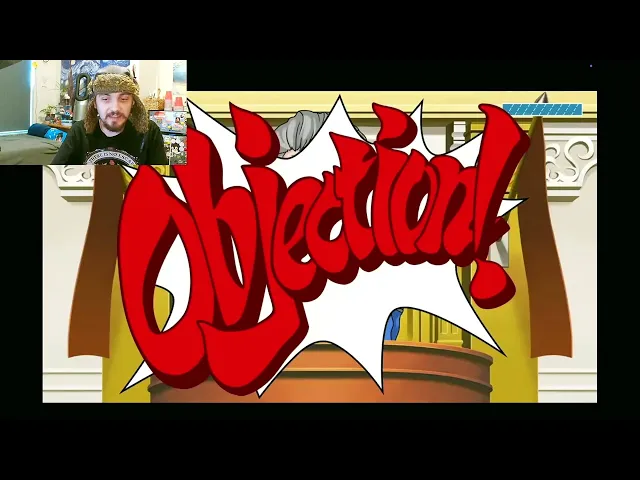
hello one all this is the second review session for intro to psychological Sciences focusing on learning and early developments and to begin let's meet moose now moose is adorable but he is also a biter and Bob remember our good friend Bob he wants to train moose to be a better dog but Bob is not a trainer he is a games major and it is at this point that I would normally say if you have any if you see anything that Bob is doing wrong you should object however uh that doesn't really work with this format
we're doing right here uh so I will just you know explain when there should be an objection all right that worked for all of you again I can't tell if you are agreeing with that or not because again this is the format we're using anyway so Bob besides make use of classical conditioning uh you know he reads about classical initiating and decides to give moose a treat every time he responds to The Prompt sits and say it with me folks objection that is not what classical conditioning is classical conditioning also known as PL pav pavlovian
conditioning pairs a neutral stimulus with an automatic response and I'm going to try and show you a clip of this but I don't know let's see how this goes I might need to edit around this a little bit again hey do do you want an Al in school we learned about this scientist who trained dogs to salivate at the sound of a bell by feeding them whenever a bell rang I'll sure what are you doing what I don't know come on my mouth tastes so bad all now I'm not saying you should do that to
your friends but I'd be interested in seeing if that works in real life now in this of class conditioning the mint is the unconditioned stimulus it is something that Dwight naturally wants without being trained he likes mints he wants to enjoy mints and the unconditional response is the expectation of freshness when Dwight you know eats the mint he expects to experience you know a freshness and the neutral stimulus is the computer bell sound it is initially meaningless it's a bell sound we hear it all the time there is no natural response to it however using
condition stimulus repeatedly pairing the min's with the bell sound basically creates an association between the two in Dwight's mind leading to the conditioned response Dwight automatically reaches out for Minch when he hears the Bell even though he doesn't consciously know why and you hear him say like his mouth tastes so bad he's expecting freshness but he is not getting it and that is just royally messing with his head now Dwight will forever associate the windows ding with wanting a m objection uh no that because of Extinction basically if the conditioned stimulus is repeatly presented without
the unconditioned stimulus so if repeatly hears the bell sound and doesn't receive a mint afterwards eventually he will no longer associate the two and he'll stop expecting a mint whenever hears the bell sound so again you could do this on your friends and it probably won't cause any permanent psychological damages uh disclaimer it might who can say anyway though uh moving back to the actual discussion of training animal that relies more on Opera conditioning while classical conditioning while classical conditioning involves an involuntary response to neutral stimulus in operant conditioning a voluntary behavior is modified via
consequences so for example you reward a dog when he does something well or in this case well thank you how thoughtful would you like a chocolate did you I didn't noce have a chocolate all right so I'm not going to show the full thing but you can see what Sheldon is doing here he's rewarding penny with a chocolate every time she does something he likes every time she does something that he desires and his plan is to eventually be able to train her to act exactly how he wants this is way way less ethical and
I would not recommend doing this to your friends uh anyway so there are multiple styles of reinforcements based on the schedules uh variable fixed interval and ratio for example variable interval rewards after certain number of behaviors whereas variable ratio rewards after a certain amount of time hey wait a minute objection not only I mix up fix and variable but also mixed up ratio and interval a fixed ratio rewards after certain number of behaviors and a fixed interval rewards after a certain amount of time and just as important as the schedule is the type of reinforcement
there is a positive always adds negative always subtracts reinforcement always increases behavior and Punishment always decreases the behavior so for example positive reinforcement adds desability whereas negative punishment subtracts desirability and you might think oh I mixed something up here no I didn't this is exactly how it works because quite frankly I have never been able to explain this without messing it up somehow so I just want to be very clear this is how reinforcement and punish actually works and I have another clip to demonstrate it stupid idea negative reinforcement isn't working I think you mean
positive punishment negative reinforcement is the removal of a positive stimul reinfor so as you can see even theoretical physicist and Ghostbusters can mix these things up and in the example you just saw them ripping duct tape off the their arms constituted positive punishment as it adds undesirability as in it adds the undesirability of having your hair ripped off in a very very unpleasant and unfun manner all right let's hard pivot now to developmental psychology now as we all know develop pregnant women can have just a little bit of alcohol of course objection no they cannot
uh this obviously has a very this obviously has some very negative reactions on the mother fetal alcohol syndrome leads to a whole lot of potential problems that the child might be facing for the rest of their life and of course there are different stages of cognitive development sensory motor birth to about 2 years is where you start getting object permanent preoperational 2 to 7 years this is theory of the mind we'll talk about that in a second concrete operational 5 to 7 years and formal operations which is the onset of puberty to adul hard and
that's where we can really get into abstract logic huzzah and a very important first part of cogni development is assimilation and accommodation assimilation is fitting things into existing schema if a child sees a hawk they'll say hey it's a bird their character hopefully say yes that is a bird and they can add Hawk into their definition of what a bird is but if for example they see a butterfly and say hey that's a bird and their caregiver says no it's not then that changes their schema that is accommodation they are modified in their model of
what a bird constitutes instead of adding to it now then we have object permanence this is a very basically out of sight out of mind this is a very important part of childhood development where basically children up to one month old won't realize that things they that things exist when they can't see them objection no it's actually children up to 9 months old won't figure this out and then we have theory of the Mind the ability to recognize that other people around you are thinking rational intelligent beings with their own thoughts and beliefs ex has
demonstrated once very interestingly in experiment with a monkey basically they gave monkey the monkey these glasses that were that were like blacked out so he couldn't see through them they had the monkey wear the glasses the monkey realized like oh if I wear these glasses I can't see and then have the monkey put the glasses on someone else but the monkey wasn't able to recognize that person could no longer see them the monkey could not process that fact monkey could not monkey had not developed theory of the Mind interesting way this is tested in humans
is the Sally an test basically Sally puts let's say a marble in location a and moves marble to location B without telling her and then the child child's asked hey where will Sally look for this marble and most children under 8 years old assume that you know uh she will look where it's actually hidden in location B actually objection most children under 4 years old will fail at this task they won't be able to recognize that Sally doesn't know where it is they won't be able to put themselves in the perspective of Sally's mind understand
oh no it's not actually there it's there Sally doesn't know that it has been moved also uh uh when it comes to studying people different ages there are two different ways is done longitudinal designs and cross-sectional designs and my original plan here was to have an open discussion about the pros and cons of both them uh again with this media format that just won't work so instead I will just explain them bit first off we launch H all designs which basically follows people over years and years and marks them saying like oh they developed this
at this age oh they developed this at this age oh they started doing it at this age now this is a really good way of getting very accurate data the only problem is it is insanely expensive and of course time consuming if you want a study person for their entire life that will literally take a lifetime and there's a good chance person might die early or you know they'll move or they won't want to participate in the study anymore so at which point you lose that data uh then they have cross-sectional designs which is basically
comparing different people of different ages so you examine 20 people of 80 20 people of 60 20 people of 50 and be like okay what's the difference between these groups now of course that has its own problem because basically uh if you examine like 20 year olds and 80-year olds and then you might conclude like oh 20year olds are naturally better at technology except that wouldn't be the case at all because those 20-year- olds grew up in a very different world than the 80-year-olds so it limits exactly what you can conclude from the data all
right moving on cognitive development by 18 the brain is fully developed and all individuals at this age know everything can do everything and are confident in everything they can do objection the brain continues to develop into the 20s and the prefrontal cortex matures very slowly which perhaps leads to you know 18 19 20y olds doing a lot of really really stupid stuff with no consideration of the consequences with that being said I'm in my 30s and I still very rarely consider the consequences of my actions anyway though uh people of this age also have unwarranted
self-confidence and self-consciousness basically they think they can do it all and they are constantly being judged by everyone around them which honestly sounds like a living hell to me absolute confidence and absolute doubt about everything you do that is insanity right there uh we have different parenting Styles high response sniff no low response sniff High demands low demands obviously you know High demands high response sniff authoritative High demands low response sniff authorita then we get to 30 and 40 year olds takes a little longer to recover decrease Vision hearing likely to have high blood pressure
high cholesterol and low low low bone density some skills Decline and learning becomes a lot slower this is very depressing as someone who just hit 31 uh meanwhile those in you know 65 plus you know that's pretty much the end of their life they're unlikely to live much longer they most have very most of them have very sedentary lifestyle and they're generally just grumpy people overall objection No in fact those who live long will likely live to be in their 80s or 90s and have a very active lifestyle and as you and Studies have found
that as people age they actually have more positive memories so old people they can be happy to who a thet uh finally we have crystallize versus fluid memory this crystallized what you seen older people basically they are less distracted in their thinking but they also process info more slowly because they have just so much you know experience in their head to go through be like okay this this this this to come to inclusion whereas as young people have more fluid intelligence which allows them to think and acquire new information very quickly and processed it abstractly
so what did we learn today again this whole format thing doesn't allow me to actually hear what you think we learned today and I also realized that I kind of very quickly fully abandoned the plot of explaining a story about training a dog so uh don't be Bob be better and here are some more cute pictures of moose thank you are there any questions again I don't know I can't hear you right now but thanks for listening thanks for watching uh and until next time peace